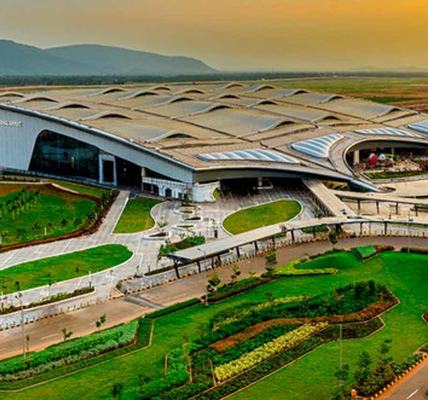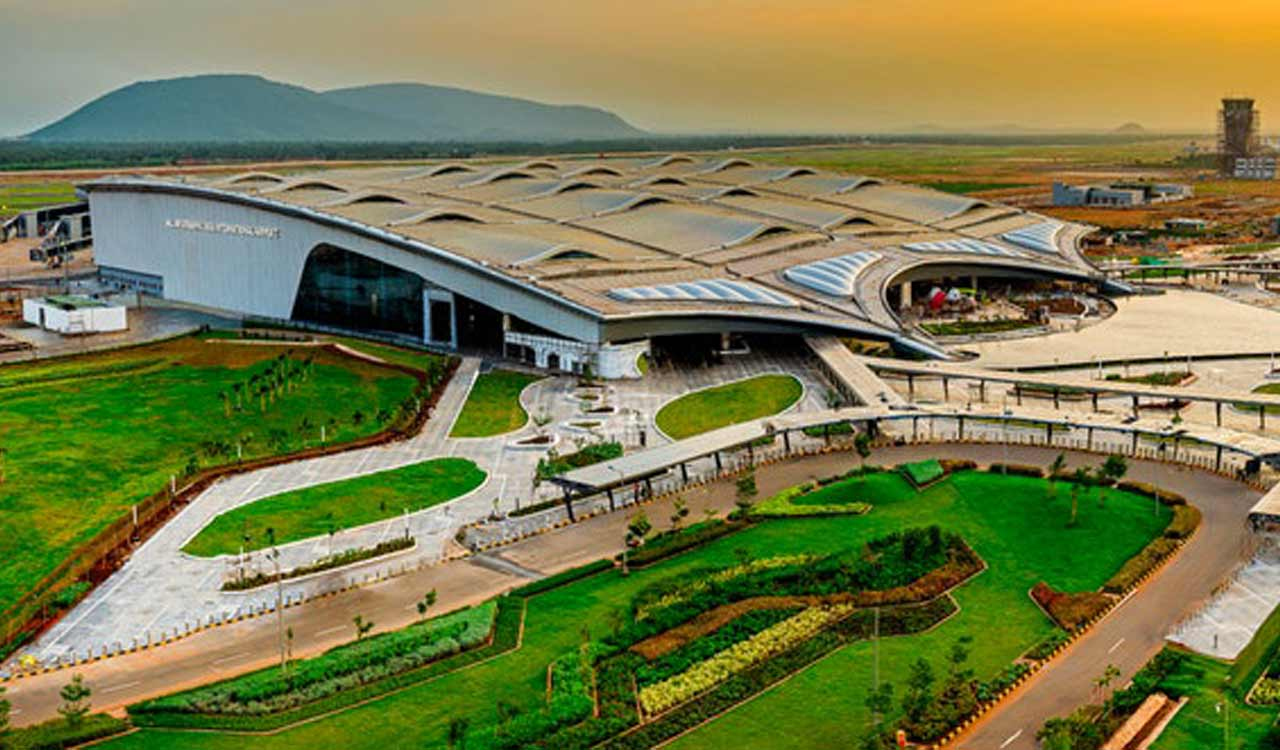



















- The Nagpur airport modernisation is being developed as a larger aviation, cargo and industrial connectivity project aimed at turning central India into a major inland logistics hub.
- The Cabinet approval resolves a decade-long delay over land lease and concession issues, allowing expansion plans, including a second runway, cargo terminals and wider airport infrastructure, to move ahead.
- The project’s viability will ultimately depend on whether MIHAN can attract enough manufacturing, warehousing, exporters and cargo operators to support the scale of expansion being planned.
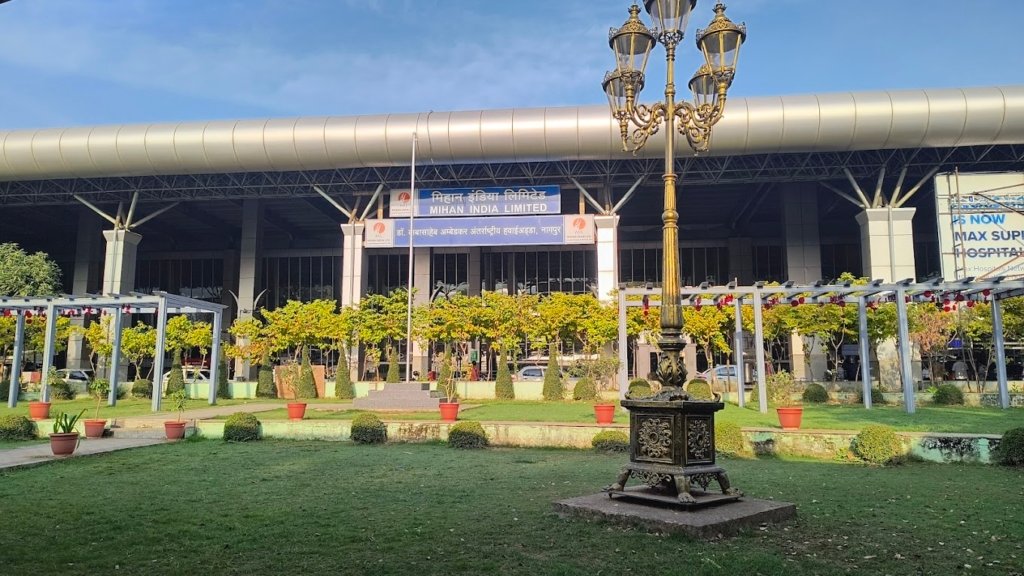
The Union Cabinet’s approval for the long-delayed modernisation of Nagpur’s Dr. Babasaheb Ambedkar International Airport marks a decisive attempt by the Centre to reposition central India within the country’s evolving aviation and logistics architecture, with policymakers increasingly viewing the project not merely as an airport expansion but as a test case for whether India can finally build a commercially viable inland aviation-logistics hub outside its congested coastal metros.
The decision extends the Airports Authority of India’s land lease to MIHAN India Ltd. beyond 2039 and aligns it with the 30-year concession awarded to GMR Nagpur International Airport Ltd. (GNIAL), effectively removing the institutional deadlock that stalled the project for nearly a decade.
The privatisation process had collapsed in 2020 after MIHAN annulled the original bidding process despite GMR Airports emerging as the winning bidder, with the dispute eventually moving through the Bombay High Court before the Supreme Court, in September 2024, cleared the path for the concession agreement.

Yet the project’s significance lies less in the airport itself than in the scale of economic assumptions driving it.
The revised master plan envisages Nagpur eventually handling 30 million passengers annually—a dramatic jump for an airport that handled just over 2 million passengers before the pandemic and whose earlier projections estimated traffic of only 6.89 million passengers by 2048.
The scale of expansion indicates that the government is betting not simply on aviation demand growth but on a wider restructuring of freight movement, manufacturing activity and industrial geography across central India.
Nagpur’s geographic location remains central to that strategy. Positioned close to India’s geographic centre and located along multiple east-west and north-south air corridors, the city has long been viewed by aviation planners as a potential redistribution hub capable of connecting domestic and international cargo flows more efficiently. MIHAN planning documents have repeatedly highlighted its strategic position along routes linking Europe, the Middle East and Southeast Asia.
The expansion blueprint includes a second 3,200-metre runway with provision for future extension to 4,000 metres to handle wide-body aircraft, along with parallel taxiways, expanded aprons and integrated passenger and cargo terminals. The airport’s footprint is expected to expand to nearly 3,425 acres after the transfer of an additional 2,138 acres for development.
The strong emphasis on cargo infrastructure is particularly significant at a time when India’s logistics costs are estimated at 13-14 per cent of GDP, substantially above the 8-9 per cent typical in export-oriented economies.

Policymakers increasingly view multimodal cargo hubs as critical to improving export competitiveness in sectors such as pharmaceuticals, electronics, perishables and precision manufacturing.
Nagpur’s proposed ecosystem includes dedicated cargo terminals, perishable cargo handling facilities and integration with rail and highway freight networks, positioning the airport as a potential inland logistics gateway rather than merely a passenger transit facility.
That reflects a broader policy shift in India’s infrastructure strategy, where airports are increasingly being conceived not as standalone transport assets but as industrial growth engines integrated with warehousing, manufacturing and supply-chain ecosystems. Yet the risks remain substantial.
India’s aviation sector continues to face volatile fuel prices, uneven regional demand and persistent profitability pressures, while several aggressively expanded airports continue to struggle with underutilization because the surrounding industrial ecosystems failed to mature at the pace envisioned in their master plans.
For Nagpur, therefore, the airport itself may not determine success. The real test will be whether MIHAN can finally evolve into the manufacturing and logistics magnet policymakers originally imagined—attracting exporters, cargo operators, warehousing firms and aviation services at a scale sufficient to justify one of India’s most ambitious inland airport projects.
Also Read: Air India Begins Its Long-Haul Reset With Its First Retrofitted 787-8

R Suryamurthy has been an economic analyst and journalist for more than three decades and has worked for The Telegraph, Tribune and Press Trust of India.