








- First A350 nose landing gear overhaul begins at Liebherr’s Lindenberg facility.
- Growing A350 fleet now entering the scheduled heavy maintenance phase.
- OEM-led overhaul strengthens long-term lifecycle and MRO positioning.
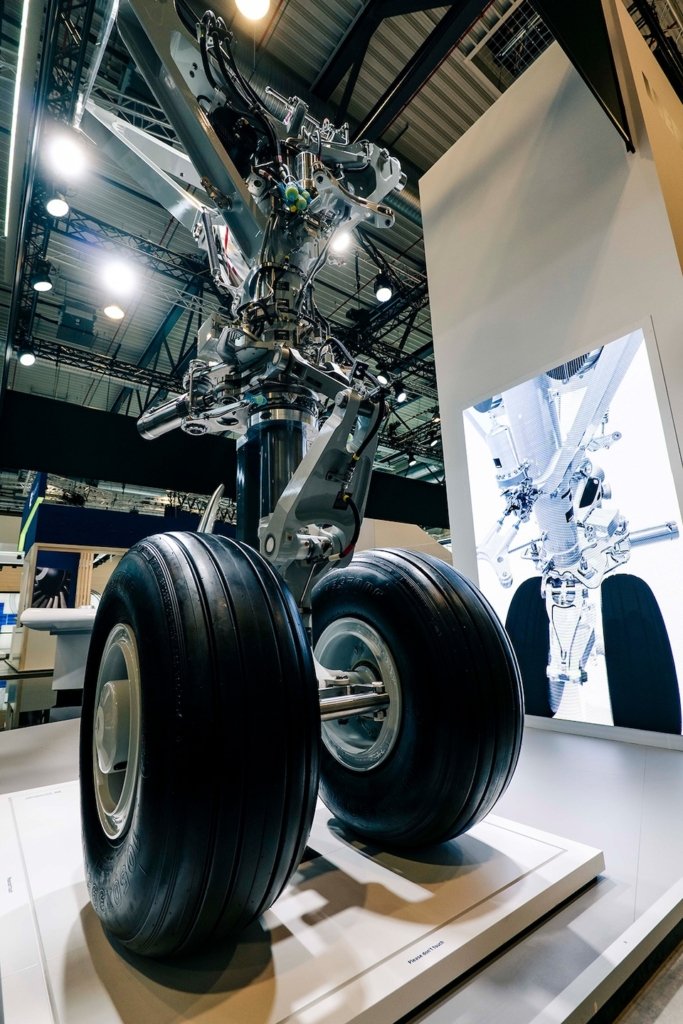
Liebherr-Aerospace has inducted the first Airbus A350 nose landing gear into overhaul at its Lindenberg facility in Germany, marking a transition point in the programme from production to lifecycle support as the global A350 fleet matures.
The company, which developed and manufactures the A350 nose landing gear as the original equipment manufacturer (OEM), will carry out the overhaul entirely in-house at its long-established centre of competence for landing gear systems.
While positioned as a first-of-its-kind event for Liebherr, the development reflects a broader industry trend: early-generation A350 aircraft are now entering the phase where heavy maintenance inputs, particularly on high-cycle components such as landing gear, become operationally necessary.
From Programme to Overhaul
Liebherr has been involved in the A350 programme from its early stages, having secured the contract to develop and supply the nose landing gear and subsequently delivering units to Airbus’ final assembly line in Toulouse.
The system itself is one of the largest landing gear assemblies produced at the Lindenberg site, comprising over a thousand individual components and integrating hydraulics, actuation systems and structural elements designed for long-haul operations.
Since the A350 entered service in 2015, Liebherr has provided full lifecycle support for these systems, including maintenance, repair and overhaul (MRO), training, and field service support to operators worldwide.
What is now changing is the scale and regularity of these activities. As fleet utilisation builds across airlines globally, scheduled overhauls—driven by operating hours, cycles and regulatory requirements- are beginning to ramp up.
Landing gear overhaul remains one of the more complex MRO segments, requiring specialised tooling, disassembly procedures and certification processes. For a system such as the A350 nose landing gear, which combines high-load structural elements with precision actuation, OEM involvement typically plays a central role.
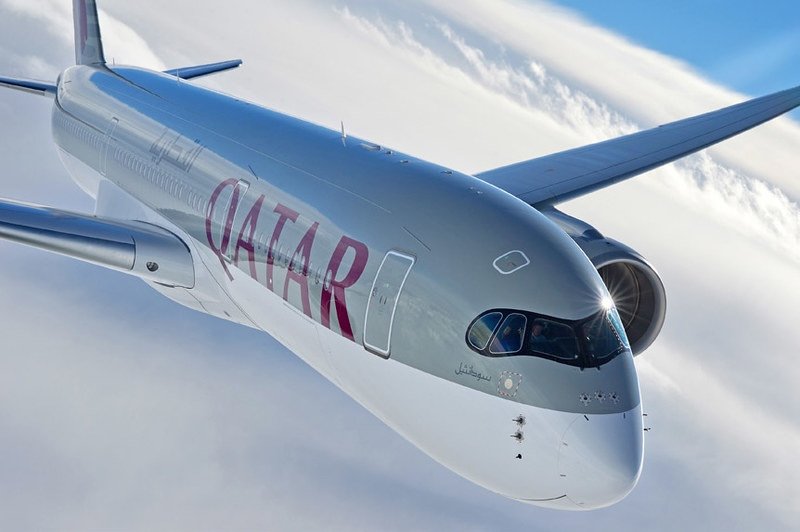
By conducting the overhaul at its own facility, Liebherr retains full control over inspection, repair, testing and certification, an approach that aligns with how many OEMs are positioning themselves in the aftermarket to ensure configuration control and reliability.
The aircraft, widely deployed across long-haul networks, is now moving from early operational years into sustained service maturity. As that happens, components such as landing gear—subject to repeated mechanical stress across thousands of cycles—begin to drive a steady stream of aftermarket demand.
For suppliers like Liebherr, this phase is commercially significant. While original equipment supply defines the early years of an aircraft programme, long-term revenue and operator engagement are increasingly tied to MRO activity.
The induction of the first A350 nose landing gear into overhaul at Lindenberg therefore marks the beginning of that transition—one where support, turnaround time, and technical depth become as critical as the original design itself.
Also Read: Airbus A220 Crosses 500 Deliveries as Global Fleet Renewal Gathers Pace