















Godrej Aerospace Builds India’s Case in Global Commercial Engine Supply Chains

- Godrej Aerospace is expanding its role in global commercial aviation through engine manufacturing contracts with Safran, Pratt & Whitney and other major OEMs linked to major commercial aircraft programmes.
- The company is investing in additive manufacturing, actuation systems, R&D and advanced aerospace production capability while expanding its engineering and design capabilities.
- A new manufacturing facility in Maharashtra, rising export revenue and growing participation in global supply chains reflect the company’s expanding role in international aerospace manufacturing.
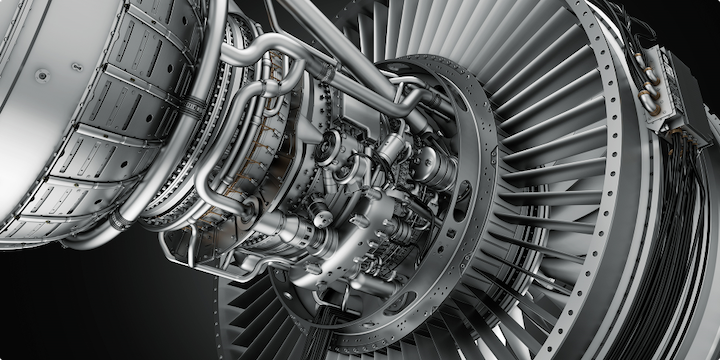
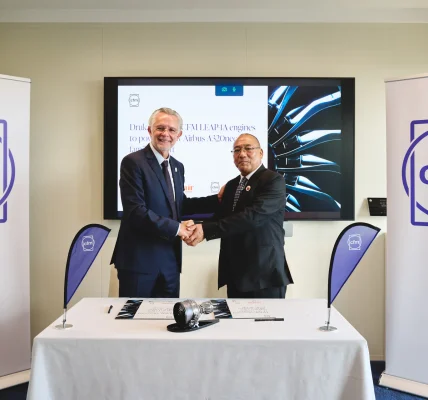
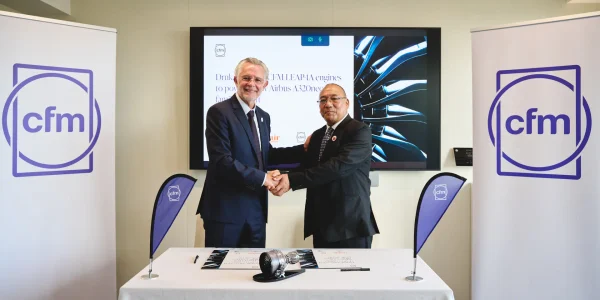
When the aerospace business of Godrej Enterprises Group signed a five-year contract with Safran Aircraft Engines in September 2025 to manufacture titanium ventilation assemblies for CFM LEAP engines, it added another chapter to a commercial aviation story that has been building since the 1980s.
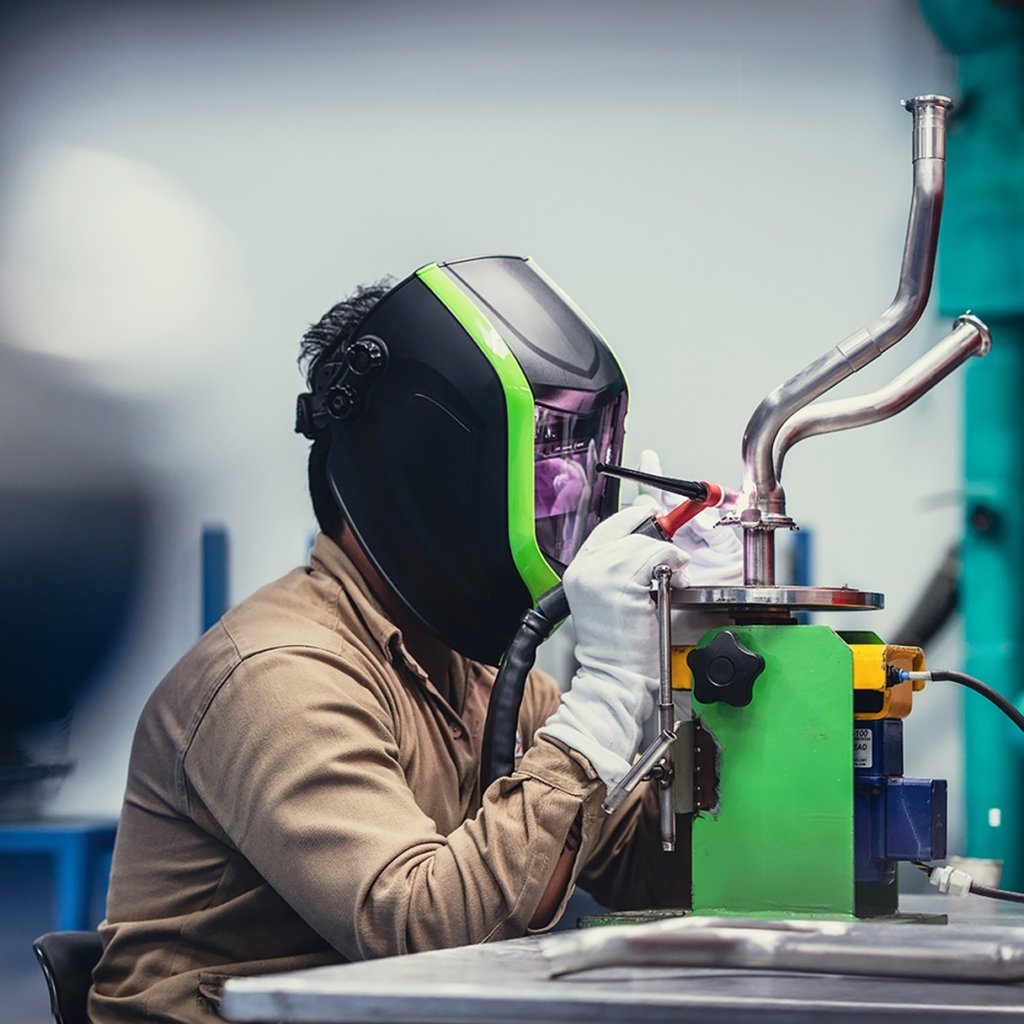
The LEAP engine, developed by the GE Aerospace and Safran joint venture CFM International, powers the Airbus A320neo family and Boeing 737 MAX, and has more than 2,000 units on order from Indian carriers alone, making this contract directly relevant to the country’s aviation growth. Production requires complex machining, precision welding and advanced non-destructive testing to civil airworthiness standards.
Dominique Dupuy, Senior Vice President for Purchasing at Safran Aircraft Engines, described the agreement as reinforcing “a trusted partnership that aligns with our strategy of building a robust and diversified global supply chain,” and said it advances Safran’s goal of fostering long-term industrial ties with India.
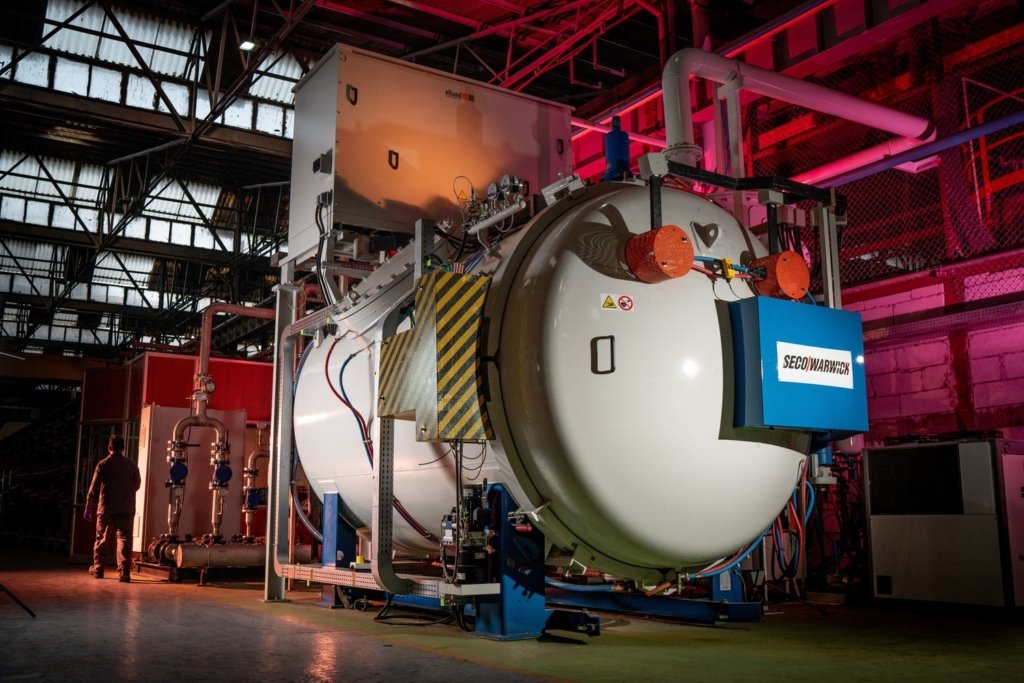
The Safran contract extends a portfolio of civil aero-engine manufacturing programmes that now covers every major turbofan family in commercial service.
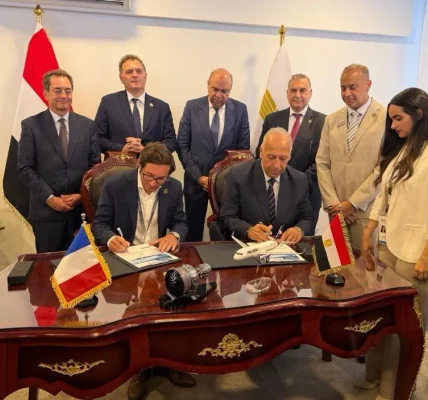
In July 2025, Godrej secured a contract with Pratt & Whitney, part of RTX, to manufacture complex engine parts, sheet-metal assemblies and fabricated components for commercial engine applications.
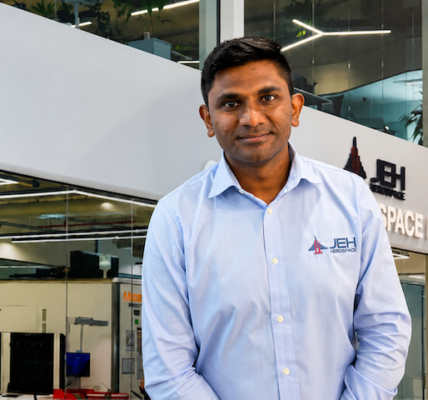
Maneck Behramkamdin, Business Head of the Aerospace Business at Godrej Enterprises Group, said, “The contract is not just a business milestone; it is a testament to India’s rising capabilities in complex aerospace manufacturing.” Godrej is also a certified Tier-1 supplier to GE Aerospace, Rolls-Royce, Boeing, Safran and Honeywell, with the Rolls-Royce relationship going back to a ₹200 crore contract signed in 2018 to supply around 600 engine components, supported by a Centre of Excellence in Mumbai.
These OEM relationships have driven Godrej’s aerospace division to nearly 25% year-on-year revenue growth in FY26, with the business reaching approximately ₹435 crore and exports expanding at over 30% annually, a pace that reflects how deeply the civil engine portfolio has shifted its revenue mix toward international programmes.
Godrej is the only private company in India with demonstrated capability to manufacture all modules of an aero-engine, covering the fan, compressor, combustor and turbine, rather than components within a single module or a narrow sub-assembly range.
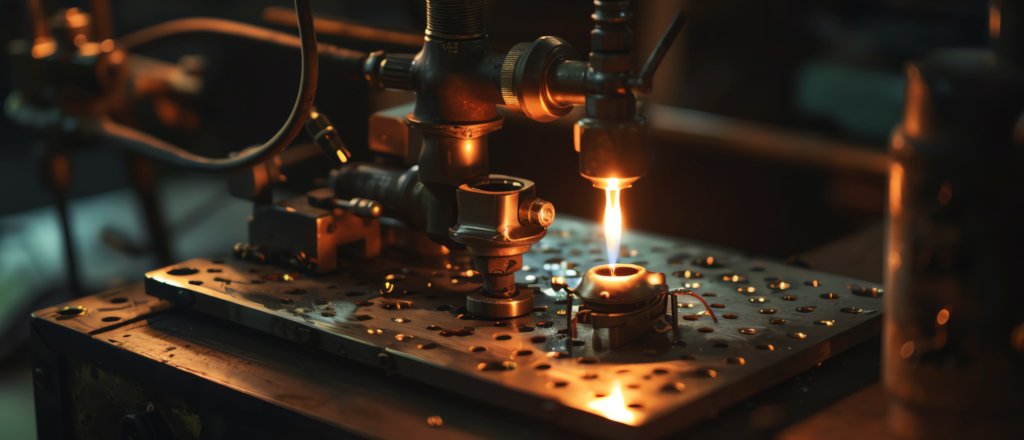
Global OEMs managing record order backlogs on single‑aisle programmes have been recalibrating their supply chains geographically, and India’s record in precision manufacturing has pushed more of them to look at private‑sector aerospace suppliers here when they decide where to place new work, with Godrej emerging as one of the key beneficiaries of that shift.
Beyond Build-to-Print Manufacturing
At Aero India in Bengaluru in February 2025, the aerospace business signed an MoU with EOS, a global leader in industrial 3D printing, to develop additive manufacturing capability for Indian aviation and space programmes, with both partners committing to build the technical and production capacities needed to establish an AM-based supply chain for domestic and global OEMs.
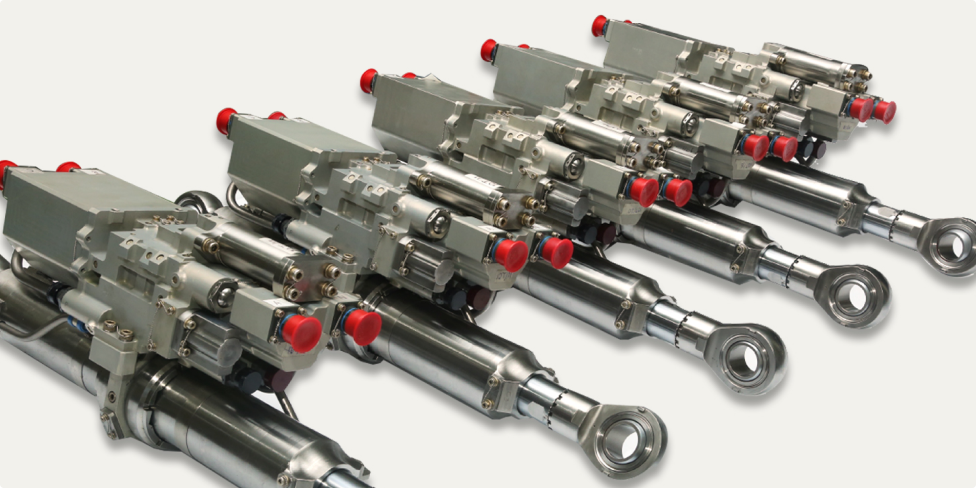
The company also signed an MoU with the Aeronautical Development Agency (ADA) at the same show to develop flight control actuators for India’s Advanced Medium Combat Aircraft programme, an agreement that serves as a proving ground for the electromechanical actuation expertise Godrej is simultaneously developing for civil aircraft applications.
A dedicated R&D centre and a design office for mechanical and electromechanical actuation systems are now operational within the business, forming the foundation of a shift from built-to-print manufacturing to built-to-spec engineering, in which Godrej develops and owns the engineering of the systems it produces rather than executing solely to OEM drawings.
To fund this transition across design, research and development, new product development and advanced digital manufacturing, the company has committed approximately ₹100 crore over the next three years, with Behramkamdin stating that Godrej is “well positioned to support India’s aero engine ambitions and contribute meaningfully to the global aerospace value chain.”
Khalapur: Building Capacity for Global Production Programmes
The production infrastructure to support both current volumes and future programme growth is under development at Khalapur in Maharashtra, where a 100-acre manufacturing facility spanning two plants is being built as a hub for advanced aerospace and propulsion-adjacent programmes serving Indian and global OEM customers.
The company has indicated a potential supply role on Boeing’s 777X widebody programme, a platform targeting its first production-standard flight and first deliveries from 2027, which, if formalised, would extend Godrej’s civil aviation footprint from engine hardware into large commercial airframe structures.
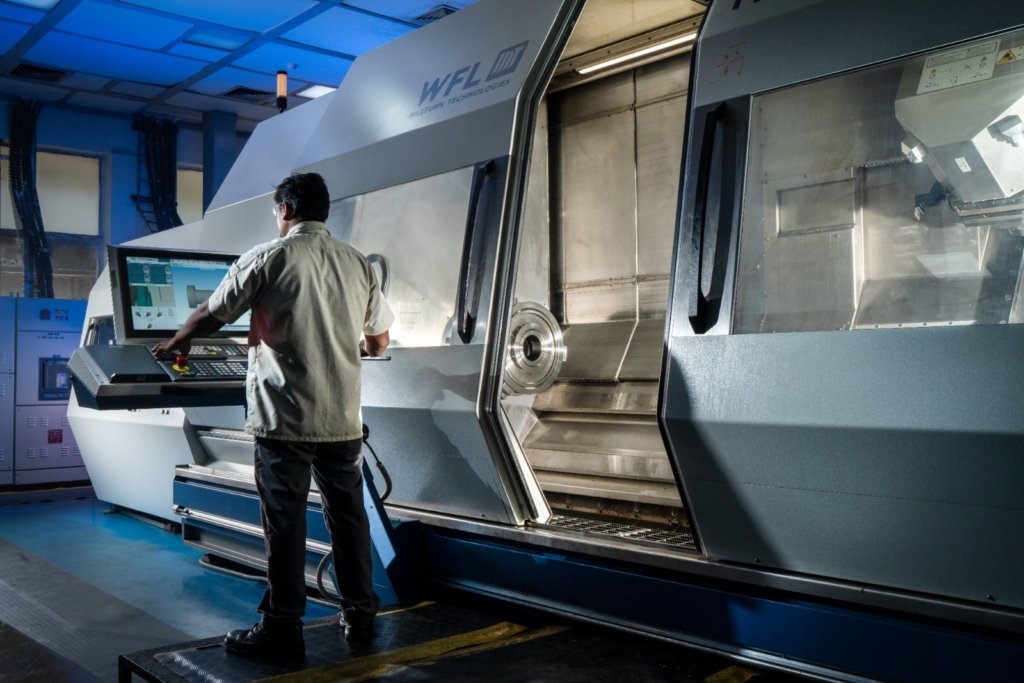
Maharashtra’s port connectivity, infrastructure and engineering talent pool are cited by both the company and its OEM partners as structural advantages for a facility intended to serve long-cycle production programmes well into the next decade.
The commercial aerospace business is targeting at least 15-20% annual growth through FY32, supported by sustained high production rates on global single-aisle programmes, multi-year supply agreements with its principal OEM partners, and the broader OEM push to diversify supply chains across geographies.
Exports now make up about 40% of the aerospace and defence portfolio and have been growing at more than 30% a year, which underlines how deeply the business is now tied into global civil aviation supply chains.
India’s commercial aviation market is expanding at a rate few economies can sustain, while its aerospace manufacturing sector has historically contributed far less to that growth than domestic demand would suggest; the civil engine contracts now running across four of the world’s leading engine OEMs, the Khalapur facility and expanding design capability, represent a private-sector manufacturing base that is, by the measure of contracted production and export revenue, gaining real ground.
Also Read: MRO Compliance: What the DGCA Mandates Mean for NSOP Operators