










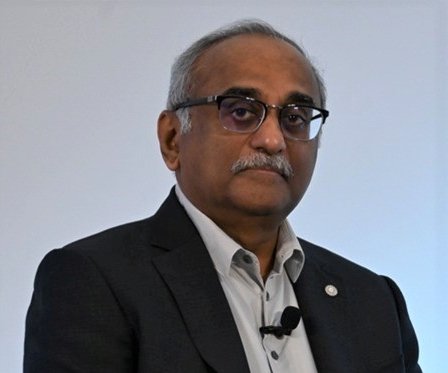
India’s aviation expansion has drawn global engine manufacturers into a different approach, one that goes beyond selling engines. A market of this size and growth, with policy clarity and an expanding industrial base, has prompted longer-term commitments from engine makers, with the country positioned as a manufacturing and technology base. Fleet expansion by Indian carriers, with growing digital engineering capabilities and a diversifying supplier base, are reinforcing a transition towards strategic commitment rather than transactional engagement. Sashi Mukundan, Executive Vice President, Transformation, Rolls-Royce India, explains how that commitment is being built across manufacturing, technology and long-term partnerships.
How does Rolls-Royce position India within its long-term commercial aviation strategy?
When you look at India’s trajectory—a population of 1.4 billion and a $4.2 trillion economy growing at around 8 per cent—the strategic importance is clear. India combines scale, policy clarity and a rapidly maturing aviation and industrial ecosystem, making it one of the most consequential commercial aviation markets globally over the next decade.
The recent Air India and IndiGo orders underscore this long-term demand, while 2025 has also marked a step-change in the India–UK relationship, including closer cooperation on national security and defence. For Rolls-Royce, this aligns with our broader ambition to develop India as a potential home market, supporting the country’s Viksit Bharat vision through sustained investment, technology, and partnerships.
India is already the world’s third-largest domestic civil aviation market and is moving steadily towards becoming the third-largest air passenger market globally. We look forward to enabling this growth and to partner the ambitious expansion plans of our customers. Both Air India and IndiGo have chosen Trent XWB engines as they expand their fleets of widebody aircraft.
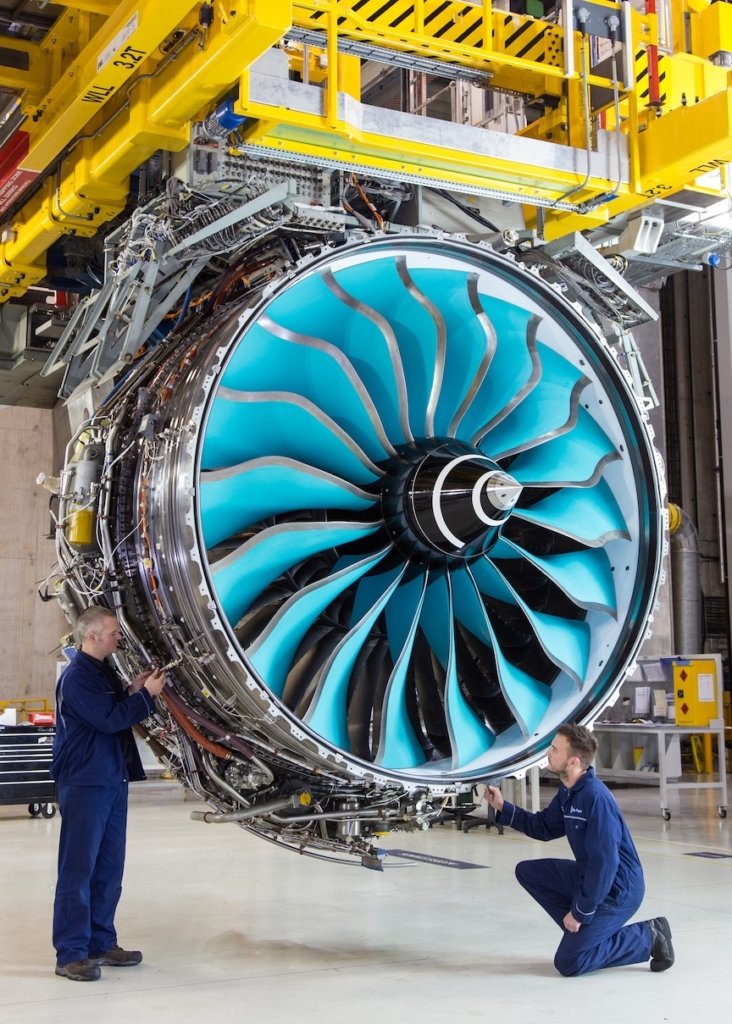
We are committed to supporting these engines with our comprehensive TotalCare® service package, and our advanced Engine Health Monitoring system which uses real-time data and analytics to predict maintenance needs, optimise engine performance, and maximise aircraft availability.
We are also excited by the new possibilities that our UltraFan demonstrator aero engine opens up–it brings a suite of new technologies that deliver greater fuel efficiency, and the engine architecture represents a massive opportunity for both widebody and narrowbody aircraft classes.
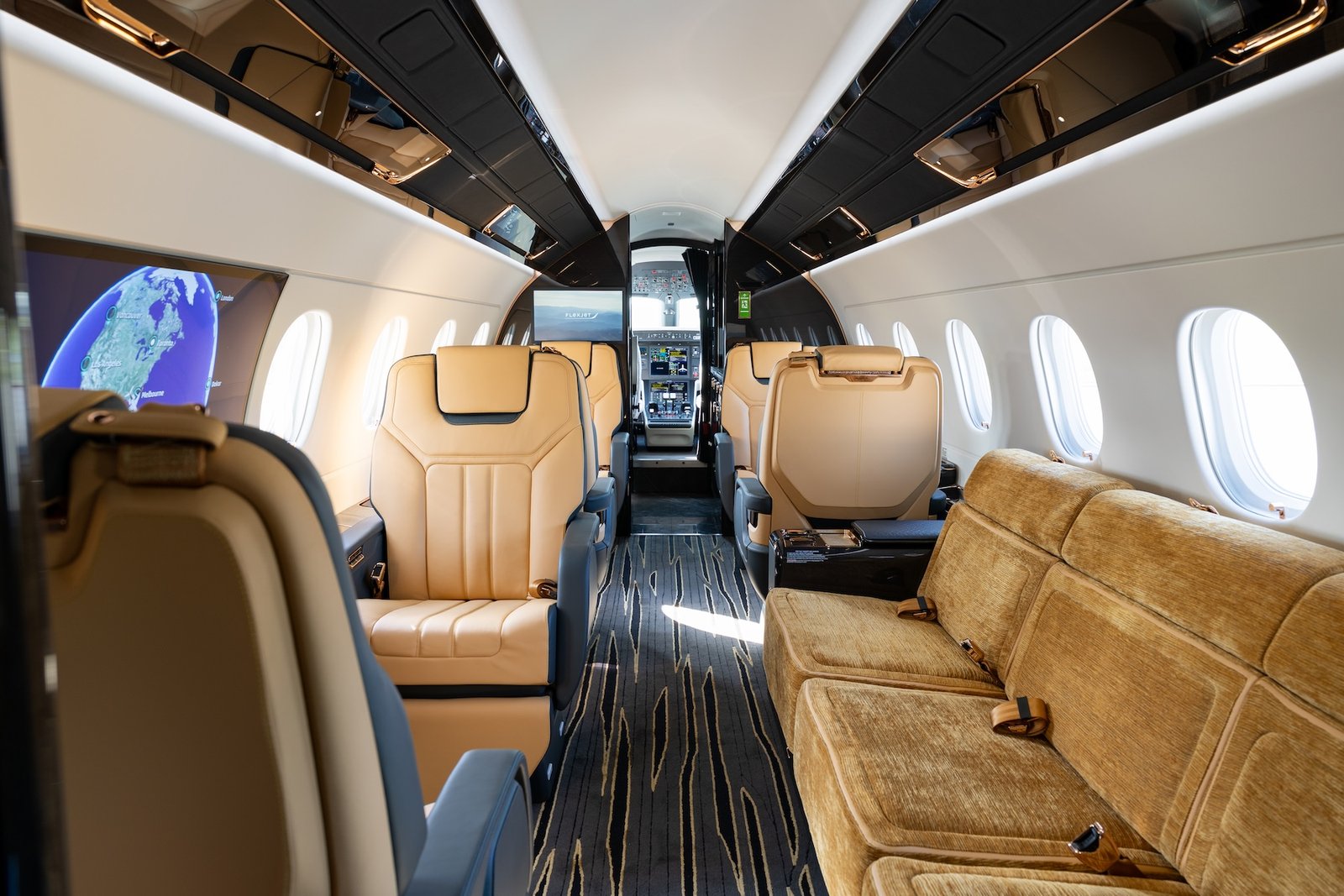
Beyond commercial aviation, we also have a strong presence in India’s business aviation segment, with a healthy share of engines across news orders in this segment over the last few years.
The recently inked India-UK Comprehensive Economic and Trade Agreement (CETA) will also benefit customers by bringing closer alignment with international standards for trade, paving the way for future aerospace growth in India.
How will the expanded Bengaluru Global Capability and Innovation Centre support Rolls-Royce’s operations and airline customers?
As we prepare for the next phase of growth in India, building capability at scale is a critical enabler of our vision to develop India as a home market for Rolls-Royce.
The newly expanded Global Capability and Innovation Centre in Bengaluru is a key part of this journey, strengthening our ability to support our growing businesses, leading the expansion of our supply chain here as well as delivering enterprise and digital services to our operations worldwide.
Our data innovation teams support the development of customised, AI-enabled solutions that leverage data science and machine learning to analyse large operational datasets. Such tools help provide real-time and forward-looking insights into engine performance and maintenance needs, and can help reduce unplanned disruptions, optimise costs, and ultimately improve aircraft availability.
What will doubling sourcing from India by 2030 mean for the country’s aerospace manufacturing ecosystem?
We have been building and manufacturing in India for decades, and our commitment is to at least double our sourcing from the country by 2030, by deepening long-standing partnerships while also bringing new suppliers into our global ecosystem.
A good example is the expansion of our collaboration with Bharat Forge, which will manufacture fan blades for our Pearl 700 and Pearl 10X engines – some of the most advanced and powerful engines in our business aviation portfolio. That’s a strong vote of confidence in India’s ability to deliver complex, safety-critical components at global standards.
Our joint venture with HAL, called International Aerospace Manufacturing Pvt. Ltd., produces components for our Trent family of civil engines, as well as for defence and business aviation from facilities in Bengaluru and Hosur. Alongside this, we work closely with partners such as Tata, Godrej, Azad Engineering, and several others.
Looking ahead, we see significant scope to broaden both the range of components we source and the number of Indian suppliers we work with – across civil and defence aero-engines, as well as power systems.
Our focus is on building capability, scale, and resilience within the ecosystem, including deeper engagement with MSMEs and startups, so that India continues to strengthen its position as a global aerospace manufacturing hub.
How is Rolls-Royce looking at technology partnerships in India beyond component sourcing?
India remains an important market for us, and we have a long-standing partnership with the Indian industry as well as the Indian Government. When we talk about building a home in India, a key component of that is going to be what we can do on the technology side, particularly in aero-defence, where indigenous capability demands propulsion systems that are not just high-performing, but sustainable for decades to come.
For Rolls-Royce, the foundations of this future are already firmly laid, especially with the India-UK Vision 2035 roadmap announced last year. It signals deepening of ties through a joint advanced engine core technology development programme, and we are well-positioned with experience in such joint programmes as well as unparalleled engine architecture leadership.
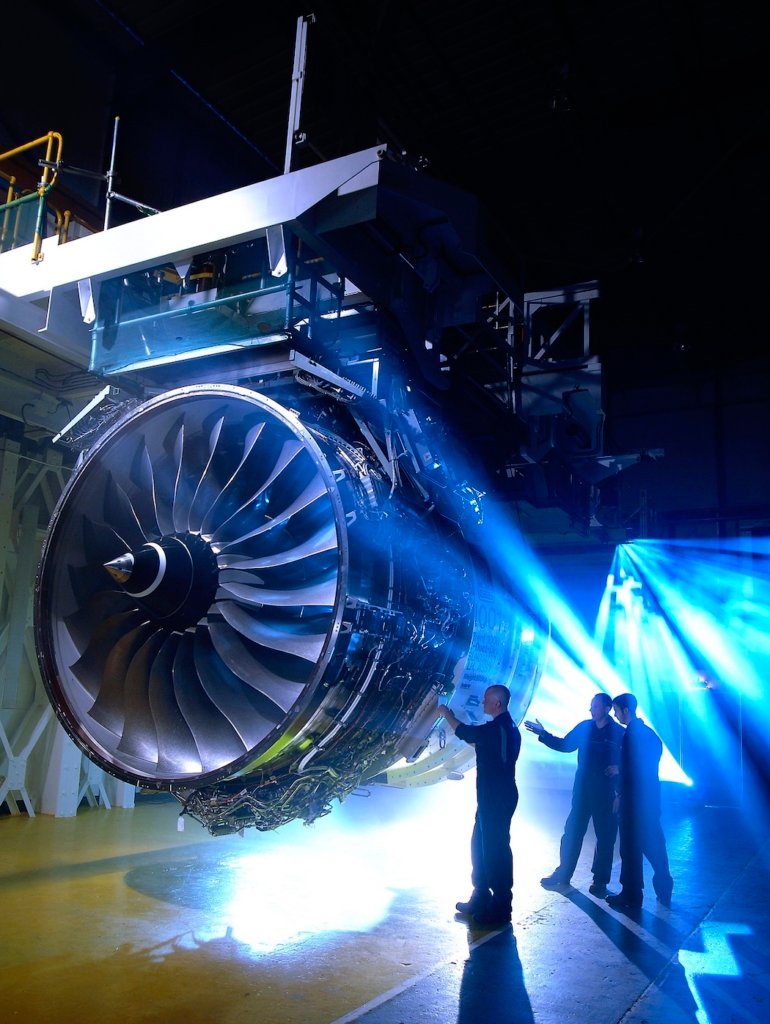
Our offer for co-development of an Advanced Medium Combat Aircraft (AMCA) engine will give India an opportunity to create and own IP (intellectual property) for critical combat engine technology that is both customizable and exportable.
In the area of combat engines, our competitive advantage is absolute. We are among a select few globally with end-to-end design-to-delivery capabilities, certifying a new engine roughly every 18 months.
Whether it is the EJ200 powering the Typhoon or the high-thrust requirements of the Global Combat Air Programme (GCAP), we operate at the cutting edge of what is possible.
Our proposal is backed by a legacy of trust demonstrated repeatedly through the successful transfer of technology for six-seven engine types to HAL for in-country licensed production. These engines continue to be maintained and serviced by HAL with support from Rolls-Royce.
When you combine our global technical expertise with decades of local partnership, Rolls-Royce offers the most credible and accelerated route to a truly indigenous Indian combat engine. We see a unique convergence of manufacturing, sourcing, talent, and technology in India that few nations can match.
Our focus now is to deliberately weave these elements together – strengthening our ecosystem so it grows in lockstep with India’s growth vision. We aren’t just witnessing the country’s rise; we are here as a long-term partner with power and propulsion technologies that will propel the growth.
Also Read: Rules, Runways and the Road to Reform