





The Strategic Role of Independent Technical Oversight in Business Aviation

- Independent technical oversight begins with understanding the buyer’s experience and how that shapes the level of support required in an aircraft acquisition.
- In pre-owned transactions, PPI workscope, technical acceptance, and maintenance facility selection directly influence costs, timelines, and the final aircraft condition.
- Oversight also manages coordination across OEMs and MROs and enables escalation where performance does not align with contractual expectations.
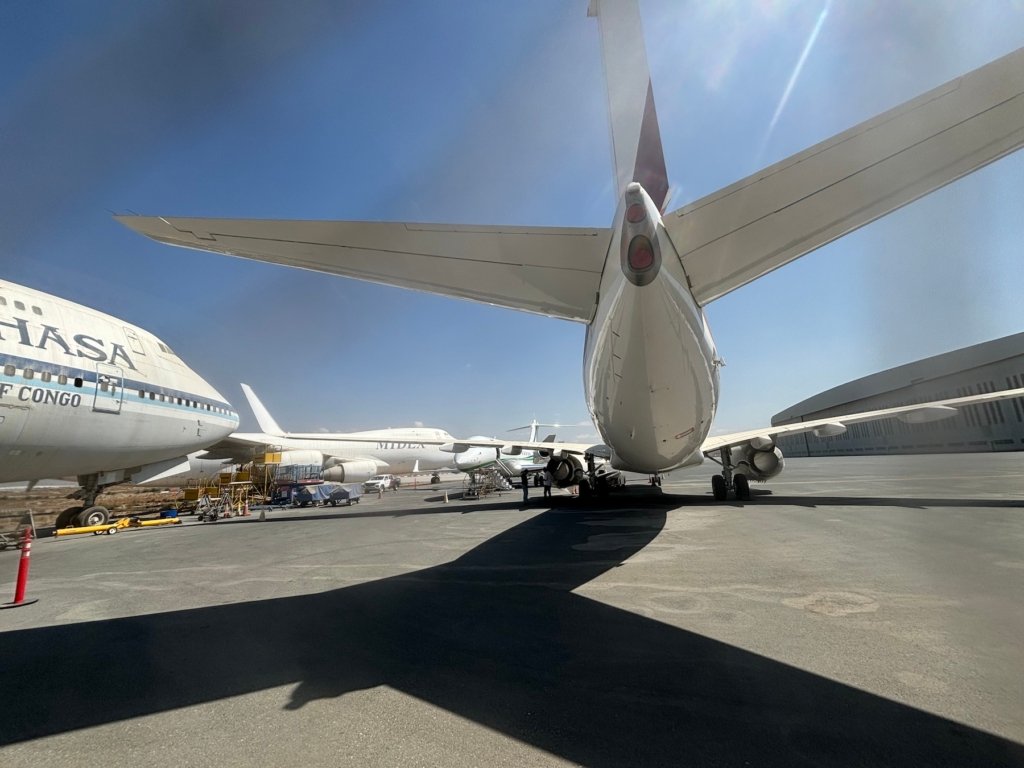
Independent technical oversight in business aviation refers to the technical and project-side representation provided to an aircraft buyer through the course of an acquisition.
It is approached differently by each buyer, and the starting point is to understand how that view has been formed.
The experience of acquiring a new aircraft is different from that of acquiring a pre-owned aircraft, and this difference shapes how oversight is perceived. In some cases, a buyer may have had a difficult experience in a previous transaction, or may know of a transaction that did not proceed as expected.
In other cases, the buyer may have an internal flight department that does not consider external support necessary. There may also be other considerations affecting the decision that are not immediately visible.
For a first-time buyer, the role extends beyond technical input. It includes explaining how the process works, defining requirements and setting realistic timelines for the project. This means outlining how the acquisition will progress, what stages are involved and where key decisions will need to be taken. This has become more relevant in the current operating environment.
Since the Covid period, consolidation across industries has continued to affect supply chains, and more recent developments have added further pressure on international trade. These conditions affect production timelines, maintenance capacity and vendor performance. An oversight team is therefore expected to understand the environment in which OEMs and maintenance organisations are operating and to provide that context to the buyer.
New Aircraft Acquisitions
In a new aircraft acquisition, the project is driven by the purchase agreement and the delivery framework. Delivery timelines can extend over two to three years, and the structure and content of the agreement have a direct impact on acquisition cost, operating costs and residual value.
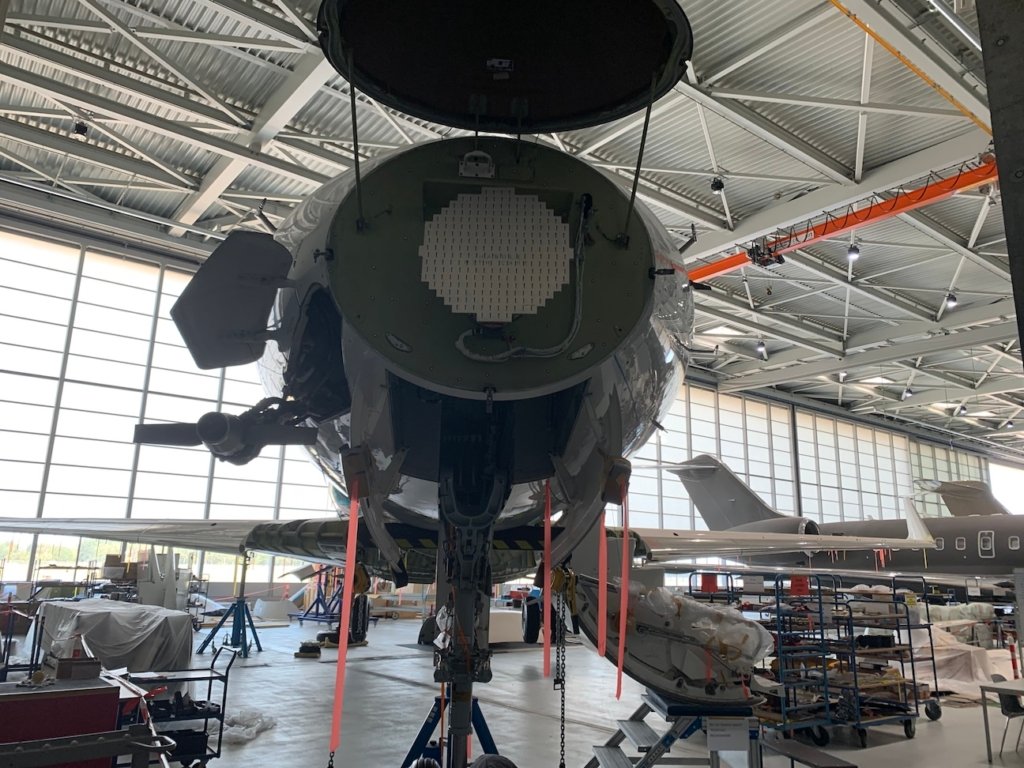
Independent technical oversight in this phase is focused on ensuring that the agreement is properly structured, contains the necessary technical and commercial detail, and reflects the conditions under which the OEM will deliver the aircraft.
This includes ensuring that specification requirements are clearly defined, that delivery conditions are aligned with operational expectations, and that the agreement supports the aircraft through entry into service and eventual resale.
It also requires an understanding of the constraints under which the OEM is operating, including supply chain limitations and production pressures, so that expectations are aligned with what can be delivered in practice.
Pre-Owned Aircraft Transactions
In pre-owned aircraft transactions, the emphasis moves to execution, and specifically to the pre-purchase inspection. The definition of the PPI workscope and the technical acceptance agreement are central to the transaction. These determine whether the aircraft meets the requirements established at the outset and how findings are addressed before closing.
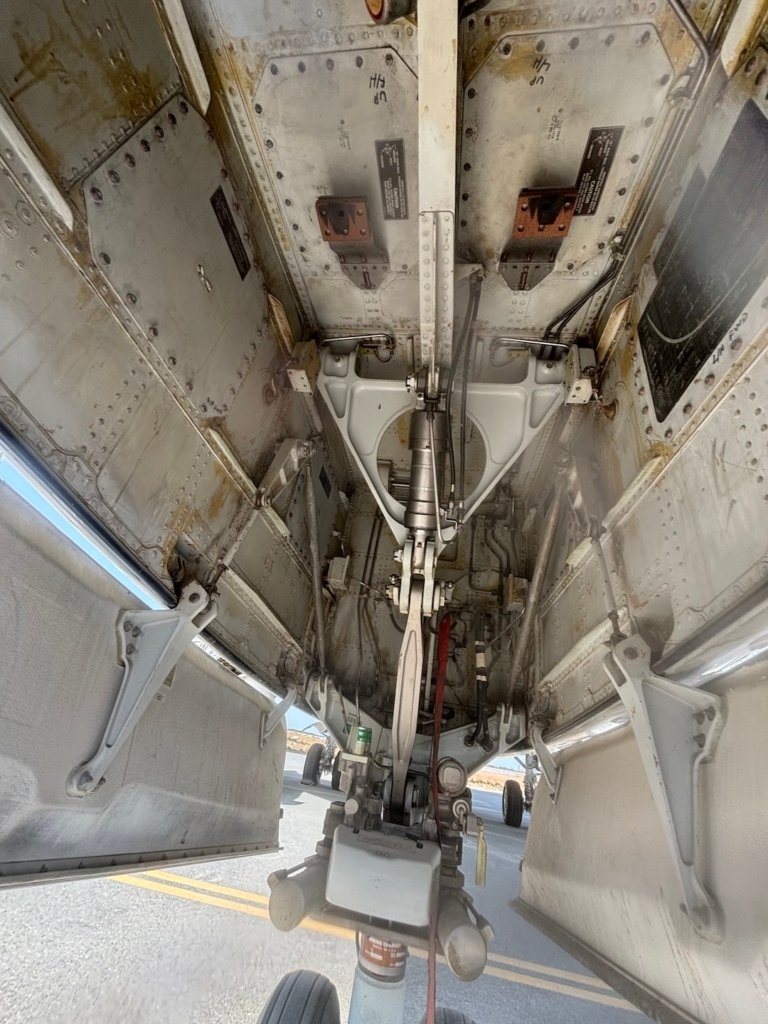
This involves assessing the aircraft’s maintenance status, reviewing records, and identifying components that, while within airworthiness limits, may be approaching replacement thresholds.
Without a clearly defined workscope and acceptance framework, these items can result in immediate cost exposure following acquisition.
Independent technical oversight in this phase includes supporting the definition of the PPI workscope, assessing the capacity and capability of maintenance facilities to carry out the inspection, obtaining and reviewing quotations, assessing the cost and performance of vendors, and assisting in selecting the location for the project.
These decisions affect both cost and the time required to complete the work. Once the aircraft enters inspection, the project requires structured management.
Communication structures need to be established so that issues and key decisions are communicated clearly and in a timely manner, particularly where stakeholders are operating across different time zones.
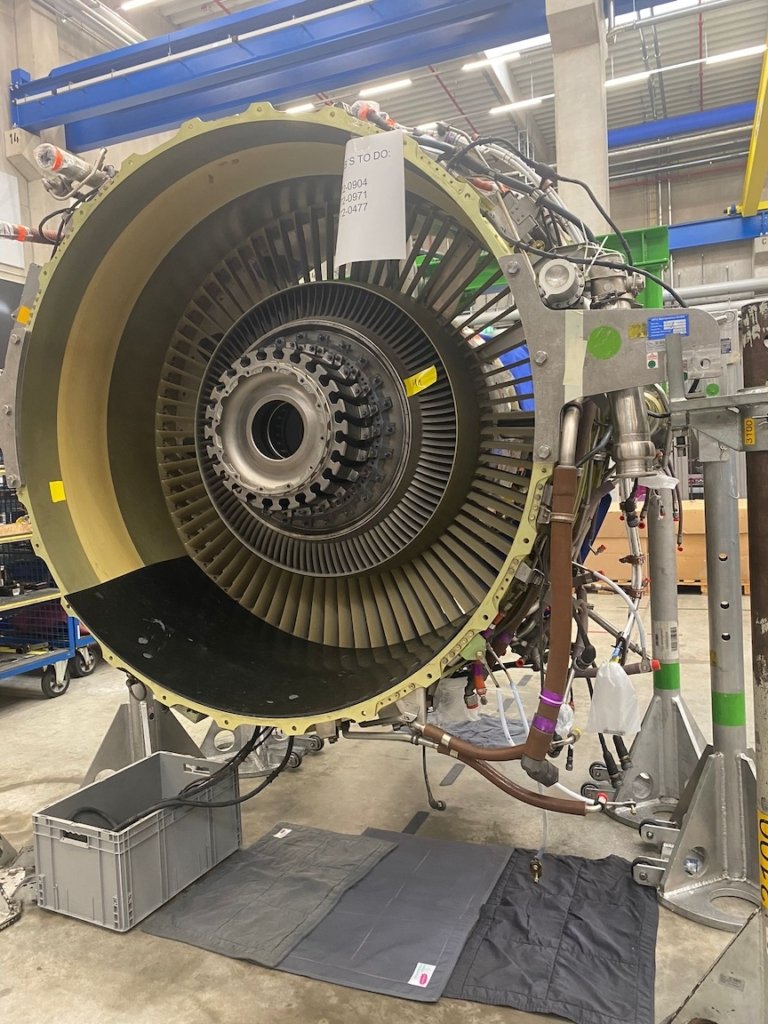
The same role also supports the OEM or maintenance organisation by providing clarity on expectations and adding capacity to their teams, allowing them to understand requirements and deliver against them.
Independent technical oversight also includes escalation. When performance doesn’t align with the contract, it helps engage senior leaders to get additional focus and support.
This may include reviewing costs, seeking remuneration where performance falls short of contract, and agreeing on specific solutions to address issues within the project.
Independent technical oversight in business aviation therefore brings together a number of key elements into a structured process that supports the owner, their team and the other stakeholders involved, and ensures that the project is carried out in line with the requirements defined at the outset.
Also Read: A Century of Grit and Innovation: The 100-Year Legacy of Pratt & Whitney