







India’s Business Aviation Market Runs on Pre-Owned Reality


The Indian business aviation market has long struggled with the friction between rising demand and rigid regulatory frameworks. For those who have tracked the sector since the early 2000s, the evolution from the flexible owner-operator models of the past to today’s complex tax environment is a familiar story. However, sustained wealth creation and a need for remote connectivity are now driving a significant fleet expansion.
Sanjeev Choudhary, Vice President of Sales, India at JetHQ, highlights that financial realities have pushed buyers toward pre-owned aircraft to avoid extended delivery timelines and steep initial depreciation. In this interaction, he points to the strong demand for mid-size jets, the challenges of securing domestic financing, and how infrastructure status could finally improve credit availability for Indian operators.
You have been working in business aviation since the early 2000s, across helicopter sales, fixed-wing OEM representation, and now pre-owned brokerage. How would you describe where the Indian market stands today?
Aspirationally, the Indian business aviation market is in a significantly stronger position, driven primarily by sustained wealth creation and the broader India growth story.
This momentum has been further accelerated by emerging sectors such as pilgrimage tourism, non-passenger utility operations, and the increasing need for faster access to remote locations by infrastructure developers and management teams. The COVID-19 period also underscored the importance of private aviation, both for domestic and international travel.
From an ownership perspective, however, the market continues to face structural challenges. Prior to 2007–08, the owner-operator model was permitted, and import duties were uniform and relatively low across private and non-scheduled operations.
Today, the cost of ownership is significantly higher, with differential taxation and regulatory complexities slowing the translation of aspiration into actual fleet growth.
Reforms have been gradual but directionally positive. Acquisition processes have improved, with approvals now being handled in parallel across departments rather than sequentially. However, INR-denominated financing from Indian banks remains limited, largely due to a lack of institutional expertise in underwriting aviation assets.
Today, the fleet comprises approximately 315 fixed-wing aircraft (jets and turboprops) and 274 helicopters.
Pre-owned aircraft account for over 80% of fixed-wing imports into India. Is that primarily a reflection of buyer preference, or is it driven by the financial and regulatory realities of importing new aircraft into the country?
The predominance of pre-owned aircraft in India is largely driven by financial and regulatory realities rather than pure buyer preference.
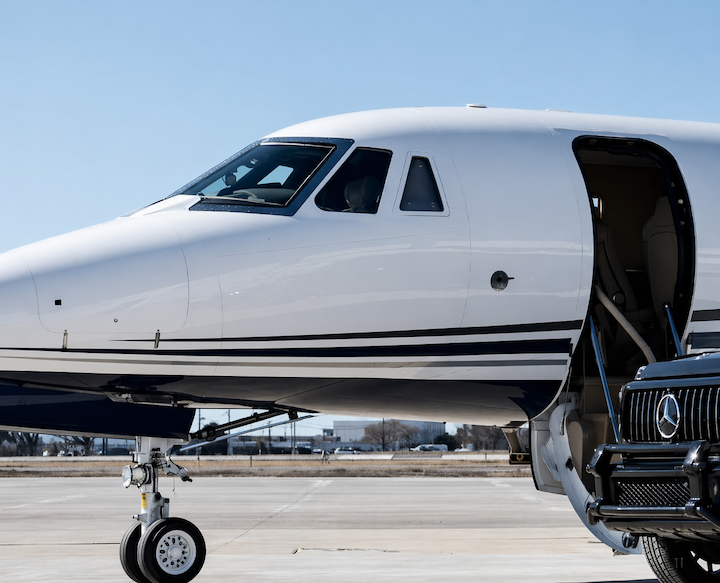
Acquisition costs for pre-owned aircraft are typically 40–60% lower than comparable new models, making them significantly more capital-efficient.
In addition, transaction timelines are considerably shorter, with pre-owned aircraft acquisitions typically completed within 2–3 months, compared to extended delivery timelines for new aircraft.
From a commercial standpoint, pre-owned aircraft offer a more viable business model.
Lower capital outlay reduces financing costs, enabling operators to achieve break-even earlier. Importantly, charter revenues are driven by aircraft type rather than year of manufacture, making newer aircraft less critical from an income perspective.
Regulatory considerations also influence this trend. Many newer aircraft models are not yet type-certified in India, and buyers prefer platforms that already have an established ecosystem, including maintenance support, trained manpower, and operational familiarity.
Finally, aircraft depreciation is steepest in the initial years. Pre-owned aircraft mitigate this early depreciation risk, offering greater stability in asset valuation over time, particularly for operators considering future fleet turnover.
What does a pre-owned aircraft transaction into India typically involve from first conversation to delivery, and where do buyers most often encounter something they had not anticipated?
A pre-owned aircraft acquisition in India typically follows a structured, multi-phase process:
- Understanding Requirements: This phase involves defining the buyer’s needs in terms of aircraft type, age, budget, configuration, and operational requirements. It also includes identifying specific equipment and regulatory compliance needs such as FDR, GAGAN, CPDLC, RVSM, and FANS 1. For new entrants, this phase often involves some education in translating business travel requirements into an optimal aircraft solution.
- Search Phase: This involves identifying suitable aircraft across both on-market and off-market inventory, followed by shortlisting based on alignment with buyer requirements.
- Comparison Phase: Shortlisted aircraft are evaluated on parameters such as year of manufacture, airframe and engine hours, program coverage, equipment and systems, maintenance status, and cabin productivity, including connectivity, seating, and passenger comfort.
- Contract Phase: This includes execution of a Letter of Intent, placement of deposits, negotiation and signing of the Aircraft Purchase Agreement, and conducting a Pre-Purchase Inspection (PPI). This phase is supported by legal and technical teams, including coordination with independent MROs for neutral inspections.
- Ferry Phase: Post-closing, arrangements are made for temporary registration and ferrying the aircraft into India.
While the process itself is well established and largely efficient, challenges typically arise due to misalignment between Indian regulatory and banking timelines and international market dynamics. Delays in securing approvals or placing refundable escrow deposits often result in buyers losing attractive aircraft to faster-moving international purchasers.
Among fixed-wing jets, turboprops, and helicopters, which segment do you believe is most underserved in India relative to actual demand?
The most underserved segment in India is the mid-size jet category (2,000–2,700 nm range), particularly aircraft capable of carrying 6–8 passengers in stand-up cabins for domestic and near-international operations (e.g., Middle East and Southeast Asia).
Availability of such aircraft in the global market remains limited relative to demand.
Demand in India skews toward small to mid-size aircraft in charter, while corporate buyers lean toward larger jets and twin-engine helicopters. Has this profile shifted in the past two years?
There has been a noticeable shift in the charter segment toward mid-size and large-cabin jets, driven by increased demand for longer-range travel and enhanced cabin comfort, including three-zone configurations.
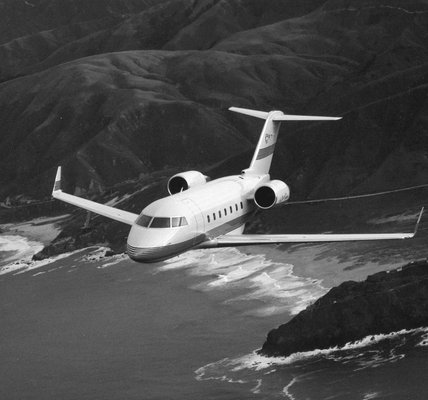
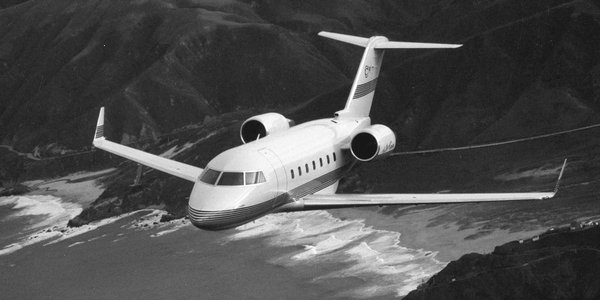
Aircraft such as the Legacy 650 series and Challenger 605/650 are currently in high demand. However, availability in the market remains constrained, which continues to limit transaction volumes.

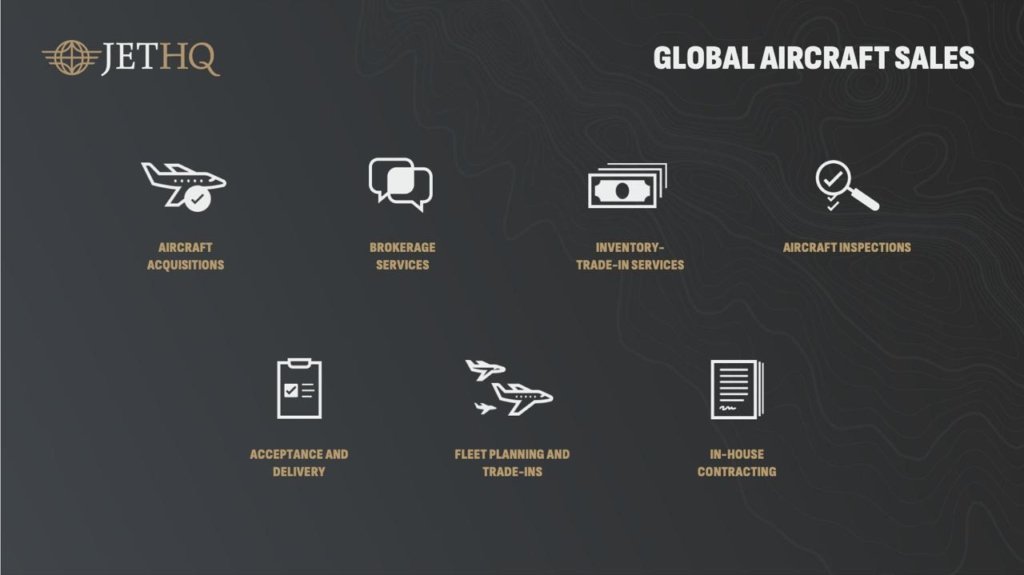
JetHQ operates across brokerage, acquisition, consulting, and technical services with in-house legal and analytics under one roof. How does that change the experience for an Indian buyer compared to working with a standalone broker?
JetHQ’s service model is best described as an extension of the buyer’s acquisition office, offering a fully integrated platform rather than a standalone advisory approach.
Our capabilities include:
- A globally distributed sales team with on-ground presence across key markets
- A market research team tracking both on-market and off-market opportunities
- A sales engineering team providing technical evaluation, valuation, and PPI advisory
- A marketing team supporting aircraft sale and positioning strategies
- A legal and contracts team managing LoIs, APAs, escrow processes, lien checks, and international registry filings
This integrated structure ensures efficiency, consistency, and informed decision-making throughout the transaction lifecycle.
A significant portion of JetHQ’s global inventory never reaches public listings. What does that off-market access mean for an Indian buyer in practical terms?
Off-market aircraft are typically shared with clients who have formally engaged JetHQ for acquisition mandates. Public disclosure of such inventory is generally avoided to maintain seller confidentiality.
For buyers, this translates into early access to high-quality opportunities that may not be available through traditional public channels, thereby providing a competitive advantage in a supply-constrained market.
JetHQ has handled transactions where the engagement covered the entire process: ownership structuring, financing, tax implications, import clearance, and ferrying; as a single end-to-end exercise. Is that level of involvement becoming standard for first-time Indian buyers?
While JetHQ has the capability to support clients across the full transaction lifecycle—from aircraft selection to delivery—certain elements such as taxation, ownership structuring, and regulatory approvals are inherently dependent on the buyer’s corporate structure and operational framework.
To address these areas, we work with trusted local partners in India who specialise in regulatory and compliance matters.
On financing, we facilitate introductions to multiple institutions, enabling buyers to negotiate and structure transactions in alignment with their internal expertise and lender requirements.
The government is examining whether aviation assets should be classified under the infrastructure category. What would that change in practical terms for an operator or buyer in India?
Infrastructure classification would primarily change how aircraft are financed in India, with implications for the cost of capital and access to funding.
- Lower-Cost Financing-Infrastructure classification would enable access to long-tenure, lower-cost funding, recognising aviation assets as long-term economic enablers.
- Potential Priority Sector Lending (PSL) Eligibility-If included within the RBI’s PSL framework, aircraft financing could contribute toward banks’ mandatory lending targets, significantly improving credit availability for eligible operators.
- Broader Lender Participation-Infrastructure status may also enable participation by insurance companies, infrastructure finance companies, and pension funds, thereby expanding the pool of available capital.
Also Read: What Happens in a Business Jet Pre-Purchase Inspection