



Lufthansa Technik Component Services Expands Americas Footprint with New Tulsa Facility

- The new 25,000 sq ft Tulsa facility adds 90 workstations, expanded avionics capability and increased production space under a two-phase expansion plan.
- Expanded capabilities include Integrated Drive Generator (IDG) repair for A320ceo/neo and Boeing 737NG/MAX, alongside broad component support across key aircraft systems.
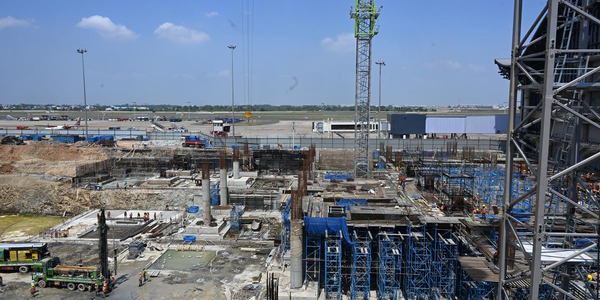
- Plans to more than triple the facility size will increase capacity and position Tulsa as a central location for component MRO support in the Americas.
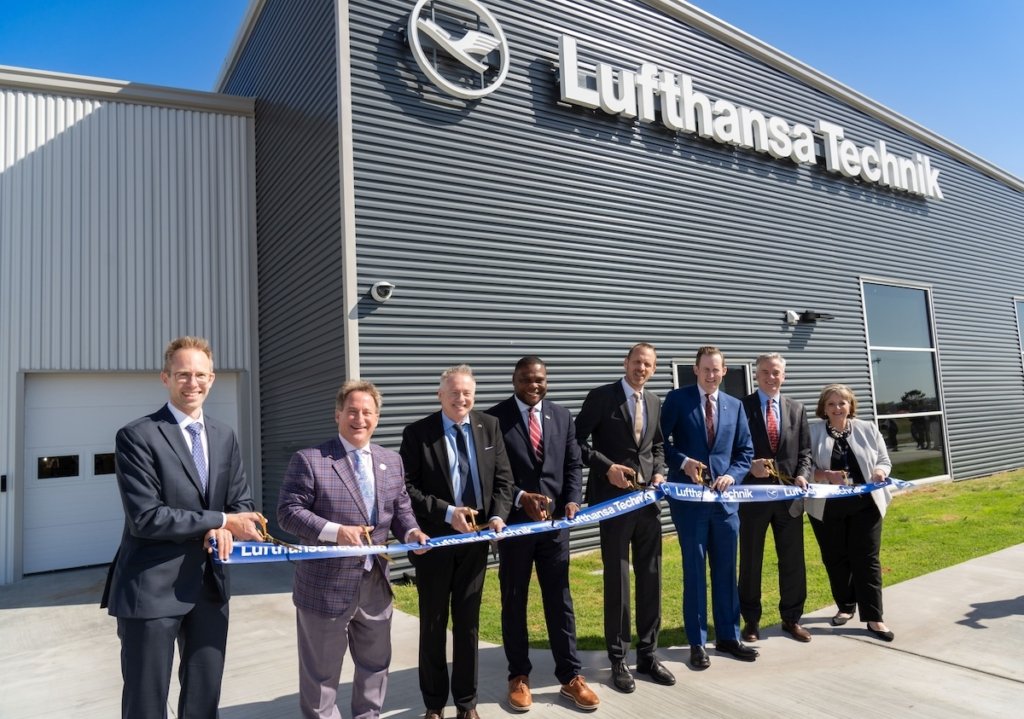
Photo: Lufthansa Technik
Lufthansa Technik Component Services (LTCS) has formally opened a new state-of-the-art facility in Tulsa, Oklahoma, marking the first major milestone in a two-part expansion programme aimed at strengthening its presence across the Americas.
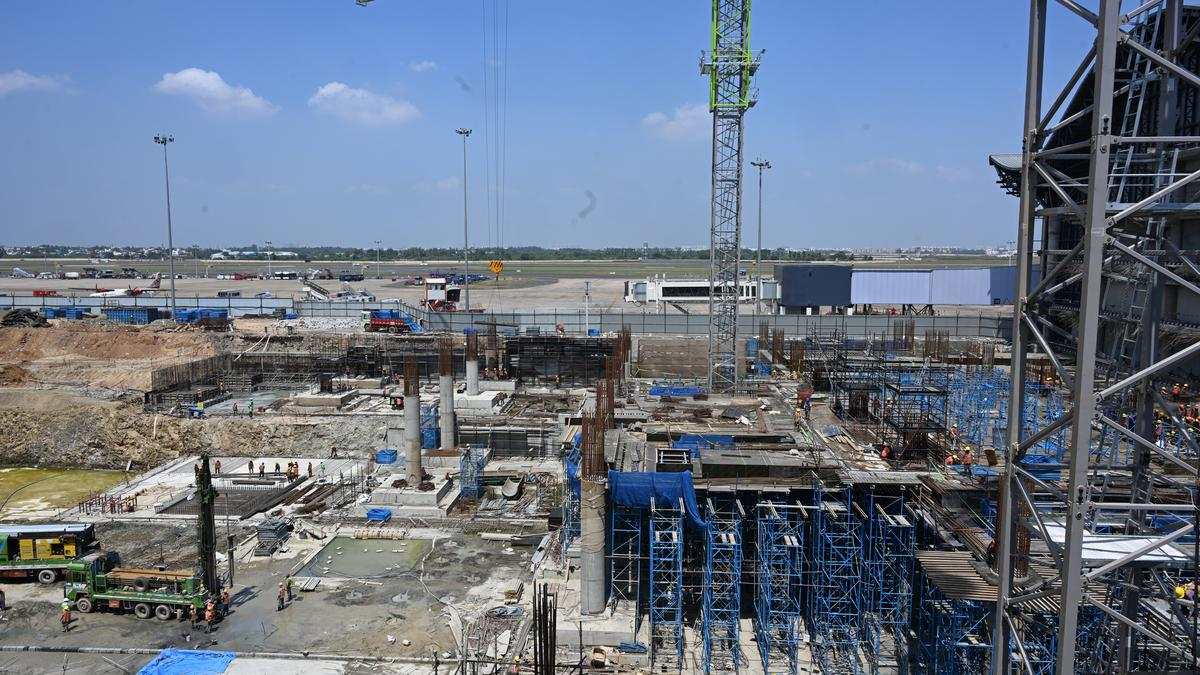
The 25,000 square foot building adds 90 new workstations, along with an upgraded avionics workshop and expanded administrative areas, as the company scales to meet growing demand for component maintenance, repair and overhaul (MRO) services in the region.
The new structure is the third building on the LTCS Tulsa campus. Alongside ongoing renovations in the original two buildings, the development will significantly increase overall production space. Among the expanded capabilities is the repair and overhaul of Integrated Drive Generators (IDGs), supporting platforms including the Airbus A320ceo and A320neo, as well as the Boeing 737NG and 737 MAX.
Operations at Tulsa cover a broad range of component workshops, including avionics, galley equipment, emergency systems, hydraulics, pneumatics and fuel systems. This allows LTCS to provide support across major commercial aircraft types. Customers in the Americas are supported not only through technical capability but also through material management, warehousing and round-the-clock component availability from strategically positioned stock across the region.
The facility is fully integrated into Lufthansa Technik’s global component network, with major hubs in Hamburg and Frankfurt in Germany, and Shenzhen in China. This connectivity positions Tulsa as a key point for component support in the Americas, particularly for operators seeking consistent reliability, deeper technical integration and long-term lifecycle support.
Lufthansa Technik has also set out plans to more than triple the size of the new building as part of the second phase of expansion. This next stage will further increase production capacity while adding capabilities in pneumatics and complex avionics, along with service developments aligned with operator requirements in the region.
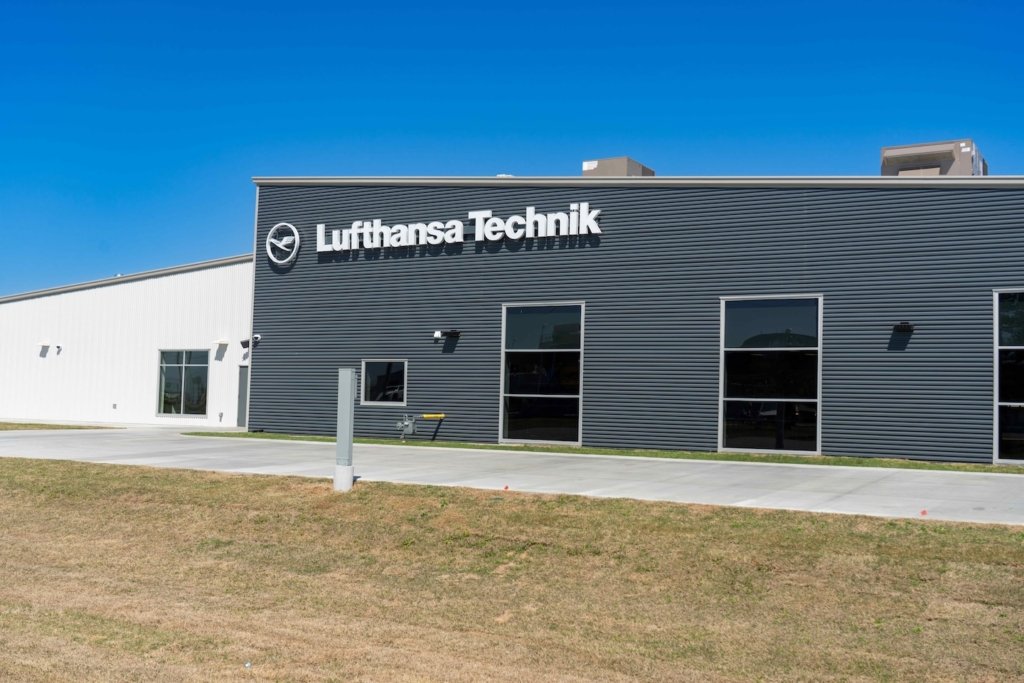
Photo: Lufthansa Technik
Tobias Baumgart, Managing Director of LTCS, described the investment as a step toward strengthening regional presence, highlighting the company’s intent to build capability “in the region for the region” while reinforcing its position as a premium partner and employer in Tulsa.
Harald Gloy, Chief Operating Officer of Lufthansa Technik, pointed to the Americas as a key global MRO market, noting that the expansion builds on the group’s long-standing presence and underlines its focus on delivering technical services closer to customers.
Local stakeholders also addressed the development within the broader aerospace ecosystem. John Budd, CEO of the Oklahoma Department of Commerce, said the facility enhances the state’s position as an MRO hub while bringing advanced capabilities and high-quality jobs. Alexis Higgins, CEO of Tulsa International Airport, said the expansion strengthens the airport’s role in global aviation services and reflects continued growth in partnership with Lufthansa Technik.
LTCS, established in 1999, operates as a wholly owned U.S. subsidiary of Lufthansa Technik, employing more than 730 professionals across eleven locations in North, Central and South America. From its main base at Tulsa International Airport, the company supports approximately 4,500 part numbers, covering avionics, hydraulics, pneumatics, fuel systems and safety equipment.
Also Read: GE Aerospace completes hybrid electric engine ground test milestone