
From Montreal to Mumbai: ZenithJet on Aircraft Transactions and Execution Challenges

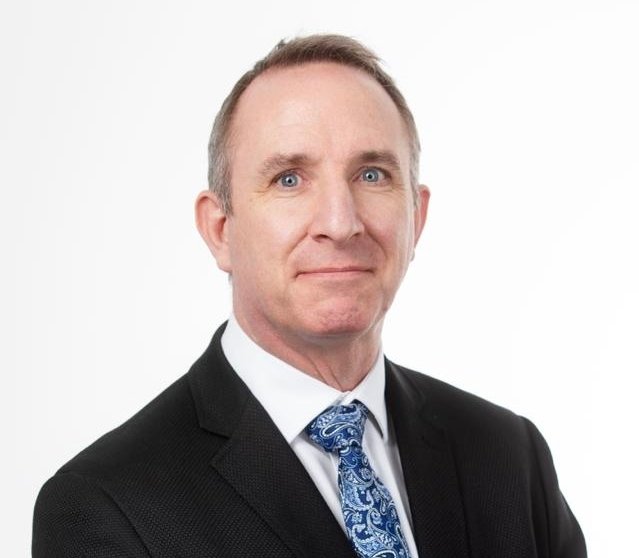
Business aviation projects rarely fail on intent—they stall in execution. From aircraft completions and pre-purchase inspections to maintenance oversight and cross-border acquisitions, the pressure points today lie in timelines, supply chains and technical alignment between stakeholders. As demand for both new and pre-owned aircraft remains steady, owners are increasingly relying on independent expertise to navigate complexity, control costs, and avoid downstream surprises. That role becomes even more relevant in markets like India, where regulatory requirements and infrastructure gaps add further friction. In this conversation, Iain Houseman, President of ZenithJet, explains how independent oversight is becoming central to managing aircraft transactions and the challenges that come with them.
What are the core business lines at ZenithJet today, and which ones are the most important to your growth?
Based on our expertise and location, the core part of our business is new aircraft completions, heavy maintenance, Pre Purchase Inspection (PPI) and delivery oversight, warranty management, engine program management, insurance and warranty claims, damage assessment and rectification (including engines), aircraft airworthiness recovery, records review and supporting clients with operational advice for their aircraft management.
Central to growth will be utilising the above experience to grow our aircraft sales and acquisitions. Utilising our knowledge in the above areas and our previous expertise from aircraft management across a number of international registrations for private, commercial and cargo operations worldwide will ensure clients get expert support for their aviation purchase or sale.
How do you position ZenithJet when working with an aircraft owner? What part of the process do you take control of, and where do you step back?
Our goal is to understand what the owner wants and advise where we can support this. Our main focus is to add expertise and capacity to their team and simplify the communications for the period of the project.
We oversee the project, timeline, and budget, and visit the location to ensure work is progressing to the expected standard and to add capacity to the vendor/MRO or location undertaking the project, and to propose solutions or options to improve costs and timescales.
The aim is to have a smooth and clear communication to meet the goals of the owner and the team undertaking the work requested, which improves relationships, understanding and workflow. Basically we aim to have the project, On track, On time, On budget.
Over 400 projects across 18 years, what has changed most about what clients actually need from technical oversight?
The client requirements have not necessarily changed, but the supply chain, manufacturing, maintenance and overall operating and working environment have significantly changed.
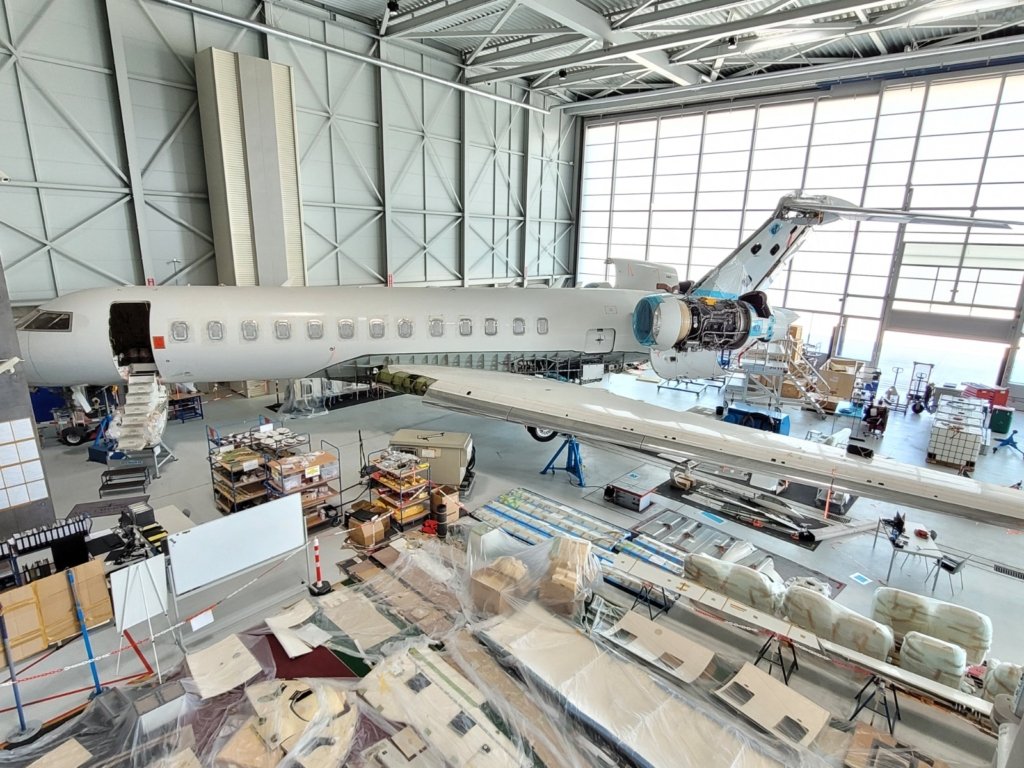
Since the Covid 19 period, there has been significant consolidation across all industries and continuing geopolitical tensions with trade, which continue to disrupt supply chains, affect costs and getting aircraft into service, either new or from maintenance inputs.
Good oversight (Complex project management) is having a clear project plan and working with all the stakeholders to ensure there is a clear understanding of any supply chain issues are, what the impacts are, who to engage to generate options, how to plan ahead to mitigate or manage their impacts and explain this to the client and all involved to maintain the project timelines, costs and objectives.
Having a personal and professional network of relationships to generate solutions and help keep clients up to speed on what is happening is essential. Having the experience and know-how to identify solutions is a challenging project, and working with all the stakeholders to generate a solution is where clients with professional, independent technical support see results.
That being said, an experienced oversight team will always look to save time and money for the owner., as they know what to look for and why, This is a key area where owners can benefit from the experience of Independent technical oversight.
Across completions, inspections and acquisitions, where are you seeing the most consistent demand at the moment?
At the moment, the demand is around New and pre-owned aircraft acquisitions, new aircraft completions, pre-buy and pre-purchase inspections, heavy maintenance inspections and parts acquisitions.
There are challenges across many areas of the industry as a result of the ongoing geopolitical events of the last few years and historic industry challenges: raw materials, demand and availability/capacity to support maintenance, availability of staff, tariffs, etc.
In pre-purchase inspections, what typically becomes the sticking point between buyers and sellers?
Where the purchase agreement and technical acceptance are not comprehensive, a PPI can run into difficulties when corrosion-related findings become apparent. There are other issues relating to limits on items that may affect airworthiness but are currently within airworthiness limits.
The important point is to have informed support for the process that can identify what the risks are, agree on costs and responsibilities, depending on which side of the PPI you are supporting, the buyer or the seller.
How do you handle situations where an aircraft is technically airworthy, but does not meet a buyer’s expectations?
This is a good point; there can be high costs for the buyer and seller with these issues, and our role is to highlight how they can be managed from their perspective. If the seller and the buyer aren’t willing to bear the costs, there isn’t much that can be done.
Generally, when the information is clearly presented and the rationale is clear, both parties can reach an agreement to move forward if it makes financial sense.
How do you define the value of independent oversight alongside OEMs, MROs and operators?
Expert advice should pay for itself; that’s what we aim for. Having past experience working in OEMs, MROs, and aircraft operating businesses, independent oversight is essential to add capacity to your team and provide focused expert attention on projects that can be extensive in cost and duration.
The ability to understand what OEMs, MROs, and aircraft operating businesses focus on and where there is opportunity to improve the client’s options will only come from that experience.
Understanding the wider stakeholders’ objectives and views, having the experience of managing and working with them in these different roles, is a critical element of getting the right oversight support. Independent oversight is just what it says, you have one objective, to get the best result for the client.
Do you see a point at which sustainability advisory becomes embedded in technical decisions, such as aircraft selection, refurbishment, or maintenance strategy, rather than a separate service line?
Sustainability or efficiency has been essential for a long time. The purchase of high-value assets that represent the cutting edge of aviation technology needs planning, which helps get the most effective solution for the buyer. Operating aircraft requires a lot of expert support and networks of people and systems, they are a significant cost and keeping them operational starts when planning their purchase.
Ensuring an aircraft is in the best condition and is operating effectively within the complex regulations, which have differences across different jurisdictions, is all part of sustainability or efficiency
The domestic and international operating of aircraft is very complex across all facets and is very demanding. There are some great technological systems out there that can help with this complexity and workload, but experience and the ability to interpret the changing operating environment to create solutions that avoid risk, costs and disruption are essential to the sustainability and efficiency of operating.
How do you assess the readiness of the Indian ecosystem across MRO, completions, and financing for the next phase of growth in Business Aviation?
The challenge for any emerging market that is experiencing sustained and significant growth has a number of areas of focus.
The government’s approach to aviation and the regulatory body play a significant role in supporting the environment for the development of the strategic industry ecosystem.
The demand, what will this be and how will it be met (e.g., airports, control systems for the management of safe aviation, etc), is based on the demand in a peacetime environment.
Predicting and planning where facilities are needed and locating the construction of Maintenance facilities and other support infrastructure will be needed, e.g, fuel supplies, FBOs, and other support services will be essential.
One fundamental challenge will be to recruit and train sufficient personnel to support all of the above.
There is a global shortage in almost every area of technical staffing, and training is only the start. A safe and developing industry needs personnel with experience and knowledge; this takes far longer to deliver than building infrastructure, and the big difference between the infrastructure and the personnel (which are both in demand) is that the personnel can move to better opportunities.
Getting this right will be complicated, but the regulatory body is supportive and open to the changes needed to facilitate growth, which was evident at the recent Corporate Jet Investor event. The opportunity to support joint ventures with leading industry OEMs and service providers is something that will make a big difference to the stable and safe growth of the systems that support business and wider aviation.
As more first-time aircraft owners enter the Indian market, how important is independent technical representation becoming during acquisition and delivery?
Each market is different, as is every first-time aircraft owner. Getting the right advice will determine the experience the owner has and the costs of that experience. It’s certainly the most important part of being an aircraft Owner: starting out with the right vehicle to achieve the objective is critical, as everything from there flows from this decision.
Expert advice will pay for itself, and independent technical representation based on a background of experience across all the areas of aviation is critical. The importance of the decisions made well before any purchase is sometimes the most challenging, but ultimately, they prepare the way to meet the expectations for the use of the aircraft.
In India, aircraft acquisition and delivery still involve multiple jurisdictions, regulatory layers and limited local infrastructure. Where do you see the biggest friction points for owners today?
For new aircraft purchases, these are less complex than pre-owned aircraft. Introduction of aircraft takes time and is always concerning for the owners.
New aircraft are straight from the OEM, and there is support for this without the need for PPI, as they are new deliveries. New deliveries have significant lead times, so there is time to work through any changes in legislation/regulation/taxation, etc that may affect the introduction of the aircraft.
The challenge here is that new types in operation can have delays for parts and personnel to fit them, especially if the aircraft is AOG. Maintenance locations will need to be part of the considerations when deciding which aircraft fits the client’s mission profile. Recurrent crew training may require travel to distant locations, which are expensive, especially for new aircraft types.
Pre-owned aircraft are more challenging for the Indian market, depending on their configuration, age, location, and the documentation and approvals for any modifications they may have undergone.
The challenges of bringing pre-owned aircraft into any different market vary, but for an emerging market with developing aviation infrastructure, they can be more challenging, e.g., is it an accepted type by the regulator, once in the country, is there maintenance support, crew availability, crew training capabilities, airport capability to accept the aircraft, etc
In both cases, staff retention in a growing market with high demand for services may be a point that is relevant to both new and pre-owned aircraft.
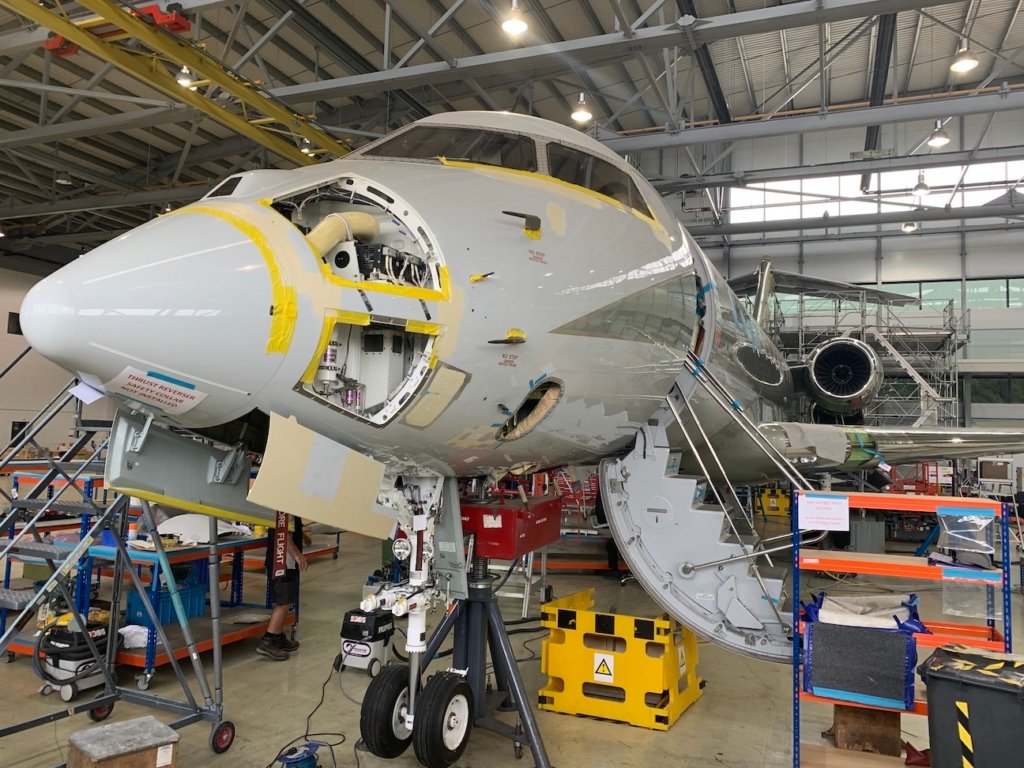
Heavy Maintenance is going to be a continuing concern if the capacity in the middle east is off line for a longer period of time.
The pace of international tax and trade regulations changes may become an issue, especially for resale but this is more challenging to foresee.
It all links back to the previous questions; getting the right advice from an experienced advisor who will help avoid some of the numerous challenges and having a well-structured purchase agreement and the technical acceptance checklist.
How do regulatory differences across jurisdictions, DGCA in India, FAA, and EASA, complicate technical oversight work for cross-border acquisitions?
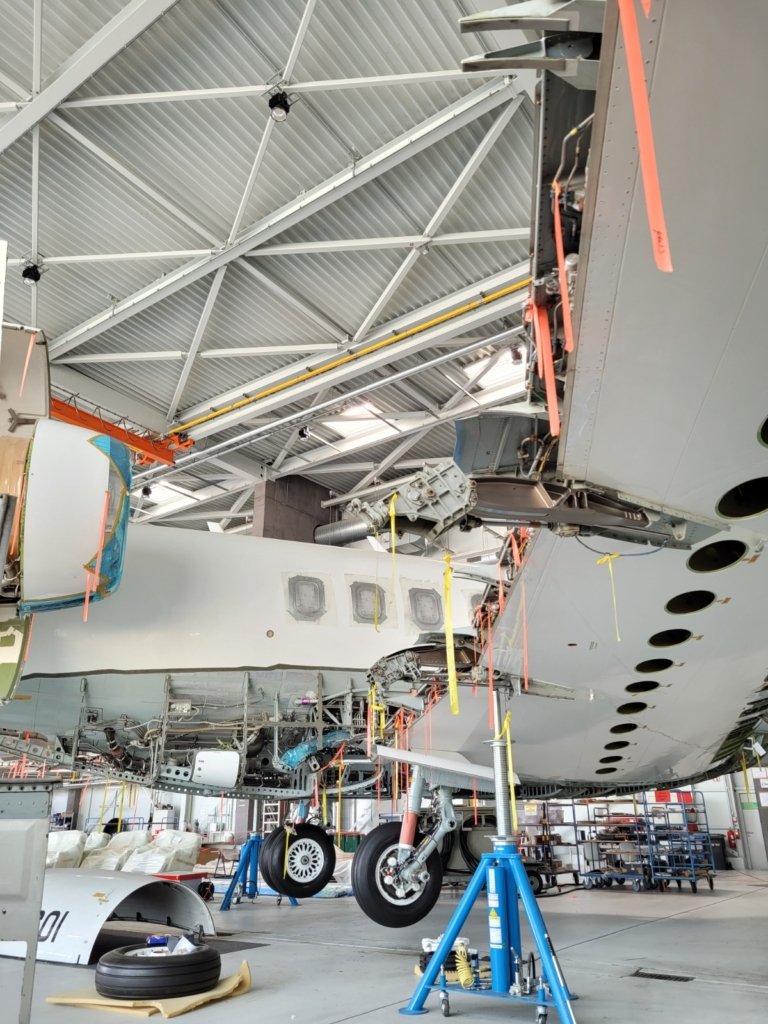
For the oversight of these projects, be they completions, deliveries, heavy maintenance on aircraft or engines, refurbishments, etc., the difference is about working with the OEM/MRO as they hold the certification for completing the work.
The technical oversight work is about making sure the OEM/MRO has covered all the areas for compliance and that the documentation and approvals are all applied for, and or are in place. Making sure these time-critical activities are accommodated with the project plan and the right legal or regulatory support is in place in the required timeframes is critical.
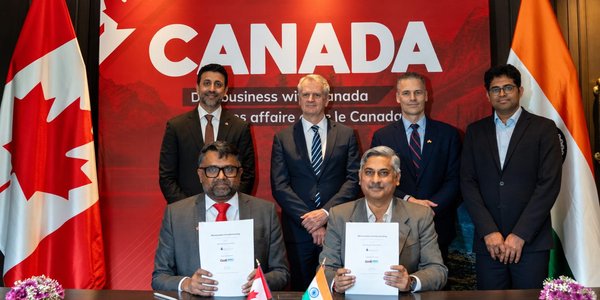
How did the partnership with AeroSource come together, and what gap were you looking to address in the Indian market?
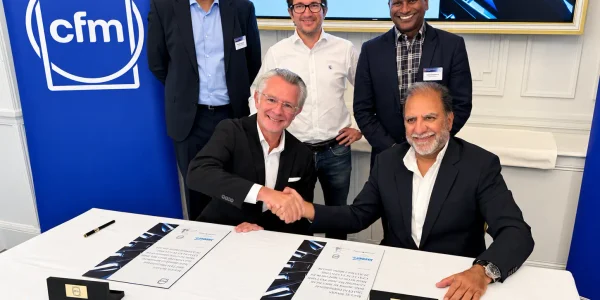
We had known and worked with the Aerosource on a number of projects to support clients. As we have an onsite presence in Montreal next to Bombardier and near Bell helicopters we can be there immediately and with no delay and expensive costs for travel and accommodate to support clients.
Our experiences and access to the US, European, African and Middle East markets also support options for identifying aircraft acquisitions and being on site for PPIs and other works.
Aerosource are a big presence in India, and as it’s a developing market where we have clients, having experts who know the marketplace makes a difference. It made sense to work together, especially as the marketplace is a global one and we have different skills and capacities to offer.
Within this partnership, how are responsibilities split between transaction support and technical oversight?
We are still in the process of developing our working arrangements and how they work across different projects, but are looking forward to providing services that meet the client’s requirements wherever their aviation project may be.
Also Read: IndiGo, Digi Yatra, BIAL Complete Contactless International Travel Trials at Bengaluru