












Aviation News: Airlines Welcome Rs 10,000 Crore Government Support Amid Rising Jet Fuel Costs

Aviation News
Major airlines across India have welcomed the Central Government’s decision to introduce a Rs 10,000 crore Aviation Turbine Fuel (ATF) price stabilisation support fund. The move comes at a crucial time when airlines are facing a sharp increase in fuel prices due to the ongoing conflict in West Asia.
According to reports, the government approved the special support package to help the aviation sector manage the rising cost of fuel, which is one of the biggest expenses for airlines. Industry experts believe that this decision will provide much-needed relief and help airlines maintain stable operations during a difficult period.
Union Minister Ashwini Vaishnaw said that ATF prices have increased almost 2.5 times in just a few months. In March 2026, the price of aviation fuel was around Rs 60.5 per litre. By May 2026, it had climbed to nearly Rs 142 per litre because of the continuing tensions and instability in the Middle East region.
The sudden rise in fuel prices has put heavy financial pressure on airlines. Aviation fuel usually accounts for nearly 35 to 45 percent of an airline’s operating costs. When fuel becomes expensive, airlines often have to increase ticket prices, reduce flights, or absorb the losses themselves.
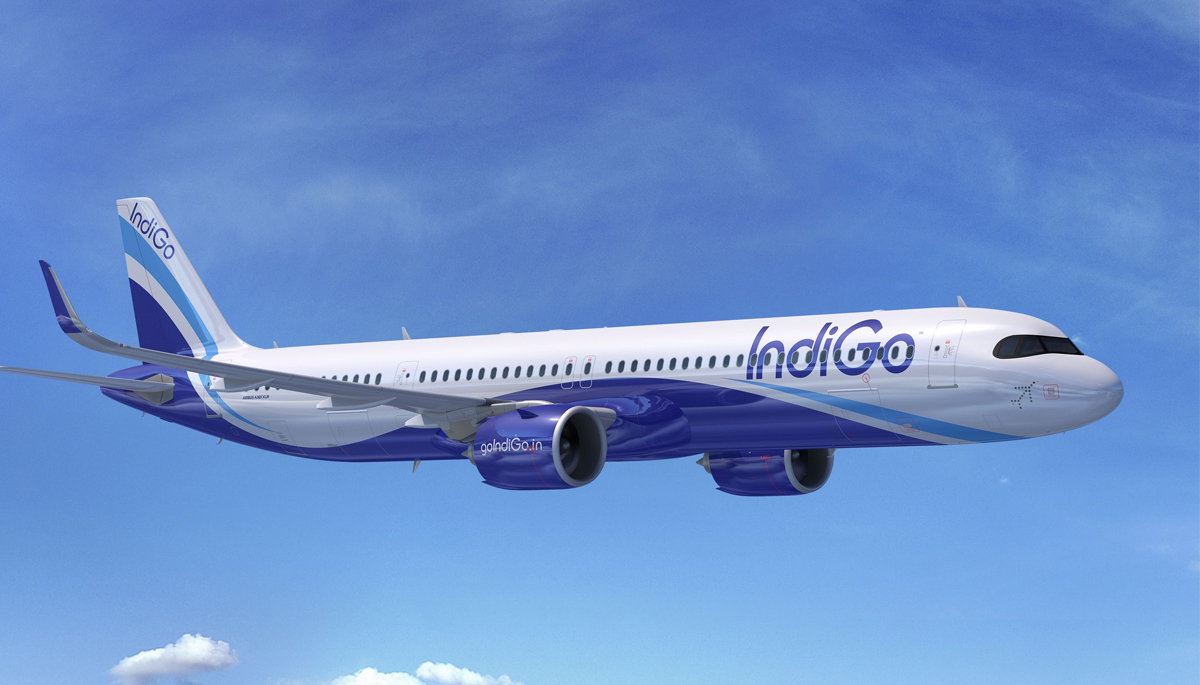
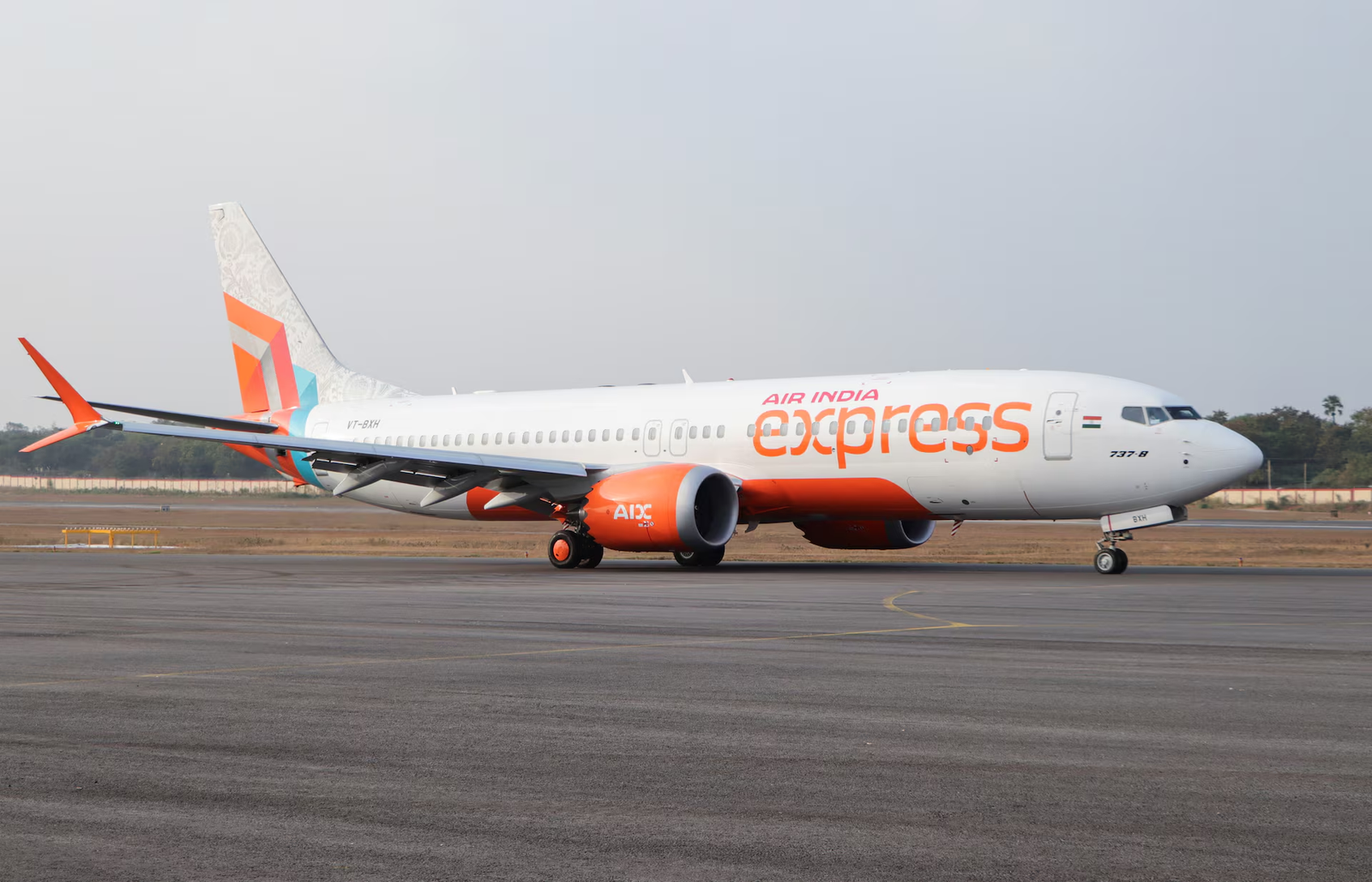
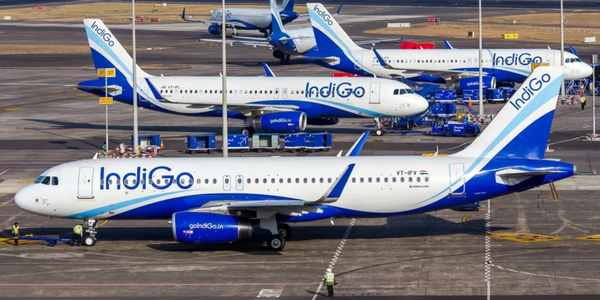
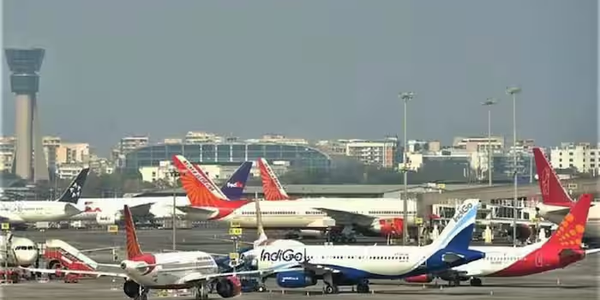
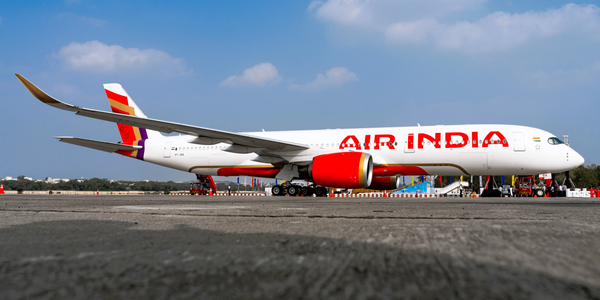
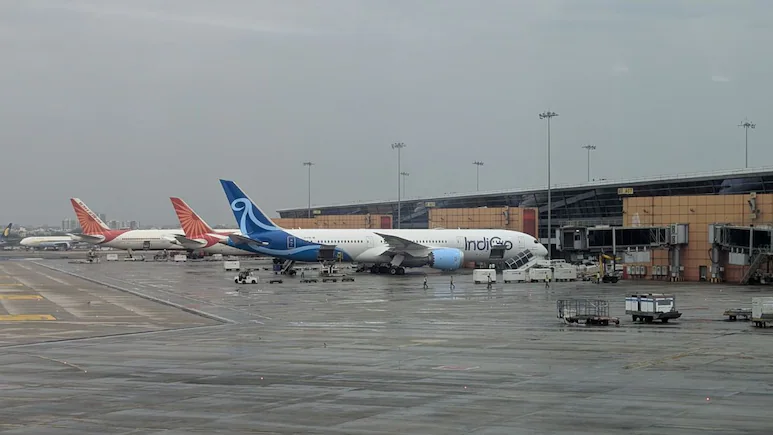
Several leading Indian airlines, including Air India, IndiGo, SpiceJet, and Akasa Air, have appreciated the government’s timely intervention. Airline officials have described the stabilisation fund as an important step that will help the aviation industry continue its recovery after several years of global challenges.
The government has reportedly created the Rs 10,000 crore fund to compensate oil companies for the difference in ATF prices. This support mechanism is expected to reduce the burden on airlines and prevent sudden spikes in operational costs.
Industry experts say that stable fuel prices can also benefit passengers. If airlines are able to manage their fuel expenses more effectively, they may avoid making large increases in airfares. This can encourage more people to travel and support the growth of tourism and business activities across the country.
The aviation sector has experienced several challenges over the past few years, including the COVID-19 pandemic, global supply chain disruptions, and geopolitical tensions. Rising fuel costs have added another layer of difficulty for airlines trying to maintain profitability while offering affordable services.
The government’s decision reflects its commitment to supporting the aviation industry, which plays an important role in India’s economic development. Air travel connects cities, supports trade and tourism, and creates thousands of jobs across multiple sectors.
Experts also believe that the ATF stabilisation support could improve investor confidence in the aviation market. Financial stability allows airlines to continue expanding routes, upgrading fleets, and improving passenger services.
However, aviation analysts point out that this support may only provide temporary relief if global fuel prices continue to remain high. Long-term solutions may include improving fuel efficiency, adopting newer aircraft technologies, and exploring sustainable aviation fuels.
For now, the announcement has brought optimism to the airline industry. Carriers hope that the stabilisation fund will help them manage rising costs while continuing to provide reliable and affordable air travel services to millions of passengers across India.
As the situation in West Asia continues to evolve, airlines and government authorities are expected to closely monitor fuel prices and take additional steps if necessary to protect the aviation sector and ensure smooth flight operations.

Ajeet Yadav is an aviation enthusiast covering airline news, airports, aircraft, and industry developments through well-researched and reliable reporting.