











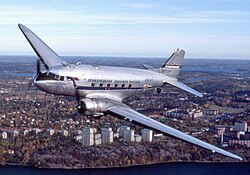
Pennsylvania Central Airlines Trip 19 Crash 31 August 1940
The Pennsylvania Central Airlines Trip 19 crash was a tragic aviation accident that occurred on 31 August 1940 in the United States. The flight was operated by Pennsylvania Central Airlines (PCA), an important American airline that served several cities in the eastern United States.
The accident happened during an important period in aviation history. Commercial air travel was expanding rapidly, but aircraft navigation, weather information, and safety technology were still developing. The Second World War had also begun in Europe, creating a period of major change in aviation around the world.
Trip 19 was being operated as a regular passenger service when the aircraft encountered trouble and crashed. The accident resulted in fatalities and became part of the history of Pennsylvania Central Airlines and early American commercial aviation.
Pennsylvania Central Airlines
Pennsylvania Central Airlines was an American airline that operated passenger and mail services in the eastern United States.
The company was based in the Mid-Atlantic region and connected important cities.
During the 1930s and early 1940s, airlines were becoming an increasingly important part of American transportation.
Passengers could travel much faster by air than by train.
Airlines also carried important mail and business documents.
PCA was one of the companies helping to build this growing aviation network.
The Aircraft
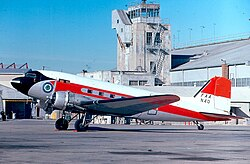
The aircraft used by Pennsylvania Central Airlines was a Douglas DC-3.
The DC-3 was one of the most important passenger aircraft in aviation history.
It had two engines and an all-metal structure.
It was faster, more comfortable, and more efficient than many earlier passenger aircraft.
The DC-3 could carry a useful number of passengers over relatively long distances.
Its success helped make commercial air travel economically practical.
Commercial Aviation in 1940
The year 1940 was an important period for aviation.
Airlines in the United States were expanding their networks.
Airports were improving.
Navigation aids were becoming more common.
Aircraft were becoming safer.
However, flying was still significantly more dangerous than it is today.
There were no satellite navigation systems.
There were no modern weather radar systems available to airline crews.
There were no flight-data recorders.
Pilots depended heavily on their instruments, radio navigation, maps, and experience.
Trip 19
Pennsylvania Central Airlines Trip 19 was a scheduled passenger flight.
The aircraft was carrying passengers and crew.
The flight was expected to be a normal commercial journey.
Passengers had boarded the aircraft and taken their seats.
The crew prepared for departure.
The aircraft then began its flight.
Unfortunately, the trip ended in a fatal crash.
The Accident
On 31 August 1940, Pennsylvania Central Airlines Trip 19 crashed during its operation.
The aircraft was destroyed in the accident.
People aboard the aircraft were killed.
The crash caused shock among the airline, the families of the victims, and the wider aviation community.
Authorities began an investigation to determine why the aircraft had crashed.
The Investigation
Accident investigation in 1940 was much more limited than it is today.
Investigators had to work with the evidence available at the crash site.
They examined:
- Aircraft wreckage
- Engine condition
- Flight instruments
- Weather reports
- Pilot experience
- Navigation information
- Witness statements
- Airline records
There were no digital flight records.
There was no cockpit voice recorder.
Investigators therefore had to reconstruct the final part of the flight from physical and documentary evidence.
Weather Conditions
Weather was an important concern in early commercial aviation.
Aircraft could encounter:
- Clouds
- Rain
- Fog
- Strong winds
- Turbulence
- Poor visibility
Weather forecasting was improving but was not as detailed as it is today.
Pilots often received weather information before departure.
However, conditions could change during the flight.
A pilot flying into poor visibility had to rely on instruments and navigation equipment.
Navigation Challenges
Navigation technology was developing rapidly in the early 1940s.
Pilots could use radio navigation systems to help determine their position.
They also used magnetic compasses and charts.
Dead reckoning remained an important method.
A pilot could estimate position based on heading, speed, time, and wind.
But errors could build up.
A small error in heading could eventually place an aircraft several miles away from its intended route.
Instrument Flying
Instrument flying was becoming an important skill.
A pilot could not always rely on looking outside the aircraft.
When an aircraft entered clouds, the pilot had to use instruments.
Important instruments included:
- Altimeter
- Airspeed indicator
- Compass
- Artificial horizon
- Vertical speed indicator
The artificial horizon was particularly important because it helped pilots understand the aircraft’s attitude when the outside horizon could not be seen.
Human Factors
Pilots in the early airline industry had significant responsibilities.
They had to control the aircraft, monitor the engines, communicate by radio, navigate, and watch weather conditions.
There was much less automation than today.
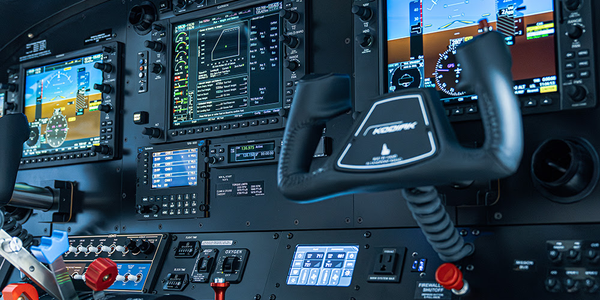
Modern pilots have computers and sophisticated navigation displays.
In 1940, much more of the work had to be performed manually.
This could increase workload, particularly in difficult weather.
Airline Safety
Airlines took safety seriously even during this early period.
Aircraft underwent regular inspections.
Pilots were trained in navigation and instrument flying.
Maintenance crews checked engines and aircraft structures.
Airlines also developed operating procedures.
However, aviation technology was still developing.
A safety system that seems basic today might not yet have existed.
The DC-3’s Importance
The Douglas DC-3 was one of the strongest symbols of the development of commercial aviation.
It was introduced during the 1930s and quickly became popular.
The aircraft was used by many airlines.
Its reliability helped increase public confidence in air travel.
Thousands of DC-3 aircraft were eventually built in various versions.
The aircraft also became extremely important during the Second World War.
The Human Cost
The most important part of the Trip 19 crash was the loss of human life.
Passengers were ordinary people traveling for different reasons.
Some could have been traveling for business.
Others may have been visiting family or traveling between cities.
The crew members were trained aviation professionals.
Their families expected them to return home.
The accident suddenly changed many lives.
Effect on Pennsylvania Central Airlines
The crash was a serious event for Pennsylvania Central Airlines.
Airline accidents could damage public confidence.
Passengers needed to believe that commercial aviation was safe.
Following a fatal accident, airlines normally reviewed their operations.
Investigators also examined whether the accident revealed problems that could be corrected.
Federal Aviation Oversight
The United States was developing a stronger system of aviation regulation.
The Civil Aeronautics Authority had been established in 1938.
It played an important role in regulating civil aviation.
The federal government was becoming increasingly involved in:
- Pilot certification
- Aircraft standards
- Airline operations
- Air traffic control
- Accident investigation
This helped establish the foundations of modern aviation regulation.
Air Traffic Control
Air traffic control was developing rapidly during this period.
Controllers helped aircraft maintain safe separation.
They also provided information to pilots.
However, the technology was much more basic than modern systems.
Controllers did not have today’s nationwide radar coverage.
Aircraft position information could be limited.
The Importance of Radio
Radio was one of the most important technologies in aviation.
It allowed pilots to communicate with ground stations.
Pilots could receive weather information.
They could report their position.
They could request assistance.
Radio navigation stations also helped pilots maintain their routes.
But radio communication could be affected by distance, equipment problems, and atmospheric conditions.
Safety Equipment
Aircraft in 1940 carried emergency equipment, but it was less advanced than modern equipment.
Passengers could have access to:
- Seat belts
- Emergency exits
- Life-saving equipment where required
- Basic first-aid supplies
Modern aircraft have much more sophisticated emergency systems.
They also have highly standardized safety procedures.
Flight Recorders Did Not Exist
One of the greatest difficulties faced by investigators was the absence of flight recorders.
Today, accident investigators can study:
- Altitude
- Airspeed
- Engine performance
- Heading
- Aircraft position
- Pilot communications
In 1940, investigators had none of this detailed digital information.
They had to rely on physical evidence and human testimony.
Accident Investigation as a Learning Process
Every serious aviation accident can provide lessons.
Investigators ask several basic questions:
What happened?
Why did it happen?
What factors contributed to it?
How can a similar accident be prevented?
This approach became increasingly important as commercial aviation developed.
The Role of Pilot Experience
Pilot experience was extremely important during this period.
Pilots needed to understand aircraft handling.
They also needed to recognize changing weather conditions.
Instrument flying required special training.
Navigation required careful calculation.
The captain had to make important decisions without the support of modern computerized systems.
Aviation and World War II
The Trip 19 crash occurred one year after the beginning of the Second World War.
Although the United States was not yet directly involved in the European war, American aviation was changing.
Aircraft production was increasing.
Military aviation was expanding.
Airports were being improved.
New aircraft designs were being developed.
The DC-3 would soon become an important military transport aircraft.
Development of Better Navigation
During the 1940s, navigation technology improved significantly.
Radio systems became more advanced.
Radar technology developed rapidly.
Long-range navigation improved.
These developments eventually influenced commercial aviation.
After the war, airlines benefited from the technology developed during the conflict.
Importance of Weather Information
The aviation industry also improved weather forecasting.
More weather stations collected information.
Pilots received more detailed reports.
Forecasting techniques improved.
Eventually, weather radar and satellite observation would revolutionize aviation weather services.
These improvements reduced the risk associated with severe weather.
The Transition to Modern Aviation
The Trip 19 accident occurred during a transitional period.
Aircraft were becoming increasingly reliable.
Airlines were becoming more professional.
Navigation was improving.
Regulation was becoming stronger.
But modern aviation safety had not yet been fully developed.
The next several decades would bring enormous improvements.
Lessons for Future Aviation
Historical accidents demonstrate why aviation safety requires several layers of protection.
A safe flight depends on:
- Good aircraft design
- Proper maintenance
- Skilled pilots
- Accurate navigation
- Reliable weather information
- Clear communication
- Strong regulations
- Effective emergency procedures
If one system fails, another should help protect the aircraft.
Modern aviation has developed this layered approach partly through lessons learned from earlier accidents.
Changes in Pilot Training
Pilot training became more structured over time.
Pilots learned more about instrument flying.
They received better navigation training.
They practiced emergency procedures.
They also learned how to deal with changing weather.
These improvements helped reduce accidents.
The Legacy of the DC-3
The Douglas DC-3 became one of the most successful aircraft in aviation history.
It served airlines around the world.
During the war, military versions carried troops and supplies.
After the war, many DC-3 aircraft returned to civilian service.
The aircraft’s long service life demonstrates the strength of its basic design.
Remembering the Victims
Historical aviation accidents should never be viewed only as technical events.
Behind every passenger number was a human being.
The victims of Trip 19 had families, friends, careers, and personal stories.
The crash affected communities far beyond the aircraft itself.
Remembering them gives the historical event its human meaning.
Why Trip 19 Is Important
The Pennsylvania Central Airlines Trip 19 crash is part of the story of American commercial aviation.
It occurred when air travel was changing rapidly.
Airlines were expanding.
Modern aircraft were entering service.
Government regulation was increasing.
Navigation technology was improving.
At the same time, aviation still faced serious risks.
Conclusion
The Pennsylvania Central Airlines Trip 19 crash of 31 August 1940 belongs to an important period in the development of American commercial aviation.
Pennsylvania Central Airlines was part of a growing airline industry that was connecting cities across the United States. Aircraft such as the Douglas DC-3 had made air travel faster, more comfortable, and more practical than ever before.
However, the technology of the period was still limited compared with today’s aviation systems.
Pilots did not have GPS, satellite communication, modern weather radar, digital navigation displays, or flight-data recorders. They depended heavily on radio navigation, maps, instruments, and personal experience.
Weather and navigation were particularly important challenges. Flying through poor visibility required excellent instrument skills, while changing weather could make an otherwise routine flight difficult.
After the accident, investigators examined the aircraft and available information to determine what had gone wrong. Without modern flight recorders, reconstructing an accident was difficult. Investigators had to use wreckage, witness reports, weather information, and airline records.
The accident also occurred during a major historical transition. The Second World War had begun in Europe, and aviation technology was about to advance rapidly. Radar, communications, navigation, and aircraft engineering would all improve during the 1940s.
These advances would eventually benefit civilian aviation.
The history of Trip 19 therefore helps us understand how modern airline safety developed. Today’s passengers benefit from decades of lessons learned through accidents, engineering research, better training, stronger regulation, and improved technology.
Modern aircraft are supported by multiple safety systems. Pilots have highly accurate navigation equipment. Air traffic controllers can monitor aircraft more effectively. Weather information is much more detailed. Flight recorders provide investigators with extensive information after accidents.
The Pennsylvania Central Airlines Trip 19 crash should therefore be remembered as part of the difficult journey toward safer commercial aviation.
The passengers and crew who lost their lives were part of an era when flying was becoming an ordinary form of transportation but still carried significant risks. Their story reminds us that modern aviation safety was not created overnight. It developed through many years of experience, investigation, technological progress, and the painful lessons of past accidents.
The legacy of these early aviation events can be seen every time a modern passenger aircraft takes safely to the sky.

Ajeet Yadav is an aviation enthusiast covering airline news, airports, aircraft, and industry developments through well-researched and reliable reporting.