





Key Takeaways
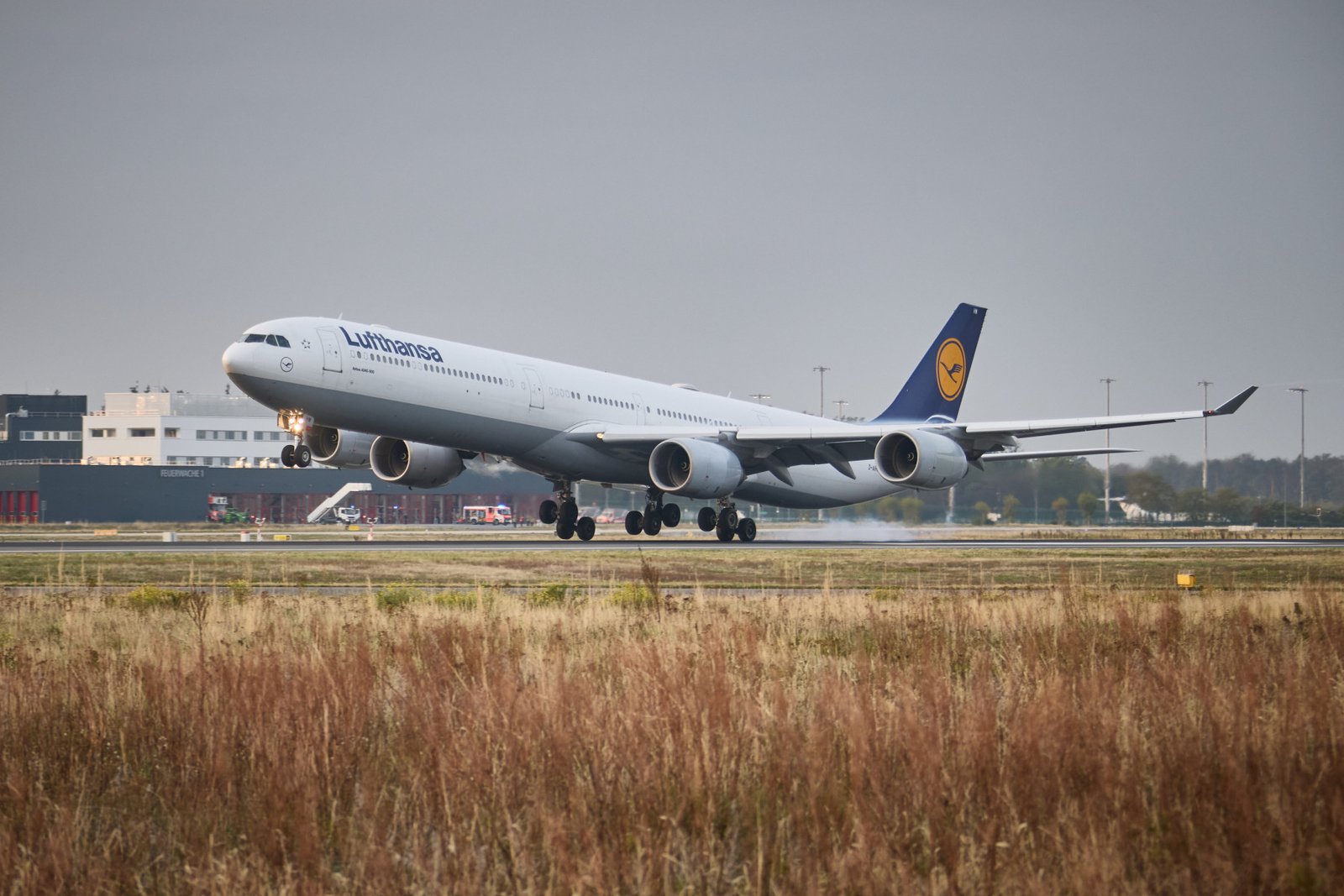
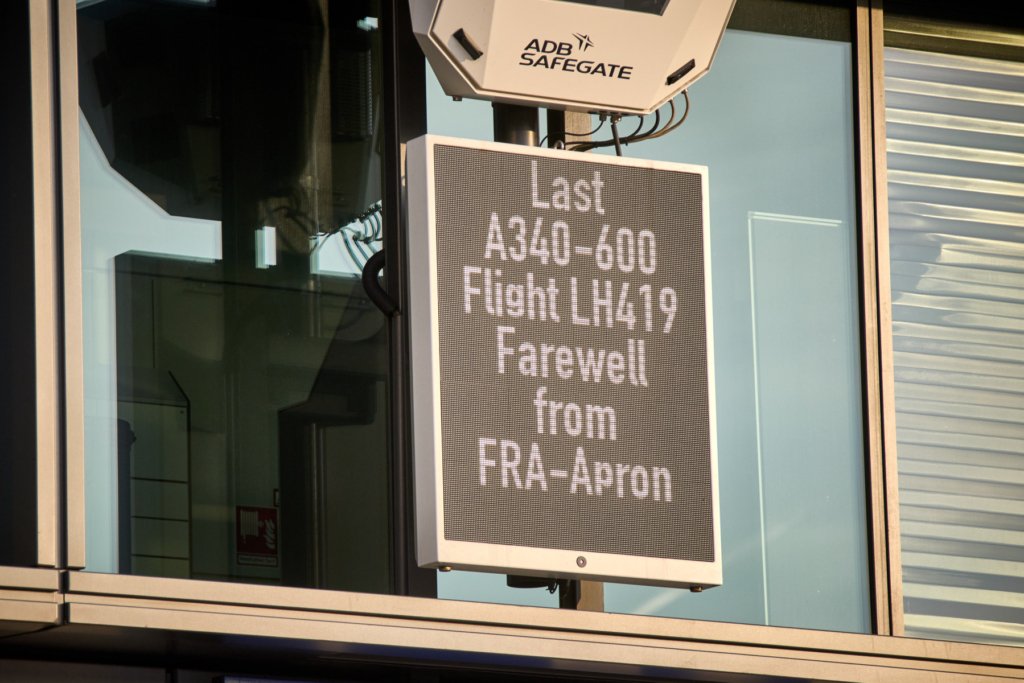
- On October 19, Lufthansa completed its last Airbus A340-600 flight, marking the end of 23 years of operation.
- Flight LH419 carried 267 passengers and 15 crew members from Washington, D.C. to Frankfurt Airport.
- The A340-600 was known for its long-haul capabilities and has been a significant part of Lufthansa’s fleet.
- While Lufthansa retires the A340-600, it still flies with other airlines like Mahan Air and Conviasa.
- Lufthansa plans to modernise its fleet with newer models for better fuel efficiency and passenger comfort.
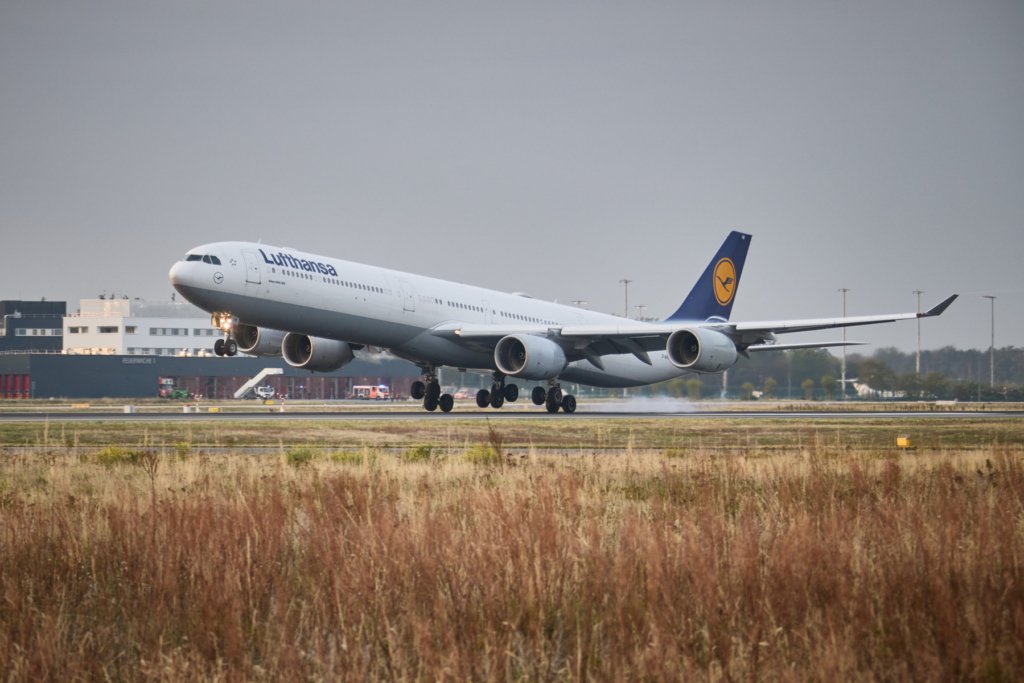
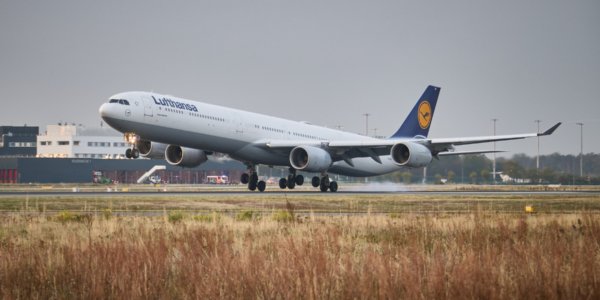
On October 19, Lufthansa brought the curtain down on 23 years of Airbus A340-600 operations, with flight LH419 from Washington, D.C., making its final scheduled commercial journey before landing at Frankfurt Airport.
The aircraft, registered D-AIHW, touched down after eight hours and five minutes, carrying 267 passengers and 15 crew members, marking the end of an important chapter in the German carrier’s long-haul operations.
While Lufthansa says goodbye to the four-engine widebody, the A340-600 continues to fly with Iran’s Mahan Air, which operates six of them, and Venezuela’s Conviasa with one.
Emirates, one of the aircraft’s major customers, also operated the A340-600 during its long-haul expansion, but retired the aircraft in 2016.
The departure of Lufthansa’s final aircraft therefore marks the end of the type’s service with one of its most prominent European operators.
The final Lufthansa flight attracted aviation enthusiasts, aircraft spotters and influencers in Frankfurt. Some passengers had booked tickets specifically to experience the aircraft’s last scheduled commercial service with the airline.
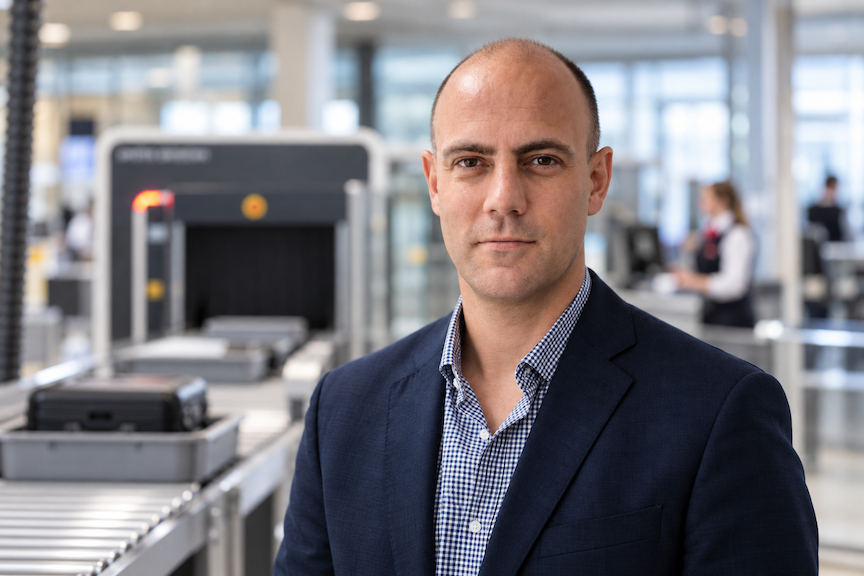
The flight was commanded by Francesco Sciortino, a Lufthansa Airlines board member and Hub Manager Frankfurt, who had flown the A340-600 for many years.
“We will never forget this last flight with the A340-600,” Sciortino said, expressing gratitude that the aircraft had carried more than 40 million passengers across the globe over 23 years.
He also highlighted the airline’s plans for its largest fleet modernisation programme, with newer aircraft promising lower noise levels, improved fuel efficiency and greater passenger comfort.
A long-haul workhorse
Lufthansa received its first Airbus A340-600, registered D-AIHB and later christened ‘Bremerhaven’ named after the port city, on 25 November 2003. At 75.3 metres, the aircraft was the world’s longest passenger airliner when it entered service. Buenos Aires and Santiago de Chile were among its first destinations in the Lufthansa network.
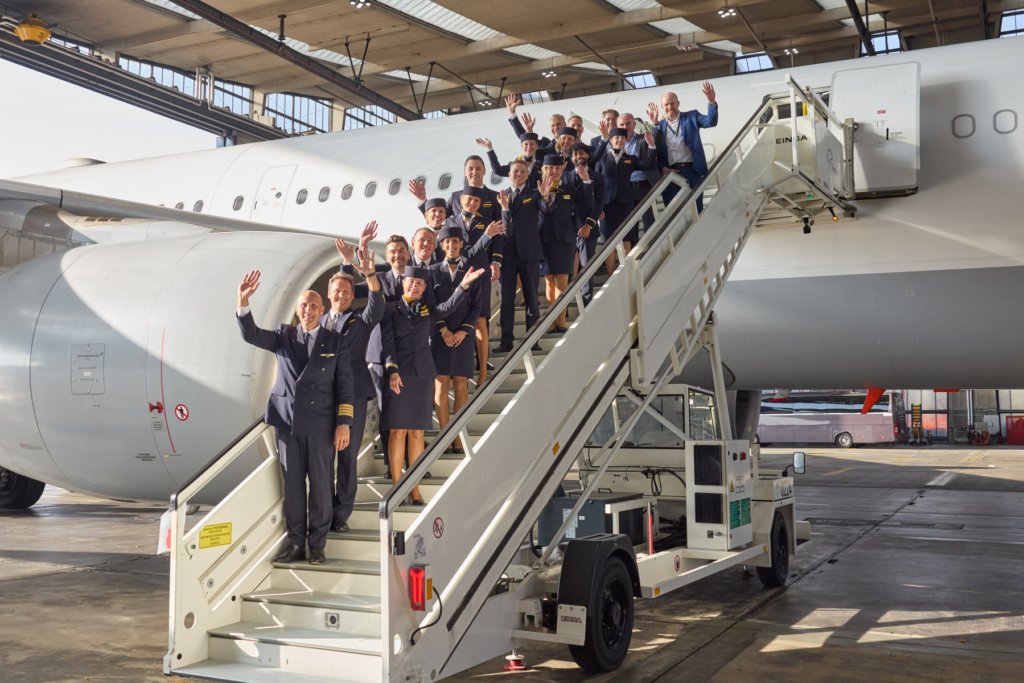
Over the next two decades, the A340-600 became a familiar presence on the airline’s long-haul routes.
Beyond commercial operations, it supported climate research through the CARIBIC (acronym for ‘Civil Aircraft for the Regular Investigation of the Atmosphere Based on an Instrument Container’) project.
The airline operated a total of 24 aircraft of the type during its tenure. The retirement is part of Lufthansa’s broader plan to streamline and modernise its long-haul fleet.
The A340-600 was designed for long-haul operations, combining a spacious cabin with an intercontinental range of approximately 13,900 km, depending on configuration.
Powered by four Rolls-Royce Trent 500 engines, the aircraft could cruise at around Mach 0.82 and accommodate roughly 300–380 passengers, depending on the airline’s cabin layout. Its four-engine configuration enabled long-distance operations over oceanic routes, while its advanced flight controls, glass cockpit and long-range systems reflected Airbus’s approach to widebody aircraft design in the early 2000s.
A key milestone came on 23 April 2001, when the A340-600 completed its maiden flight from Toulouse, France, in a test flight lasting five hours and 22 minutes. It received certification in 2002 and entered commercial service with Virgin Atlantic on 1 August that year, initially serving the London–New York route.
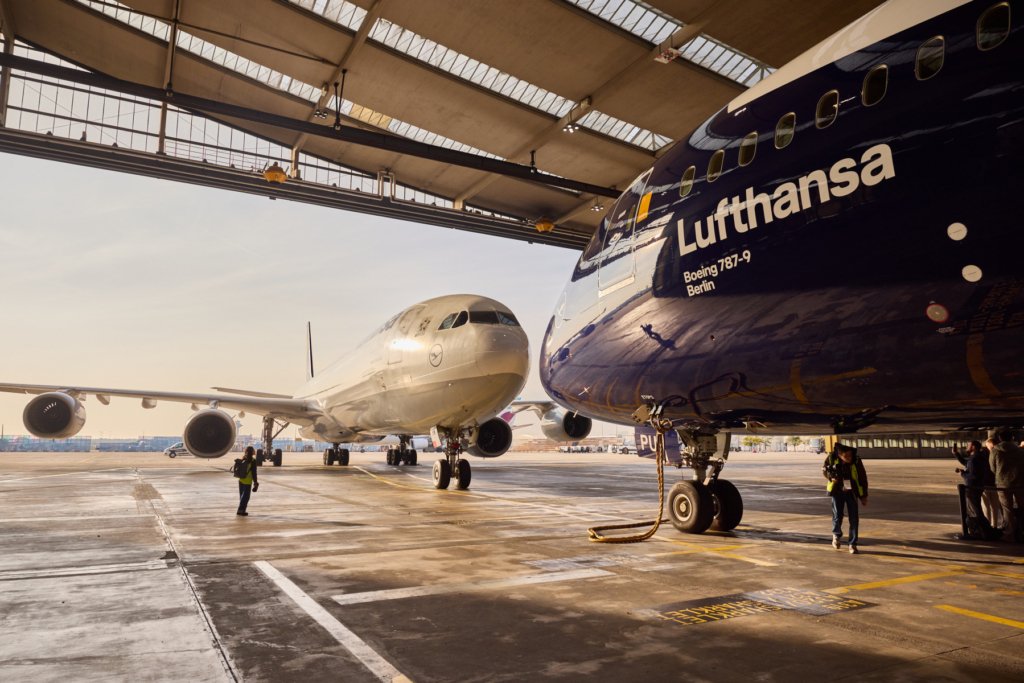
Airbus ultimately delivered 97 A340-600 aircraft. The model’s exceptional length, high passenger capacity and long-range capability made it a distinctive presence on international routes, although its four-engine design faced growing competition from more fuel-efficient twin-engine aircraft.
Also Read: Boeing 787 Dreamliner: The Aircraft That Was Ahead of Its Time
Chandrakanth R has over four decades of journalism experience, including 25 years as Chief Reporter at The Hindu and four years as Editor of Media One, Dubai. Since returning to India, he has specialised in aerospace and defence and regularly covers major international industry events.