
















Key Takeaways
- India’s aerospace manufacturing industry is evolving from basic components to precision-engineered parts for global aircraft engines.
- GE Aerospace significantly contributes to this growth through investments and partnerships, aiming to increase local production capabilities.
- By 2030, Indian suppliers could manufacture around 50% of aero-engine components, reflecting advances in skills and technology.
- Local firms like Godrej Aerospace and Raghu Vamsi Machine Tools are expanding their capabilities and product offerings through collaborations with GE Aerospace.
- GE’s Bengaluru Technology Centre fosters engineering expertise, supporting India’s ambitions in developing complex aerospace technologies.
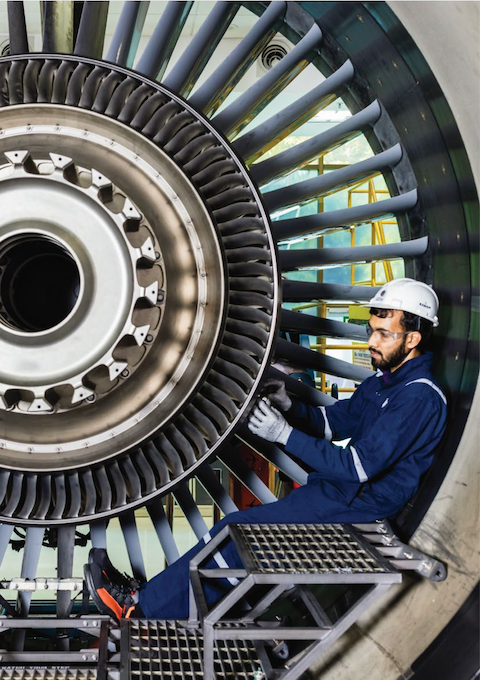
India’s aerospace manufacturing industry has expanded its role in the global supply chain, with domestic companies progressing from relatively simple parts to precision-engineered components used in commercial aircraft engines.
This development has required investment in specialised manufacturing processes, quality systems, certification and engineering expertise, supported by long-term relationships with international engine manufacturers.
GE Aerospace has played a significant role in this development through its Pune manufacturing facility, supplier-development programmes and Bengaluru engineering operations.
Its relationships with Indian manufacturers have helped introduce advanced production technologies and international quality standards, while providing opportunities to supply components for global engine programmes.
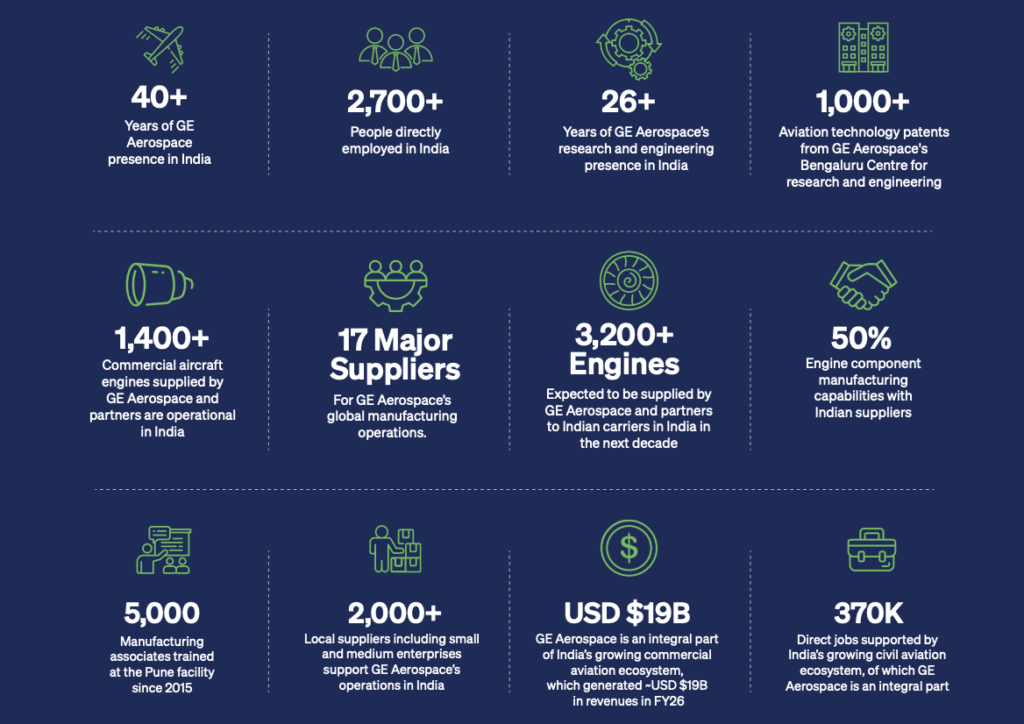
In its economic impact report released on October 12, GE Aerospace projects that Indian suppliers could develop the capability to manufacture approximately 50% of aero-engine components by 2030.
The projection reflects the manufacturing capabilities being developed in India, although it does not indicate the proportion of engine components currently produced domestically.
From Precision Components to Advanced Manufacturing
When the Maini Group entered aerospace manufacturing in 2005, it faced a shortage of Indian suppliers that could provide specialised surface-treatment processes. The company helped suppliers from its automotive business obtain aerospace certifications and customer approvals. Those suppliers subsequently began serving other Indian aerospace manufacturers.
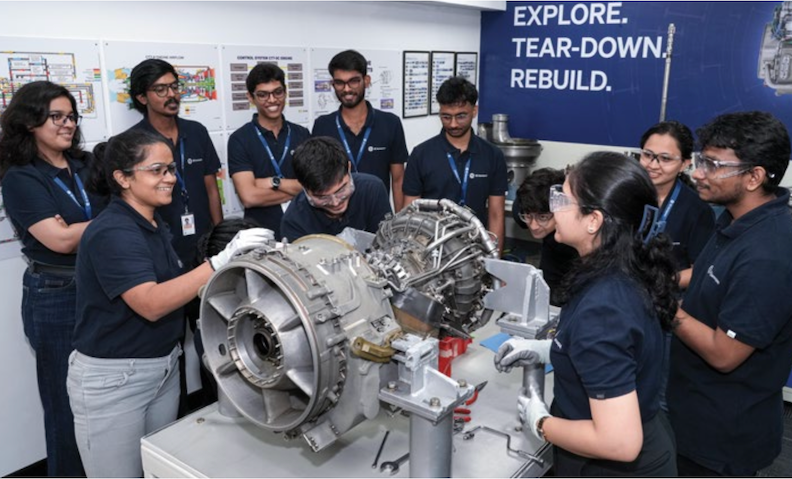
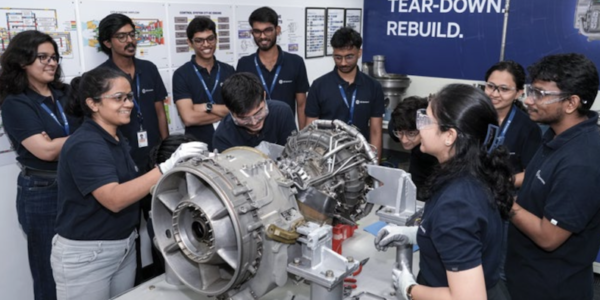
GE Aerospace’s Pune facility, inaugurated in 2015, has contributed to the development of local manufacturing and supplier capabilities. The plant produces components for the GE90, GEnx, GE9X and CFM International’s LEAP programmes and works with more than 300 suppliers, including small and medium-sized enterprises.
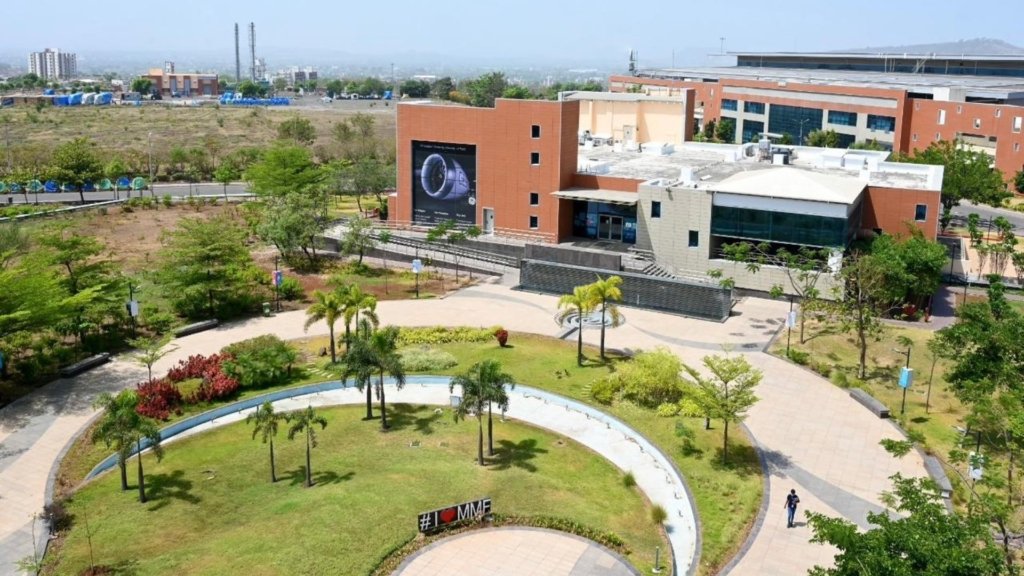
Investments in Pune have concentrated on expanding the range and complexity of components manufactured.
GE Aerospace committed more than ₹510 crore over three years, including ₹100 crore announced in May 2026 for welding technologies, advanced inspection equipment, precision tools and infrastructure improvements.
These investments support production capacity as well as the specialised processes required for aerospace manufacturing. The development of Indian suppliers shows how these partnerships have contributed to industrial capability.
Hyderabad-based Raghu Vamsi Machine Tools specialises in precision engineering and the machining of complex components. The company began its relationship with GE Aerospace in 2014, supplying engine tube fittings for fuel and gas transfer systems.
The company has since expanded from 14 parts to more than 300 and from 100 employees to 1200, progressing into machined castings, forgings, and finished components for international customers. The manufacturing work requires close control of component dimensions and material quality under demanding operating conditions.
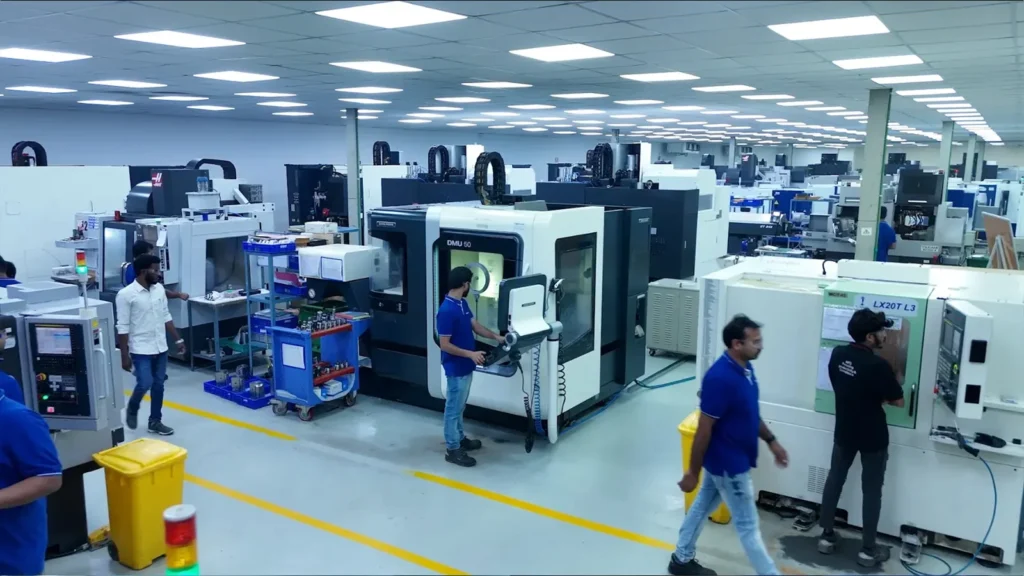
Godrej Aerospace brings experience in high-precision fabrication, complex tubing and aerospace assemblies. Its work for global manufacturers, including GE Aerospace, has built capabilities in components that require specialised machining, welding, and inspection. Godrej has also established a design team for line-replaceable units, aiming to develop proprietary products and move beyond manufacturing solely to customer specifications.
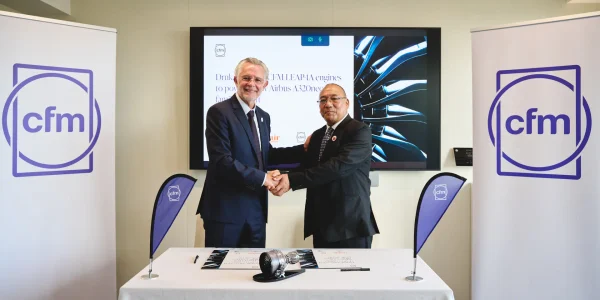
In September 2025, Godrej Aerospace also signed a five-year agreement with Safran Aircraft Engines to manufacture titanium-based ventilation assemblies for LEAP engines. The work involves complex machining, precision welding, and non-destructive testing, demonstrating the range of aerospace manufacturing Indian companies undertake for international engine manufacturers.
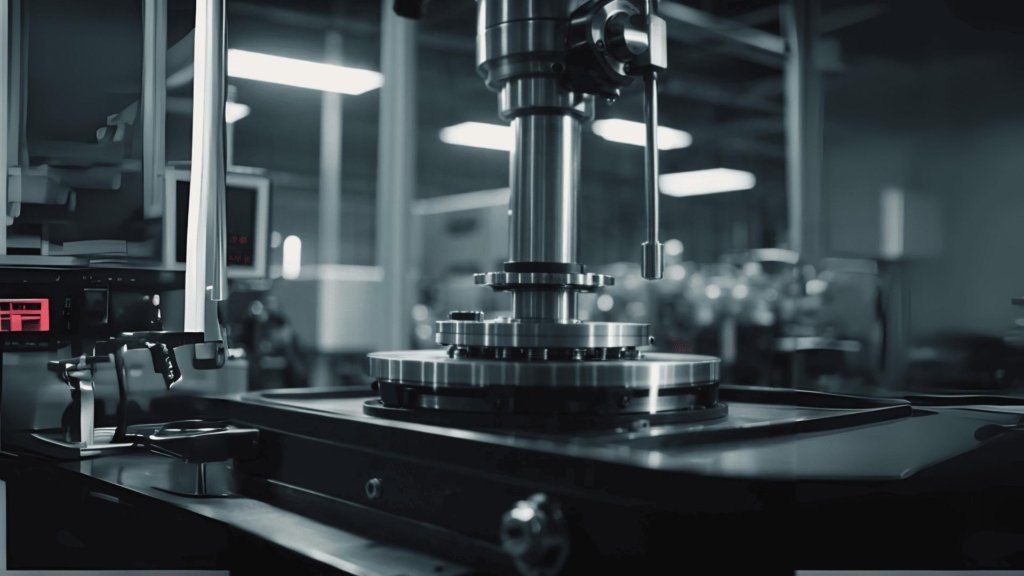
Photo: JK Maini Global Aerospace
JK Maini Global Aerospace, formerly Maini Precision Products, has similarly expanded from supplying relatively simple fittings to manufacturing 135 parts for GE Aerospace, while developing expertise in processes such as dry-film lubrication.
Saakshi Medtech has diversified from vibration-monitoring panels into industrial X-ray inspection, advanced laser cutting and deburring.
The significance of these developments extends beyond individual contracts. Global aerospace manufacturing requires consistent component quality, material traceability, documented manufacturing processes and recognised certification.
GE Aerospace has supported suppliers through technical assistance, manufacturing methodologies and international accreditations, including NADCAP. These qualifications can enable Indian manufacturers to compete for work across the international aerospace supply chain.
Production efficiency is another requirement. At Pune, GE Aerospace doubled output on a high-pressure turbine active clearance control manifold line through changes to shopfloor layout, component design and manufacturing processes. Such improvements are necessary as engine manufacturers seek higher production volumes without compromising component quality.
Engineering Capabilities Beyond the Factory Floor
The development of India’s aero-engine manufacturing industry is supported by engineering expertise extending from materials and thermal engineering to aerodynamic design, testing and certification.
GE Aerospace’s Bengaluru Technology Centre, established in 2000, has contributed to the development and certification of major commercial engines, including the GE9X, GE90 and GEnx. Its engineers work across mechanical design, thermal systems, materials, digital technologies and engine performance.
More recently, Bengaluru teams have joined CFM International’s Revolutionary Innovation for Sustainable Engines (RISE) programme, which targets fuel-efficiency improvements exceeding 20% through technologies including Open-Fan architecture, compact cores, and hybrid-electric systems.
GE Aerospace consulting engineer Nitesh Jain has highlighted the multidisciplinary expertise involved in developing new propulsion technologies, including aerodynamics, thermal systems, structural design, advanced materials and additive manufacturing. Other engineers are developing technologies addressing the acoustic characteristics of Open Fan engines and the high-power-density electrical systems required for hybrid-electric propulsion.
This experience is relevant to India’s wider aerospace ambitions, including the proposed domestic manufacture of GE’s F414 engine with Hindustan Aeronautics Limited. However, manufacturing components and contributing engineering expertise to international programmes do not automatically confer the design authority, intellectual property or full testing and certification capabilities required to develop an indigenous engine.
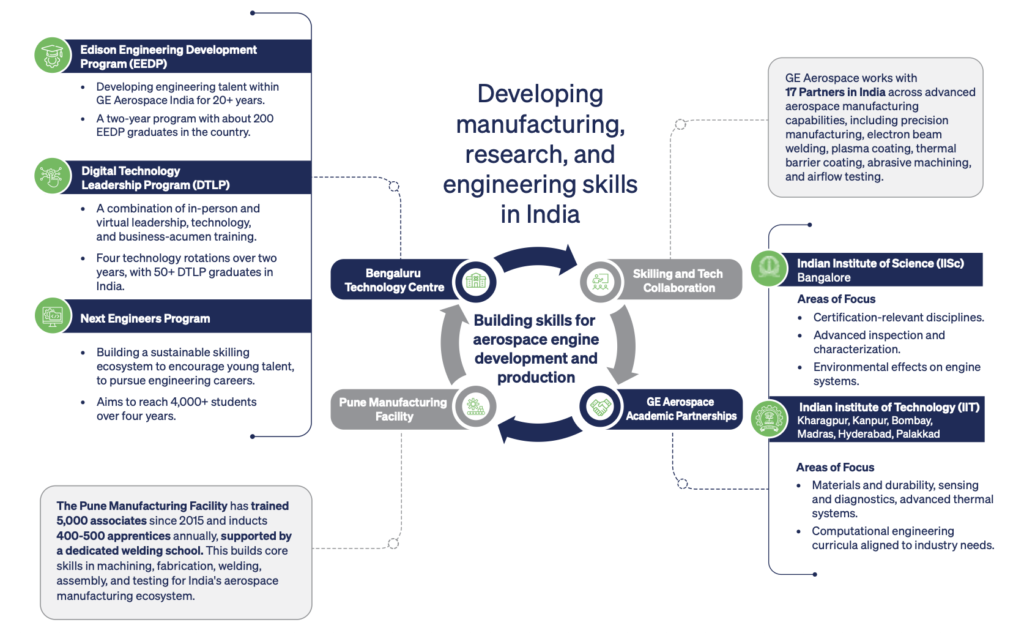
GE Aerospace’s contribution to India’s manufacturing ecosystem extends beyond sourcing components. Its investments, supplier-development programmes and engineering operations have helped Indian companies acquire specialised manufacturing capabilities and meet international aerospace requirements.
For Indian manufacturers, the opportunity now is to produce more complex engine components and secure a larger share of global aerospace manufacturing work. The manufacturing expertise developed through these partnerships provides a foundation for that progression, while the ability to design and manufacture complete aircraft engines remains a longer-term industrial objective.
Also Read: GE Aerospace Expands Pune’s Role in Global Engine Component Production

Aviation Jeta is an aviation news platform covering airlines, airports, aircraft, and global aviation developments. We publish accurate, well-researched, and detailed aviation news and industry insights from around the world.