











Singapore Airlines Selects Starlink for A350-900 and A380 In-Flight Wi-Fi

- Singapore Airlines will install Starlink Wi-Fi on its A350-900 long-haul, A350-900 ULR and A380 aircraft.
- The rollout will begin in Q1 2027 and is expected to be completed by the end of 2029.
- Starlink will support high-speed, low-latency connectivity, with complimentary Wi-Fi continuing on enabled aircraft.
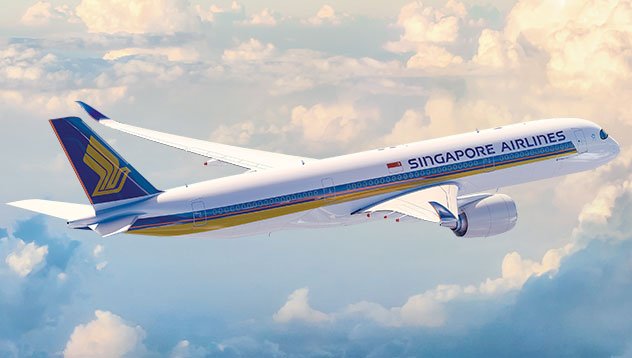
Singapore Airlines will introduce Starlink connectivity across its long-haul fleet, outlining a planned upgrade to onboard internet capability on some of its longest routes.
The airline has set a phased rollout beginning in the first quarter of 2027, with completion expected by the end of 2029.
The programme will cover Airbus A350-900 long-haul and ultra-long-range aircraft, along with the A380 fleet, extending higher-speed connectivity across key widebody operations.
The airline will retain its current approach of offering complimentary Wi-Fi, which will continue on aircraft equipped with the new system. Access will remain available across cabins, including Premium Economy and Economy passengers who log in through KrisFlyer, maintaining the structure already in place across its network.
The upgrade is based on Starlink’s low Earth orbit satellite network, which differs from geostationary systems used in earlier in-flight connectivity deployments. With more than 10,000 satellites in orbit, the system is designed to provide lower latency and higher throughput, supported by onboard aero terminals capable of handling up to 1 Gbps per antenna.
For long-haul and ultra-long-haul operations, including routes over oceanic airspace, this has implications for the consistency of service where earlier systems have faced limitations in coverage and performance.
For passengers, the upgrade improves consistency of connectivity across the flight. Use cases extend beyond messaging to higher data applications such as streaming, content sharing, and large file transfers, with access continuing across cabins under the existing model.
The rollout timeline reflects the scale of the programme. Retrofitting widebody aircraft requires certification approvals, antenna integration, and coordinated downtime within fleet operations. Installations must be sequenced without affecting aircraft availability on long-haul schedules, particularly for the A350 ultra-long-range fleet, which operates some of the airline’s longest sectors.
The A380, with its higher passenger density, presents a separate set of considerations in maintaining bandwidth performance across a larger cabin footprint.

Singapore Airlines’ decision places it among a growing group of carriers adopting low Earth orbit (LEO) connectivity. Airlines, including Qatar Airways and Hawaiian Airlines, have begun deploying Starlink on select fleets, while others continue to operate with connectivity systems supplied by providers such as Panasonic Avionics and Viasat, including Inmarsat’s GX network.
This development reflects a broader industry reassessment of connectivity performance, particularly on long-haul routes where latency and bandwidth limitations have been more pronounced.
From a product standpoint, the airline is retaining its current commercial structure, where connectivity is positioned as a core service rather than a paid add-on for most passengers. This aligns with a wider trend among full-service carriers to treat onboard Wi-Fi as part of the standard travel experience, especially on long-haul sectors where passenger expectations have shifted.
Singapore Airlines’ Senior Vice President Customer Experience, Yeoh Phee Teik, said that reliable onboard connectivity is now an expected part of travel, adding that the upgrade will support uninterrupted access for passengers throughout the flight. He added that the enhancement will enable customers to remain connected, entertained, and productive during their journey.
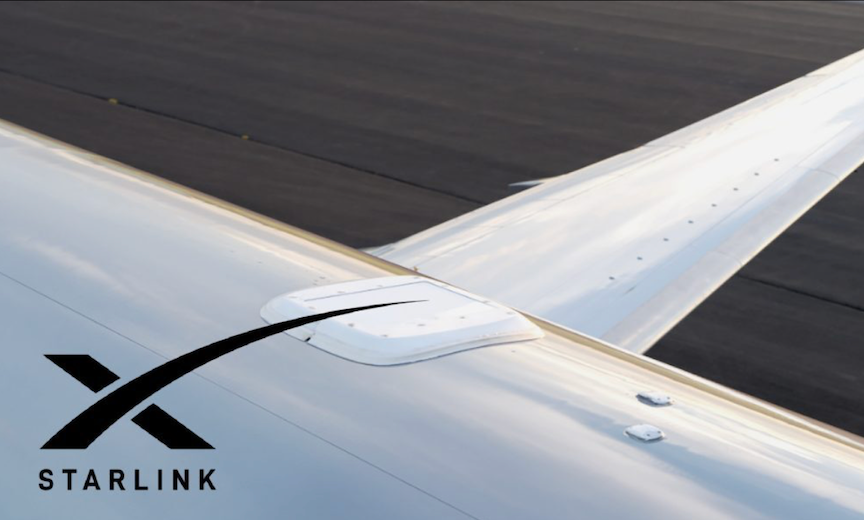
From the supplier side, Starlink indicated that the system will provide low-latency connectivity for both passengers and crew, supporting consistent performance across long-haul and ultra-long-haul operations.
As the programme approaches its 2027 start, the focus will shift to execution, particularly on installation schedules and on maintaining service continuity during the transition. Once completed, the deployment will standardise high-speed connectivity across a significant portion of the airline’s widebody fleet, bringing onboard product expectations more closely in line with ground-based digital usage.
Also Read: Aircraft Management in India: The Opportunity Is Real, the Readiness Is Not