










- India’s regional aviation growth under UDAN has expanded connectivity, but small-aircraft operations continue to face pressure from high per-seat costs, thin routes, low passenger density, infrastructure limits and financing challenges.
- A framework presented to MoCA proposes an asset-light regional aviation structure in which State Governments, State Aviation SPVs, or leasing structures support aircraft ownership, while operators focus on flying operations, maintenance, safety, and service delivery.
- The structure outlines the use of Modified UDAN VGF support, GIFT IFSC-based leasing mechanisms and OEM-backed financing support to reduce operator risk while improving the long-term sustainability of regional air connectivity.
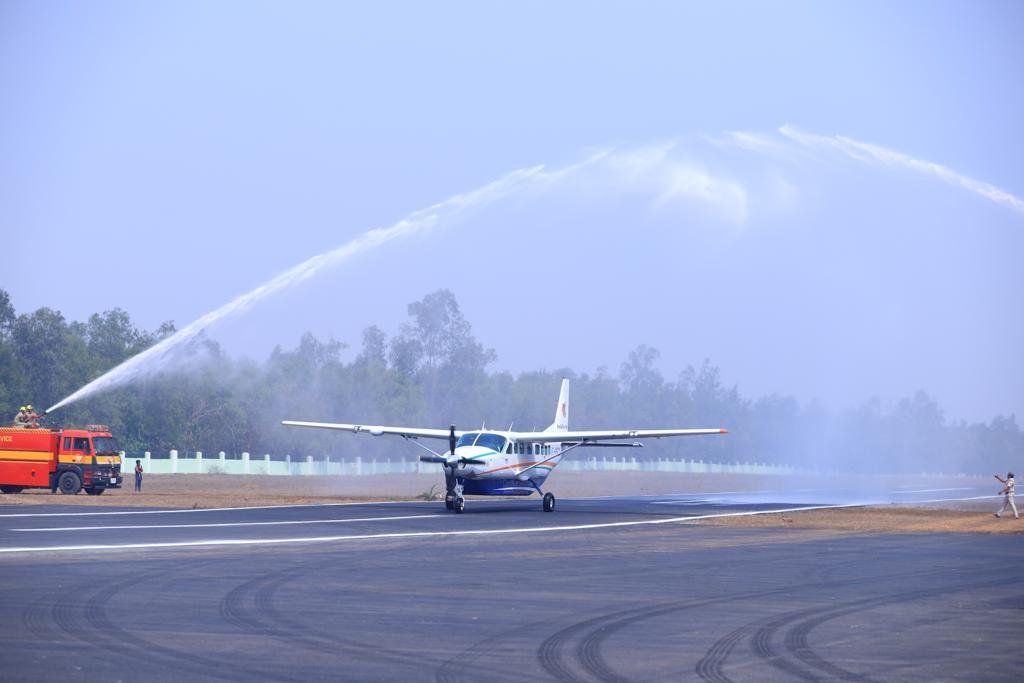
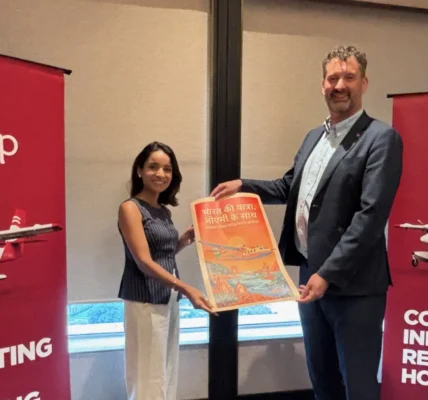
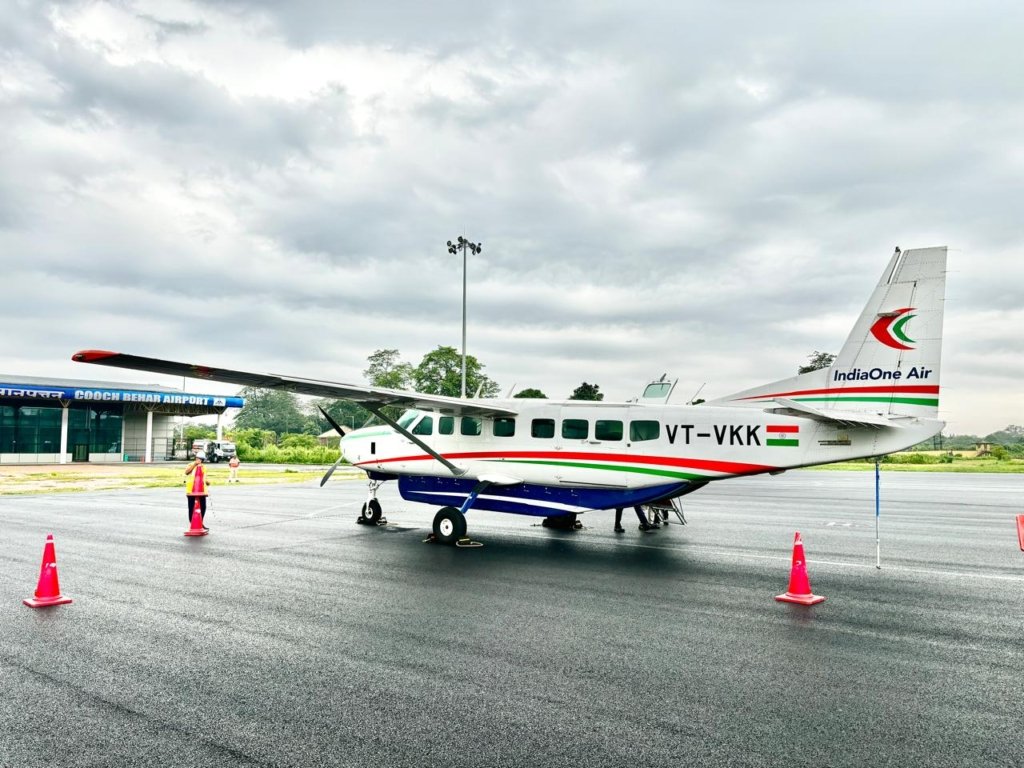
Photo: IndiaOne Air
India’s regional aviation story has been one of ambition, transformation and immense national importance.
The UDAN (Ude Desh ka Aam Nagrik) scheme has significantly expanded connectivity to underserved and remote regions, revived dormant airports, and brought air travel within reach of millions while connecting previously unconnected regions.
Yet, while the vision has succeeded, the economics of sustaining regional air operations, particularly for small aircraft, continue to remain fragile.
As India enters the next phase of aviation growth, the challenge is no longer merely to connect airports, but to create a structurally sustainable regional aviation ecosystem capable of sustaining operations beyond the UDAN subsidy cycles.
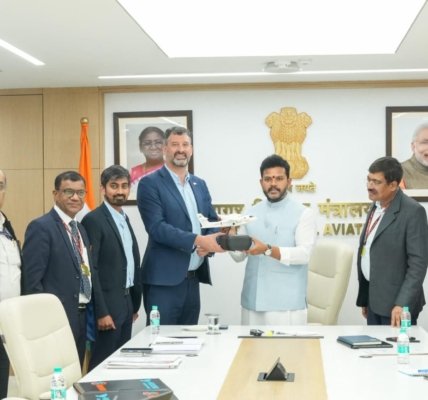
A new regional aviation framework recently presented to MoCA at GIFT IFSC, along with detailed recommendations submitted to the Ministry of Civil Aviation, proposes a transformational shift: “Treating small aircraft as public connectivity infrastructure assets rather than merely private airline assets.”
The framework outlines a State-supported aircraft ownership and asset-light operator model supported through GIFT IFSC leasing structures and partially funded through allocations from the Modified UDAN Viability Gap Funding (VGF) pool.
The Structural Challenge in Regional Aviation
The success of UDAN has demonstrated strong demand for regional connectivity. However, many operators continue to face persistent financial stress due to the economics of small aircraft operations.
High per-seat operating costs, thin routes, low passenger density, infrastructure limitations and high financing costs continue to make regional airline operations extremely challenging. Across successive phases of UDAN, several structural concerns have remained visible:
- High operator attrition after expiry of VGF support
- Aircraft acquisition and financing stress on small operators
- Repeated route discontinuity affecting passenger confidence
- Low seat-density economics on short-haul routes
- Absence of long-term asset creation despite recurring subsidy expenditure
For regional operators, the single largest burden is often not operational capability, but aircraft ownership and lease liability.
Aircraft financing exposure can account for nearly 60–65% of the total risk in commuter airline operations. In many cases, capable operators fail not because of a lack of demand, but because balance sheets cannot absorb lease rentals, dollar-denominated liabilities, residual value risks and volatile operating conditions.
This is where the structure differs from conventional regional airline financing models.
Separating Aircraft Ownership from Airline Operations
The proposed framework recommends separating aircraft ownership from airline operations for small aircraft categories.
Under this model:
- State Governments, State Aviation SPVs, or GIFT IFSC leasing entities would own or lease small aircraft
- Airlines would operate the aircraft under long-term operational agreements
- Operators would focus on operations, safety, crew, maintenance and service delivery
- Aircraft would be treated as strategic public connectivity assets similar to airports or transport infrastructure
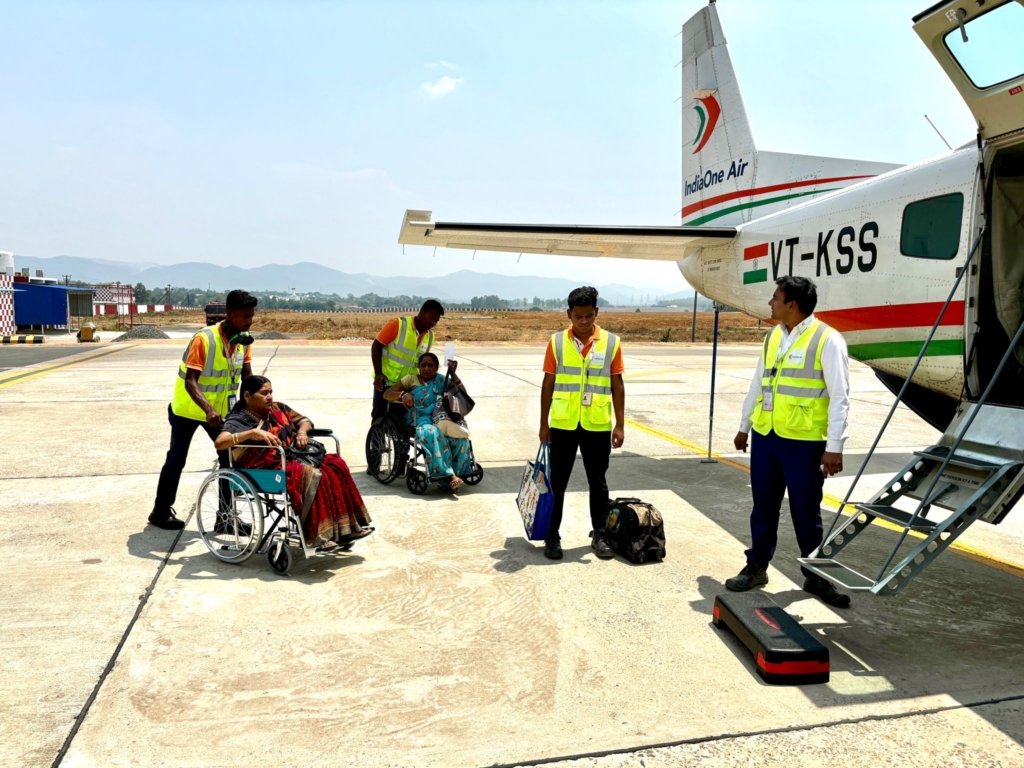
The structure creates an asset-light operator model aimed at reducing financial risk while improving continuity of regional connectivity.
Importantly, the framework is not intended to replace private participation.
Instead, it seeks to create a stronger, more stable ecosystem in which governments, lessors, OEMs, financiers, and operators work within clearly defined roles.
Why Small Aircraft Need a Dedicated Leasing Ecosystem
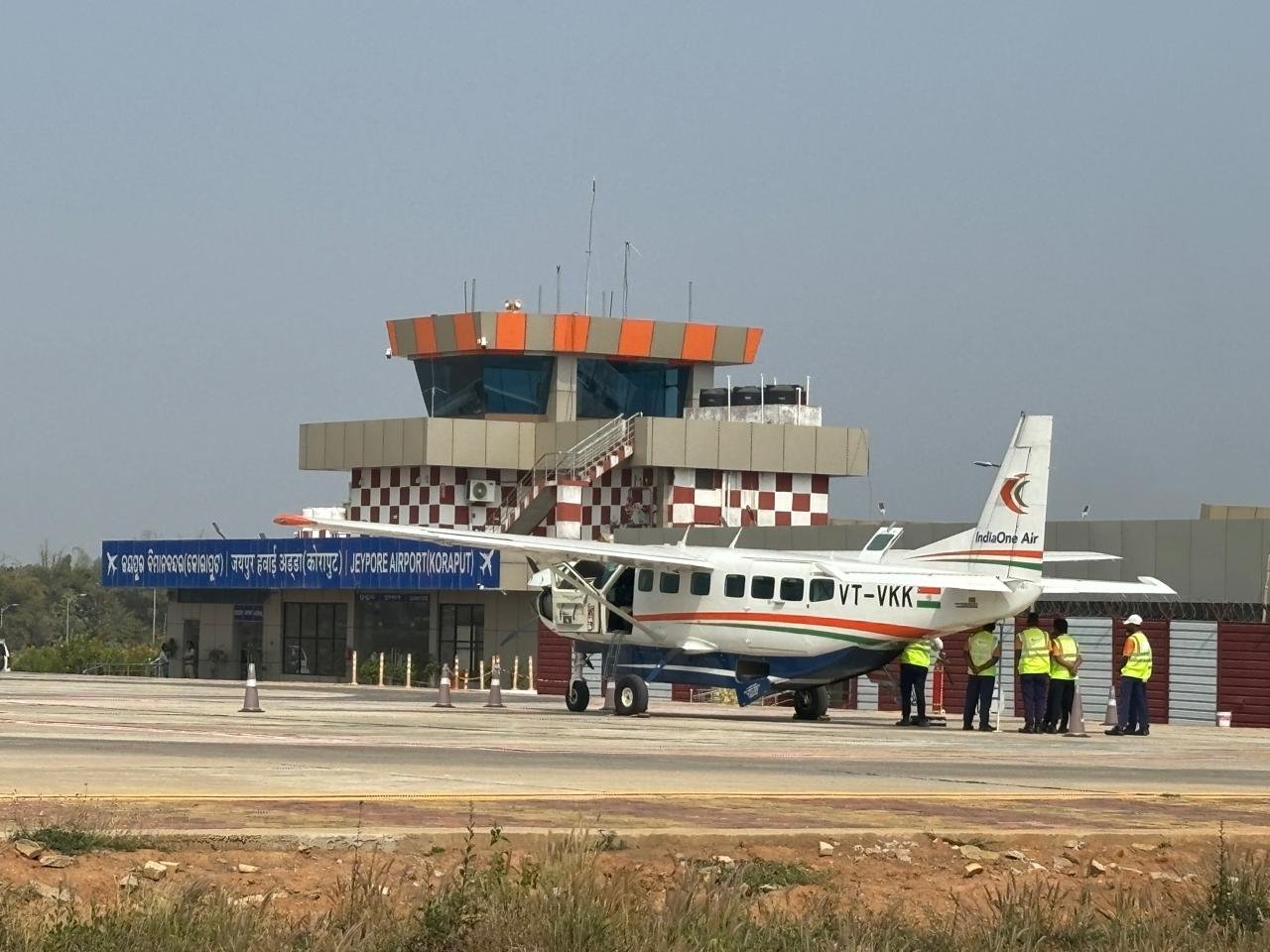
Most global aircraft leasing structures are designed around narrow-body and wide-body commercial aircraft. India’s regional connectivity requirements, however, depend heavily on 9–19-seat aircraft operating into smaller airfields, hill states, island territories, aspirational districts, and remote sectors.
These aircraft categories face financing challenges that differ significantly from larger commercial fleets:
- Lower secondary market liquidity
- Limited global lessor appetite
- Higher operational risk perception
- Small fleet sizes among operators
- Limited residual value predictability
India requires a dedicated ecosystem for small-aircraft leasing tailored to regional aviation needs. GIFT IFSC could provide a platform for such structures through:
- State-backed leasing SPVs
- Tax-efficient ownership models
- OEM-supported financing pools
- Domestic aviation asset creation
- Long-term rupee-aligned leasing frameworks
India has already established strong momentum in aviation financing through GIFT IFSC.
The next phase could involve extending these benefits toward regional and commuter aircraft categories as well.
The Role of OEMs in the New Framework
An important aspect of the framework is the participation of OEMs (Original Equipment Manufacturers).
Aircraft manufacturers increasingly recognise that access to financing influences fleet deployment and market expansion. Within the framework, OEM participation could include:
- Power-by-the-hour support structures
- Residual value guarantees
- Long-term maintenance partnerships
- Deferred payment structures
- Joint leasing platforms
Such participation could reduce financing uncertainty while also creating long-term aircraft placement opportunities in India’s regional aviation market.
For OEMs, this creates more predictable opportunities for fleet deployment.
For governments, it lowers capital risk. For operators, it improves operational viability.
Linking the Model with Modified UDAN VGF
One of the framework’s stronger aspects is its fiscal structure. Instead of spending the entire VGF allocation purely as a recurring operational subsidy, the structure proposes allocating approximately 30% of the over ₹10,000 crore Modified UDAN VGF pool toward aircraft asset ownership or leasing support.
This changes the nature of public spending from subsidy consumption toward long-term aviation asset creation.
According to the financial model outlined in the policy paper, a State-supported asset-light structure can reduce operator cost burden significantly:
- Operating cost reduction of nearly 30–40%
- Break-even load factor reduction from 75–80% to nearly 40–45%
- Annual operator savings of approximately ₹18–19 crore per aircraft in certain commuter categories
Under an integrated VGF-sharing arrangement, the framework outlines:
- 30–40% of VGF supports aircraft ownership/SPV costs
- 60–70% supports airline operational viability
The approach is designed to ensure that public expenditure creates long-term aviation assets while also reducing recurring fiscal burden over time.
Addressing Concerns of Lessors and Investors
Regional aviation globally continues to carry a higher perceived risk because of lower utilisation, smaller markets and operational volatility.
Lessors and investors evaluating such a structure are likely to examine concerns, including:
- Asset underutilisation
- Operator reliability
- Payment security
- Residual value exposure
- Enforcement and repossession challenges
- Currency fluctuation risks
The framework outlines several mechanisms to mitigate these risks:
State Participation – State-backed ownership or guarantees improve credit confidence and reduce financing risk.
Multi-Route Deployment – Aircraft would not remain restricted to individual routes, but could operate across multiple sectors and missions including tourism, medical evacuation, disaster response and administrative connectivity.
Long-Term Operating Agreements – Multi-year concession structures improve utilisation visibility and revenue predictability.
Strong Regulatory Oversight – DGCA compliance, safety audits, KPI-linked performance structures and transparent monitoring frameworks can strengthen investor confidence.
GIFT IFSC-Based Structures – Globally aligned leasing mechanisms through GIFT IFSC can provide legal and tax certainty while improving international investor confidence.
Responsibilities of Operators
While the structure reduces financing burden, operators must equally recognise their responsibilities. An asset-light structure cannot become a substitute for operational discipline. Operators must strengthen:
- Safety culture and DGCA compliance
- Predictable operational reliability
- Professional management systems
- Financial transparency
- Maintenance planning
- Crew training standards
- Route development and market stimulation
Operators must also work closely with State Governments to integrate aviation into broader economic sectors, including tourism, healthcare, emergency response, trade and regional development.
Only then can regional aviation move from a state of subsidy dependency toward economic relevance.
A National Opportunity
India’s next phase of aviation growth will depend heavily on small aircraft operations connecting Tier-2 and Tier-3 cities, remote districts, hill regions, islands and underserved communities that remain outside the reach of major airline networks.
Beyond passenger transport, these aircraft support essential medical evacuation, emergency response, administrative connectivity, tourism and regional economic development.
India’s air trips per capita currently stand at approximately 0.15, compared to much higher levels in developed markets, but are projected to grow to 0.65–1.0 by 2047. Much of this growth can only be achieved by connecting presently unserved and underserved regions through sustainable regional aviation networks built around small aircraft operations.
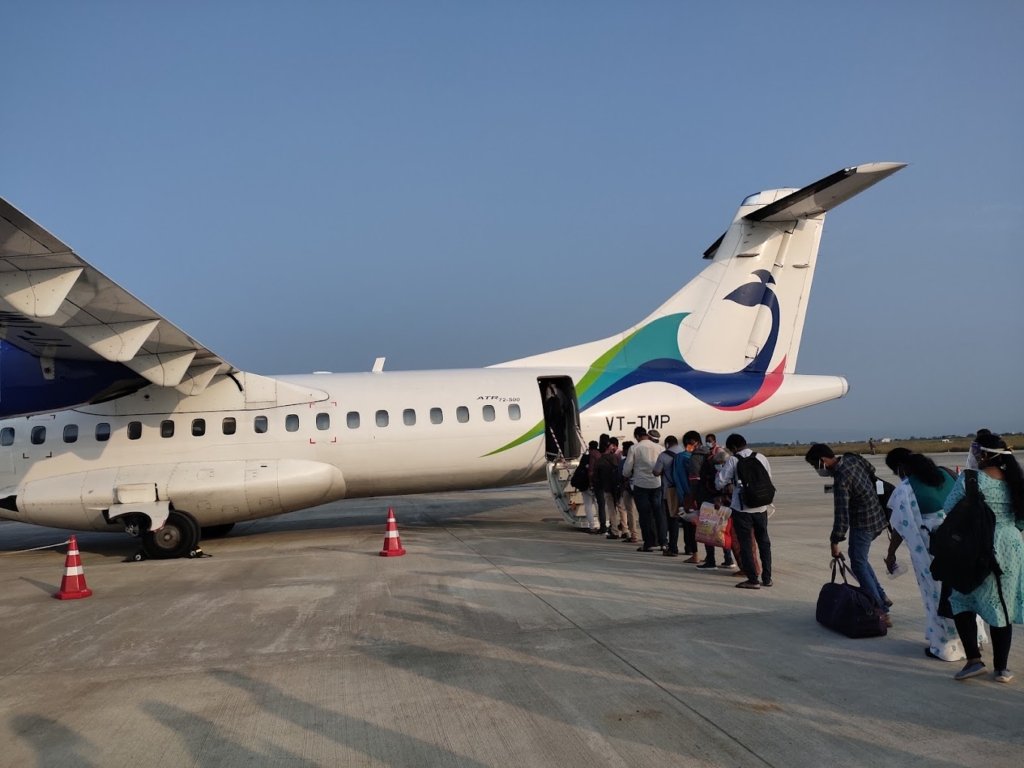
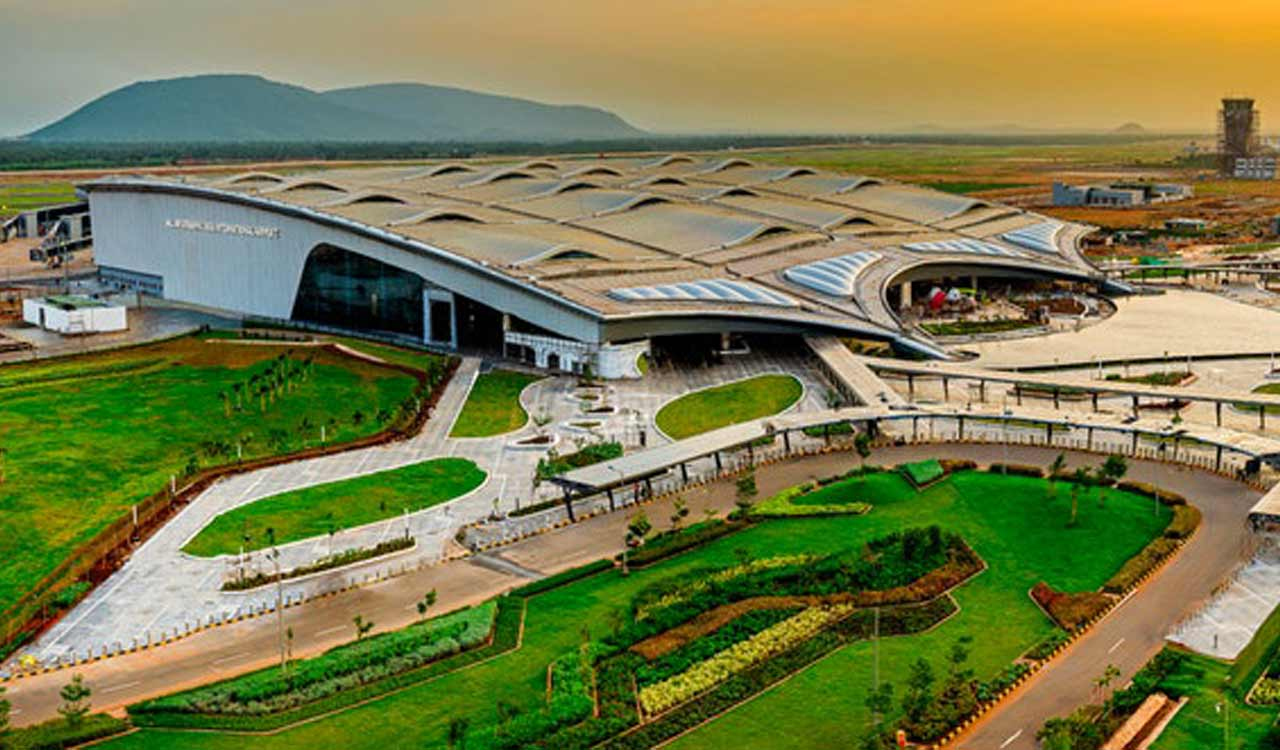
Photo: Soka Vidyasagar
The country is simultaneously building airports, expanding aviation infrastructure, strengthening GIFT IFSC and witnessing continued growth in air travel demand.
Yet regional connectivity cannot succeed sustainably if operators alone continue carrying the entire burden of aircraft financing risk.
The proposed State-supported aircraft ownership framework offers an opportunity to build a uniquely Indian regional aviation structure that combines public infrastructure thinking, private operational efficiency, financial innovation through GIFT IFSC and strategic OEM participation.
Most importantly, it aligns regional connectivity with long-term national development priorities.
Regional aircraft are not merely commercial assets. In many parts of India, they are instruments of economic inclusion, healthcare access, tourism development, strategic connectivity and national integration.
If implemented carefully, the framework could become one of the most important regional aviation policy innovations emerging from India in the coming decade.
*Wing Commander Prem Kumar Garg (Retd) is the Chief Executive Officer & Accountable Manager of IndiaOne Air and a former Indian Air Force officer with over 26 years of experience in military aviation, flight safety and airline operations. He is also a DGCA-approved Examiner and Aviation Advisor to the Government of Odisha.
Also Read: India’s Two-Tier Aviation Economy: Protected vs Penalised