











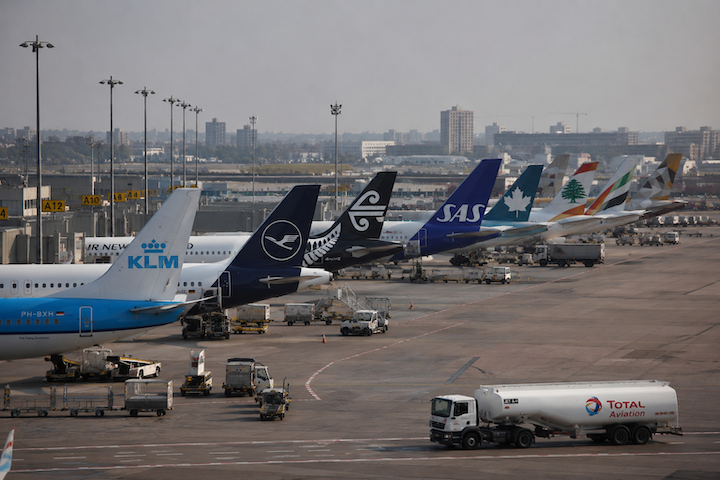
- Global airlines are cutting thousands of flights, freezing wages and reducing costs as the Iran war and fuel crisis push the aviation sector into its toughest operating environment since COVID.
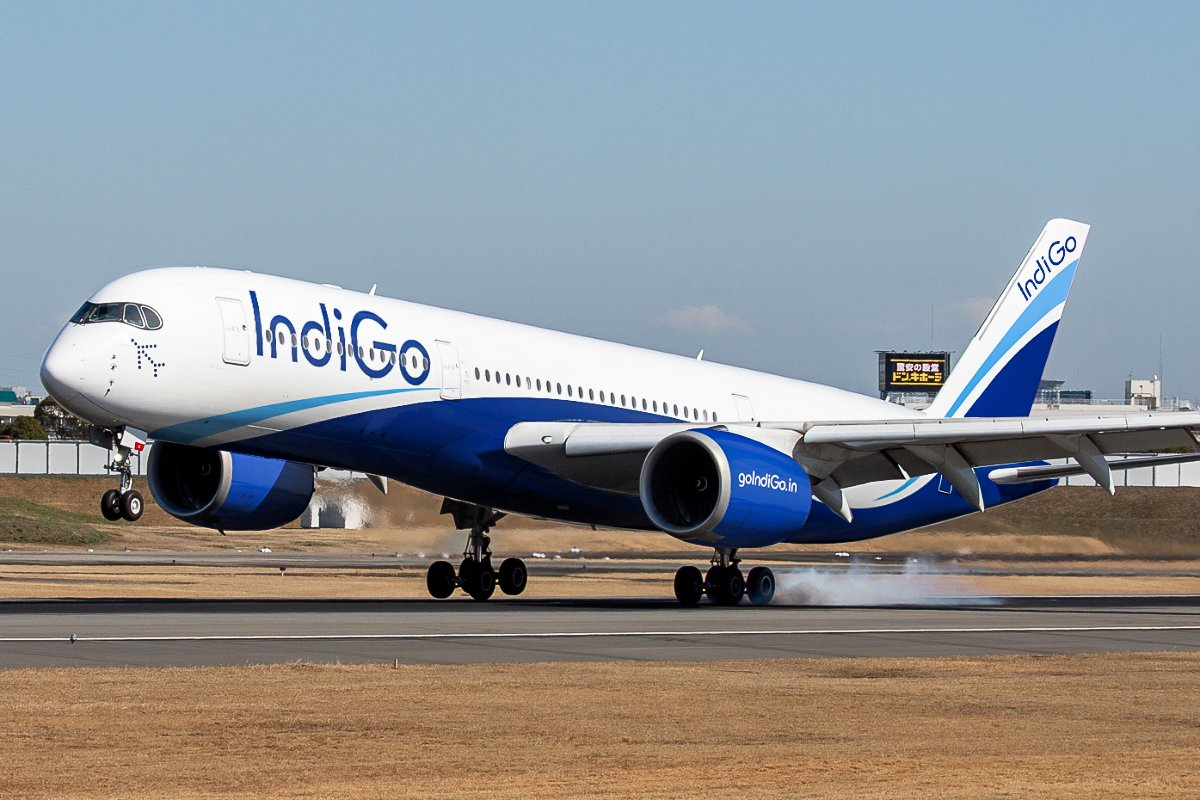
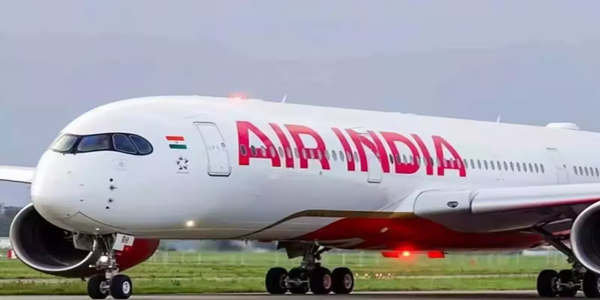
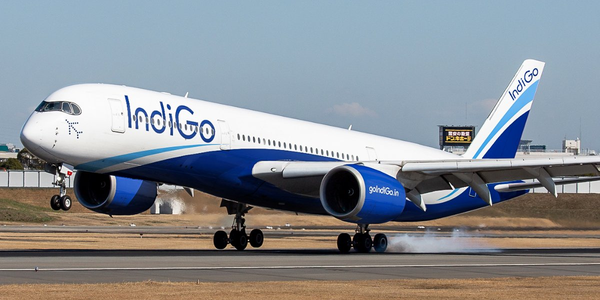
- Indian carriers such as Air India, IndiGo and SpiceJet are facing mounting pressure from high ATF prices, longer international routings and rising losses, forcing airlines towards austerity measures and government-backed financial support.
- Route rationalisation, delayed expansion plans and stricter control over employee costs are becoming a major part of airline strategy as carriers prepare for a prolonged period of operational and financial pressure.
At the start of the Iran War in early March, an Indian business TV channel (NDTV Profit) had invited me on a show to discuss the future of Indian aviation, with the threat of rising ATF prices looming large.
I had warned then of a doubling of ATF prices by April, and at least two quarters of misery and possible layoffs in the sector by June.
Even if the war ended right away, the green shoots would not return before Diwali because the energy supply to the world was choked off, infrastructure was damaged, and it would take time to restore normal ATF supply conditions. Many laughed it off then; not so many are laughing now.
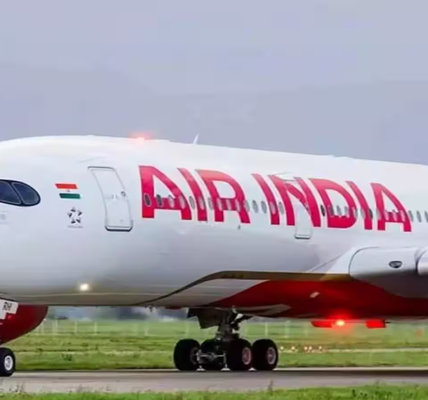
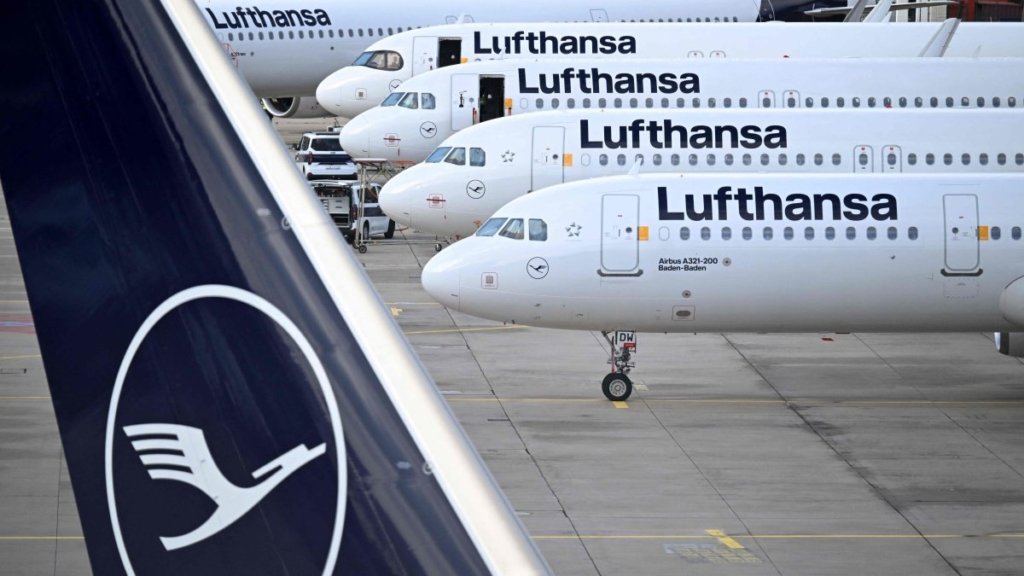
Campbell Wilson, the outgoing Air India CEO, had on 11 March suggested that the worst period lay ahead of us. Two weeks later, he announced his expected departure from Air India. Lufthansa last month announced a cut of 20,000 flights for the summer, largely on the European continent.
Air Canada, KLM, Cathay Pacific, and Air New Zealand announced a reduction of capacity ranging from 160 flights a week to 1,100 flights in May & June. (see table)
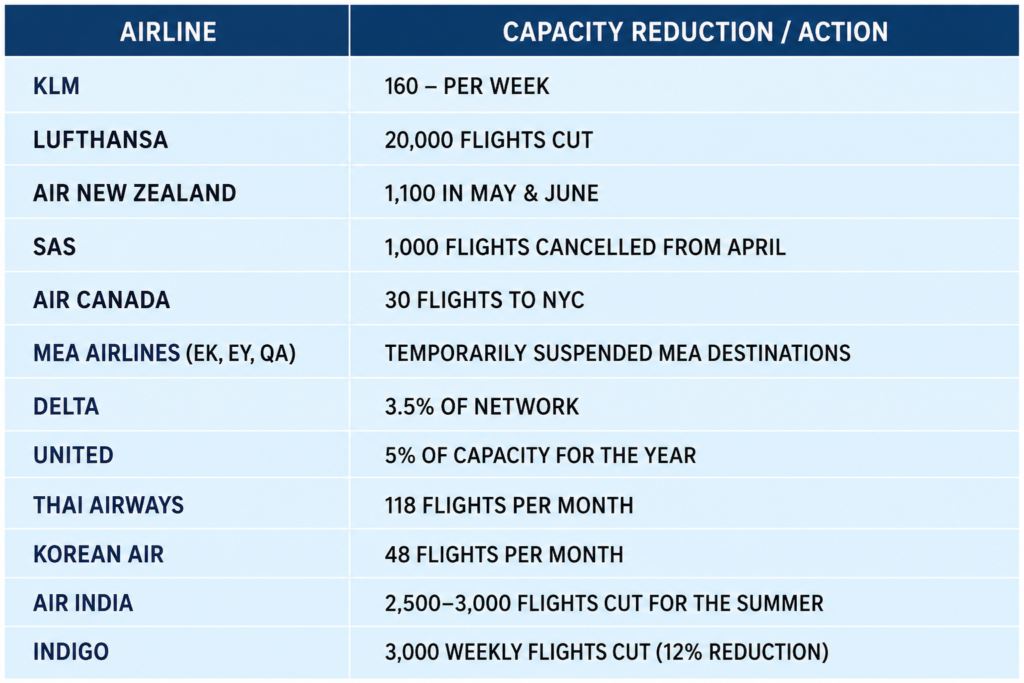
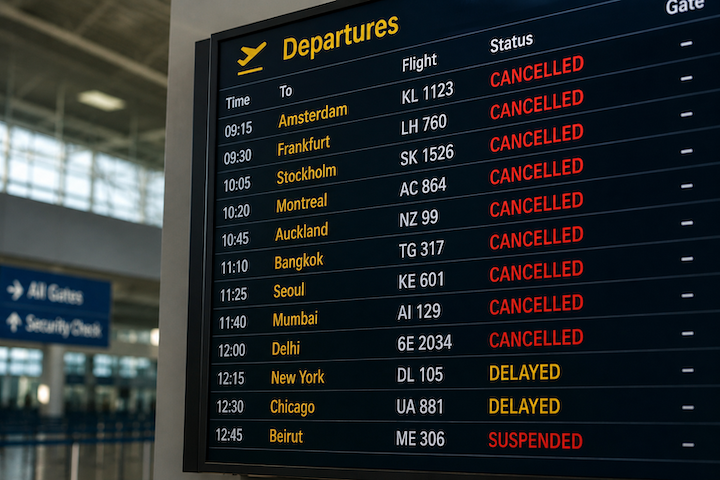
Overall, in May alone, 13,000 flights have been cancelled worldwide, seats removed exceeded 2 million, and global seat capacity was reduced from 132 million to 130 million in April 2026, translating to an impact of 2 million seats in April as well. These cuts are expected to stretch from April to at least August, and airlines are looking at more than 50,000 flight cuts across the global aviation network*. (source: OAG)
Global Aviation Impact: Shutdowns
The worst affected regions globally are Europe, India, the Middle East, and North America, and this strife will bring blood on the balance sheets and will result in aircraft grounding or early retirement of some types of aircraft, and other pain.
Around 40–50 airlines worldwide currently claim to be in financial distress, with at least 18 carriers shutting down since early 2025.
Many surviving airlines have responded by cutting staff, freezing pilot wages, withholding bonuses, and trimming employee benefits to cope with soaring fuel costs and weak demand.
India’s carriers are among the hardest hit, warning of mass groundings and job losses. Southeast Asia is experiencing ATF fuel scarcity and is curtailing flights.
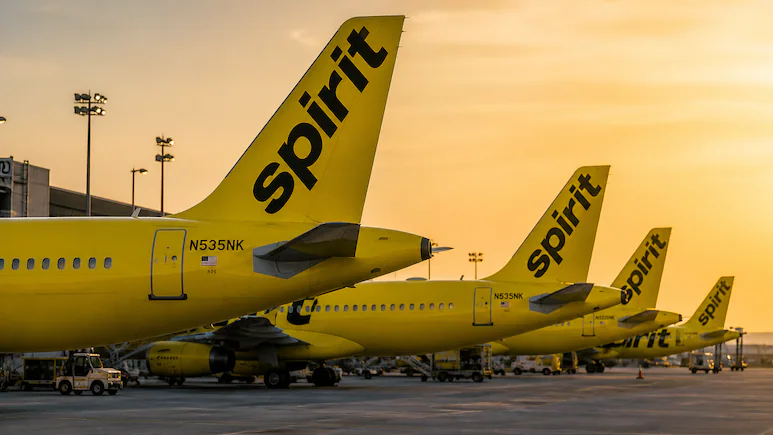
We have seen at least 4-5 airlines shut down in the last few months, including the collapse of Spirit Airlines, Air Premia in Korea due to fuel costs, and several regional carriers in Africa and Latin America due to the fuel crisis.
Government Support
Governments around the world have responded with aid packages to support airlines in need. India, the U.S., the EU, and the Middle East have offered varying levels of credit, bailouts or subsidies in the last few months to prevent the already impacted sector from going under.
India has rolled out a ₹5,000 crore emergency credit line for carriers under the ECLG 5.0 scheme. This allows airlines to borrow up to ₹1,500 crore each with a seven-year tenor and a two-year moratorium. This is in addition to relief on domestic ATF prices and the UDAAN scheme.
The United States, the world’s largest aviation market, continues rural subsidies under the Essential Air Service (EAS) programme and had offered beleaguered Spirit Airlines a special package (which they refused). They also offer the City Pair programme.
The GCC states are offering their carriers, such as Emirates, Etihad, Saudia, Riyadh Air and Qatar Airways, ample sovereign support in view of the war.
European governments are still embroiled in legal disputes over previous bailouts of €17.4 billion collectively to Lufthansa, Air France-KLM, and SAS being annulled by the EU Court, but are ready to support their airlines.
The Federation of Indian Airlines (FIA) has sent an SOS to the Indian government, seeking greater support, as it fears that Indian airlines are in a deep crisis and could close down. For its part, the Indian government, as seen above, has done more for aviation than most governments globally.
Cost Cutting & Wage Freezes
The underlying sentiment since March has been one of belt-tightening, and it will be up to senior executives of these big airlines to take the biggest hits, rather than pass the burden onto lower-paid employees.
In general, widespread wage freezes, bonus suspensions, and looming job cuts or furloughs are expected across North America, Europe, Asia, and India. In India, airlines have warned of wage freezes and the suspension of bonuses.
In the USA, the big three have reduced profit-sharing and withheld pilot bonuses, while European carriers such as Lufthansa and Ryanair have frozen pay hikes, trimmed allowances and reduced staff hours. Asian carriers such as Singapore Airlines and Korean Air have suspended incentive payments and reduced crew rosters.
Air India, IndiGo, SpiceJet and Akasa are badly affected in India, and whilst the first two have strong promoter backing, the level of losses is staggering. Air India has declared a likely loss of ₹22,000 crore, caused by a triple whammy of the AI-171 tragedy, the closure of Pakistani airspace, and now the Iran war, with the fuel crisis and the even longer routes (and technical halts) to the US and Europe.
The Way Forward
Airlines globally will have to opt for massive route reductions, network realignment, and cost-cutting measures such as removing freebies and introducing no-frills categories for full-service carriers. On the employee front, the US & European airlines have already begun freezing salaries and removing pilot bonuses and C-Suite perks and remuneration.
In India, airlines like Air India had over the last few years hiked wages and bonuses by almost 20%, with an overall wage bill increase at the top levels to keep pace with IndiGo and attract world-class talent. IndiGo, which had amongst the highest wages in middle and upper levels, was also on a massive growth spree, as is Air India.
Lest we forget, both airlines are recruiting for the big leap forward when their new aircraft begin landing in India from 2026-2032, and hence are in super growth mode.
Slowing workforce expansion would be painful and difficult, and both airlines may have to resort to novel ways to keep the growing staff pipeline on payroll from becoming an additional drain on their wage bill during these hard times.
The reduction of flights will bring about an automatic reduction in crew utilisation and would reduce the burden somewhat.
Air India CEO Campbell Wilson yesterday announced that there will be no job losses, but deferment of increments, severe cost-cutting, reduction of non-essential expenditure and upgrades. There could also be a paring of some executive benefits and other variables, and austerity measures, which have been worked over the past few months.
IndiGo, though cash rich, is also reported to be working on an austerity package in line with the stresses it has faced in the last few months to keep the carrier going.
SpiceJet is another carrier that has been bleeding heavily, and has had unpaid salaries for months, and has just paid out part of the pending salary to some categories of employees, and for whom the government package will be an obvious blessing in disguise.
After all, no airline can be expected to go to the government with a bowl to seek subsidies and ATF reductions at taxpayers’ cost when their C-suite and VP/AVPs are drawing crores in salary and perks.
Be that as it may, the aviation industry faces its toughest season since COVID broke 6 years ago. Airlines will have to cut costs, rationalise routes and go into ultra-survival mode. Even if the Iran war ends tomorrow and oil steadies, it will take months for infrastructure to be rebuilt, ATF supply chains to stabilise, and passenger demand to return.
Austerity will have to rule the skies until demand and network expansion return to the sector in the third quarter of this year or 2027.
Aviation, Airline Industry, Air India, IndiGo, SpiceJet, ATF Prices, Aviation Fuel, Global Aviation, Airline Losses, Flight Cuts, Aviation Crisis, OAG, Lufthansa, KLM, Air Canada, Campbell Wilson
* Sanjay Lazar is an Aviation expert and CEO Avialaz consultants. He is @sjlazars on @x. Views and Opinions are purely personal.
Also Read: Safran: Advancing Hybrid-Electric Propulsion for the Next Generation

Sanjay Lazar is an Aviation Expert & CEO Avialaz Consultants. He is an aviation analyst, lawyer, & best-selling author who writes on aviation, International relations, leadership and law. He has spent 40 years in aviation and lost his entire family in the Air India Kanishka bombing in 1985.