




Air India partners Panasonic Avionics for In-Flight Entertainment (IFE) support services

- Air India has signed a Total Care Package agreement with Panasonic Technical Services covering IFE systems on 74 aircraft, marking a move toward integrated lifecycle support rather than standalone maintenance to improve reliability and reduce downtime.
- The agreement spans multiple aircraft types and IFE platforms—Astrova, X Series, and eX3—reflecting a mixed-fleet strategy in which both legacy and next-generation systems will continue operating in parallel across Air India’s international network.
- Panasonic is simultaneously expanding its India footprint with new maintenance stations in Mumbai and Delhi, alongside its software facility in Pune, aligning with Air India’s broader fleet renewal and cabin upgrade plans, where passenger experience and system reliability are becoming central.
Competition for passenger loyalty at 35,000 feet has never been more intense. Reliability of in-flight entertainment (IFE) and cabin tech is increasingly becoming as critical as the hardware itself. Even minor failures like a faulty screen or non-functional USB port can potentially undermine the premium experience, pushing airlines toward long-term, integrated support deals over just maintenance.
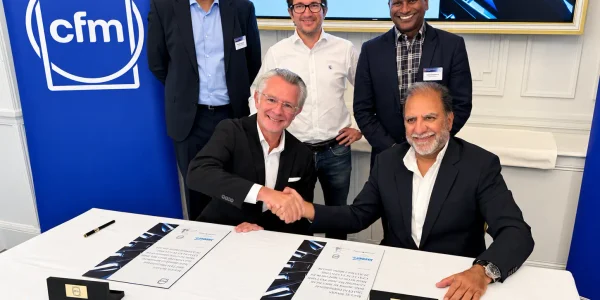
As airlines place greater emphasis on cabin system reliability, Air India has signed a Total Care Package agreement with Panasonic Technical Services (PTS), the maintenance and support arm of Panasonic Avionics Corporation, covering IFE systems across 74 aircraft. The deal, announced at the Aircraft Interiors Expo (AIX) 2026 in Hamburg builds on an existing partnership between Tata Group-owned Air India and Panasonic Avionics Corporation.
What the 74-aircraft deal covers
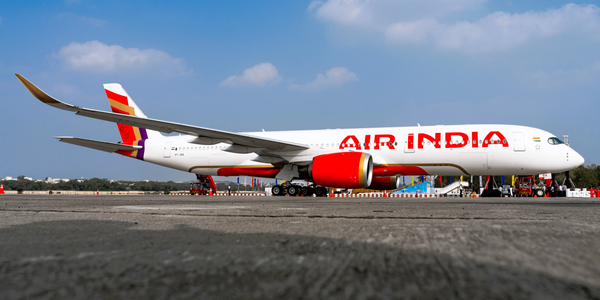
The agreement spans a mixed widebody and narrowbody fleet: Boeing 787-9s, Airbus A350-1000s, Airbus A350-900s and Airbus A321neos. Across these aircraft, Air India operates two distinct Panasonic IFE platforms—the newer Astrova system and the established X Series, covering both line-fit installations on new deliveries and retrofit programmes on existing aircraft.
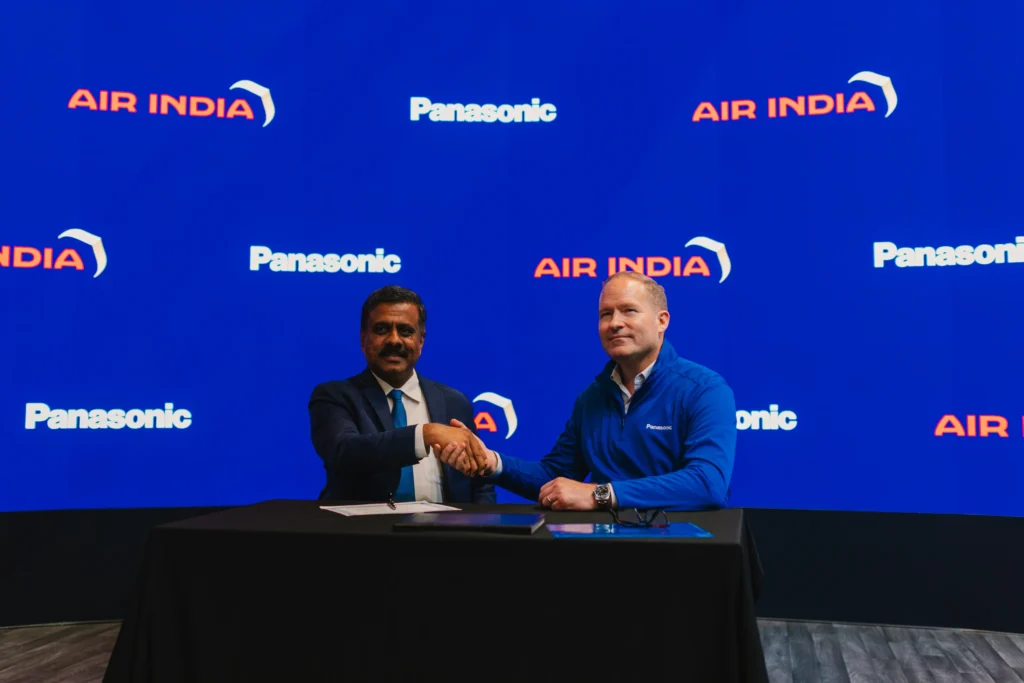
The Total Care Package is designed as end-to-end lifecycle support rather than mere servicing.
Under the arrangement, PTS will provide proactive system monitoring that tracks performance data in real time, spares management, global field engineering, and round-the-clock technical support.
The structure is intended to maintain predictable maintenance costs and reduce operational downtime, a priority for any airline.
Air India’s broader Panasonic footprint
The 74 aircraft under this agreement form just one part of Panasonic’s broader footprint across Air India’s fleet. The ex-Vistara Boeing 787-9s and A321neos that joined Air India following the merger carry Panasonic X Series IFE, and also use Panasonic’s in-flight connectivity service.
The A350-900s that entered service more recently operate on the Panasonic eX3 platform. That makes the X Series, eX3 and Astrova simultaneously active across Air India’s international fleet.
In April 2025, Air India selected Panasonic’s Astrova IFE platform for 34 additional new widebody aircraft on order—six Airbus A350-1000s, 14 Airbus A350-900s and 14 Boeing 787-9s.
The agreement marked the launch of the Astrova system in India, with deliveries of line-fitted aircraft expected to begin from the second half of 2026.
The platforms: Astrova and X Series
The two platforms covered under the agreement cover different generations of Panasonic’s IFE portfolio.
The X Series has long been a core offering, deployed across a large global fleet. It supports satellite-based connectivity and integrates Panasonic’s digital engagement ecosystem, particularly on legacy and mid-life aircraft.
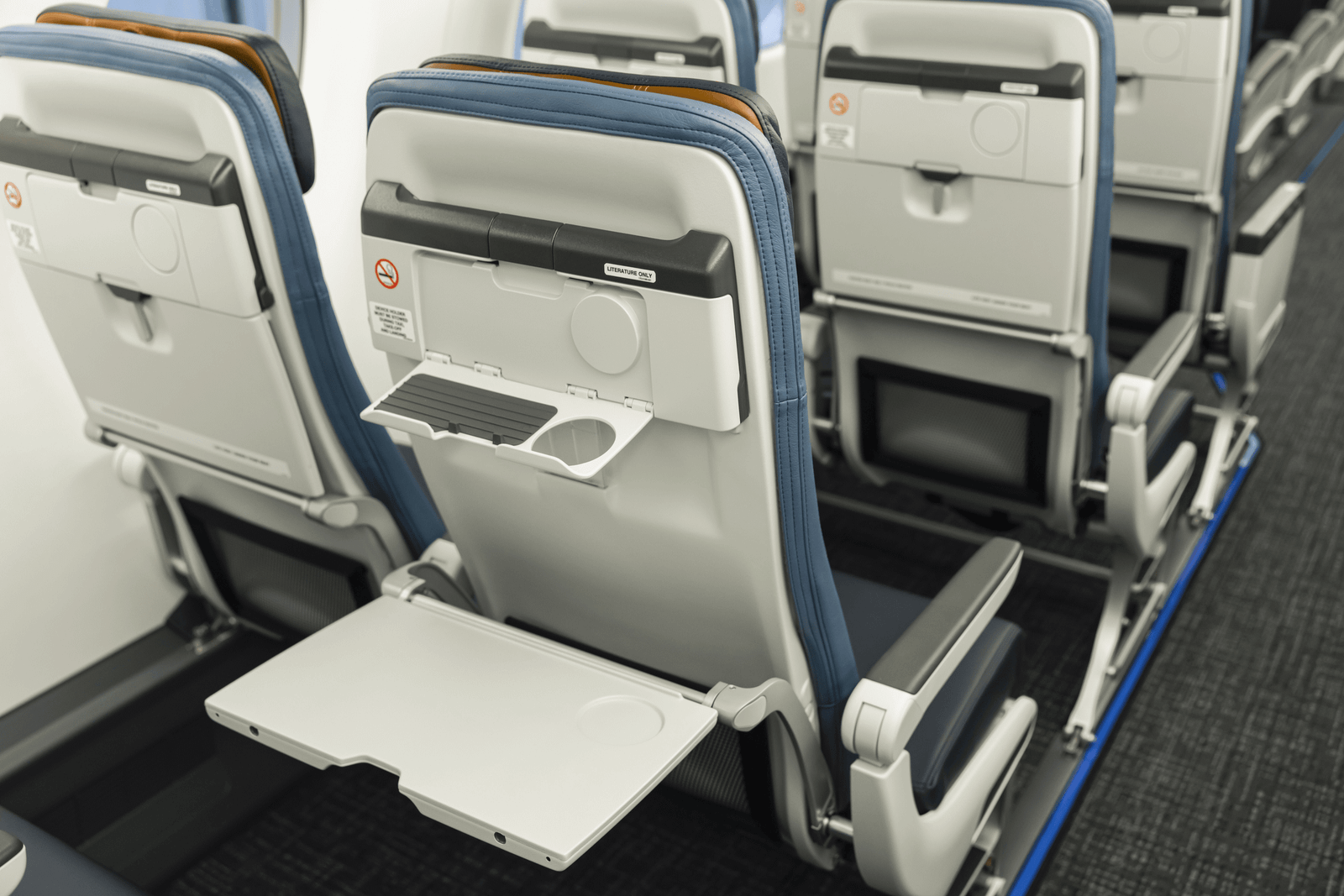
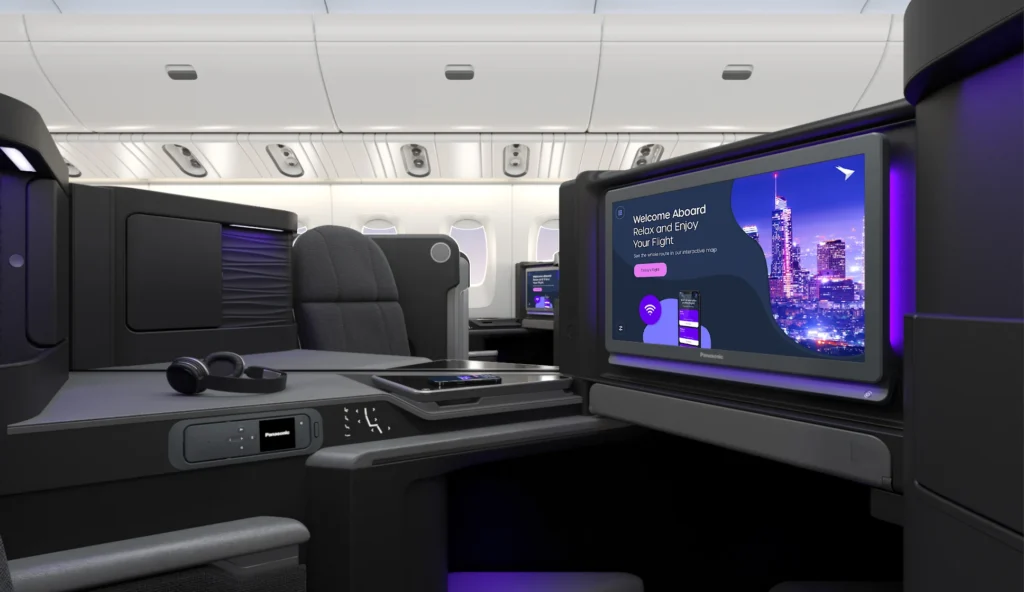
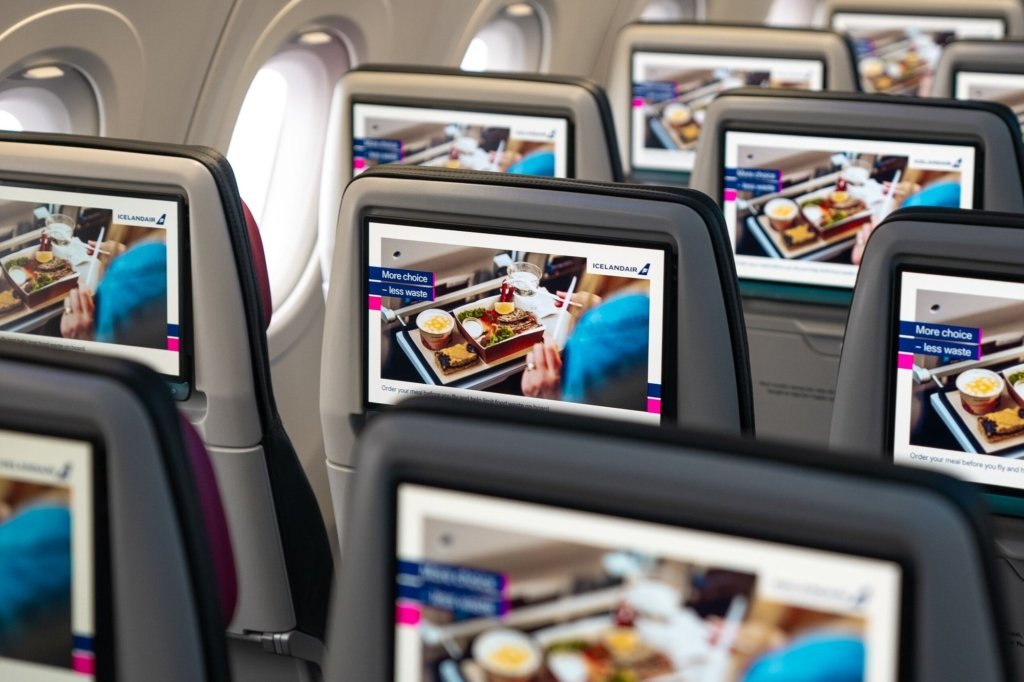
Astrova represents the next generation, with 4K OLED HDR10+ displays, spatial audio with Bluetooth, and up to 100W USB-C power at each seat. Its modular design allows individual components such as screens, seatboxes or peripheral unitsto be upgraded without requiring full cabin retrofits or certification cycles.
The platform has already been selected by more than 30 airlines across over 100 individual programmes, including commitments from Qatar Airways, Saudia and United Airlines for various widebody and narrowbody fleets. IcelandAir became the first carrier to fly the Astrova in December 2024.
The company has also developed Astrova Curve, an ultra-wide OLED screen built on the same Astrova architecture but designed with a cinematic 21:9 aspect ratio for a more immersive viewing experience.
The concept is drawing interest from airlines aiming to differentiate their top-end cabins, with entry into first class expected as carriers revive investments in premium travel. While supply chain constraints around first-class cabin completions may delay rollout timelines, airline interest to integrate the product remains strong.
Panasonic’s India infrastructure push
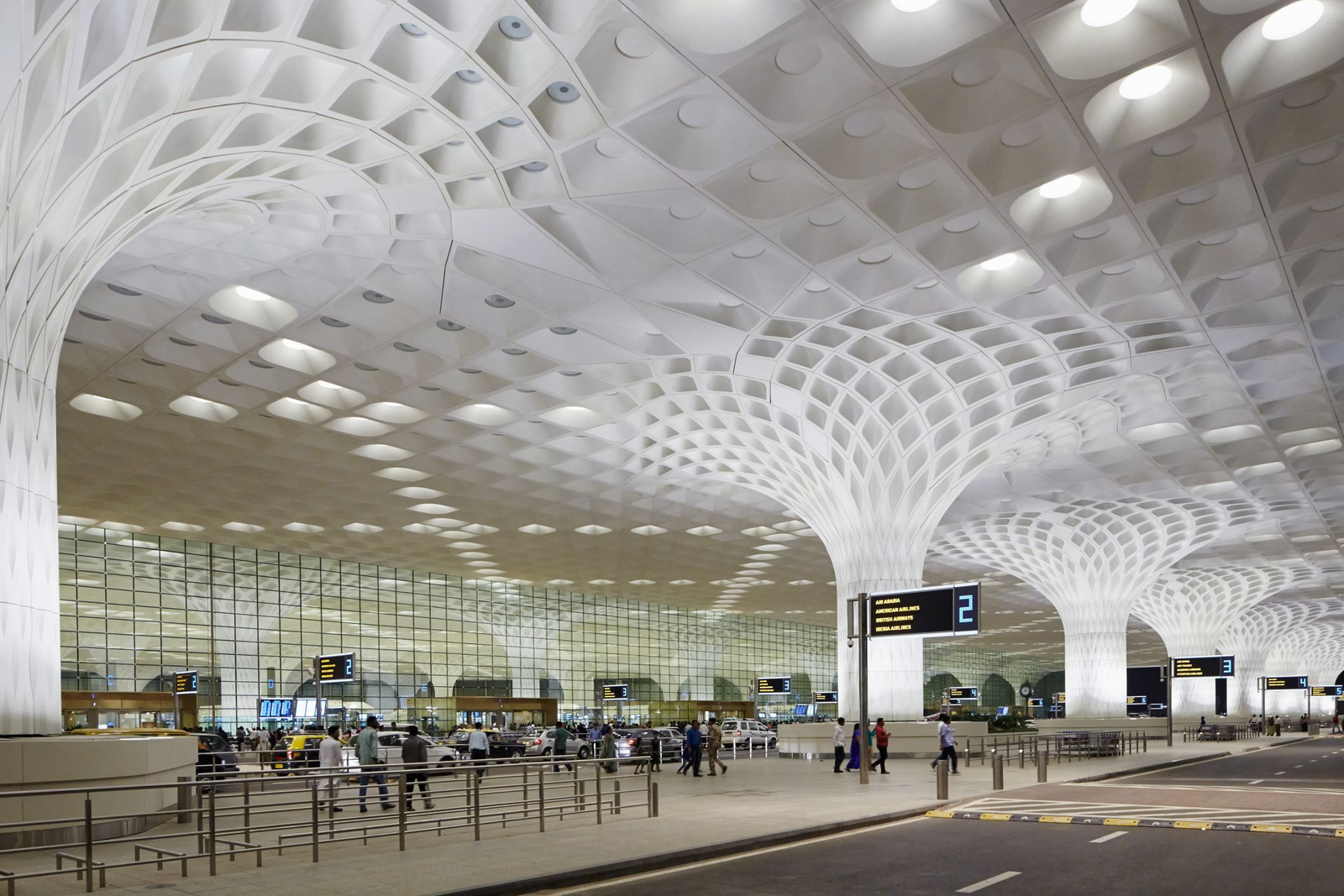
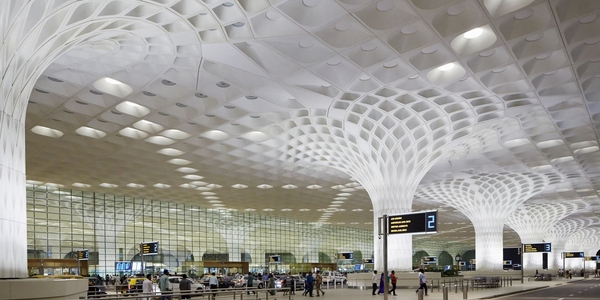
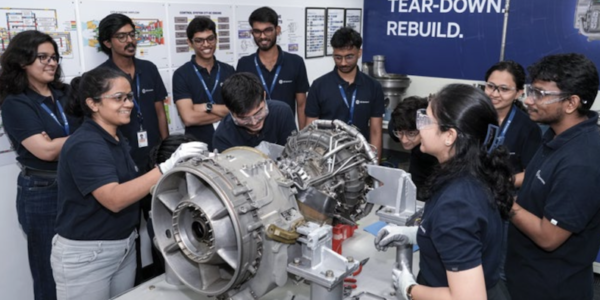
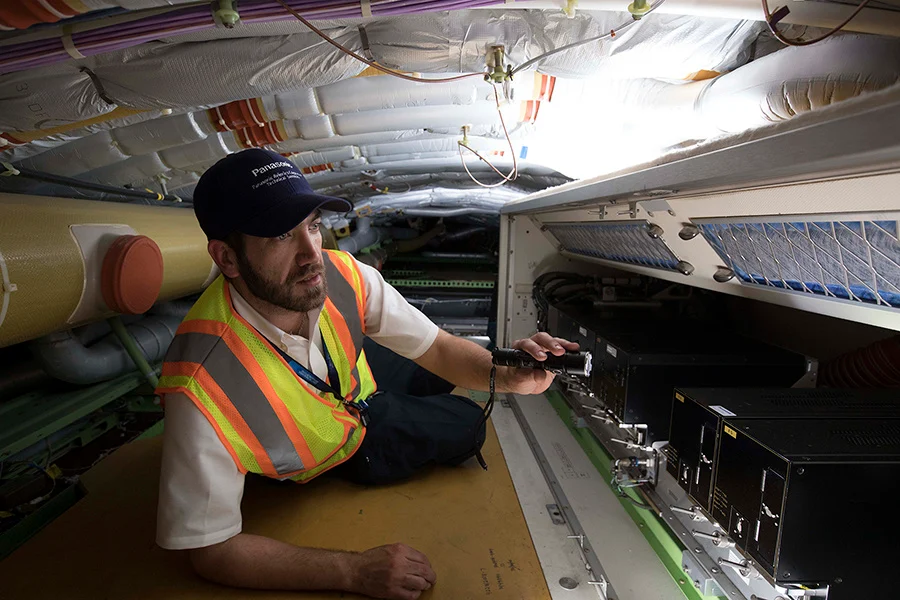
Panasonic Avionics is establishing two new line maintenance stations in Mumbai and New Delhi. These facilities are intended to support real-time monitoring, faster on-aircraft maintenance, and maximise aircraft availability.
The company opened a software design and development facility in Pune, which was inaugurated in July 2024. Developed through a ‘build-operate-transfer’ operation, the centre is the company’s first-in-India facility dedicated to in-flight engagement and connectivity solutions. The facility develops and tests software for IFE platforms with digital tools, mobile apps and passenger engagement systems.
For Air India, the partnership aligns with its fleet renewal and cabin upgrade strategy, where cabin system reliability and passenger comfort are both becoming critical.
Also Read: What LEO and Multi-Orbit Connectivity Mean for Business Aviation in India