








CFM LEAP-1B Engines to Power Up to 60 Boeing 737 MAX Aircraft for Copa Airlines

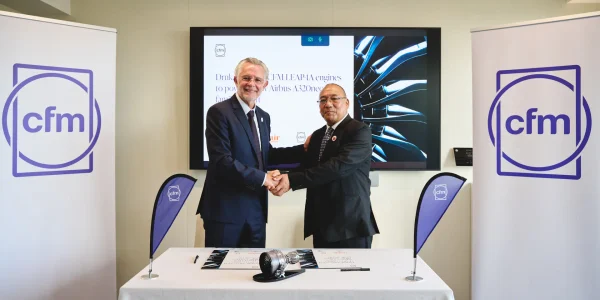
- Copa Airlines will power up to 60 additional Boeing 737 MAX aircraft with CFM LEAP-1B engines, supporting a fleet plan that exceeds 120 aircraft.
- The agreement builds on a relationship dating back to 1999, with CFM engines used across both 737 NG and MAX fleets.
- Maintaining a single engine type supports operational consistency as the airline expands its hub-based network from Panama.

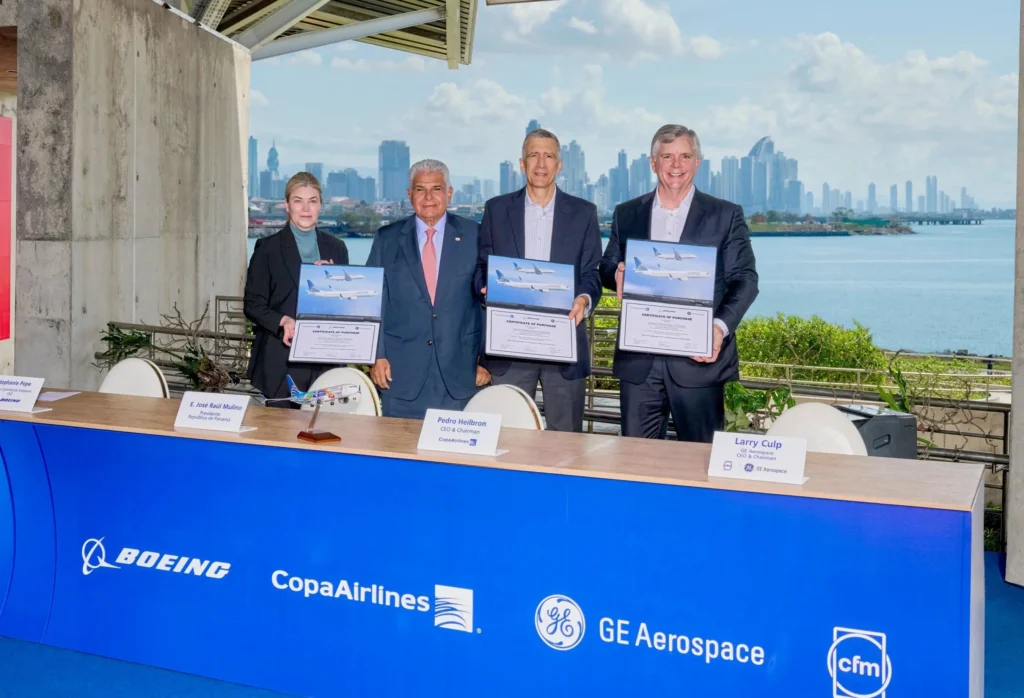
Copa Airlines is extending its long-standing engine partnership with CFM International as it adds more Boeing 737 MAX aircraft to its fleet, with up to 60 additional aircraft—40 firm and 20 options —to be powered by LEAP-1B engines. The agreement supports a fleet plan that will take the airline beyond 120 aircraft, all within the Boeing 737 family, as outlined in the release.
CFM relationship continues with 737 MAX growth
The latest order is part of a supplier relationship that dates back more than two decades, to 1999. Copa first introduced CFM-powered Boeing 737 aircraft with CFM56-7B engines, establishing an engine choice that has remained consistent across its operations. Subsequent fleet additions have continued to use the same engine line.
Today, Copa operates more than 100 aircraft powered by CFM engines, spanning both the 737 NG and 737 MAX generations. More than 30 LEAP-1B-powered aircraft were already part of its orderbook before this latest agreement. The decision to extend that alignment reflects continuity as the airline progresses through a fleet renewal cycle rather than a shift in supplier strategy.
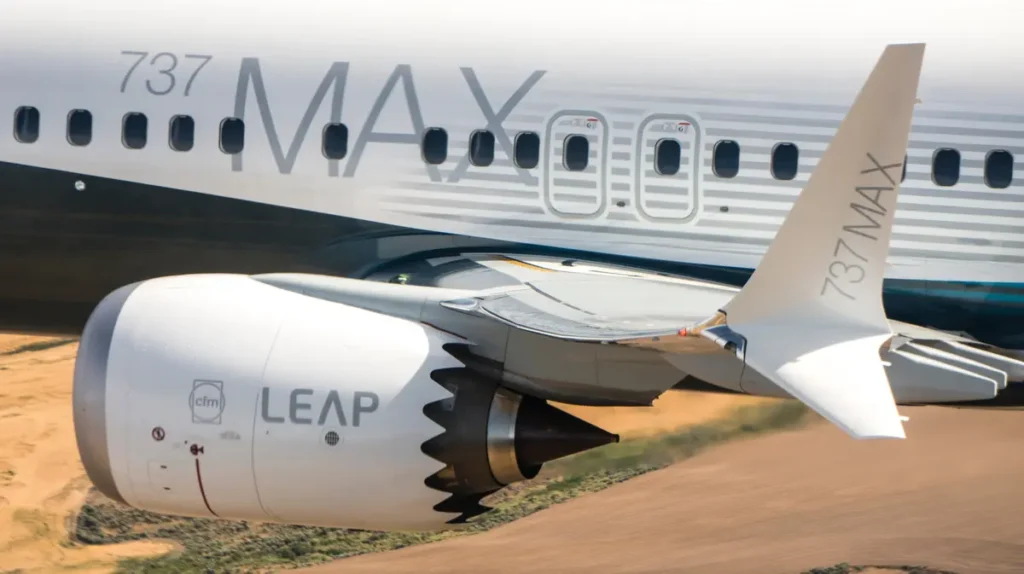
Maintaining a single engine type across a single aircraft type simplifies maintenance programmes, spares provisioning, and engineering workflows. For an airline built around high-frequency operations, those efficiencies support more predictable costs and day-to-day operations.
The transition from the CFM56 to the LEAP engine remains within the same supplier and support structure. While the LEAP platform improves fuel efficiency and emissions, it does so without requiring changes to the airline’s maintenance or training setup. CFM’s role in this relationship also extends beyond the engine itself, supported by CFM’s global maintenance network for high-utilisation narrowbody fleets.
Operations built around the Panama hub
Copa’s operating model is closely tied to its Panama City hub, where the airline has built a structured network connecting cities across North, Central, and South America. The effectiveness of that model depends on schedule integrity across the network, which in turn relies on dispatch reliability and turnaround consistency.
The addition of LEAP-powered aircraft supports capacity growth. The newer engine platform offers lower fuel consumption and emissions compared with earlier-generation CFM56 engines, while incorporating onboard monitoring systems for maintenance planning. For an airline managing tight connection windows, reliability remains central to network performance.
For Copa, these factors are tied to maintaining consistency across a growing operation. As the fleet expands, preserving dispatch reliability across a larger fleet becomes more complex, particularly when aircraft utilisation remains high.
The choice to remain within the Boeing 737 and CFM engine ecosystem reflects a broader pattern among airlines operating similar models.
Standardisation simplifies operations but also concentrates reliance on key suppliers.
In Copa’s case, the fleet is tied to Boeing for airframes and CFM for engines, limiting diversification while enabling tighter control over costs and processes.
Across Latin America, where narrowbody aircraft dominate short- and medium-haul routes, this structure is common. Airlines operating the 737 family align with CFM engines, while A320-family operators align with either CFM LEAP-1A or Pratt & Whitney’s geared turbofan engines. Copa’s approach remains highly standardised, with little deviation from its established configuration.
As the airline moves beyond the 120-aircraft mark, the emphasis remains on scaling within that structure rather than introducing new variables. The additional LEAP-powered aircraft support capacity growth and network expansion, while maintaining consistency across the airline’s hub-based operations.
Also Read: Air India Begins Its Long-Haul Reset With Its First Retrofitted 787-8