












- Adani Group’s plan to shift cargo operations from Mumbai airport to Navi Mumbai has triggered objections from the US, citing potential violations of the India–US Air Transport Agreement.
- The dispute goes beyond infrastructure, raising concerns over market access, airline operating conditions, and the concentration of airport ownership under a single private operator.
- A compromise is likely, with a phased or voluntary transition expected to balance operational needs at Navi Mumbai while avoiding diplomatic friction between India and the United States.
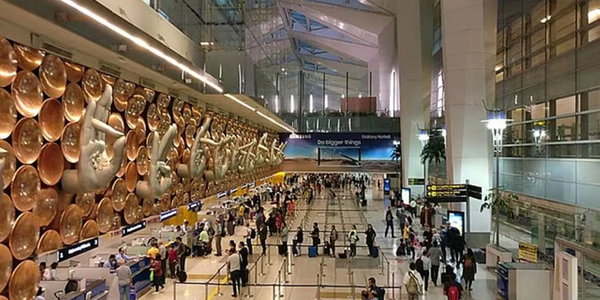
A row over cargo flights in Mumbai is turning into a major issue. It now sits at the intersection of business power, treaty obligations and the changing politics of India-US relations.
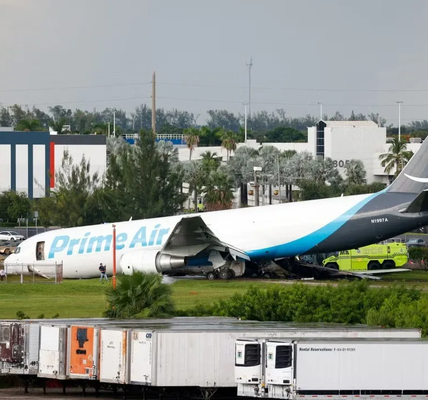
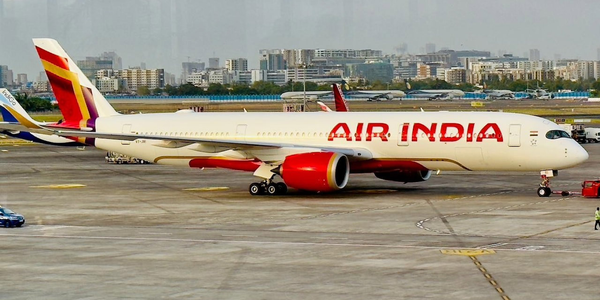
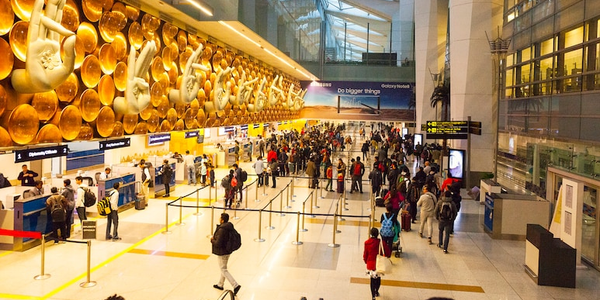
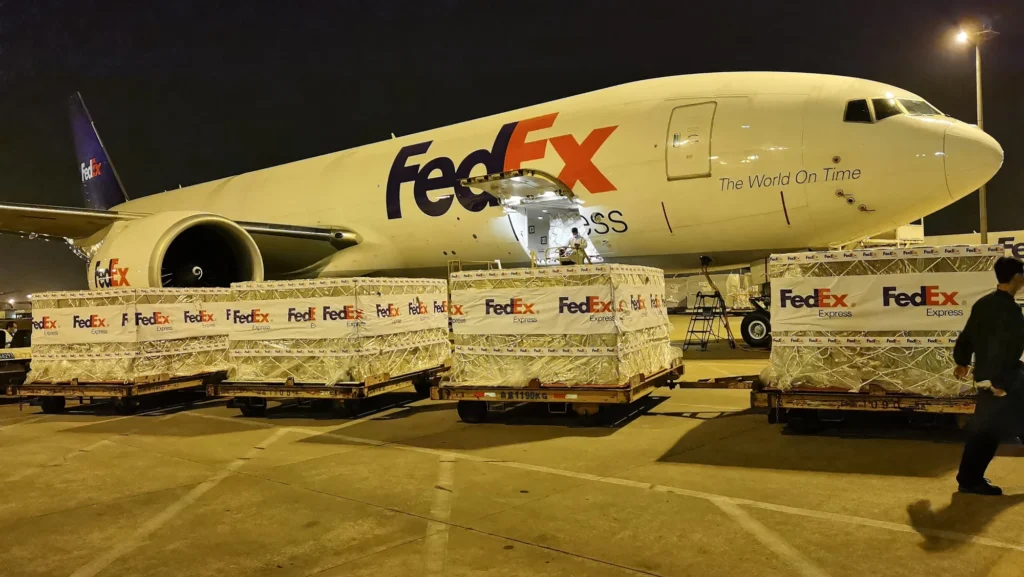
The trigger is Adani Group’s plan to shift freighter and cargo operations from Chhatrapati Shivaji Maharaj International Airport to the new Navi Mumbai International Airport beginning in August 2026, with a phased transition running into May 2027. The move has drawn objections from the United States, which says American cargo operators, including FedEx, should not be compelled to relocate in a manner that may breach bilateral aviation rights.
On the face of it, this is about aircraft parking bays, cargo sheds and operating slots. In reality, it is about who controls access to one of Asia’s most important aviation markets.
Reports indicate that the US Department of Transportation wrote to India’s civil aviation authorities in March, arguing that the proposed relocation could violate the long-standing India-US Air Transport Agreement. The letter mentioned that carriers already operating from Mumbai’s main airport enjoy protections under that treaty, including commercially viable access and operating conditions.
For cargo operators, location matters enormously. Mumbai is home to exporters, pharmaceutical firms, engineering companies and high-value importers. Time-sensitive freight thrives on proximity. Any forced move away from an established gateway can mean longer trucking times, new handling arrangements, altered schedules and added costs.

That is why this is not being viewed in Washington as a routine airport reshuffle. FedEx, currently the only American cargo airline operating from Mumbai, is understood to have raised concerns over losing convenient operating access. Those concerns have now become a government-to-government matter.
Adani Airports has maintained that Mumbai airport is planning refurbishment works, including Taxiway-E and rapid exit taxiways and that could temporarily affect roughly a quarter of cargo handling capacity. From that perspective, diverting some freighter traffic to Navi Mumbai is presented as sensible network management.
While there is logic in that argument, timing and ownership complicate the narrative. Adani controls both airports. Critics, therefore, see the shift not merely as infrastructure management but as traffic steering within a privately controlled system.
The dispute also revives a broader debate around the concentration of airport ownership in India since the Adani Group is already the country’s largest private airport operator, with control of multiple airports across major cities.
For airlines, competition between airports often helps preserve leverage. When the same group runs both facilities, neutrality becomes harder to demonstrate — even when the stated reasons are operationally sound. That appears to be the subtext behind the American intervention.
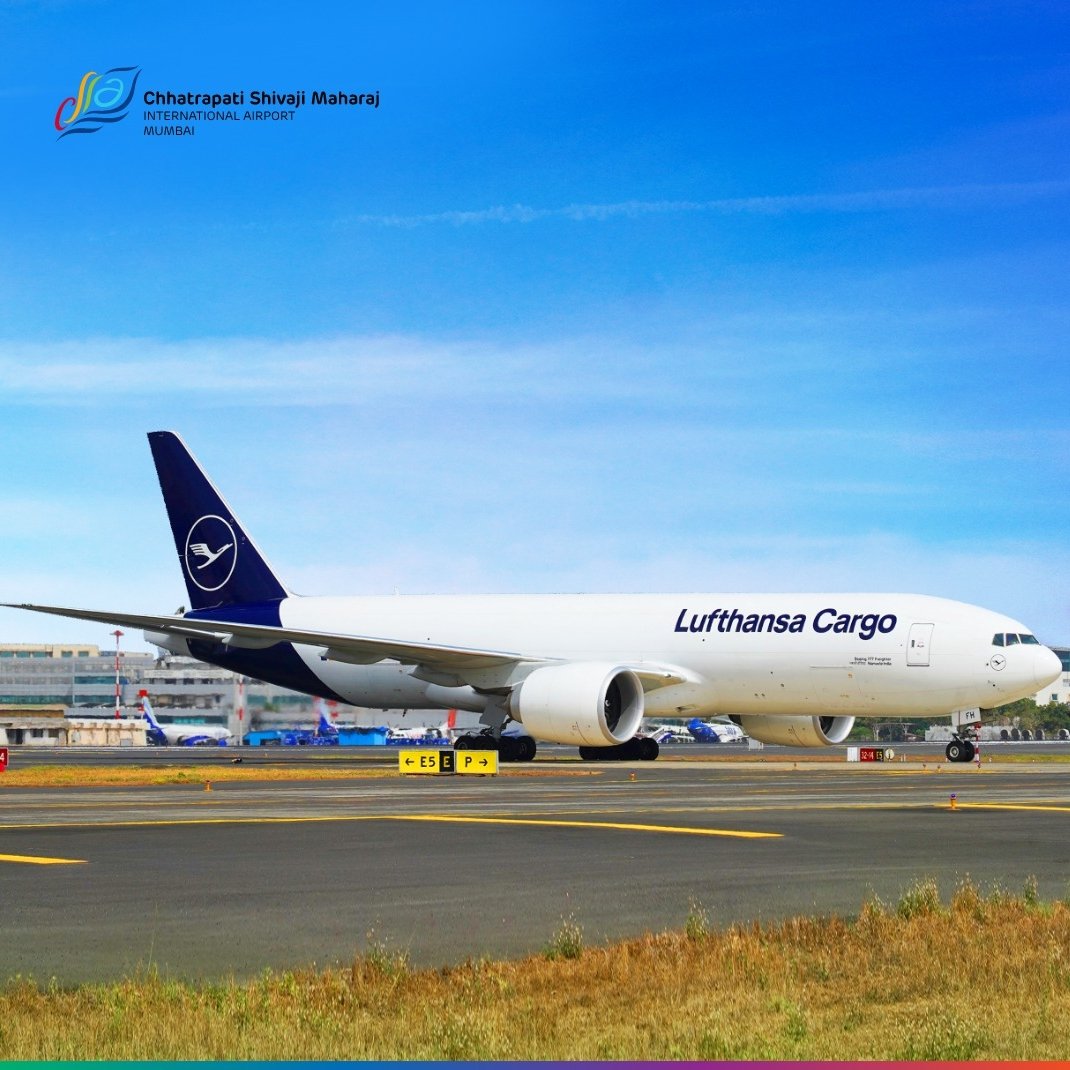
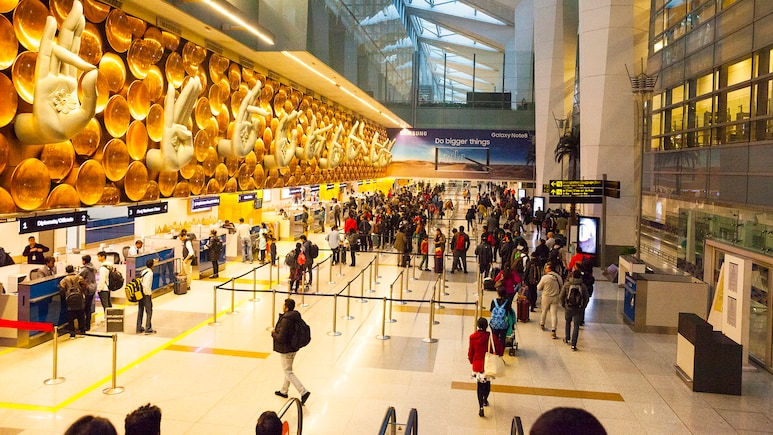
Photo: CSMIA
This is where relations between India and the United States come in. In addition to ties for trade, defence, and technology, there is aviation too. The aviation relationship has deepened through regulatory cooperation between agencies such as the Federal Aviation Administration (FAA) and India’s Directorate General of Civil Aviation (DGCA).
In such an environment, a public dispute over cargo rights is awkward for all sides. Could Adani proceed regardless?
Technically, airport operators can make proposals. But ignoring a formal US treaty objection may prove difficult.
The Indian government would not want a private dispute to become a diplomatic irritant. American carriers and logistics firms matter to India’s trade ecosystem, and Washington has hinted at reciprocal measures. Even if never used, the warning carries weight.
The likeliest outcome is compromise: a voluntary transition, incentives for partial moves to Navi Mumbai, or slower migration tied to infrastructure milestones. That would aid the new airport and preserve diplomatic room.
Also Read: Mumbai’s Air Cargo Pause: What’s at Stake

With more than four decades across print and audiovisual media, Tirthankar (TG) Ghosh is a veteran journalist specialising in aviation, air cargo and logistics. His reporting combines deep industry knowledge, original research and sharp analysis to produce authoritative, evidence-led journalism.