












AVIATAR Electronic Technical Logbook extends into cabin operations, Air Transat first to deploy globally

- AVIATAR eTLB expands into cabin operations, creating a unified digital logbook across cockpit, cabin and maintenance.
- Air Transat deploys the system across 43 A321 and A330 aircraft following Transport Canada approval.
- Implementation completed within 11 months, supporting a shift toward paperless and data-driven Tech Ops.
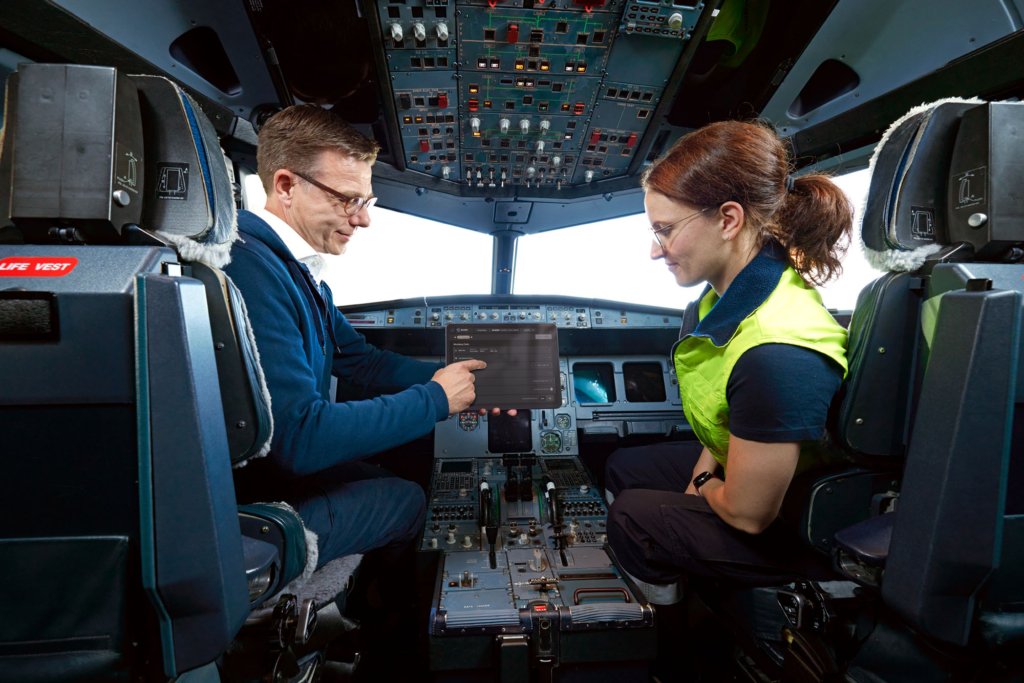
Lufthansa Technik’s AVIATAR platform has introduced an expanded electronic Technical Logbook (eTLB) that brings cabin operations into the same digital documentation framework as cockpit and maintenance workflows, with Air Transat becoming the first airline worldwide to operate the solution across both cockpit and cabin environments in live operations.
The system has been rolled out across Air Transat’s fleet of 43 Airbus A321 and A330 aircraft following approval from Transport Canada, enabling full operational use of the electronic logbook across both short- and long-haul operations, while supporting real-time data flow and improved data transparency across cockpit, cabin and maintenance systems.
Digital logbooks move beyond cockpit workflows
Electronic technical logbooks have typically focused on flight deck and engineering use, replacing paper-based aircraft records with digital entries tied to maintenance systems. The addition of a Digital Cabin Logbook extends this structure to cabin crews, allowing in-flight observations to be recorded through structured inputs and standardised templates and shared directly with cockpit and maintenance teams.
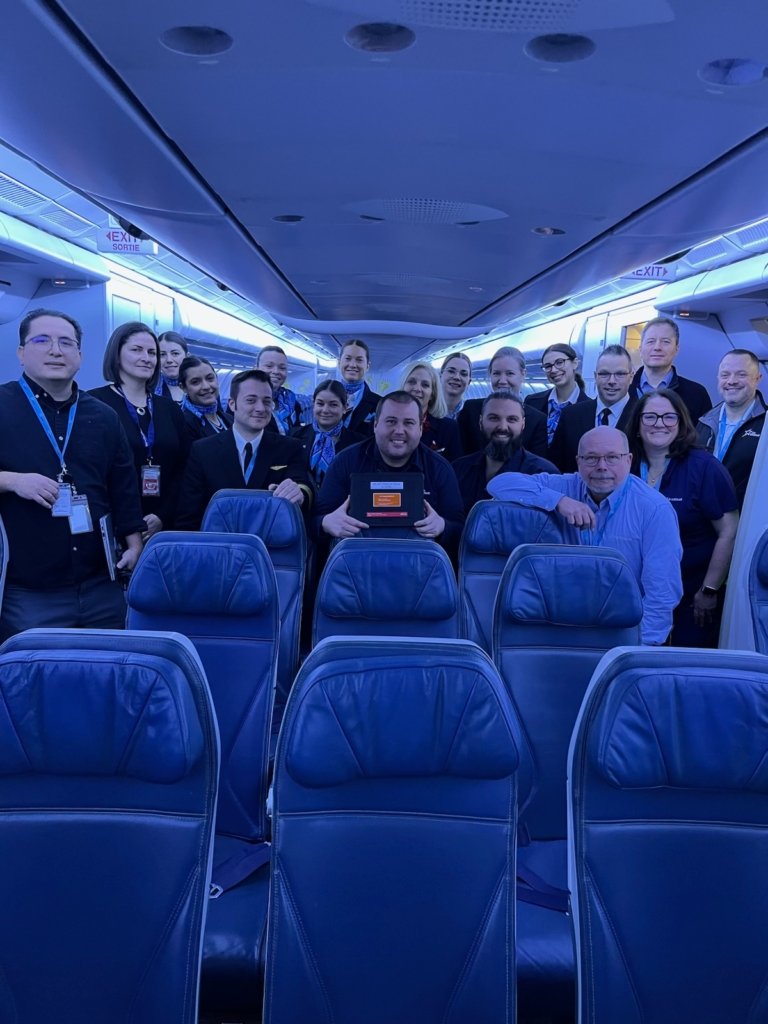
This creates a parallel digital workflow across the aircraft, where inputs from cabin, cockpit and maintenance functions are captured in parallel rather than sequentially.
Lufthansa Technik’s AVIATAR programme leadership indicated that extending digital documentation into the cabin marks a step toward end-to-end digital aircraft record-keeping, enabled by closer coordination between technical operations, flight crews, cabin teams and regulators during implementation.
The system is designed to eliminate paper-based processes while improving data transparency.
By automating technical dispatch processes and removing manual transcription steps, it reduces the risk of inconsistencies that arise when information is transferred between systems, eliminating transcription errors between workflows. Digital signatures and centralised archiving ensure regulatory compliance within the same workflow.
Integration with maintenance and records platforms—including AMOS and flydocs—enables real-time synchronisation of operational data. This allows logbook entries to feed directly into engineering planning, maintenance execution and asset records, rather than remaining isolated within operational reporting streams.
Implementation timeline and integration
The rollout was completed within eleven months, from project launch in February 2025 to full fleet deployment by the end of February 2026, following regulatory approval in January. Initial entry into service began with three aircraft before scaling across the fleet, supported by a dedicated post-entry hypercare phase to stabilise operations in live service.
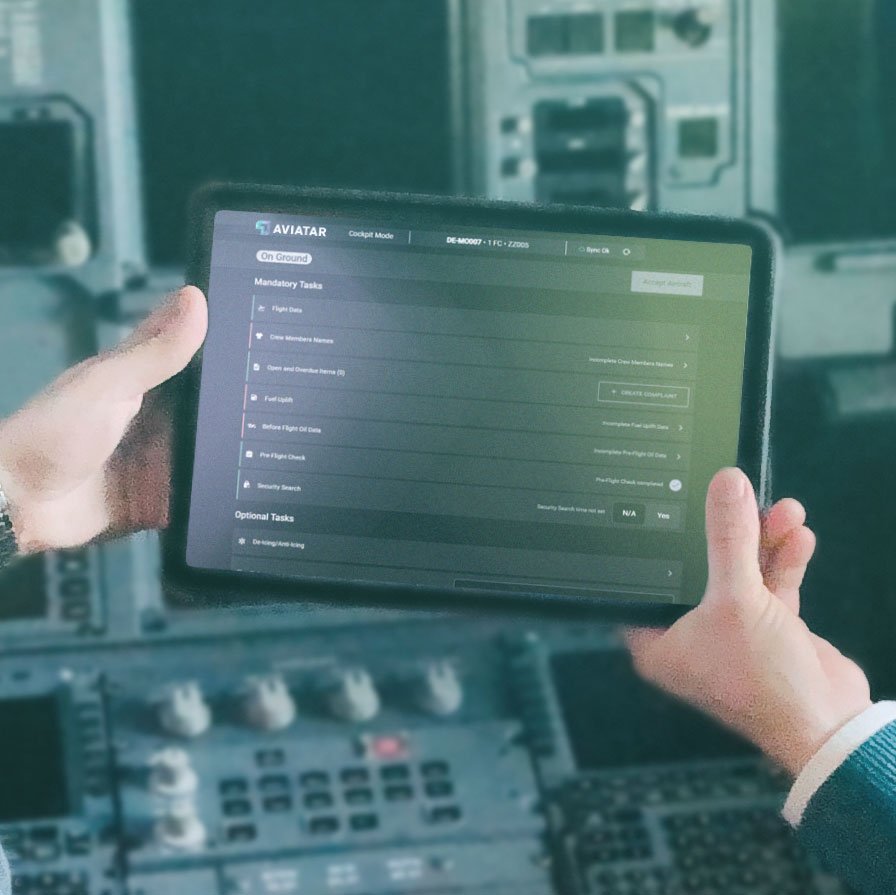
Air Transat’s systems and operations leadership described the programme as a closely coordinated effort involving technical operations, flight operations, IT, training teams and Transport Canada, with multiple on-site workshops used to refine the system during development. The flexibility of the eTLB allowed it to be adapted to different operational requirements across these stakeholders while maintaining a single integrated workflow.
The implementation forms part of Lufthansa Technik’s broader Digital Tech Ops Ecosystem, where AVIATAR functions as the data and analytics layer alongside maintenance and engineering software and digital records management systems. Air Transat has been using AMOS since 2007, and the addition of the electronic logbook aligns with its transition toward a fully digital technical operations environment.
Both companies are now evaluating further integrations, including predictive health analytics and condition monitoring, building on the structured operational data generated through the logbook system as part of a longer-term move toward fully paperless Tech Ops.
Also Read: What LEO and Multi-Orbit Connectivity Mean for Business Aviation in India