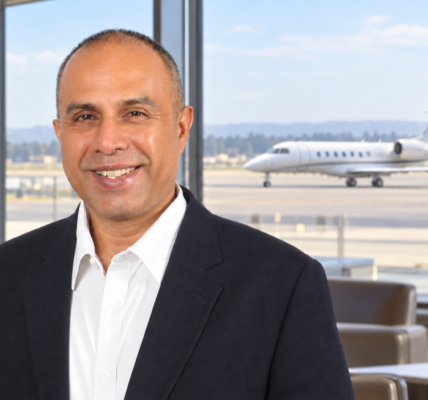




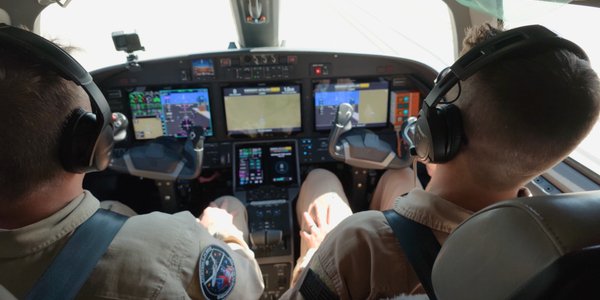





When IndiGo’s flight cancellations last December exposed a pilot shortage that carriers and regulators had both seen coming, it reframed a conversation the Indian industry had been having quietly for years. Aircraft are arriving faster than trained crews can be produced, and domestically, the pipeline from FTO to cockpit has never been structured to absorb this pace of induction. Training infrastructure, certification pathways, and how India actually develops its pilots are the questions that matter right now. Simon Azar, Vice President, Commercial Aviation, Asia Pacific, CAE outlines how CAE is building simulator capacity, embedding advanced training frameworks, and working with Indian airlines and regulators to accelerate pilot readiness.
India’s aviation market is expanding rapidly. How is CAE strengthening its training infrastructure, technology capabilities, and partnerships to support this growth?
India is among the fastest-growing aviation markets globally, and CAE is proud to play a pivotal role in supporting this growth through advanced training solutions. Recognising the surge in demand for skilled pilots, we have made significant investments to expand our training infrastructure and capabilities across the country.
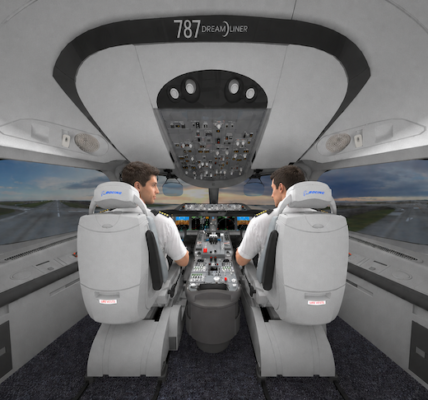
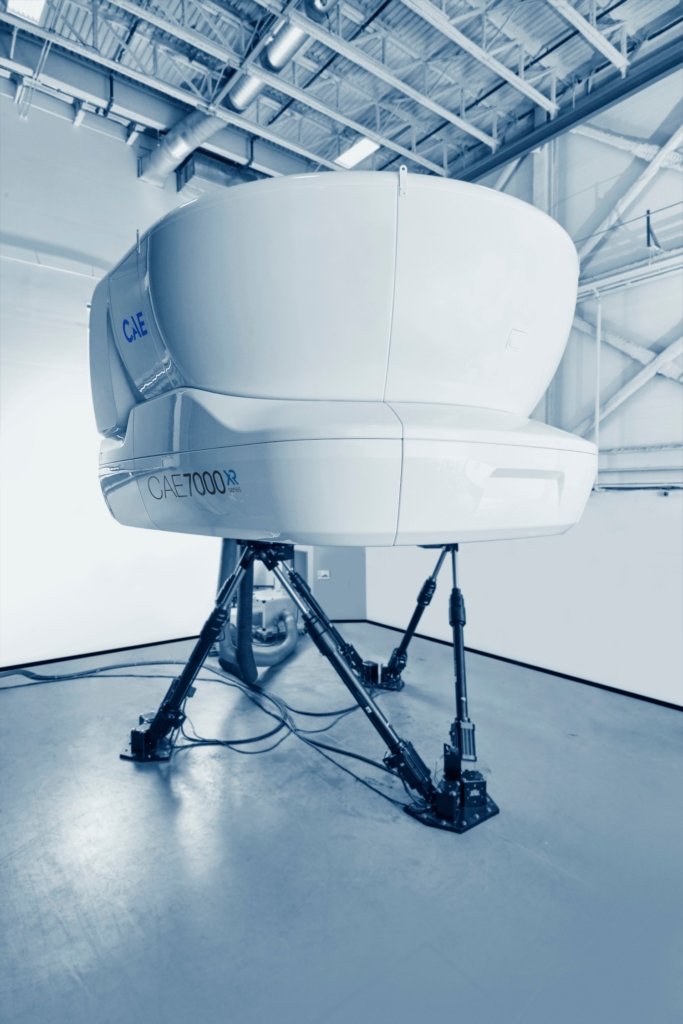
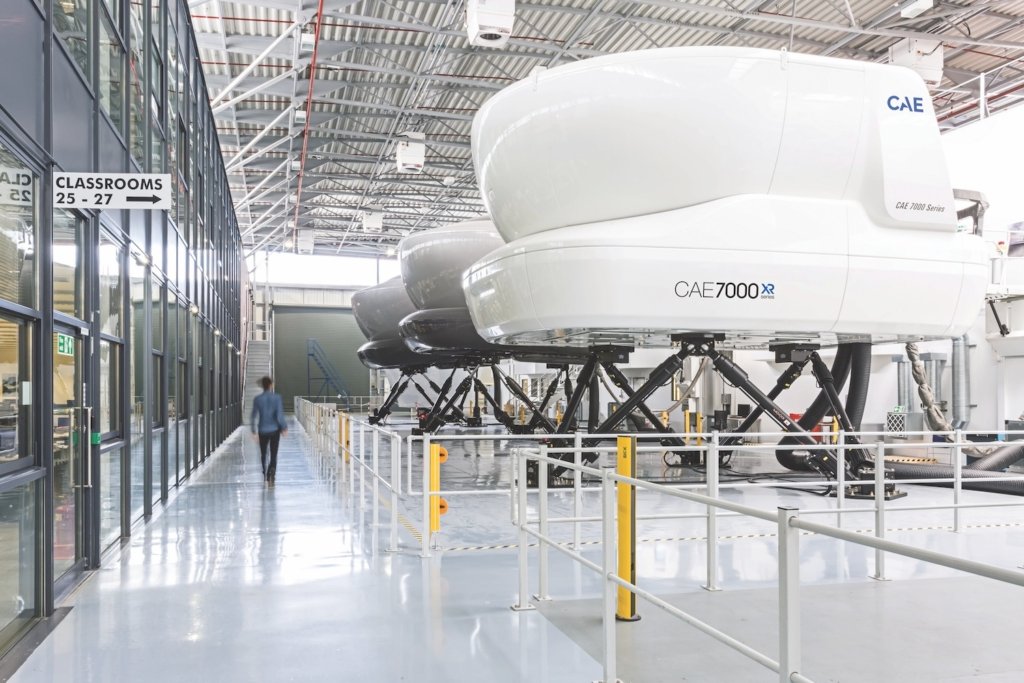
To deliver on this commitment, our training centres in India feature state-of-the-art full-flight simulators for Airbus A320, Boeing 737 MAX, and ATR platforms, covering the aircraft types most widely operated by Indian carriers. This comprehensive platform coverage ensures that pilots receive training aligned with real-world operational needs.
Infrastructure alone, however, is only part of the story. CAE continues to lead through technology innovation, introducing cutting-edge simulation systems and digital tools in collaboration with leading airline partners. These advancements enhance training efficiency, improve safety, and increase adaptability—ultimately driving better operational performance for both airlines and pilots.
Our approach is strengthened by strategic partnerships. By working closely with major Indian carriers and Flight Training Organizations, we deliver tailored programs that meet their operational requirements and support long-term growth strategies.
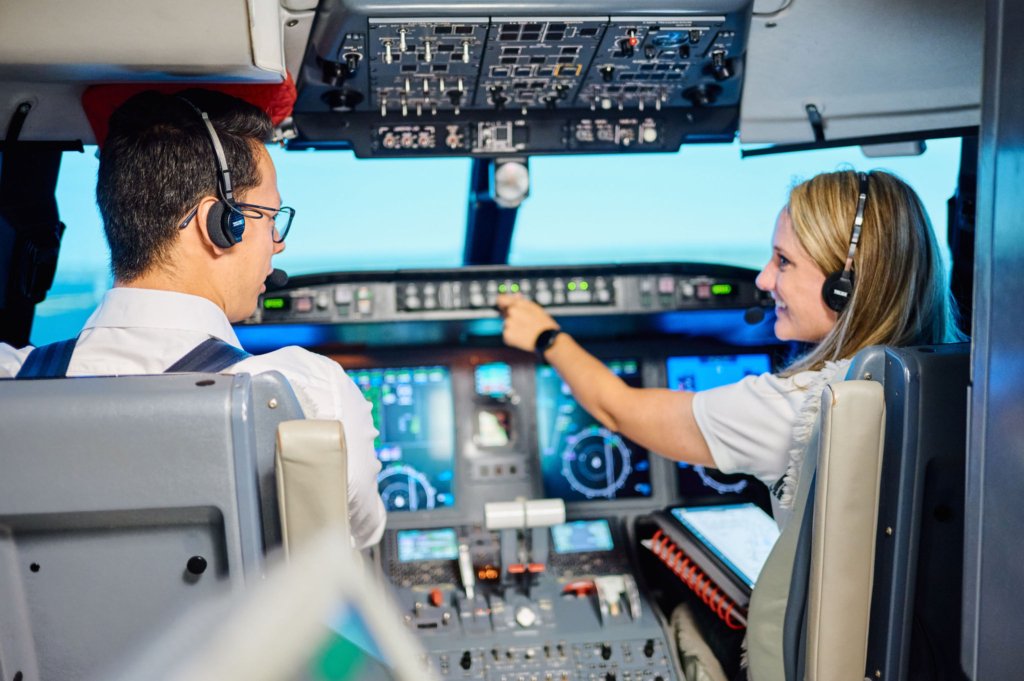
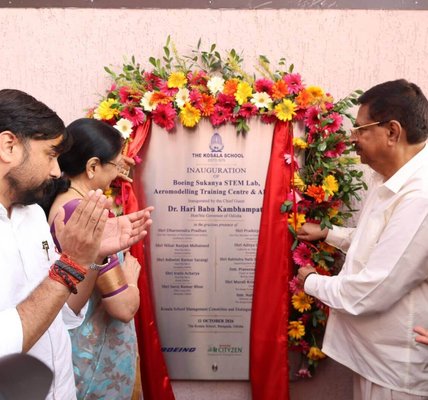
Equally central to our mission is fostering diversity and inclusion. In partnership with a leading Aircraft OEM, CAE supports initiatives that encourage more girls across India to pursue careers in aviation. This reflects our belief that the future of aviation should be inclusive and accessible to all.
As India’s aviation sector accelerates, CAE remains committed to providing world-class training solutions and helping airlines build a strong pipeline of skilled pilots for the future.
How is CAE expanding its simulator capacity and training network in India?
India’s aviation market is experiencing unprecedented growth, driven by record aircraft orders and a surge in demand for highly trained pilots. CAE is strategically positioned to meet this demand through significant investments in training infrastructure and advanced technologies.
The recent launch of our state-of-the-art, 6-bay training centre in Mumbai underscores our commitment to building capacity at scale. Alongside our established centres in Greater Noida, Gurugram, and Bengaluru, we now operate one of the largest training networks in the country, with the capability to support up to 23 full-flight simulators.
These simulators integrate the latest advancements in immersive technology and data-driven insights, ensuring pilots are prepared for the complexities of modern aviation. Through these strategic investments and by combining physical infrastructure with digital innovation, CAE is ensuring that India’s growing aviation industry has the skilled workforce it needs to thrive.
How is CAE addressing this gap through its academies, partnerships, and training initiatives?
India’s aviation sector is growing rapidly, and the demand for skilled pilots is outpacing supply. CAE Talent Forecast shows that India will require 22,000 commercial pilots by 2034. At CAE, we see ourselves as a key enabler in bridging this gap through our own world-class training academies and strategic collaborations.
Drawing on decades of global experience in pilot training and simulation, we bring best-in-class practices to India while tailoring programs to meet both regulatory standards and the specific operational needs of Indian airlines. This approach ensures pilots are trained to international benchmarks and fully prepared for local requirements.
To achieve this, we combine the strength of our own academies with strategic partnerships—working closely with leading Indian carriers and Flight Training Organisations (FTOs) to design and deliver customised training programs aligned with their growth plans.
These partnerships, supported by advanced training infrastructure, accelerate pilot development and enhance readiness.
Our commitment to innovation goes further. CAE has been working closely with leading airline customers and regulators to define the framework for Multi-Crew Pilot Licence (MPL) introduction in India, adapting global best practices to local regulatory and operational needs.
This initiative transforms pilot development by combining rigorous safety standards with streamlined efficiency, enabling airlines to induct skilled, operations-ready pilots faster and more reliably.
By leveraging global expertise, adapting to local needs, and delivering training through both our academies and strategic partnerships, CAE is committed to building a strong pipeline of highly skilled pilots to support India’s aviation growth story.
How is CAE working with airlines and regulators to introduce advanced training methodologies?
CAE has always maintained a strong collaborative approach with the aviation ecosystem in India. We work closely with leading airlines to understand their long-term growth trajectories and partner with the regulator to align with the industry’s vision and priorities. At the same time, we engage extensively with OEMs to define advanced training methodologies that keep pilots future ready.
Reflecting this commitment, our role as a Boeing Authorised Training Provider—and the first to bring Boeing’s Competency-Based Training and Assessment (CBTA) curriculum to India—demonstrates our dedication to elevating training standards in the country. This approach focuses on developing the skills, knowledge, and behaviours essential for safe and efficient operations in today’s dynamic air transport environment.
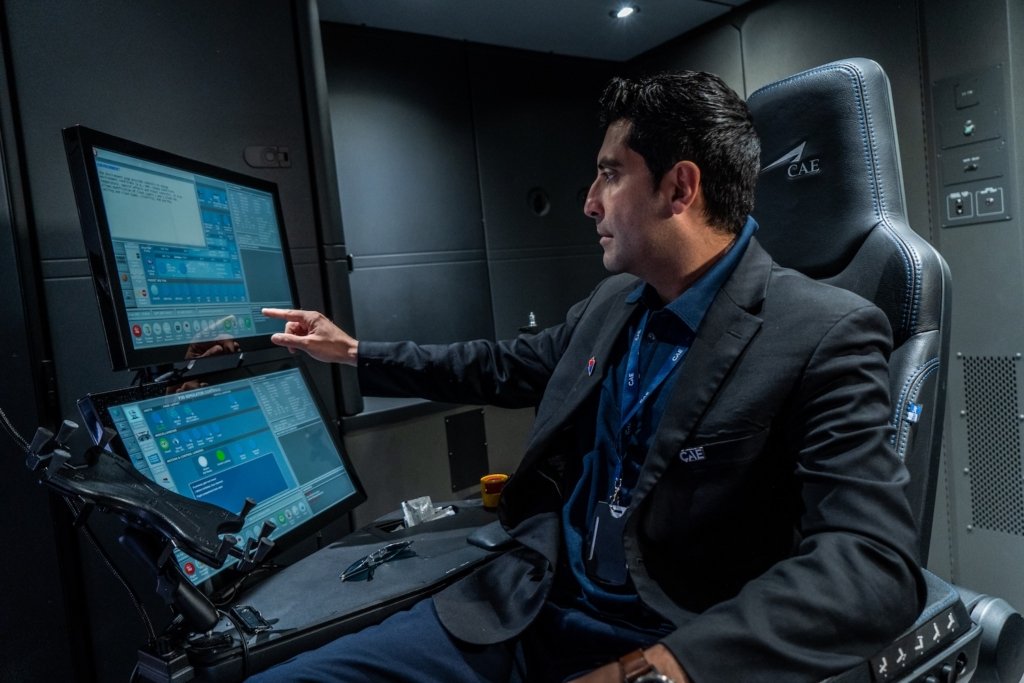
Our recent expansion of the Mumbai Training Centre and induction of new simulators are tangible outcomes of these long-standing partnerships. They reflect not only our close collaboration with airlines and OEMs but also our ability to translate strategic insights into infrastructure and capability enhancements.
Ultimately, these collaborations enable us to anticipate future requirements and plan proactively.
By scaling infrastructure and introducing advanced training programs across our academies, we ensure that we are not just meeting today’s needs but are well-prepared to support the industry’s growth for years to come.
How is CAE adapting its training programs to reflect India’s operating environment, including short runways and complex regional operations?
CAE’s training programs are tailored to meet the operational requirements of airlines in the region. Our simulators can replicate a wide range of environmental conditions and include an extensive library of airports, enabling pilots to train on scenarios that reflect real‑world regional challenges.
In India, CAE integrates local operating conditions directly into simulator scenarios and CBTA‑based training programs. This includes short‑runway operations, high‑temperature (“hot‑and‑high”) performance, and the complexity of India’s diverse regional routes.
Simulators for A320, 737 MAX, and ATR platforms incorporate short‑field takeoff and landing profiles, monsoon and convective weather, terrain‑specific procedures, and high‑density airport operations.
By combining data‑driven CBTA methodology with CAE Rise analytics, we ensure training targets the real operational risks faced by Indian fleets.
How do you see demand evolving worldwide in the next decade?
Worldwide demand for pilots, maintenance technicians, and cabin crew is expected to continue rising significantly over the next ten years, driven by sustained air traffic growth, record aircraft orders, and a large wave of retirements.
CAE’s Aviation Talent Forecast shows that the industry must prepare for accelerating hiring needs across all regions, particularly in Asia‑Pacific, while business aviation also continues to rebound strongly. Training will remain a critical enabler in addressing these workforce shortages and ensuring the industry can meet its operational needs.
How is CAE leveraging technologies such as AI, VR, and data analytics to enhance pilot training and improve training outcomes?
CAE is actively transforming aviation training through advanced technologies. With CAE Rise™, data analytics are used to deliver more objective, standardised, and efficient training by providing real‑time performance insights to instructors and trainees.
Immersive technologies, including VR and mixed‑reality, elevate the learning experience by enabling pilots to build muscle memory and practice realistic scenarios anytime, anywhere, as demonstrated with innovations like the Apple Vision Pro immersive trainer.
Across CAE’s digital ecosystem, AI is also integrated to optimise training design, automate analysis, enhance debriefing, and support a more adaptive, competency‑based training approach.
With the emergence of urban air mobility and eVTOL aircraft, how is CAE preparing training solutions for these new platforms?
CAE is deeply engaged in shaping the next generation of eVTOL training by partnering with leading OEMs and delivering end‑to‑end solutions across the aircraft lifecycle—from engineering simulation support to pilot and technician training, workforce sourcing, and mission readiness.
Given the unique operational demands of eVTOLs (urban environments, single‑pilot operations, new mission profiles), CAE is developing flexible, high‑fidelity simulation capabilities and mixed‑reality devices tailored to these aircraft.
Recent programs, such as the flight simulators developed with Joby Aviation, illustrate CAE’s commitment to building scalable, certifiable training infrastructure that supports safe commercial Urban Air Mobility (UAM) deployment.
Also Read: The Missing Link in Air Traffic Management: Managing Delays on the Ground