
















DGCA Releases Ebola Safety Guidelines for Airlines Flying From Uganda and Congo

DGCA News
New Delhi, May 25, 2026: India’s aviation regulator, the Directorate General of Civil Aviation (DGCA), has issued new precautionary guidelines for airlines operating flights connected to Uganda and the Democratic Republic of the Congo amid growing concerns over the Ebola outbreak in parts of Africa.
The new Standard Operating Procedure (SOP) aims to strengthen India’s preparedness against possible cross-border health risks and improve monitoring of international passengers arriving from affected regions.
The DGCA stated that airlines must follow strict health screening procedures for passengers travelling from Ebola-affected countries. The guidelines focus on early detection of suspected cases, immediate isolation measures, and coordination with airport health authorities.
Authorities have become more alert after Ebola cases increased in some African regions. Although no Ebola cases have been reported in India, aviation and health officials are taking preventive steps to avoid any potential spread of the virus through international travel.
Under the new SOP, passengers travelling from Uganda and the Democratic Republic of the Congo will be required to complete health declaration forms before boarding their flights. The forms will help authorities identify passengers who may show symptoms or have had possible exposure to infected individuals.
The DGCA said the measure is designed to support early medical intervention if any suspected case is identified during travel or after arrival in India.
Airlines have been instructed to ensure full compliance with all screening and safety procedures. They must identify passengers showing symptoms such as fever, vomiting, weakness, bleeding, or other signs associated with Ebola.
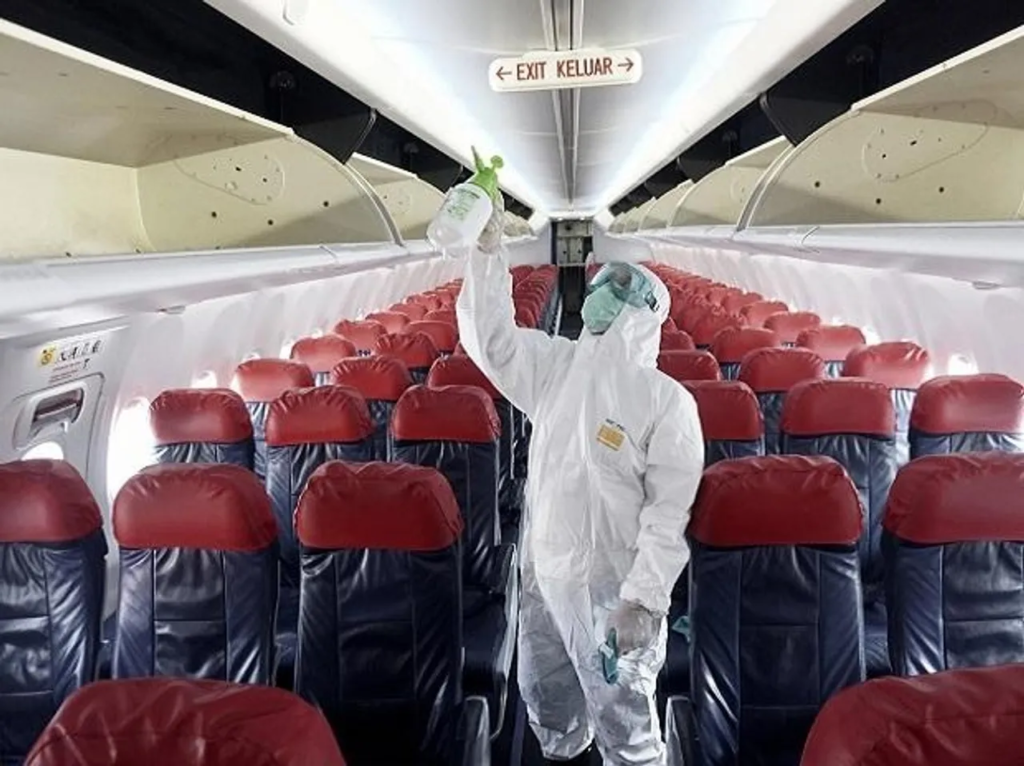
If any suspected passenger is identified during a flight, airlines have been directed to arrange segregated seating to reduce the risk of infection spreading to other travellers. Cabin crew and airport authorities must also coordinate closely for immediate medical response after landing.
The aviation regulator emphasised that all airlines must remain fully prepared to manage any health-related emergency connected to infectious diseases.
The SOP applies to several international airlines operating routes linked to Uganda and Congo. These include Ethiopian Airlines, Kenya Airways, Emirates, Qatar Airways, Turkish Airlines, Etihad Airways, Air France, Uganda Airlines, Air India, IndiGo, Akasa Air, KLM, Flydubai, Air Arabia, and others.
The guidelines cover both direct and connecting flights involving passengers travelling from Ebola-affected regions.
India has already increased health surveillance at major international airports. Airport health officers, thermal screening teams, and medical response units have been placed on alert to monitor passengers arriving from high-risk regions.
Experts say airports play an important role in preventing the spread of infectious diseases because international air travel can quickly carry viruses across countries and continents.
The World Health Organization (WHO) recently declared the Ebola outbreak in certain African regions a Public Health Emergency of International Concern, prompting countries worldwide to increase monitoring and preparedness measures.
Health officials have stressed that early detection and isolation remain the most effective ways to control Ebola outbreaks. The virus spreads through direct contact with infected bodily fluids, making rapid identification of suspected cases extremely important.
The DGCA’s new guidelines reflect India’s efforts to strengthen public health safety and maintain strict aviation health standards during global health emergencies.

Ajeet Yadav is an aviation enthusiast covering airline news, airports, aircraft, and industry developments through well-researched and reliable reporting.