











Resilient, Scalable, Sustainable: Alstef’s Approach to India’s Airports


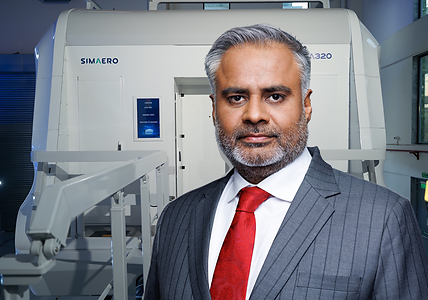
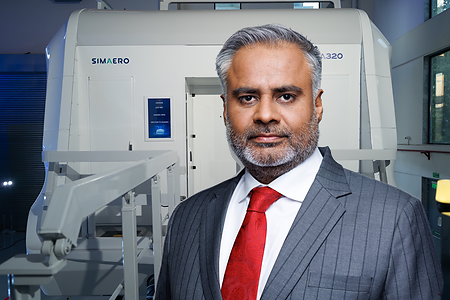
Indian airports have moved past the stage where baggage handling is just hardware on a drawing board; it is now tested as traffic increases and operations become more demanding. System design alone is no longer enough — performance on busy days is what defines how well it works, when turnarounds are shorter and there is little margin for delay. This brings greater attention to how systems are set up, supported, and made to work within Indian airport operations. Greater weight now rests on local capability, quicker response, and systems that can adapt to different airport conditions. Tennyson Anthony, Managing Director – India, Alstef, explains how the company is strengthening its capabilities in India to meet these demands.
How do you see India’s role within Alstef’s regional operations?
India has become an important regional manufacturing and engineering base. The combination of industrial capability, skilled talent, and strategic location creates real opportunities to support neighbouring markets over time. As the Pune facility continues to mature, we see clear potential for India to play a broader role within Alstef’s regional and global operations.
How is Alstef developing local capability in India?
Building local capability is a key part of our long-term approach in India. Technology is only as strong as the people who design, install, operate, and maintain it. That is why we place importance on training, knowledge transfer, and developing skilled local teams who understand both the technology and the operational realities of Indian airports. This strengthens project delivery and supports sustainable growth in the sector.
How does localisation support supply chain stability?
Local sourcing improves resilience in several ways. It reduces dependence on long international supply chains, shortens procurement timelines, and allows us to react faster when market conditions shift.
It also supports closer relationships with suppliers, better quality oversight, and greater flexibility in project execution. In a world where supply chain volatility remains a reality, localisation gives both us and our customers more confidence.
What role does the Pune facility play in supporting baggage and cargo projects in India?
Our Pune facility has strengthened our ability to serve the Indian market with greater speed, responsiveness, and local relevance. By manufacturing and assembling key equipment closer to our customers, we can reduce lead times, improve project coordination, and provide solutions better aligned with local airport requirements.
It has also enhanced our ability to support both baggage and air-cargo handling developments with a stronger in-country industrial footprint.
How are your systems adapted to India’s varied airport requirements?
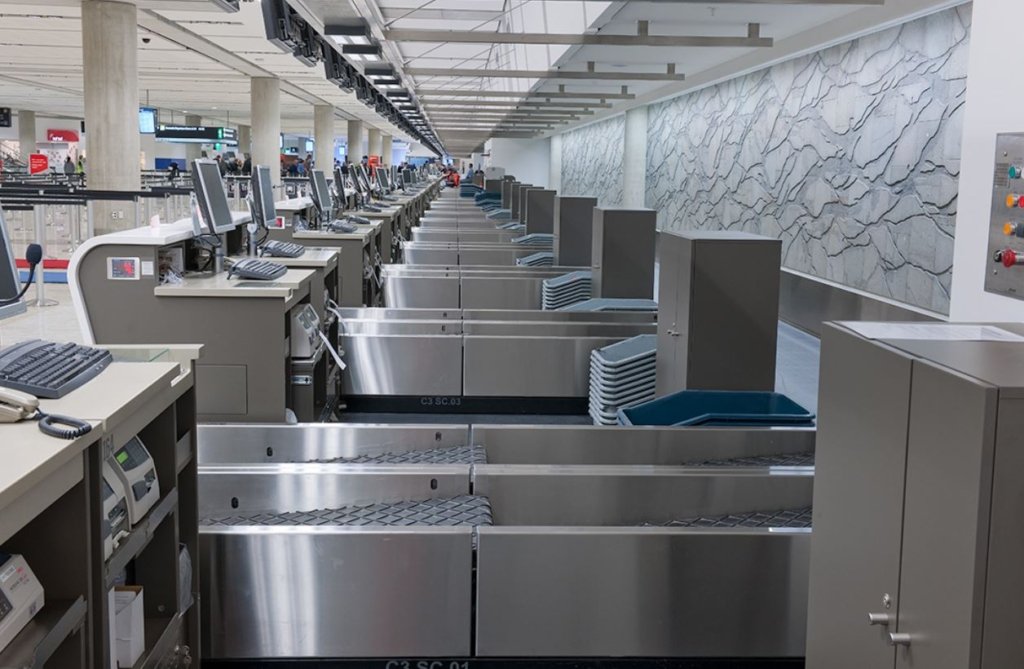
India’s airport landscape is highly diverse, so our approach is never one-size-fits-all. We design scalable, modular baggage handling systems that can be adapted to different terminal footprints, traffic profiles, and future growth plans.
For larger hubs, that may mean high-capacity, highly automated systems, while for emerging airports we focus on efficient, reliable layouts that can expand as passenger demand increases.
How have your collaborations with Cochin Airport, Adani, and AAI shaped your approach in India?
These collaborations are important because they allow us to contribute to very different airport environments – from privately operated airports to major public infrastructure programmes. They help us deepen our understanding of India’s operational expectations, regulatory context, and long-term growth ambitions.
Over time, these partnerships position Alstef as a trusted technology partner able to support India’s aviation expansion with proven expertise and local commitment.
How is sustainability built into your systems in India?
Sustainability is increasingly built into the way we design and deliver our systems. This includes energy-efficient equipment, smart controls that optimise system use, durable components that reduce lifecycle impact, and design approaches that support efficient maintenance and long-term performance.
Local manufacturing also contributes by reducing transport-related impacts and strengthening the sustainability of the supply chain.
How do your systems support a smoother passenger experience?
Passenger expectations are rising, and baggage handling plays a direct role in the travel experience. Our focus is on reliability, speed, and system visibility – helping bags move efficiently from check-in to screening to make-up and arrival.
By reducing bottlenecks, improving tracking, and supporting smoother operations behind the scenes, we help airports deliver the kind of seamless experience passengers increasingly expect.
How are automation and predictive maintenance being applied in your systems?
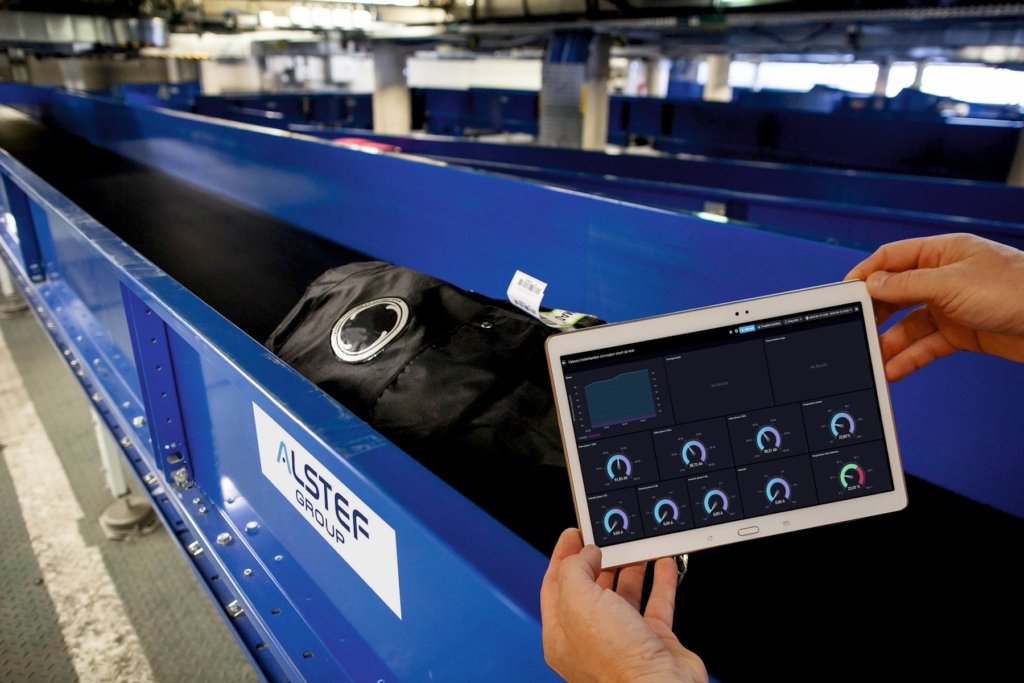
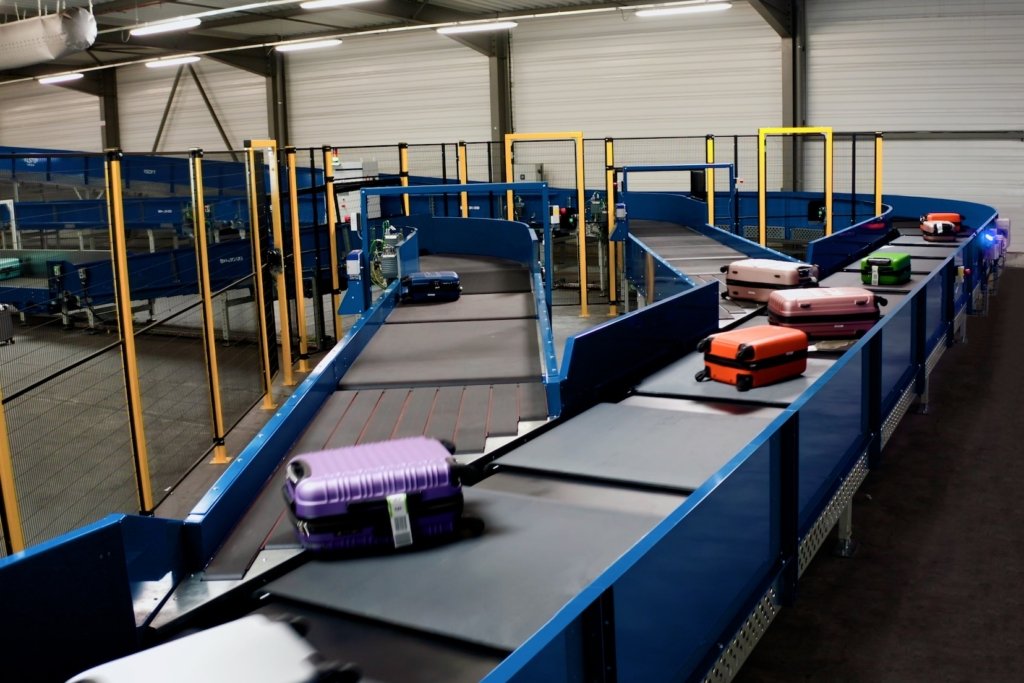
Smart airport development is creating strong momentum for more connected and data-driven baggage operations. Alstef is supporting this through automation, advanced control systems, condition monitoring, and predictive maintenance strategies that help operators identify issues before they affect performance.
The objective is not just automation for its own sake, but smarter decision-making, higher availability, and better operational efficiency.
How are cross-belt sorters and AGVs improving baggage and cargo operations?
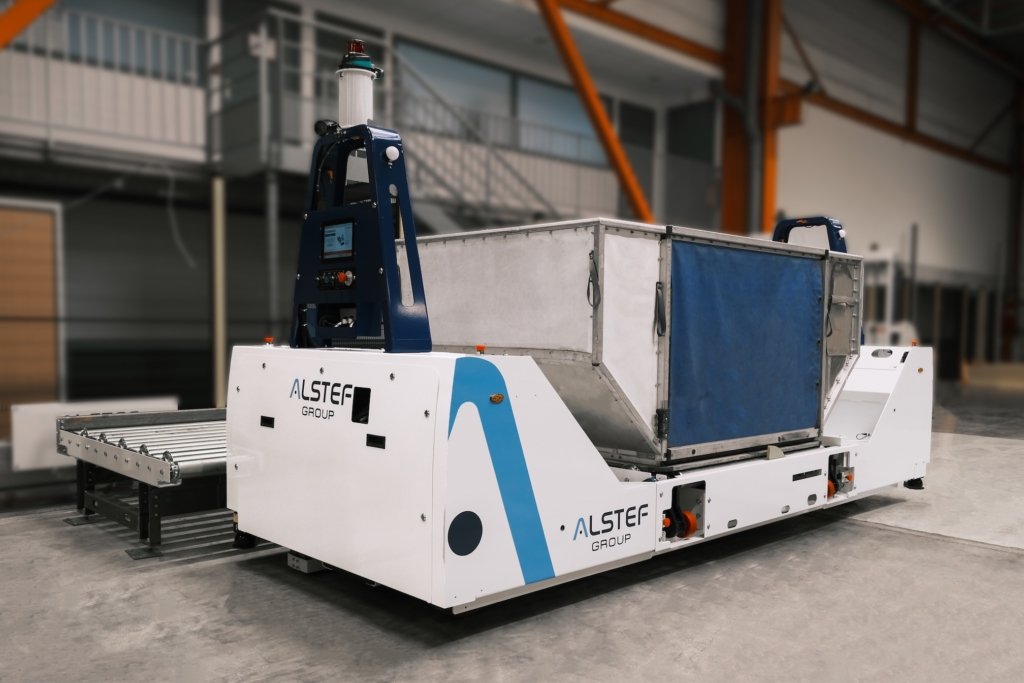
These technologies are helping airports and cargo operators move from conventional material handling to smarter, more agile operations. Cross-belt sorters improve sorting speed, accuracy, and flexibility, while AGVs can support more automated, efficient flows in baggage, cargo, and logistics environments.
Ultimately, these innovations help reduce delays, improve reliability, and create a better experience for passengers while increasing throughput and reducing downtime for operators.
How do you integrate security screening without affecting operational flow?
Security and flow must work together. Our role is to integrate screening technologies into the broader baggage handling architecture in a way that maintains throughput and minimises disruption. That means intelligent system design, efficient routing logic, and close coordination between screening and handling processes.
The goal is to meet evolving compliance requirements while preserving a smooth and efficient baggage journey.
How does sustainability shape your global approach to airport automation?
Sustainability is becoming a core expectation across the aviation sector, and it is central to how we approach innovation globally. We focus on energy-efficient system design, responsible sourcing, equipment durability, and solutions that deliver strong performance over the long term.
Recognition such as Ecovadis Gold status achieved by our French headquarters, reflects that this is not a side initiative – it is part of how we design, manufacture, and deliver airport automation solutions worldwide.
Also Read: Noida International Airport Edges Closer to Opening in Jewar