




Free Seat Selection in India: How the 60% Rule Changes Air Travel

- India now mandates airlines to offer at least 60% of seats free for selection, marking a significant shift in how passengers access seating choices.
- While consumer-friendly, the rule challenges airline ancillary revenue models and could push carriers to rethink pricing strategies.
- Compared with global markets where paid or random seat allocation is common, the policy positions India as more passenger-focused, even as airlines adjust their commercial approach.
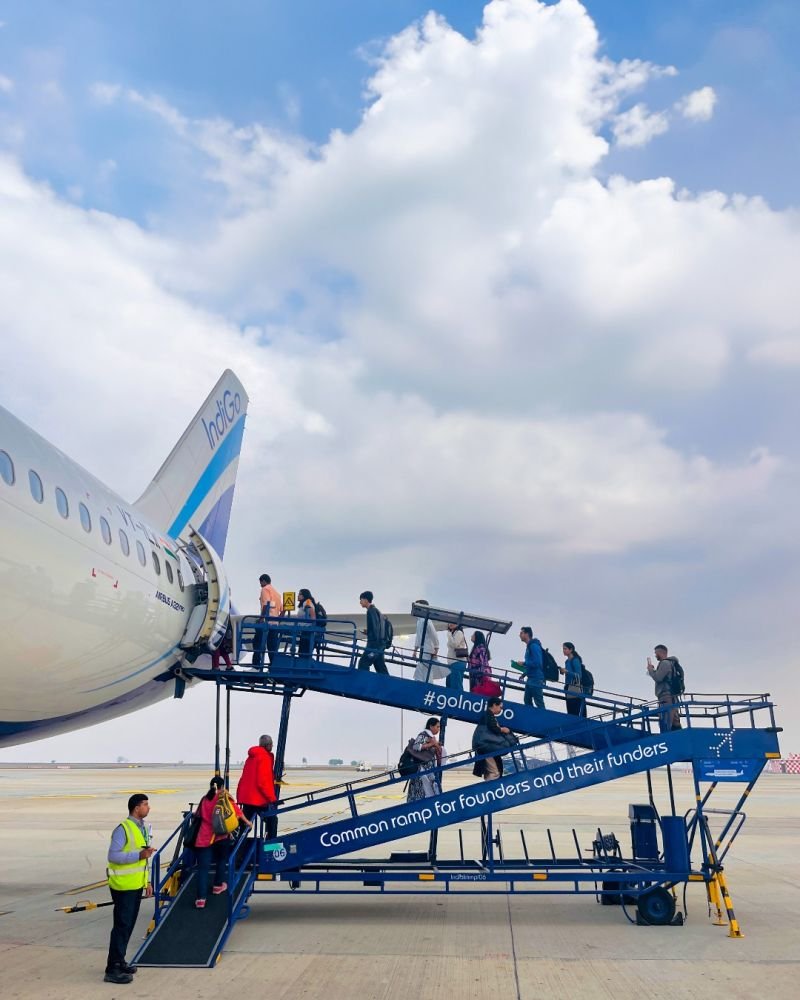
Photo: IndiGo
India’s aviation story has long been one of democratisation — bringing flying within reach of millions who once saw it as a luxury.
Now, in a move that could quietly reshape the passenger experience, the government has turned to one of the most persistent irritants in modern air travel: paying extra just to choose where you sit.
Under a new directive issued by the Ministry of Civil Aviation through the Directorate General of Civil Aviation (DGCA), airlines must ensure that at least 60 per cent of seats on any domestic flight are available for selection free of charge.
It marks a sharp jump from the roughly 20 per cent previously offered without fees and directly targets a revenue stream that has become central to airline business models.
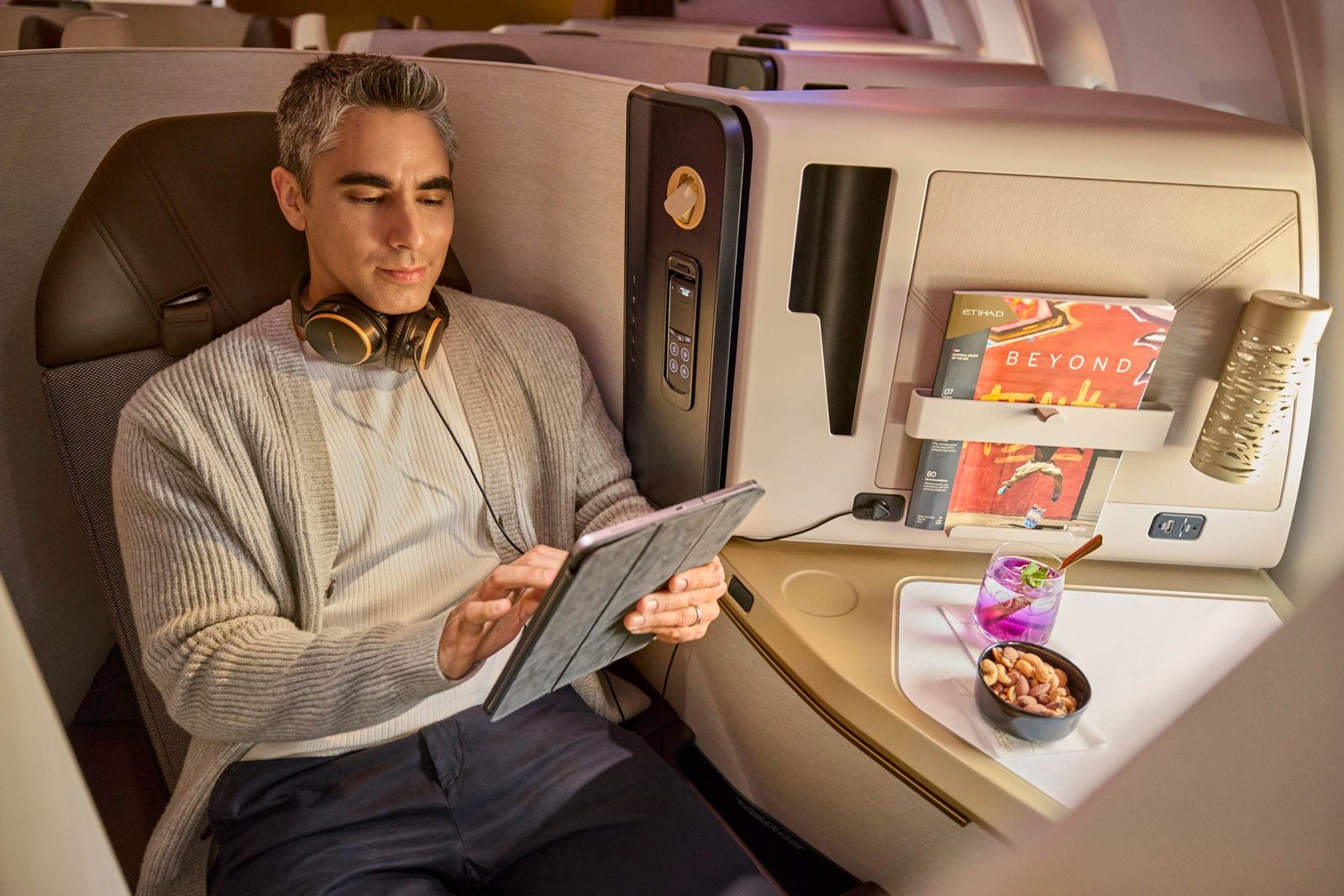
For millions of Indian flyers, this is less about policy and more about everyday experience. Booking a ticket often meant encountering a second layer of costs — ₹200 to ₹2,000 — to avoid a middle seat or to sit with family. Many paid not out of preference but out of necessity.
Civil Aviation Minister K Rammohan Naidu framed the move as part of a broader shift towards passenger-first policies. “60 per cent seats free of charge, assured seating together for families, and clear, transparent norms for carriage of sports equipment, musical instruments and pets,” he said, outlining reforms aimed at improving the ease of flying.
The emphasis on “fair access” is central. Airlines had increasingly monetised seat selection, folding it into ancillary revenues that now form a substantial portion of earnings. For carriers, the model made commercial sense; for passengers, it often felt like paying twice for the same journey.
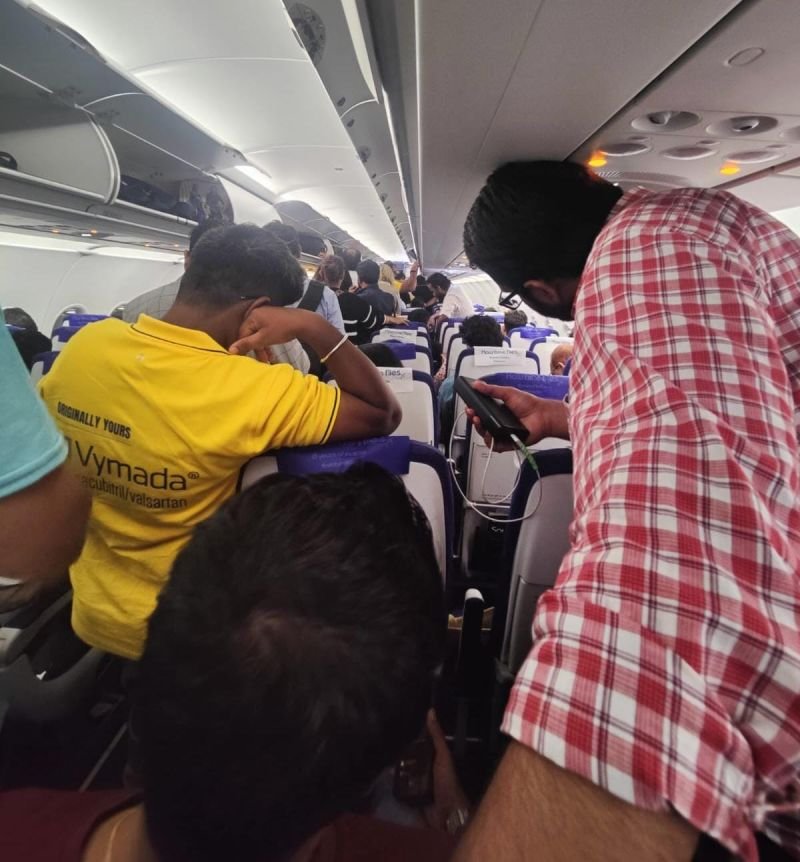
Photo: LinkedIn/ @Srikanth Acharya
What’s shifting here isn’t the base airfare itself, but how choices are structured. Now, with most seats required to be free, passengers get more control over their travel without feeling pushed to spend extra.
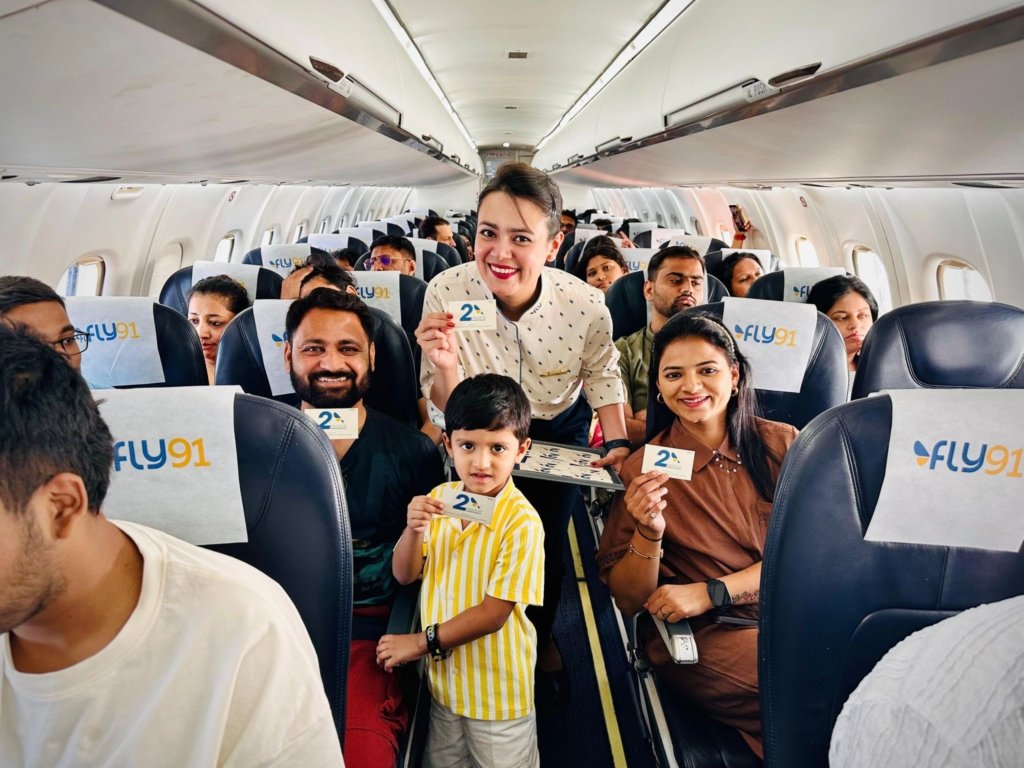
For families, this change is especially noticeable. The government has also instructed airlines to seat passengers on the same booking together — ideally side by side — so there’s less worry about being scattered across the plane unless you’re willing to pay for preferred seating.
This change gains even more clarity when viewed in the global context. In Europe, many low-cost airlines like Ryanair and Wizz Air almost always make passengers pay for seat selection.
If you don’t pay, you’re assigned a seat randomly, often late in the process, and groups frequently find themselves separated. The system seems more focused on encouraging spending than on passenger convenience.
Even carriers with somewhat flexible policies, such as easyJet, operate tiered pricing where specific seats cost extra, and free seat allocation depends on when you check in, rather than any guaranteed right.
Like across the Atlantic, the United States doesn’t have a law for free seat selection either. Airlines such as Spirit and Frontier charge for almost all seat choices, and they only offer free seating randomly at check-in. Regulators have been pushing for the rule to ensure the child sits with the adult, but it is still a very limited measure, not a broad standard. In this situation, India’s policy of reserving 60 percent of seats is a consumer-friendly measure.
For airlines, though, this won’t be a simple transition. Ancillary fees — from seat selection to baggage and onboard services — have been some of the fastest-growing revenue streams. To adjust, carriers might have to rethink their fares or come up with bundled offers.
The real challenge will be balancing these changes without making air travel less affordable. For travellers, the benefit is immediate. The persistent friction of paying to sit comfortably — or simply to sit together — is eased. In a sector often criticised for hidden fees, the move introduces much-needed clarity.
It also reflects a wider shift in India’s aviation policy — from enabling access to refining experience. Initiatives such as affordable airport food under UDAN Yatri Cafes, free Wi-Fi at terminals, and now regulated seat selection all point in the same direction: making flying genuinely passenger-friendly.
At first glance, the 60 per cent rule may appear to be a technical tweak. For anyone who has hesitated over a seat map or paid extra to keep family close, it’s a small but meaningful shift — one that brings the promise of affordable, transparent air travel closer to everyday reality.
Also Read: Star Air and the Discipline of Regional Growth
With more than four decades across print and audiovisual media, Tirthankar (TG) Ghosh is a veteran journalist specialising in aviation, air cargo and logistics. His reporting combines deep industry knowledge, original research and sharp analysis to produce authoritative, evidence-led journalism.