











- As India’s airlines expand largely with leased aircraft, the ability for lessors and lenders to recover an aircraft quickly and predictably in case of default has become a key factor in aviation financing.
- While legal mechanisms such as the Cape Town Convention and the IDERA provide the framework for repossession, the process often extends beyond deregistration to include maintenance records, aircraft condition checks and settlement of aircraft-linked dues.
- Developments in India’s leasing ecosystem, particularly at GIFT City, may allow certain aircraft transitions to occur within the Indian registry, potentially simplifying repossession and reducing administrative delays.

Aircraft repossession is rarely a subject airlines want to talk about. It usually surfaces only when something has gone wrong — a failed airline, a disputed lease, or an aircraft that must be taken back by its owner.
Every time a lessor or lender agrees to place an aircraft with an airline, the same question arises: if the airline defaults, how quickly and predictably can the aircraft be recovered?
That question has become increasingly relevant for India. The country’s airlines operate largely on leased fleets, and the growth projected for the market means hundreds of additional aircraft will enter service over the coming years. For financiers evaluating those transactions, the legal and operational certainty around repossession is part of the basic risk calculation.
Recent airline failures have already shown how complicated recovery can become when insolvency, operational control and regulatory processes intersect. The collapse of Jet Airways earlier and the more recent Go First case brought these issues into the open, drawing attention to how aircraft assets move through bankruptcy proceedings and how quickly they can be returned to their owners.
What is gradually emerging is a clearer framework for handling these situations — one shaped by international conventions, domestic regulation and practical lessons from the industry itself.
From convention to enforceable rights
India’s repossession framework rests largely on the Cape Town Convention, the international treaty that governs security interests in aircraft assets. The convention provides creditors with mechanisms that allow them to enforce their rights, including the ability to deregister and export aircraft once lease conditions have been breached.
In India, that mechanism operates primarily through the Irrevocable Deregistration and Export Request Authorisation, commonly known as IDERA. A lessor holding an IDERA can approach the aviation regulator and request the deregistration of the aircraft, allowing it to be removed from the country and placed elsewhere.
On paper, the process appears straightforward. The regulator verifies the request, confirms the creditor’s rights through registry records and proceeds with deregistration. Once that happens, the aircraft can be exported. In reality, things are rarely that simple.
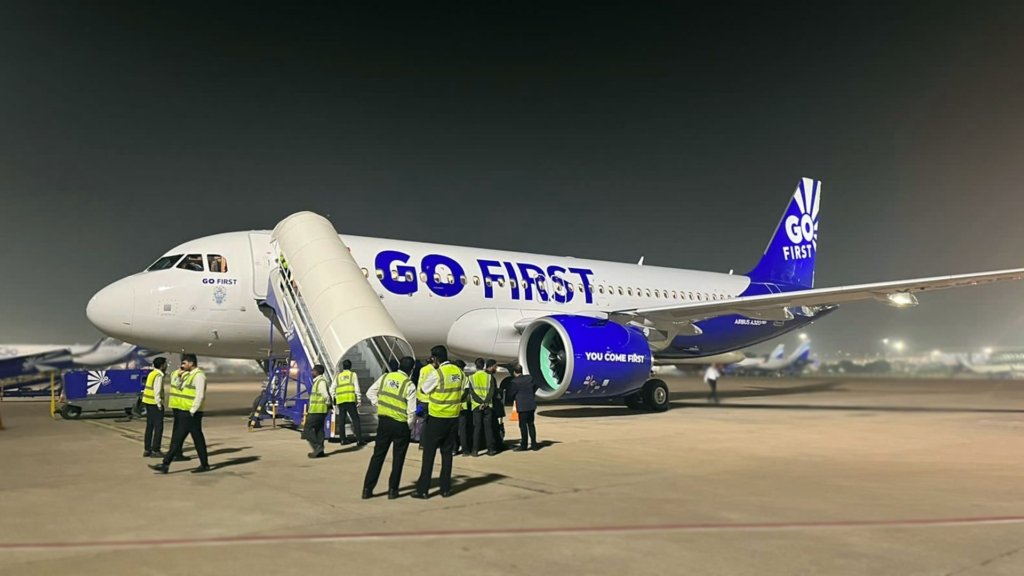
Photo: Go First
Airline insolvency often complicates matters because bankruptcy proceedings trigger a moratorium that temporarily halts enforcement actions.
Under the Cape Town framework, aircraft assets are treated differently from many other forms of collateral. The framework now aligns with the Cape Town Convention, which provides a sixty-day waiting period for aircraft assets during insolvency proceedings.
The logic behind the rule is straightforward. Aircraft lose value quickly when they remain grounded without proper maintenance or oversight. A defined time limit ensures that creditors are not left waiting indefinitely while the asset deteriorates.
Once the moratorium ends, the creditor can proceed with recovery. Even then, several operational steps remain before the aircraft can leave the country. Outstanding dues linked specifically to the aircraft must be cleared, including airport charges such as parking and navigation fees, payments owed to fuel suppliers and certain tax liabilities.
Regulatory provisions have increasingly tried to limit these obligations to the aircraft itself rather than allowing historical liabilities to accumulate across an airline’s entire operation.
Recovery rarely ends with deregistration
The legal right to repossess an aircraft does not mean the aircraft is immediately ready to fly away.
Recovering an aircraft quickly turns into a technical and operational exercise, often far more complicated than the legal steps that begin the process. Owners must first determine the aircraft’s physical condition — whether engines and other major assemblies remain installed, whether maintenance schedules have been followed and whether the aircraft is airworthy.
In aviation, the records are often considered just as important as the aircraft itself. Aircraft maintenance records form the backbone of the aircraft’s operational history. Without them, the aircraft cannot be easily returned to service or placed with a new operator. In aviation circles, it is often said that the records can be as valuable as the aircraft itself.
Access to maintenance records is becoming an area of greater attention, as lessors try to avoid documentation gaps during repossession.
Because of this, lessors increasingly monitor documentation during the lease period rather than waiting until repossession becomes necessary.
Technical representatives, periodic audits and digital record access have become part of the risk management process.
When an airline approaches financial distress, these safeguards become critical. The recovery process becomes far smoother when records are accessible, and the aircraft’s technical status is known.
Physical configuration can present another complication. Engines or other equipment may be removed temporarily during maintenance or installed on other aircraft within the airline’s fleet. Lease agreements often include provisions allowing lessors to reclaim such equipment, but recovering those components still requires careful coordination.
Once the aircraft is returned to its owner, the next question arises almost immediately: what happens next?
Some aircraft are quickly placed with another airline. Others require significant maintenance before they can fly again. Engines may need overhaul, avionics updates may be required or documentation gaps may need to be resolved before the aircraft can return to service. With maintenance facilities already operating at high capacity worldwide, these steps can take months.
Lessons from past airline failures
India’s experience with airline insolvencies has provided several reminders that repossession is as much about operational discipline as it is about legal rights.
During some airline failures, cooperation between management and lessors has allowed aircraft to transition back to their owners without major disruption. In other cases, the process has been far more difficult.
Access to aircraft records, maintenance documentation or operational data can become a point of conflict when an airline’s management becomes defensive or hostile. Without those materials, even a legally recovered aircraft may require substantial work before it can return to service.
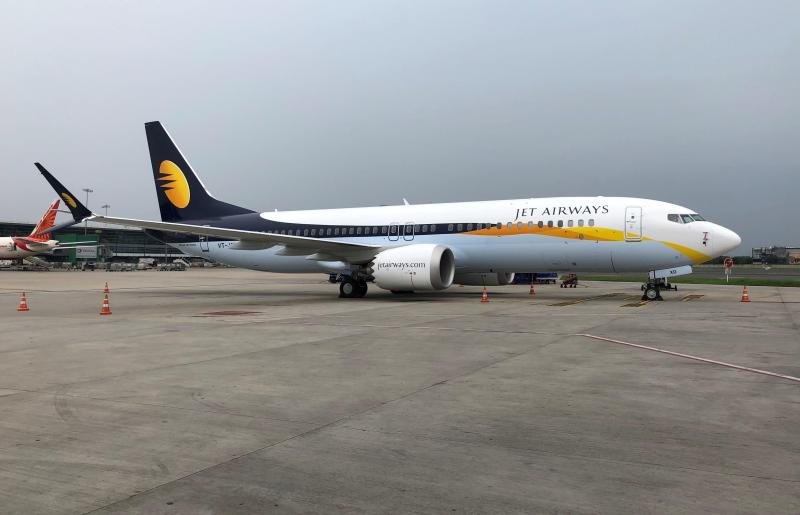
The experience has also shown that repossession pressures can lead to procedural missteps if established processes are not followed carefully.
Removing parts without proper documentation or bypassing regulatory steps may appear to accelerate the recovery process, but it can create legal exposure later.
For lessors, strict adherence to regulatory procedures remains essential even during stressful recoveries.
Another lesson concerns timing. Airline failures rarely arrive without warning. Financial stress often appears gradually — delayed payments, maintenance deferrals or operational disruptions may signal deeper problems. Lessors who remain vigilant during this period have the opportunity to secure records and prepare recovery plans before the situation deteriorates.
Why repossession certainty affects financing
Although repossession often appears to be a legal matter, its real impact lies in the economics of aviation finance.
When creditors believe that aircraft can be recovered quickly and predictably, the perceived risk associated with leasing declines. Lower risk typically translates into lower financing costs and greater willingness among lenders to fund aircraft transactions.
For airlines, that change can make a tangible difference. Access to capital improves, lease terms become more competitive and insurance costs may decline.
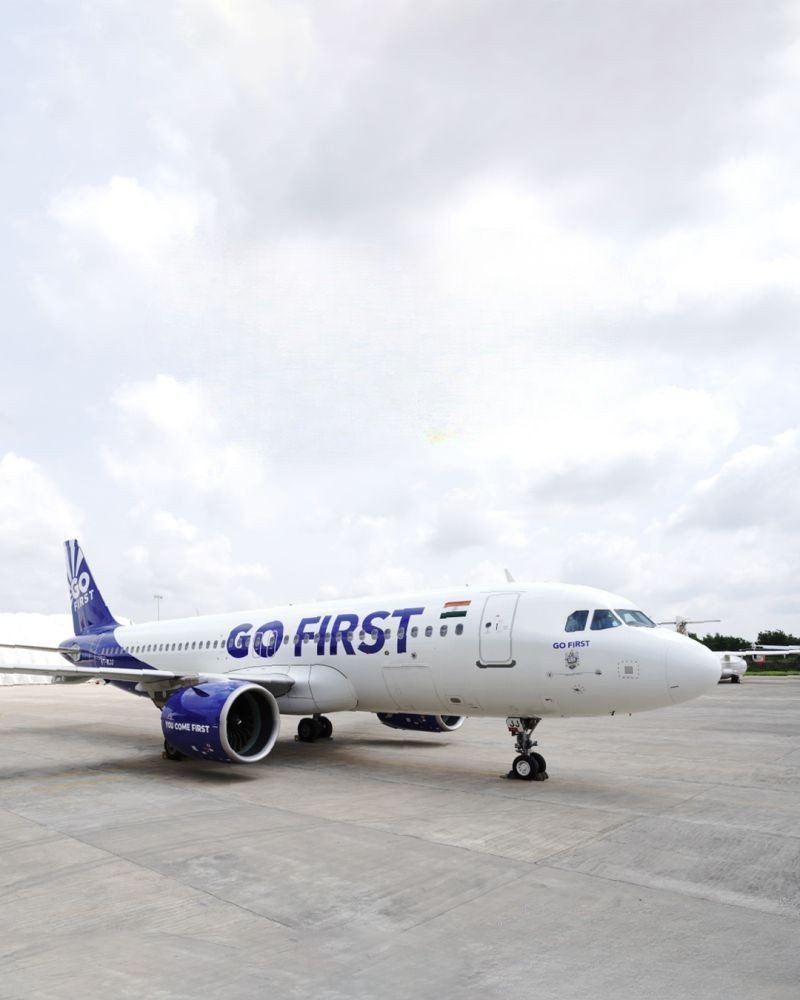
Photo: Go First
Changes in India’s leasing ecosystem are also beginning to shape how repossession might work in practice.
The emergence of aircraft leasing activity at GIFT City has created structures where aircraft may remain on the Indian register even when operational control shifts between operators.
In certain situations, this means repossession can resemble a change of operator rather than a full deregistration and re-registration process. That continuity may simplify technical certification and reduce administrative delays.
Tax treatment within the financial centre can also address issues related to GST during aircraft transitions.
The value of certainty
For all the attention given to regulations, legal provisions and operational procedures, the basic issue remains simple. Aircraft leasing depends on confidence. Lenders and lessors must know that if a lease breaks down, the asset can be recovered within a predictable timeframe and returned to service elsewhere.
India’s aviation market is entering a period of rapid expansion, and that expansion will require substantial capital. In that equation, repossession certainty plays a quiet but important role.
The aircraft may be the visible asset in every leasing transaction, but from a financier’s perspective the real asset is certainty.
Also Read: Repositioning Aircraft Leasing: GIFT City’s Emerging Role