














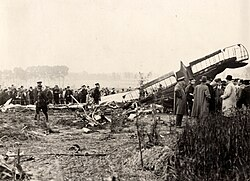
KLM Douglas DC-2 Beer Crash 28 July 1937
The KLM Douglas DC-2 Beert crash was a tragic aviation accident that happened on 28 July 1937 near Beert, Belgium. The aircraft was operated by KLM Royal Dutch Airlines, one of Europe’s leading airlines during the 1930s. The Douglas DC-2 was flying on a scheduled international service when it crashed during its journey.
The accident took place at a time when international air travel was growing quickly. Aircraft were becoming faster, airlines were opening more routes, and passengers were beginning to use airplanes for business and personal travel. However, aviation technology was still developing, and pilots had to operate with equipment that was much less advanced than what is available today.
The Beert accident became one of the serious accidents involving KLM during the pre-war period. It also forms part of the history of early European commercial aviation.
KLM in the 1930s
KLM Royal Dutch Airlines was one of the leading airlines in Europe during the 1930s.
The airline had established an extensive network connecting the Netherlands with other European countries. KLM also operated long-distance services between Europe and Asia.
Amsterdam was the center of many of its operations.
KLM had developed a reputation for regular schedules and professional operations.
Air travel was still expensive compared with trains and ships, but it offered a major advantage: speed.
A passenger could travel between European cities in a few hours rather than spending a day or more on a train.
The Douglas DC-2
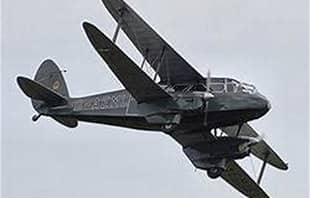
The aircraft involved in the accident was a Douglas DC-2.
The DC-2 was one of the most successful passenger aircraft of the early 1930s.
It was an all-metal, twin-engine aircraft.
Its streamlined design allowed it to travel at much higher speeds than many older passenger airplanes.
The aircraft was designed to carry passengers, baggage, and mail.
KLM operated several DC-2 aircraft on its European and international routes.
The type had a strong reputation for its performance and modern design.
However, even advanced aircraft could be affected by difficult weather, mechanical problems, navigation errors, or other unexpected events.
The Flight
On 28 July 1937, the KLM DC-2 was operating a scheduled flight.
The aircraft was carrying passengers and crew members.
The journey began normally.
The aircraft followed its planned route through Belgium.
However, the flight eventually ended in tragedy near Beert, a village in the Belgian province of Brabant.
The aircraft crashed, causing the deaths of people aboard.
The accident shocked KLM and the European aviation community.
The Area Around Beert
Beert is located in the Belgian region southwest of Brussels.
The surrounding countryside includes agricultural land, villages, roads, and relatively flat terrain.
Although the area did not have the dramatic mountains found in some other aviation accident locations, weather and visibility could still create serious problems for aircraft.
European aviation routes during the 1930s often depended on radio navigation and visual references.
Pilots needed to maintain awareness of their position throughout the flight.
Weather Conditions
Weather was always an important factor in early aviation.
Cloud, rain, fog, and poor visibility could make navigation difficult.
Pilots did not have access to modern weather radar.
They also lacked satellite weather information.
A pilot could receive weather reports from airports and radio stations, but information between reporting stations was limited.
If conditions changed suddenly, the crew had to make decisions using the information available in the cockpit.
Navigation in the 1930s
Navigation systems were developing rapidly during this period.
Radio beacons were becoming increasingly important.
They allowed pilots to determine their direction and follow established air routes.
However, the systems were not as precise as modern navigation.
Pilots still needed to use maps and visual references.
This could be difficult in cloudy or rainy conditions.
Modern aircraft can determine their position with great accuracy using satellite navigation and other systems.
The crew of the KLM DC-2 did not have these advantages.
The Accident
The aircraft eventually crashed near Beert.
The aircraft was severely damaged.
People in the area were alerted to the disaster.
Emergency personnel and local residents went to the crash site.
Unfortunately, several people were killed.
The wreckage had to be examined carefully to determine what had happened.
As with other aviation accidents of the period, investigators had to reconstruct the final part of the flight using physical evidence and witness accounts.
Investigation of the Crash
After the accident, authorities began an investigation.
Investigators examined the aircraft and its engines.
They inspected the propellers, wings, control surfaces, landing gear, and cockpit equipment.
They also examined available maintenance records.
Weather information was reviewed.
Witnesses were interviewed.
The purpose was to determine whether the crash resulted from:
- Mechanical failure
- Weather
- Navigation problems
- Pilot error
- Aircraft performance
- A combination of factors
Without modern flight recorders, investigators had to depend heavily on physical evidence.
No Flight Recorders
One of the major difficulties faced by investigators was the absence of modern recording equipment.
Today’s commercial aircraft normally carry flight-data recorders and cockpit voice recorders.
These devices provide investigators with information about aircraft speed, altitude, engine performance, cockpit conversations, and other important events.
The KLM DC-2 did not have such equipment.
Investigators therefore had to piece together the accident from whatever evidence remained.
The Importance of Pilot Experience
Airline pilots in the 1930s were highly skilled professionals.
Flying a commercial aircraft required knowledge of navigation, weather, engines, and aircraft handling.
However, pilots had fewer technological aids.
They had to make many decisions themselves.
A pilot flying through poor weather needed to estimate position, altitude, and distance using limited information.
This placed considerable responsibility on the crew.
Communication With Ground Stations
Radio communication was an important development in aviation.
Pilots could communicate with airports and navigation stations.
They could receive weather information.
They could also report their position.
However, radio systems could have limitations.
Coverage was not always continuous.
Signal quality could be affected by distance and atmospheric conditions.
Modern aircraft have highly reliable digital communication systems and several methods of maintaining contact with air traffic control.
The Human Cost
The greatest tragedy of the Beert accident was the loss of human life.
Passengers had boarded the KLM aircraft expecting a normal journey.
They were traveling through Europe during a period when international air travel was becoming increasingly popular.
The crew members were performing their normal duties.
The crash ended those journeys unexpectedly.
Their deaths caused grief among families and communities in the Netherlands and Belgium.
Public Reaction
A KLM aircraft accident attracted significant public attention.
KLM was a respected airline.
Its aircraft operated internationally, and many passengers trusted the airline for their travel.
News of the crash therefore spread quickly.
People wanted to know what had happened.
The accident also raised questions about the safety of international air travel.
Airlines understood that passenger confidence was essential to the continued growth of commercial aviation.
Aviation Safety Before World War II
The Beert accident occurred only a few years before the Second World War.
The late 1930s were a period of rapid aviation development.
Aircraft were becoming faster and larger.
Airlines were establishing more international routes.
Navigation systems were improving.
Air traffic control was becoming more organized.
But many safety procedures that are standard today were still being developed.
The aviation industry was learning from each accident.
Aircraft Maintenance
Aircraft maintenance was already an important part of airline operations.
The DC-2 required regular inspections.
Its engines, propellers, flight controls, and structure had to be checked.
Airlines maintained detailed records of aircraft operation.
However, maintenance technology was less advanced than it is today.
Modern aircraft undergo extensive inspections using advanced diagnostic equipment.
Engine condition can be monitored electronically.
Structural components can be examined using sophisticated testing techniques.
Development of Aviation Regulations
Government regulation of civil aviation was becoming stronger during the 1930s.
Aircraft had to meet certification requirements.
Pilots needed licenses.
Airlines were expected to follow operating rules.
International aviation also required coordination between countries.
Accidents encouraged authorities to improve these regulations.
Over time, international standards became more detailed.
The Importance of Accident Investigations
Every accident provides information that can improve future safety.
Investigators can identify technical failures.
They can discover problems with procedures.
They can examine weather and navigation issues.
They can recommend changes.
These lessons are shared with aircraft manufacturers, airlines, and regulators.
Modern aviation has become safer partly because the industry has developed a strong culture of accident investigation.
The Role of Weather Forecasting
Weather forecasting was one area that changed greatly after the 1930s.
Meteorological stations became more numerous.
Forecasting techniques improved.
Radio communication allowed pilots to receive updated weather information.
Later, radar and satellites transformed weather monitoring.
Today, pilots can receive detailed weather information before departure and throughout a flight.
Development of Radio Navigation
Radio navigation also improved.
More radio beacons were installed.
Airways became better defined.
Pilots could follow electronic navigation signals rather than depending entirely on visual landmarks.
This reduced the risk of navigation errors.
Later, radar and satellite navigation provided even greater accuracy.
The Growth of KLM
KLM continued to expand after the Beert accident.
The airline survived the disruption caused by the Second World War and later became a major international carrier.
Its aircraft fleet changed dramatically.
Piston-engine aircraft were eventually replaced by turboprops and jet aircraft.
The airline developed an extensive international network.
The KLM of today operates aircraft with technology that would have seemed impossible to pilots in 1937.
The Douglas DC-2’s Place in History
The Douglas DC-2 was an important aircraft in the development of commercial aviation.
Its all-metal construction and streamlined design represented a major improvement over many earlier passenger aircraft.
It demonstrated that airlines could operate fast, reliable passenger services.
The DC-2 also influenced later aircraft designs.
The Douglas DC-3, which followed it, became one of the most important aircraft in aviation history.
Comparison With Modern Aviation
A KLM flight operating today would be supported by many systems that did not exist in 1937.
Modern aircraft have:
- GPS and other navigation systems
- Weather radar
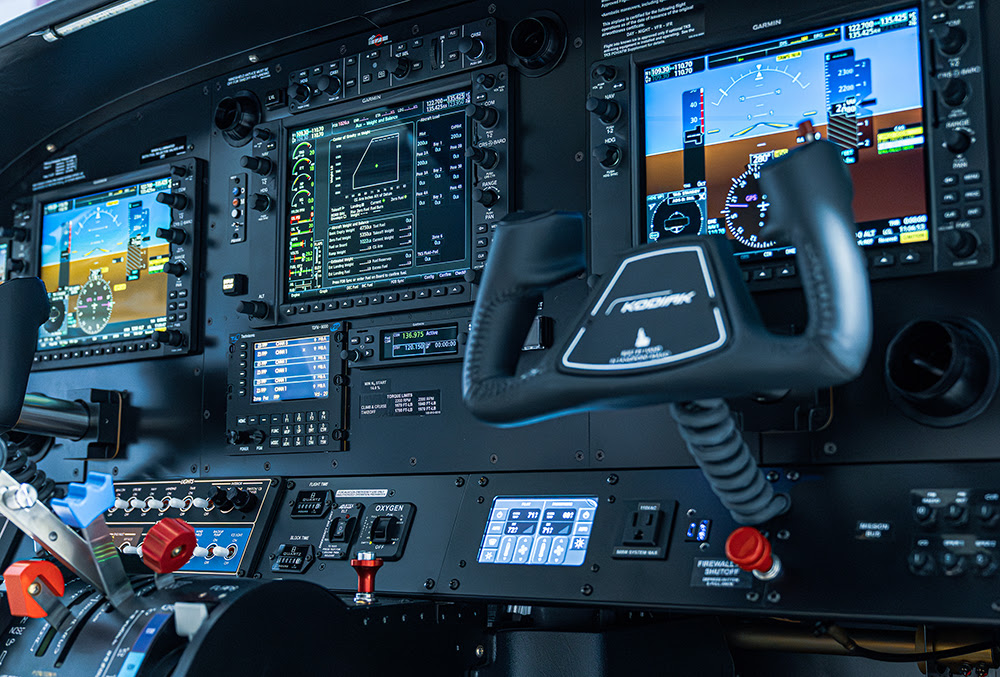
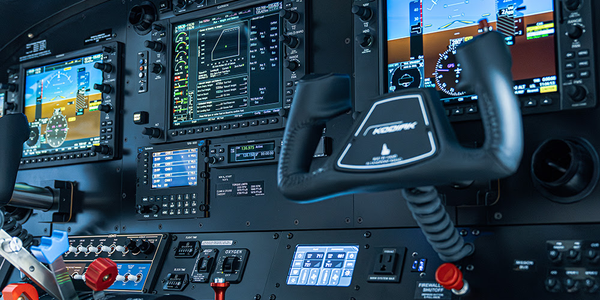
- Digital flight instruments
- Terrain-warning systems
- Collision-avoidance systems
- Advanced autopilots
- Flight-data recorders
- Cockpit voice recorders
- Satellite communication
- Sophisticated air traffic control
These systems provide multiple layers of protection.
Lessons From the Beert Accident
The KLM Douglas DC-2 accident provides several broader lessons.
Weather Must Be Monitored
Changing weather can create serious risks.
Navigation Must Be Accurate
Pilots need reliable information about their position.
Aircraft Must Be Maintained
Regular inspections are essential.
Pilot Training Is Important
Crews must be prepared for unexpected situations.
Communication Helps
Pilots need reliable contact with ground stations.
Accident Investigation Matters
The aviation industry must study accidents and apply the lessons.
Early International Air Travel
The Beert accident occurred when international aviation was becoming a symbol of modern transportation.
Passengers could travel between countries quickly.
Airlines were competing to offer faster and more comfortable services.
KLM was particularly important because of its extensive international network.
The company connected the Netherlands with many European destinations and operated long-distance routes.
The Human Side of Aviation History
It is easy to look at historical accidents only as technical events.
However, every aircraft carried people.
The passengers aboard the KLM DC-2 had families, careers, plans, and destinations.
The crew members also had lives outside their work.
The accident suddenly ended those lives.
Remembering the human side of aviation history is important.
Why Historical Aviation Accidents Matter
Studying accidents from the 1930s helps us understand how aviation safety developed.
Modern aviation did not become safe overnight.
It took decades of research, engineering, regulation, training, and experience.
Each accident provided information.
Some lessons were technical.
Others involved pilot training, navigation, weather forecasting, or airport procedures.
Together, these lessons helped create today’s aviation system.
The Legacy of the KLM DC-2
The Beert crash became part of KLM’s pre-war aviation history.
It occurred during a period when the airline was expanding rapidly.
The accident demonstrated that even modern aircraft could face serious risks.
It also occurred at a time when aviation authorities were improving their understanding of commercial flight.
The lessons from accidents like this contributed to the continuing development of safer aviation procedures.
Remembering 28 July 1937
The date 28 July 1937 remains associated with a tragic event in European aviation.
The KLM Douglas DC-2 was part of a generation of aircraft that helped establish modern commercial air travel.
The people aboard the aircraft were among those who trusted this new form of transportation.
Their loss reminds us that the technology of the 1930s, although advanced for its time, was still developing.
Conclusion
The KLM Douglas DC-2 Beert crash of 28 July 1937 was a tragic event in the history of European commercial aviation.
KLM was already an important international airline, and the Douglas DC-2 was one of the most advanced passenger aircraft of its generation. The aircraft was being used for scheduled international service when the flight ended in a fatal crash near Beert, Belgium.
The accident occurred at a time when aviation was developing rapidly. Airlines were opening new routes, aircraft were becoming faster, and more people were choosing airplanes for international travel.
However, pilots in 1937 did not have the technology available today. They had no GPS, satellite navigation, modern weather radar, terrain-warning systems, flight-data recorders, or computerized flight-management systems. They depended on radio navigation, maps, weather reports, instruments, and their own experience.
After the crash, investigators examined the wreckage and available evidence to determine what had happened. The investigation was more difficult than modern investigations because there were no flight recorders to provide a detailed record of the aircraft’s final moments.
The accident is an important reminder of the risks faced by early airline passengers and crews. It also shows why aviation safety has always depended on learning from accidents.
During the decades that followed, aircraft design improved, engines became more reliable, navigation became more accurate, weather forecasting became more sophisticated, and pilot training became more comprehensive.
KLM continued to develop and eventually became one of the world’s major international airlines. The Douglas DC-2 also became an important part of aviation history and helped lead to later aircraft such as the famous DC-3.
Today, air travel is supported by advanced technology and strict safety procedures. Modern pilots have access to information and systems that early airline crews could only have imagined.
The Beert accident of 28 July 1937 therefore belongs to an important chapter in aviation history. It represents both the tragedy of early commercial flying and the continuing effort of the aviation industry to learn, improve, and make future flights safer.

Ajeet Yadav is an aviation enthusiast covering airline news, airports, aircraft, and industry developments through well-researched and reliable reporting.