










Sabena Junkers Ju 52 Ostend Crash 16 November 1937
The Sabena Junkers Ju 52 Ostend crash was a tragic aviation accident that happened on 16 November 1937 near Ostend, Belgium. The aircraft was operated by Sabena, Belgium’s national airline at the time. The aircraft involved was a Junkers Ju 52, one of the best-known passenger aircraft of the 1930s.
The accident occurred during an important period in European aviation. Air travel was developing quickly, and airlines were connecting major European cities with regular passenger services. Aircraft were becoming larger, faster, and more reliable, but commercial aviation was still far less safe than it is today.
The crash resulted in the deaths of people aboard the aircraft and became part of the early history of Sabena and Belgian civil aviation. It also demonstrated some of the dangers faced by airline crews and passengers during the pioneering period of European air travel.
Sabena – Belgium’s National Airline
Sabena was founded in 1923 and became Belgium’s principal airline.
The airline’s full name was Société Anonyme Belge d’Exploitation de la Navigation Aérienne.
Sabena developed an important network connecting Belgium with destinations throughout Europe.
Brussels was the center of much of its activity.
The airline also became famous for its services to Africa. Belgium’s colonial connections made long-distance aviation especially important to Sabena.
By the 1930s, the airline was operating a fleet of modern aircraft and had become an important part of European aviation.
The Junkers Ju 52
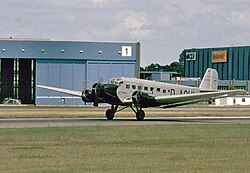
The aircraft involved in the accident was a Junkers Ju 52.
The Ju 52 was one of the most successful German aircraft designs of the 1930s.
It was originally developed as a transport aircraft and was later widely used for passenger and cargo operations.
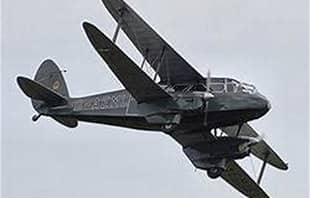
The aircraft was easily recognized by its corrugated metal skin.
The corrugated construction was a characteristic feature of many Junkers aircraft.
The Ju 52 was usually powered by three engines when used as a passenger aircraft.
Its three-engine design provided useful power and redundancy.
The aircraft became popular with airlines across Europe.
A Modern Aircraft for Its Time
The Ju 52 represented a significant step forward from earlier passenger aircraft.
It could carry a useful number of passengers.
It had a relatively strong structure.
It could operate on scheduled routes.
It was also capable of flying long distances compared with many earlier aircraft.
Airlines valued the Ju 52 because it could provide dependable commercial service.
Sabena was one of the European airlines that operated the type.
However, the aircraft still operated in an aviation environment where navigation, weather forecasting, and emergency services were much less developed than today.
Aviation in Belgium During the 1930s
Belgium occupied an important position in European aviation.
Its location between Britain, France, Germany, and other European countries made it a natural center for international air routes.
Airports such as Ostend played an important role.
Ostend was particularly important because of its location on the Belgian coast.
It was connected with international air services and provided an important link between continental Europe and Britain.
Aircraft regularly arrived and departed from the area.
The Flight
On 16 November 1937, the Sabena Junkers Ju 52 was operating a scheduled flight.
The aircraft was associated with Sabena’s passenger services.
The flight took place during a period of difficult autumn weather.
The aircraft eventually crashed near Ostend.
The accident caused significant loss of life.
Emergency services and local residents responded to the crash.
Investigators later examined the circumstances surrounding the disaster.
Autumn Weather
November weather in northern Europe can be challenging for aircraft.
Clouds, rain, wind, and poor visibility can make flying difficult.
The Belgian coast can also experience strong winds and rapidly changing weather.
In the 1930s, pilots had far fewer tools for dealing with bad weather.
There was no modern weather radar.
Satellite weather information did not exist.
Pilots depended on weather reports from airports and meteorological stations.
They also had to make decisions based on what they could see from the cockpit.
Navigation Challenges
Navigation was one of the most important challenges faced by early airline pilots.
Aircraft could use magnetic compasses.
They could follow visual landmarks.
Radio beacons were becoming increasingly important.
However, navigation was not as precise as it is today.
If an aircraft entered cloud or fog, the pilot might lose sight of important landmarks.
The crew then had to depend more heavily on instruments and radio navigation.
This required skill and concentration.
The Approach to Ostend
The aircraft was operating in the vicinity of Ostend when the accident occurred.
The approach to an airport can be one of the most demanding phases of a flight.
The pilot must control altitude, speed, direction, and aircraft configuration.
The crew must also communicate with ground personnel.
If weather conditions are poor, the task becomes even more difficult.
The aircraft ultimately crashed before the flight could be completed safely.
The Crash
The Junkers Ju 52 was destroyed in the accident.
The impact caused severe damage to the aircraft.
People near the accident site responded quickly.
Fire and rescue personnel were called to the scene.
Unfortunately, several people aboard the aircraft were killed.
The crash created a major emergency for the local authorities.
The wreckage was later examined as part of the investigation.
Investigation of the Accident
After the crash, aviation authorities began an investigation.
Investigators wanted to determine what had caused the accident.
They examined the aircraft wreckage.
They studied the engines and propellers.
They examined the flight controls.
They also considered the weather conditions.
Witness statements were collected.
The investigators attempted to reconstruct the aircraft’s final movements.
This was difficult because aviation technology in 1937 did not include modern recording devices.
No Flight Data Recorder
Modern aircraft carry flight-data recorders.
These systems can record altitude, speed, heading, engine performance, and many other parameters.
Cockpit voice recorders also preserve important conversations.
Neither system was available on the Sabena Ju 52.
Investigators therefore had to depend on physical evidence and witness accounts.
This was normal for aviation investigations during the 1930s.
Pilot Experience
Airline pilots of this period were highly trained for the technology available to them.
They had to understand aircraft handling, navigation, engines, and weather.
However, they operated without many modern safety systems.
A pilot had to make decisions using limited information.
The success of a flight depended heavily on the pilot’s judgment.
This made commercial flying a demanding profession.
Aircraft Maintenance
Maintenance was another important part of airline safety.
The Ju 52 was a relatively robust aircraft.
Its three engines provided useful reliability.
However, aircraft required regular inspections and servicing.
Investigators would therefore examine whether mechanical problems could have contributed to an accident.
Engine components, flight controls, landing gear, and other important systems would be inspected.
Weather and Visibility
Poor visibility can make airport approaches especially dangerous.
A pilot may have difficulty identifying the runway or surrounding terrain.
Modern instrument landing systems help pilots approach airports safely in poor visibility.
In 1937, such systems were much less widespread.
Pilots therefore had to rely more heavily on visual references and basic radio navigation.
This made weather an important consideration for airline operations.
The Importance of Ostend Airport
Ostend was an important location for Belgian aviation.
Its coastal position made it useful for international routes.
Aircraft could travel between Belgium and Britain using the airport.
The development of airports like Ostend helped European commercial aviation expand.
The accident demonstrated that airports needed reliable navigation, communication, and weather services.
These systems would become increasingly sophisticated over the following decades.
Public Reaction
An accident involving a Sabena passenger aircraft attracted considerable public attention.
Sabena was an important national institution.
People expected its aircraft to provide safe and reliable transportation.
The crash therefore caused concern among passengers and the wider public.
Newspapers reported the accident.
Families and communities waited for information about those aboard the aircraft.
The Human Cost
Behind every aviation accident are individual human stories.
The passengers aboard the Ju 52 had their own lives, families, careers, and reasons for traveling.
The crew members were performing their professional duties.
For their families, the accident brought sudden grief.
The people who died should be remembered as individuals rather than simply as statistics.
Their deaths were part of the human cost of the development of commercial aviation.
Aviation Safety in the 1930s
The Sabena accident occurred at a time when aviation safety was improving but still had serious limitations.
Aircraft were becoming more reliable.
Airlines were developing standardized procedures.
Pilots were receiving better training.
Airports were improving.
Radio navigation was expanding.
However, there were still major gaps compared with modern aviation.
The industry had not yet developed many of today’s safety systems.
Development of Radio Navigation
Radio navigation became increasingly important during the 1930s.
Radio beacons allowed pilots to follow routes more accurately.
They were especially useful when visibility was poor.
The development of radio navigation helped reduce dependence on visual landmarks.
Over time, more sophisticated systems were introduced.
These eventually led to modern instrument approaches.
Improvements in Weather Forecasting
Weather services also improved.
Meteorological stations collected information about wind, temperature, pressure, and precipitation.
Airlines used these reports to plan flights.
Radio allowed some weather information to be transmitted to aircraft.
Later, weather radar and satellite systems completely transformed aviation weather forecasting.
These improvements made it easier for pilots to avoid dangerous conditions.
Better Airport Procedures
Airport procedures became more organized as aviation expanded.
Runways were improved.
Lighting systems were installed.
Radio communication became more reliable.
Air traffic control developed.
Instrument approach procedures became more common.
These changes greatly improved the safety of airline operations.
The Importance of Accident Investigation
Historical accidents such as the Sabena Ju 52 crash helped the aviation industry learn.
Investigators could identify technical and operational problems.
Airlines could change procedures.
Aircraft manufacturers could improve designs.
Governments could introduce new regulations.
This process of learning from accidents remains a central part of aviation safety today.
Sabena After the Accident
Sabena continued to operate after the crash.
The airline remained an important part of Belgian aviation.
Its network continued to expand.
The company eventually became known for its international services, particularly routes connecting Belgium with Africa.
Sabena operated many different aircraft types during its history.
The airline remained an important national carrier until it ceased operations in 2001.
The Ju 52’s Historical Importance
The Junkers Ju 52 became one of the most famous aircraft of the 1930s.
It was used by many airlines.
It was also used for military and transport purposes.
Its distinctive corrugated metal exterior made it easily recognizable.
Although the aircraft is strongly associated with the 1930s and the Second World War, its commercial passenger service was an important part of its early history.
From Propeller Aircraft to Modern Jets
The aviation world changed dramatically after the 1930s.
Piston engines became more powerful.
Aircraft became larger.
Navigation equipment improved.
Air traffic control became more advanced.
After the Second World War, commercial aviation expanded rapidly.
Turboprop and jet aircraft eventually replaced most older piston-engine airliners.
Modern aircraft are faster, more efficient, and equipped with advanced safety technology.
Modern Comparison
A passenger aircraft operating near Ostend today would have access to systems unavailable in 1937.
Modern aircraft can use satellite navigation.
Pilots can receive detailed weather information.
Air traffic controllers can track aircraft.
Aircraft have advanced communication systems.
Flight-data recorders preserve information about aircraft operation.
Emergency systems allow rescuers to locate aircraft much more quickly.
These developments have dramatically changed aviation safety.
Lessons From the Accident
The Sabena Ju 52 accident provides several important lessons.
Weather Must Be Taken Seriously
Poor visibility and changing weather can make flying difficult.
Navigation Must Be Reliable
Pilots need accurate information about their position.
Aircraft Maintenance Is Essential
Regular inspections help prevent mechanical problems.
Pilot Training Matters
Pilots need to be prepared for unexpected situations.
Communication Is Important
Reliable communication between aircraft and ground stations improves safety.
Accident Investigations Save Lives
Lessons from past accidents can prevent future disasters.
Why Historical Aviation Accidents Matter
Studying aviation accidents from the 1930s helps us understand how modern aviation safety developed.
Many systems that passengers take for granted today were created after decades of experience.
Aircraft certification became stricter.
Pilot training improved.
Weather forecasting became more accurate.
Air traffic control became more organized.
Navigation systems became more precise.
Emergency services became faster.
The aviation industry gradually became safer because it learned from its past.
Remembering the Sabena Ju 52
The crash near Ostend remains part of the history of Belgian aviation.
It occurred during a period when passenger air travel was still relatively new.
The people aboard the aircraft were taking part in a transportation revolution.
They trusted an emerging technology to carry them safely between destinations.
Their loss reminds us of the dangers faced by early airline passengers and crews.
It also reminds us how far aviation safety has progressed.
Conclusion
The Sabena Junkers Ju 52 Ostend crash of 16 November 1937 was a tragic event in the early history of Belgian commercial aviation.
Sabena was an important European airline, and the Junkers Ju 52 was one of the most recognizable passenger aircraft of the 1930s. The aircraft represented the rapid development of commercial air travel during a period when airlines were connecting European cities with regular scheduled services.
The accident near Ostend occurred at a time when aviation technology was still developing. Pilots did not have GPS, satellite navigation, modern weather radar, terrain-warning systems, or flight-data recorders. They depended on instruments, maps, radio navigation, weather reports, and their own experience.
Weather and visibility were important considerations for aircraft operating around the Belgian coast. The approach to an airport could be particularly challenging when conditions were poor.
After the crash, investigators examined the wreckage and available evidence to determine what had happened. Without modern recording equipment, the investigation depended heavily on physical evidence and witness information.
The tragedy also demonstrated the importance of reliable navigation, weather services, aircraft maintenance, pilot training, and emergency response.
Sabena continued to operate and became one of Belgium’s most important airlines. The Junkers Ju 52 also remained an important part of aviation history and is remembered as one of the characteristic aircraft of the 1930s.
Modern aviation is very different. Today’s aircraft have sophisticated navigation and communication systems, advanced weather information, automatic safety systems, and highly trained crews. Airports also have much better emergency services.
The progress of aviation safety was built over many decades. Historical accidents such as the 16 November 1937 Sabena Ju 52 crash are part of that story.
The accident should be remembered not only as a tragic loss of life but also as part of the continuing development of commercial aviation. The lessons learned from the risks faced by early pilots and passengers helped later generations build a safer and more reliable aviation system.

Ajeet Yadav is an aviation enthusiast covering airline news, airports, aircraft, and industry developments through well-researched and reliable reporting.