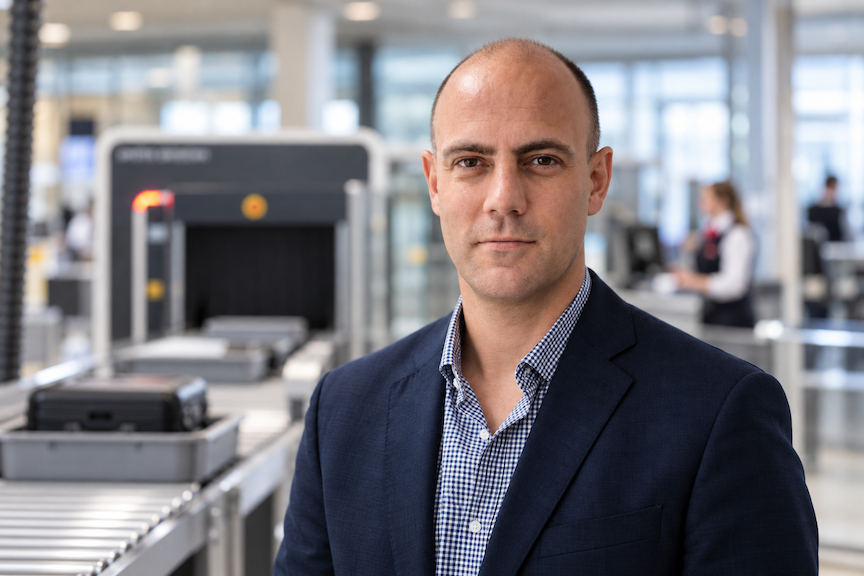


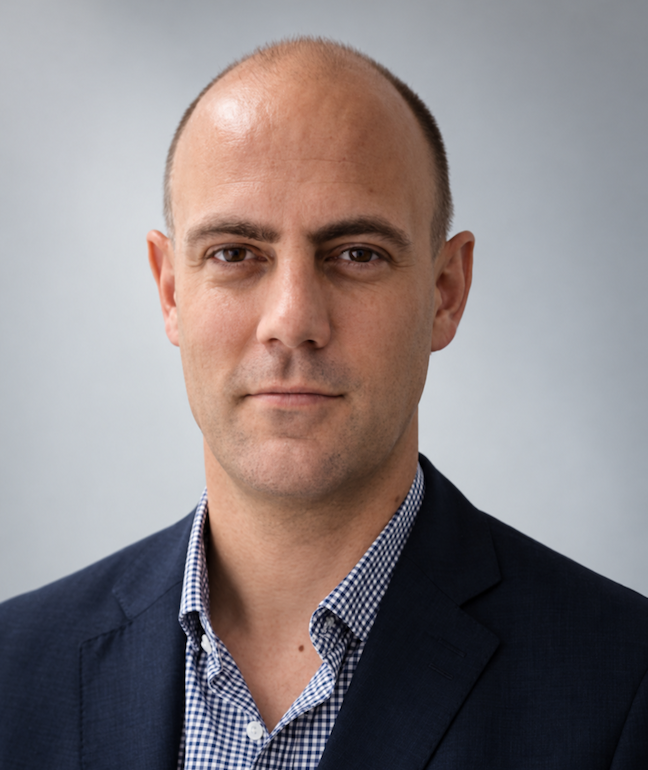
The adoption of newer airport screening technology varies considerably across Asia. Japan and South Korea have moved earlier, while Malaysia, Indonesia, Vietnam, the Philippines and Thailand are beginning to introduce CT screening. Unlike Europe, however, there is no common regional mandate driving these upgrades, and national requirements can complicate the certification and approval of AI-based threat-detection algorithms. John Higgs, Sales Director, Asia at Smiths Detection, explains how airports are approaching screening upgrades, why remote screening could help address workforce shortages, and how throughput and long-term operating costs are becoming part of investment decisions.
How has Smiths Detection’s business in Asia developed since the pandemic?
Passenger traffic recovered strongly after Covid, and that growth is now driving public and private investment in airport infrastructure across Asia.
The projections we are looking at put annual passenger growth in Asia above 5 per cent, compared with a global average of just over 3 per cent. Within the next decade, Asia is expected to account for 40 per cent of global passenger traffic.
To accommodate those numbers, airports need to upgrade existing facilities, introduce technology that can process more passengers or build new infrastructure.
We can see this investment across the region. Global Infrastructure Partners has invested in Malaysia Airports. In the Philippines, San Miguel is upgrading Ninoy Aquino International Airport and developing New Manila International Airport in Bulacan. Vietnam is also developing Gia Binh airport near Hanoi.
Which business areas are important for Smiths Detection in Asia, and how is screening technology being adopted across the region?
Aviation is a major focus for us. We also supply urban security equipment and large, high-energy inspection systems for customs, ports and borders.
Within aviation, Japan and South Korea have led the adoption of newer technology. Malaysia, Indonesia, Vietnam, the Philippines and Thailand are beginning to introduce computed tomography, or CT, screening.
Regulation has driven equipment upgrades in Europe. Asia does not have an equivalent region-wide mandate, but increasing passenger numbers are creating an operational need for newer screening technology.
How are you using AI in screening, and what challenges affect its adoption in Asia?
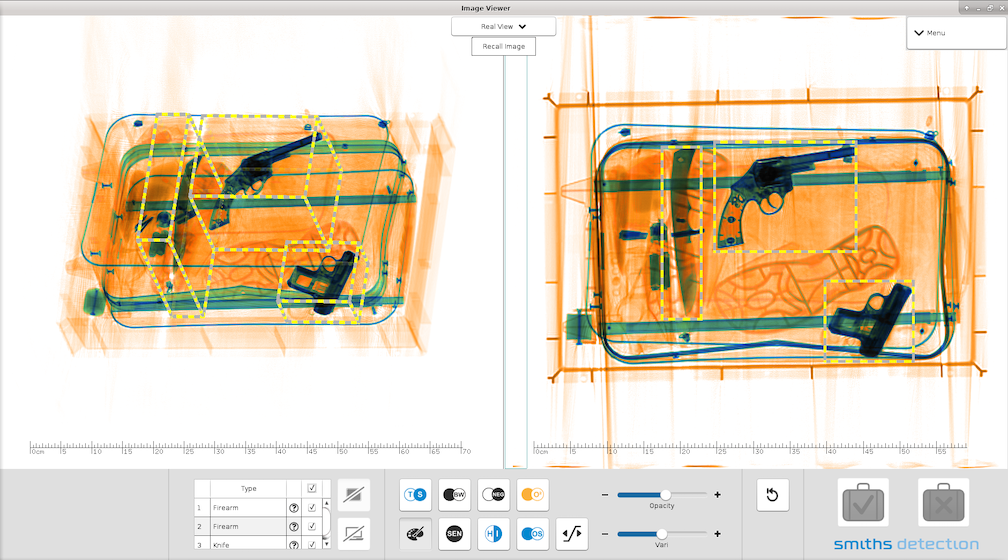
We use AI for automatic threat detection. Our prohibited-items algorithm is certified by the European Civil Aviation Conference (ECAC) and we have a version approved by the US Transportation Security Administration (TSA).
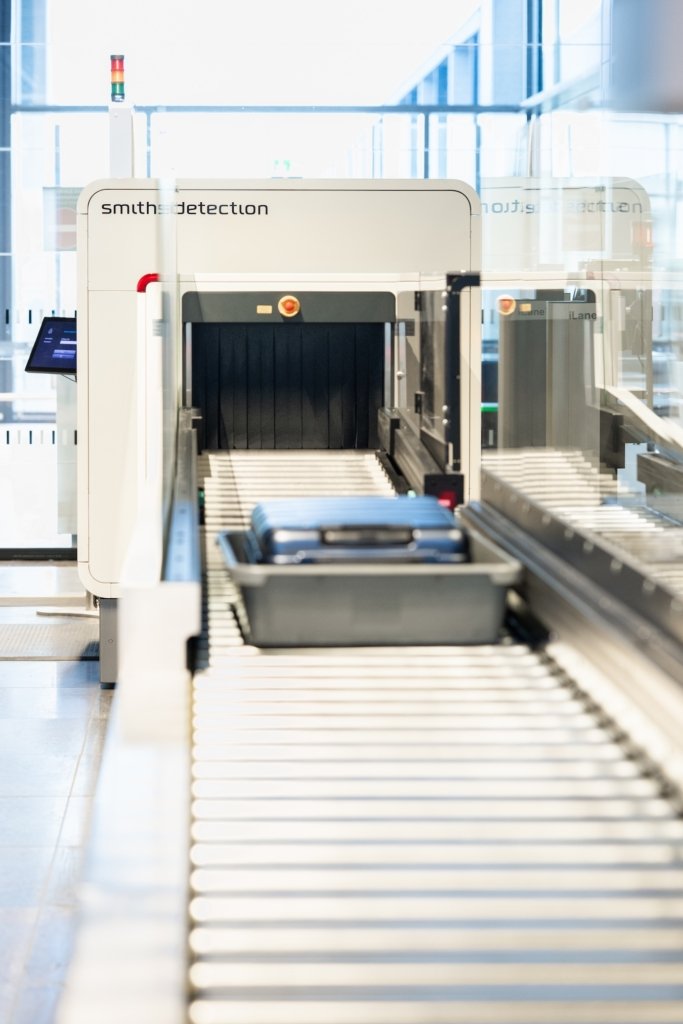
However, prohibited-item lists differ between countries. If a certified algorithm is modified to accommodate a different list, its existing certification would no longer apply.
Countries such as Japan, Thailand and Malaysia therefore need either to align their requirements with the relevant ECAC standards or to approve customised algorithms developed for their specific requirements.
A customised algorithm would need to be tested and approved locally. Many countries do not have the testing organisations required to carry out that process, which makes adoption more difficult.
We also offer algorithms that help operators identify narcotics, currency and cigarettes. These do not require the same aviation security certification.
The certification requirements are particularly important for detecting threats to aviation safety, including explosives, weapons and sharp objects.
How can networking screening equipment improve operations and address shortages of screening personnel?
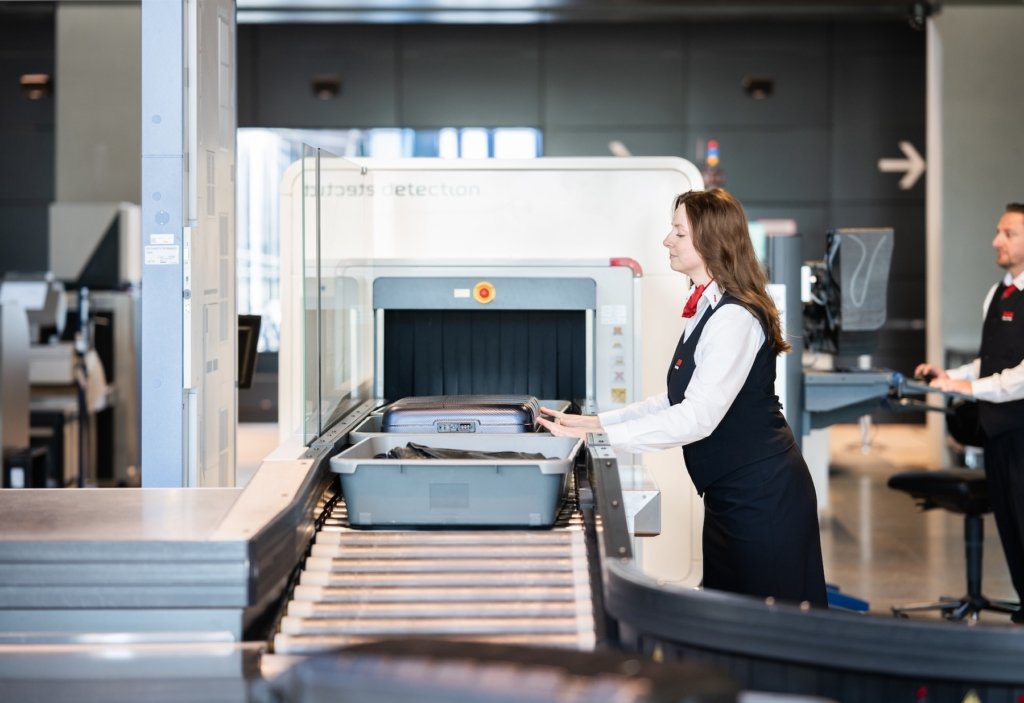
Networking allows images from several screening lanes to be reviewed at a separate location. This is an approach we have already introduced in more mature markets.
A conventional checkpoint with ten lanes might have three or four operators assigned to each lane. That requires substantial resources and makes it difficult to adjust staffing as passenger numbers change during the day.
With remote screening, images from the lanes in operation are sent to a central screening room. Screeners receive images from whichever lane requires their attention, allowing a smaller team to handle the workload. This can reduce the screening hours required by about 40 per cent.
The approach can also extend beyond one terminal to several airports. In Japan, airports are spread across a large geographical area, while an ageing population is reducing the available workforce. Some airports struggle to recruit enough personnel for their screening lanes.
We are examining how two, three or four airports could be connected to a central screening location. One team could then review images from those airports, helping address the shortage of screening personnel.
How should airports evaluate the financial benefits of investing in newer screening technology?
Airports need to consider the wider financial benefits alongside the purchase price.
Some operators have calculated how passenger spending relates to time spent airside. Reducing the time spent queuing and passing through security gives passengers more time in restaurants, shops and duty-free outlets.
An airport in Japan reported a 30 per cent increase in food, beverage and retail revenue after installing our CT scanners and screening lanes. That was feedback from the airport, and other factors may have contributed. I would not attribute the entire increase to the screening equipment.
The passenger experience is also relevant. At checkpoints where approved procedures allow laptops and liquids to remain in bags, screening involves less preparation and repacking. A less stressful experience, combined with more time airside, can encourage spending.
Alongside staffing savings from remote screening, higher throughput can reduce the number of lanes an airport needs.
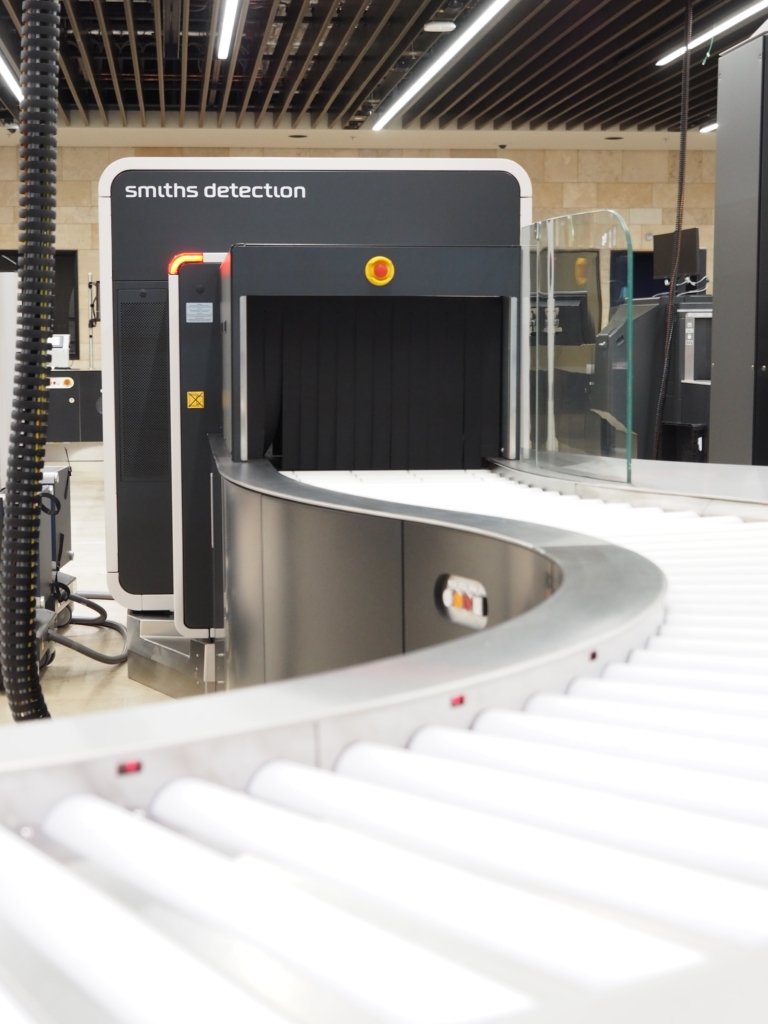
In a recent trial in Malaysia, a 26-metre screening lane processed passengers at a rate equivalent to roughly two-and-a-half to three existing lanes. Although the individual lane costs more, fewer lanes can reduce the number of machines purchased and maintained, as well as the personnel required to operate them.
We therefore encourage airports to assess total cost of ownership over an operating period of around ten years. Newer equipment can cost more initially, but the savings over its service life can make it less expensive overall.
What benefits can open architecture offer airports, and what needs to be resolved for systems from different suppliers to work together?
Open architecture is still at an early stage. We support the concept and recognise its benefits, but certification and responsibility need to be addressed.
A threat-detection algorithm is certified in combination with specified equipment. If an airport wants to use our X-ray equipment with a third-party algorithm, that combination would need to undergo certification.
There is also the question of responsibility if a threat is missed. With equipment and software from different suppliers, it must be clear who is accountable.
Even a performance problem can raise questions about whether the cause lies with the scanner or the algorithm.
A common screening workstation offers a more straightforward application.
An airport with scanners from several manufacturers may want its screeners to train on one interface. They could then move between lanes and use the same controls and functions.
That is more readily achievable. Using third-party AI algorithms with screening equipment raises more difficult questions about certification, performance and liability.
What opportunities and challenges do you expect in the Asian market over the next five years?
Differences between regulatory frameworks will remain a challenge.
For equipment manufacturers, political and budget changes can also make demand difficult to forecast. In emerging markets, project requirements and investment plans can change frequently.
The opportunity is nevertheless substantial. Passenger growth and airport development are creating demand for screening equipment and technology.
Suppliers need to remain flexible and be prepared to take some risks. This can require a different approach from markets such as the US or Europe, where planning and decision-making are generally more consistent.
Also Read: HI-SCAN 6040 CTiX: Smiths Detection’s 3D CT Scanner for Cabin Baggage