




India’s First DGCA-Certified Aircraft Seat Set for Public Debut at Wings India 2026

- Timetooth Technologies will showcase India’s first DGCA-certified aircraft passenger seat at Wings India 2026, marking a rare domestic entry into a globally regulated aerospace segment.
- The C39c-class seat is positioned for HAL’s Dornier 228 fleet, offering a 20–25% weight reduction and compliance with global safety and certification standards.
- Beyond HAL, the company is targeting regional airlines and retrofit programmes, with next-generation 16g seat prototypes already under certification.
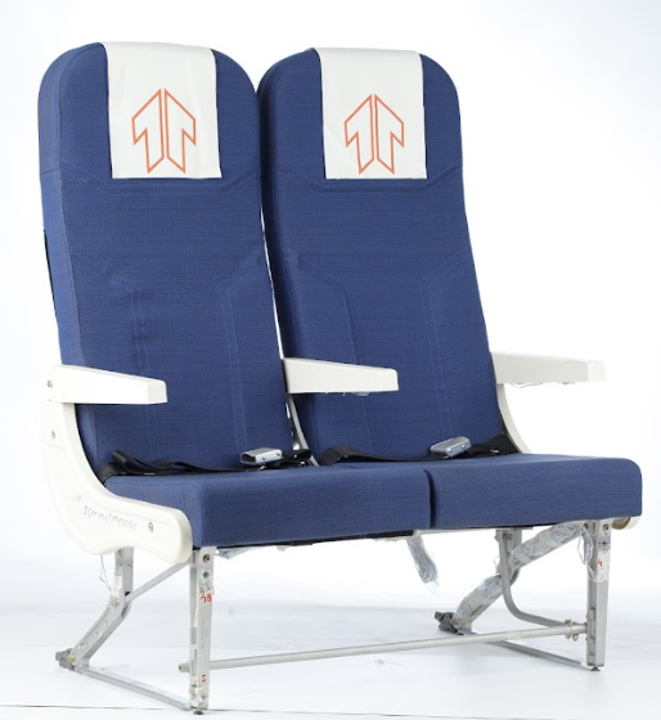
Photo Timetooth
When Wings India 2026 opens in Hyderabad this week, one of the quieter but more structurally important milestones on display will not be a new aircraft, engine, or airline order—but an aircraft seat.
Bengaluru-based Timetooth Technologies is set to formally unveil what it says is India’s first domestically designed and certified aircraft passenger seat, marking a rare entry by an Indian engineering firm into a segment long dominated by a small group of global suppliers.
Especially with over 1,500 aircraft flying Indian skies and a similar number on order, it is a point worth noting that 100 per cent of certified commercial aircraft passenger seats in India have historically been imported. The Indian aircraft seating market, currently valued at around $380 million, is expected to grow at a compound annual growth rate (CAGR) of about 13.3 per cent, reaching approximately $800 million by 2030.
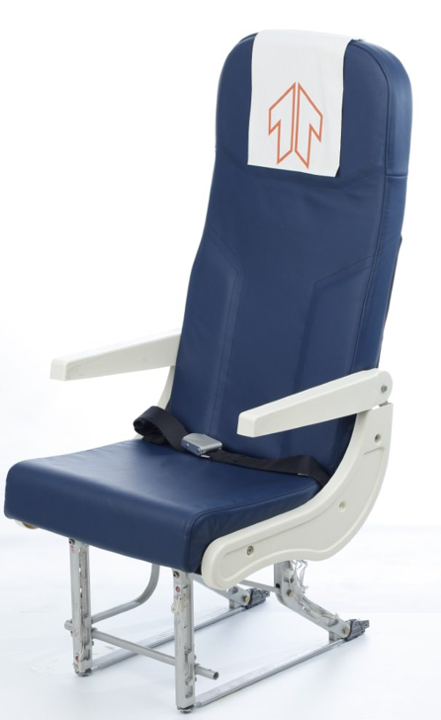
The seat has completed certification under the Indian Technical Standard Order (ITSO-C39c) issued by the Directorate General of Civil Aviation (DGCA), clearing it for use on entry-level and regional aircraft platforms operating in India. According to the company, the certification process—spanning close to three years—also played a role in shaping how the DGCA formalised the ITSO framework for aircraft seating.
From Simulation Engineering to Certified Hardware
Founded over 17 years ago, Timetooth has traditionally operated as a simulation-driven engineering services company, with deep roots in defence, medical, and other regulated sectors. Much of its early work involved high-end design, testing, validation, and certification support for programmes of national interest, often as a backend engineering partner.
The move into aircraft seating was not originally part of the company’s roadmap. That changed when Timetooth—while working with Hindustan Aeronautics Limited (HAL)—was encouraged to explore whether aircraft seats, still largely imported, could be designed and certified domestically.
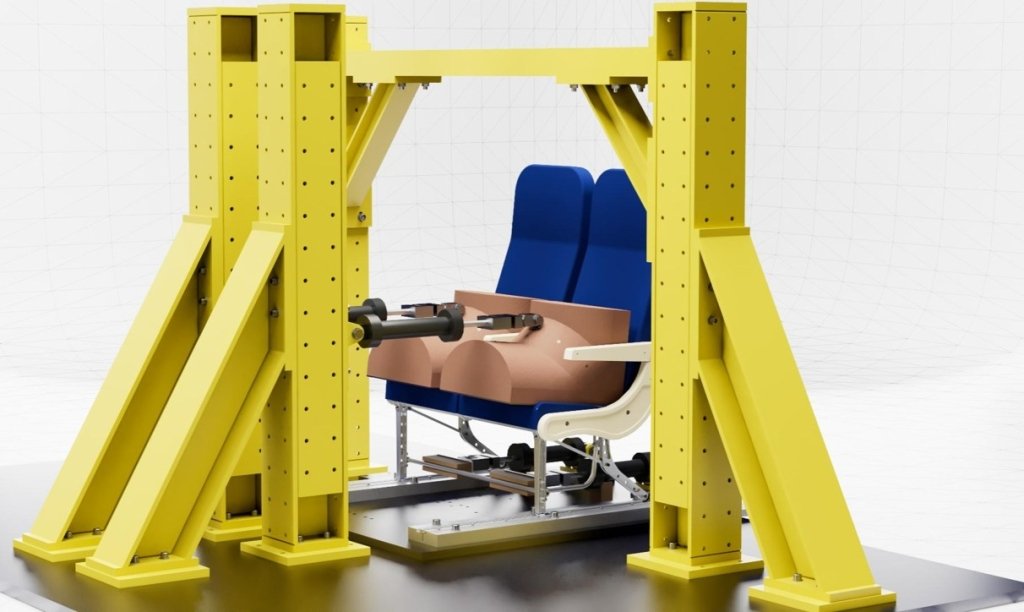
Using the same simulation-first methodology it applies across defence and aerospace projects, Timetooth developed a clean-sheet seat design, progressing from concept and prototyping to full certification. Unlike many interior components that rely on derivative approvals, the seat was taken through a complete regulatory cycle, including documentation, structural validation, and testing.
Certification, Testing, and Global Benchmarks
While the ITSO-C39c approval is Indian, the design and validation philosophy was not inward-looking. Timetooth says the seat aligns with established international benchmarks, including relevant United States Technical Standard Orders (TSOs), Federal Aviation Regulations on flammability, and Society of Automotive Engineers (SAE) guidance for transport aircraft seating.
Notably, the company had to establish DGCA-approved static testing infrastructure in-house, conducting structural tests under regulatory supervision. Certain specialised tests—such as flammability—were carried out overseas, reflecting the current absence of certified facilities for such testing in India.
What is also important to note is that the number of Indian Technical Standard Orders (ITSOs) awarded by the Directorate General of Civil Aviation (DGCA) since their inception remains in the low single digits. By comparison, the number of Technical Standard Orders (TSOs) issued by the US Federal Aviation Administration (FAA) runs into tens of thousands.
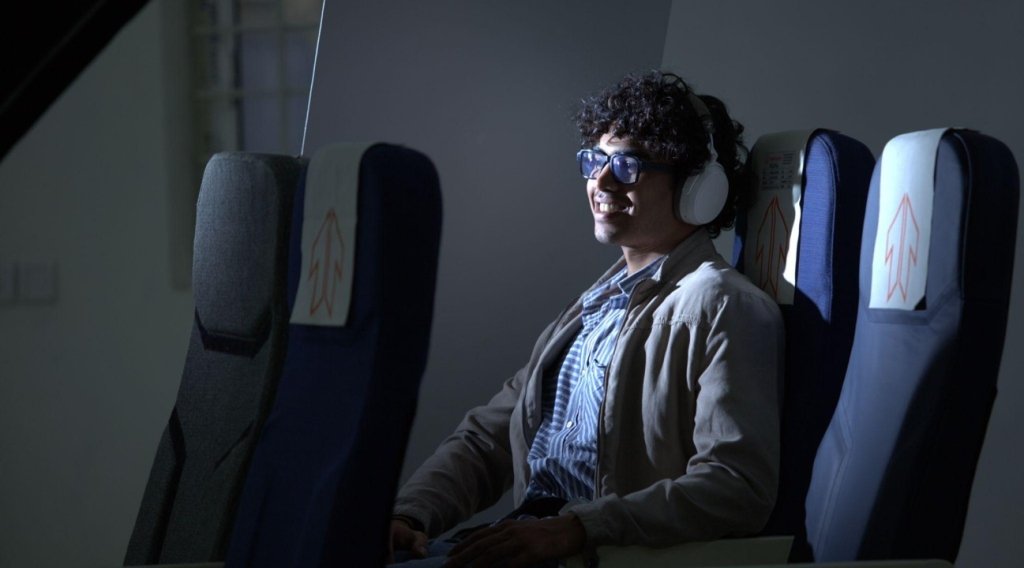
Photo: Timetooth
This underlines that Timetooth is not merely adding to an existing domestic ecosystem, but is opening a path that did not previously exist. In that sense, the company has demonstrated that an indigenous ITSO pathway is viable—establishing a precedent that can materially lower the barrier for future Indian aerospace products to follow.
Ms. Janhavi Nene, Vice President – Engineering and Head of the Seats Programme, said, “The DGCA’s scrutiny was exhaustive, with every parameter benchmarked against global Technical Standard Order (TSO) requirements. We are now confident that our indigenous design can operate in the same demanding environments as certified seats from Europe or the United States. This certification reflects uncompromising technical compliance.”
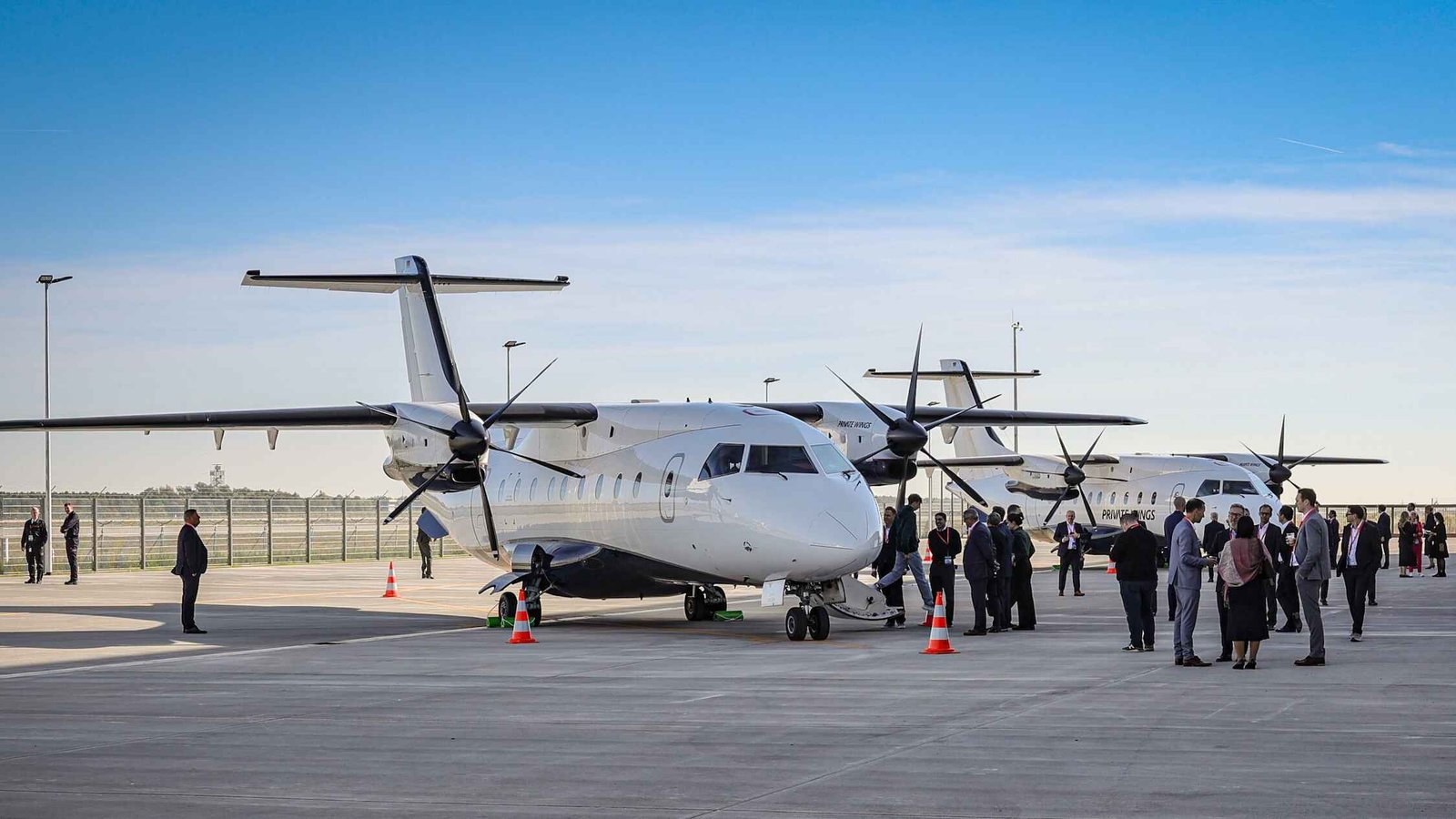
The resulting product is aimed at the HAL-built Dornier 228 segment, which remains in service across regional and utility operations. Timetooth states that the seat achieves a 20–25 per cent weight reduction compared with the seats currently used on comparable HAL platforms, without compromising safety margins or certification requirements.
Beyond HAL: Regional Airlines and Retrofit Potential
While HAL is expected to be the first customer—given its role as both manufacturer and integrator—the company is clear that its ambitions extend beyond captive demand. Annual production volumes from HAL are modest, and the larger opportunity lies in regional airlines and retrofit programmes, particularly as cost pressures and supply-chain delays make imported seats expensive to operate over time.
Timetooth’s pitch to operators centres not just on acquisition cost, but on total cost of ownership—including spares availability, repair turnaround times, and aircraft-on-ground exposure. The company estimates a 30–40 per cent reduction in total cost of ownership over a ten-year period, driven largely by local support and faster maintenance cycles.
At Wings India 2026, Timetooth will also display prototypes of a higher-load 16g passenger seat, targeting certification under ITSO-C127. Applications for this next certification phase are already underway, positioning the company for future line-fit and forward-looking airline programmes later in the decade.
Building a Domestic Supplier Ecosystem
One of the less visible aspects of the programme has been vendor development. As a design-led organisation, Timetooth relies on a network of AS9100D-certified machining and manufacturing partners, with final integration carried out at its DGCA-approved facility in Peenya, Bengaluru. Current integration capacity is around 1,500 seats per year.
Several components—such as seatbelts, specialised foams, and certain materials—are still imported at low volumes due to minimum order constraints. However, the company says increasing scale is already prompting Indian suppliers to seek relevant certifications, allowing progressive indigenisation of sub-systems over time.
A Small Product with Larger Implications
Aircraft seats rarely attract attention outside cabin design circles. Yet the significance of Timetooth’s programme lies less in the product itself and more in what it represents: India’s ability to move from engineering services into certified aerospace hardware, within a tightly regulated global supply chain.
As India’s aviation ecosystem matures—spanning regional connectivity, defence aviation, and emerging air-mobility platforms—the ability to design, certify, and sustain such components domestically may prove as consequential as fleet orders or airport expansions.
“We believe that true Make in India should not mean merely manufacturing in India and selling in rupees, but owning the intellectual property. In aviation, real leverage does not lie in cutting metal, but in owning the Type Certificate. That is what TimeTooth is working to build in the years to come,” said Girish Mudgal, Co-Founder and Director of TimeTooth.
Wings India 2026 will offer the first public glimpse of how far that capability has progressed—and how far it still has to go.
Also Read: A Century of Grit and Innovation: The 100-Year Legacy of Pratt & Whitney