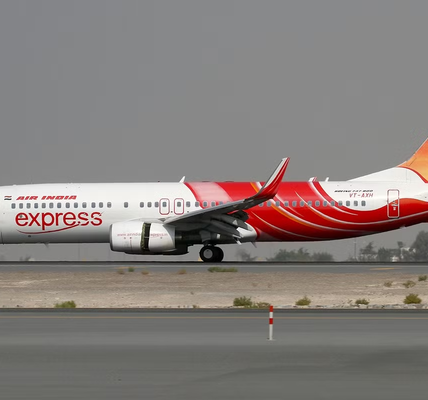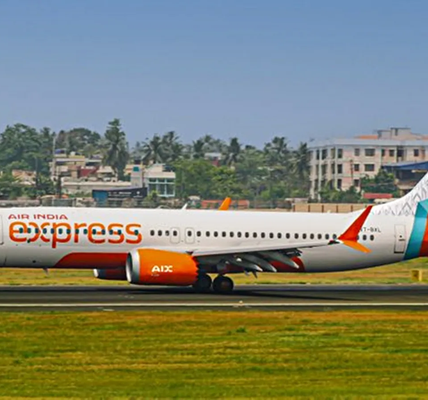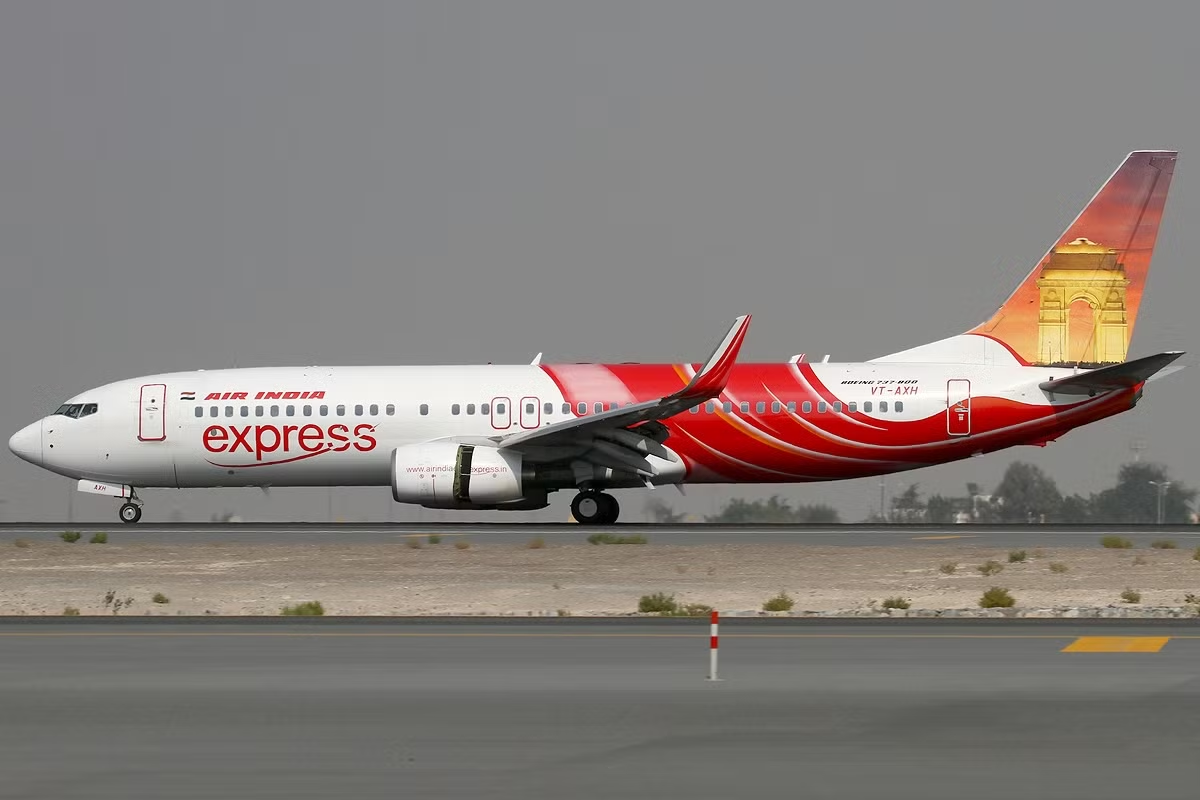












Air India Plans Varanasi International Connectivity Under Hub-and-Spoke Model

- Air India is preparing to route international passengers from Varanasi via Delhi under a hub-and-spoke trial expected to begin in June.
- The model allows passengers to complete check-in, baggage transfer, and international departure formalities at the origin airport, avoiding recheck at the hub.
- The Delhi–Varanasi trial will test whether Indian airports can support coordinated transit-style operations and reduce reliance on foreign hubs.
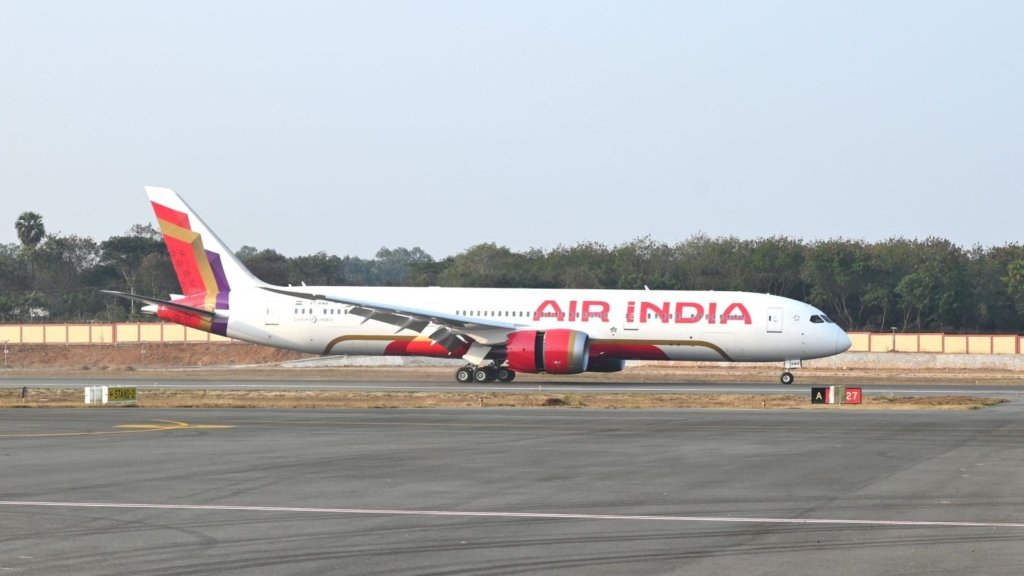
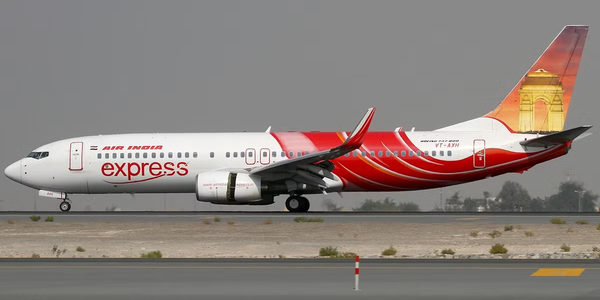
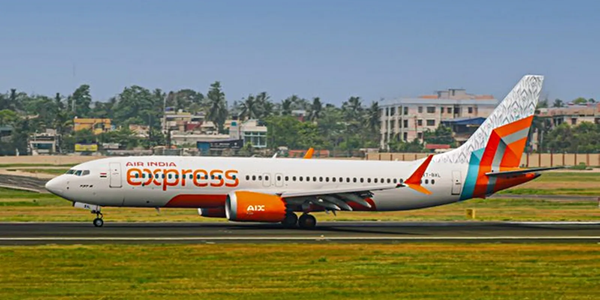
India’s attempt to build a hub-and-spoke system is moving from policy intent to early execution, with Air India preparing to link Varanasi to international departures via Delhi as part of a government-backed trial expected to begin in June.
The model is straightforward in design but significant in implication: passengers originating in a secondary city would check in for both domestic and international sectors at the point of origin, receive separate domestic and international boarding passes, and have baggage tagged through to the final destination, avoiding the current need to reclaim luggage and repeat formalities at the hub airport.
What is being tested is not the concept itself, which is standard across global networks, but its application within India’s regulatory and airport environment. The proposed process would allow international departure formalities, such as immigration and customs, to be completed at the originating airport, with passengers arriving in Delhi as transit travellers rather than as domestic arrivals.
If implemented consistently, this would remove one of the biggest frictions in India’s current international travel flow, where even same-airline connections often require a full exit-and-recheck process at the hub airport.
As Campbell Wilson, CEO & MD, Air India, put it: “This is a transformative step for Indian aviation. The hub-and-spoke model will not only strengthen connectivity but also ensure optimal use of airport infrastructure.”
The policy push addresses a long-standing gap in India’s aviation system.
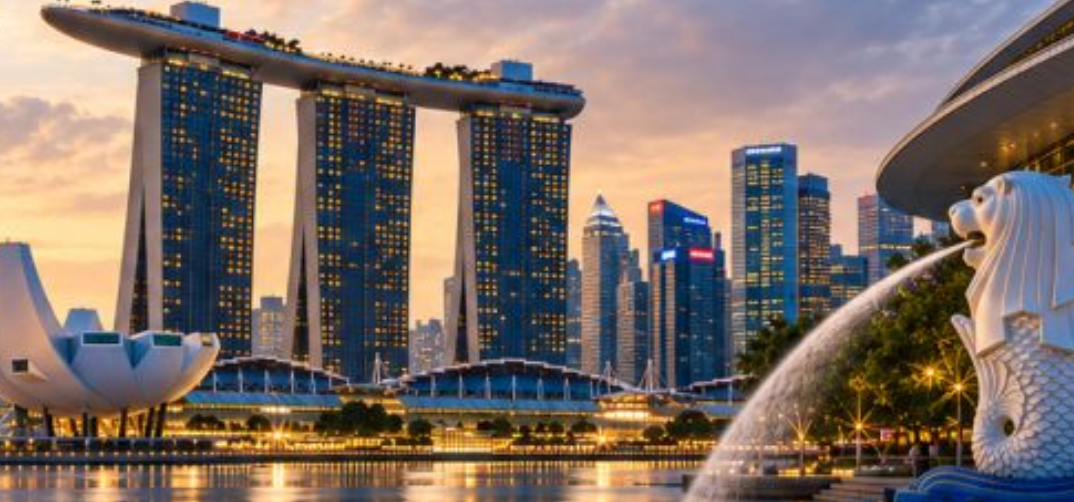
A significant share of India’s long-haul traffic still routes through foreign hubs such as Dubai, Doha, Singapore or London, not only because of airline networks but also due to smoother transfer processes.
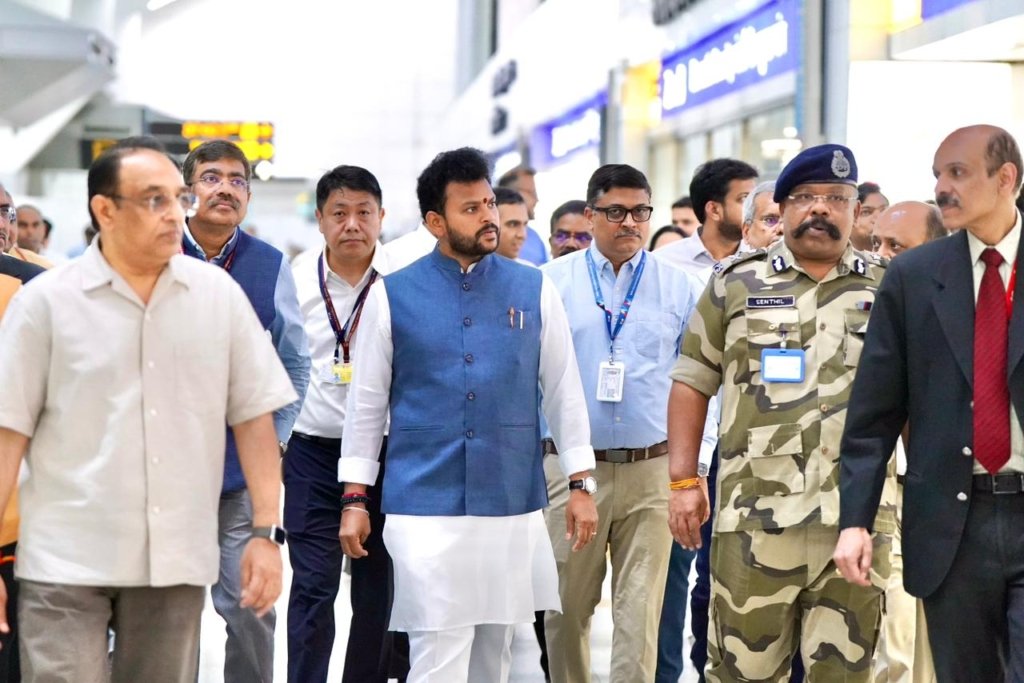
Minister Ram Mohan Naidu said nearly 35 per cent of international passengers from India currently transit through foreign hubs like Dubai, London, and Singapore. The government’s aim is “to reverse this trend by developing globally competitive Indian hubs like Delhi, Mumbai, Bangalore, Hyderabad, Kolkata and Chennai.”
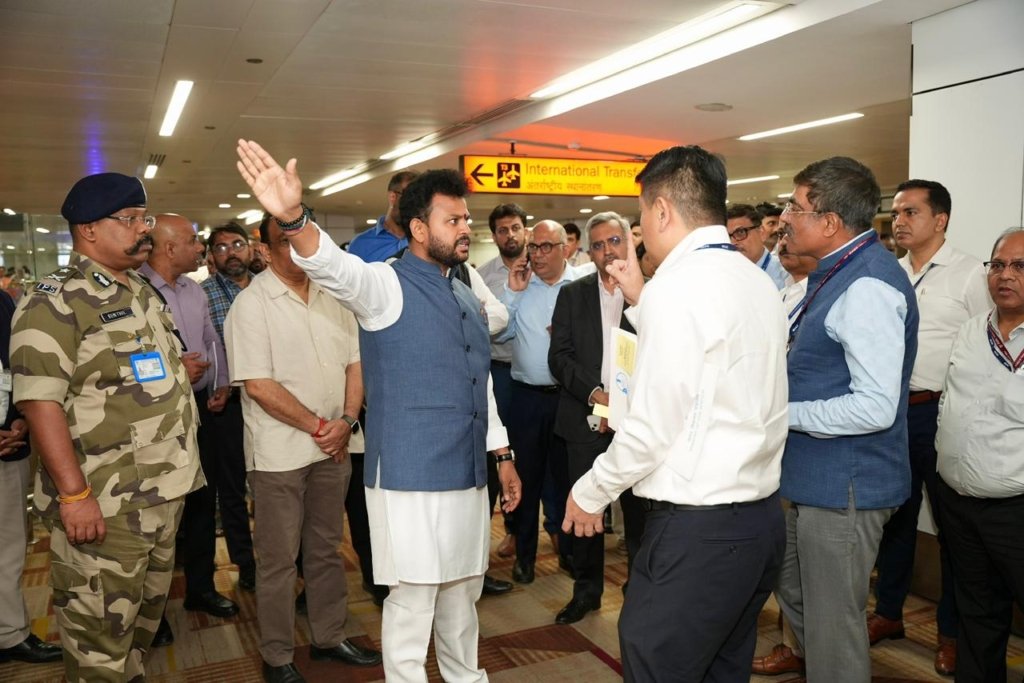
However, the shift is not just about passenger convenience; it tests whether India can support hub operations at scale. For a hub-and-spoke system to function efficiently, the entire chain—from security screening and baggage handling to immigration clearance and aircraft turnaround—must run in close coordination.
Airports such as Varanasi will need the infrastructure and staffing to handle international departure processing, which introduces additional security and regulatory requirements and increases operational complexity. This includes ensuring secure segregation of domestic and international passenger flows, maintaining compliance with immigration protocols, and aligning airline and airport systems for coordinated operations.
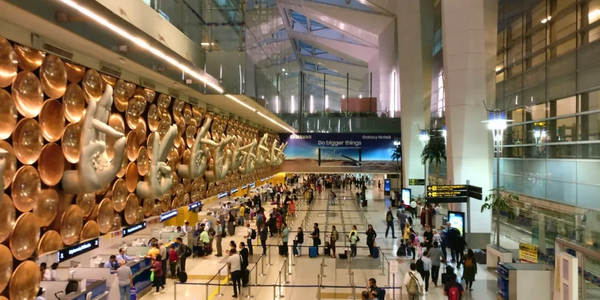
At the hub end, Delhi’s role would also begin to change. Instead of functioning largely as an origin-destination airport, it would need to accommodate higher volumes of transfer passengers who remain within the airside transit zone.
That has implications for gate planning, minimum connection times, baggage transfer reliability and disruption management. Missed connections, delays on feeder sectors, or baggage misalignment could quickly erode the benefits if not handled with precision.
For Air India, the model aligns with its broader network strategy. A structured feeder system allows the airline to consolidate demand from multiple smaller cities onto long-haul routes, improving load factors and aircraft utilisation.
This is particularly relevant as the carrier expands its widebody operations and seeks to compete more directly with established hub airlines in the Middle East and Southeast Asia. The ability to draw traffic beyond metro cities is essential if India is to sustain more direct long-haul capacity.
P. Balaji, Group Head – Governance, Risk, Compliance and Corporate Affairs, Air India, said: “The introduction of international hub-and-spoke connectivity from Varanasi underscores our focus on expanding India’s global aviation footprint beyond metros. It will provide tremendous boost to international travellers from India’s Tier 2 and tier 3 cities by cutting down travel time, while making travel seamless and convenient.”
That said, comparisons with hubs such as Dubai or Doha need to be viewed in context.
Those systems are built on decades of coordinated infrastructure planning, streamlined regulatory processes and clusters of closely timed flights designed specifically for transit flows.
India is at a much earlier stage, and the current initiative is closer to a procedural integration than a fully developed hub model.
The outcome will depend on how consistently the process can be executed across multiple airports and whether it can scale without introducing new bottlenecks. The June trial on the Delhi–Varanasi route will serve as a practical test of both infrastructure readiness and inter-agency coordination.
If the process holds under real operating conditions, it could mark the beginning of a more integrated domestic-international network. If not, it will highlight the gaps that still need to be addressed before India can position its airports as viable alternatives to established global transit hubs.
Also Read: Adani’s Mumbai Cargo Relocation Plan Draws US Treaty Concerns
Vishal Duggal – With over 30 years of experience in print and digital media, Vishal has led editorial teams across a range of publications covering news, current affairs, real estate, defence, law, diaspora issues, and aviation. He currently works as a consulting editor for niche sector publications.