










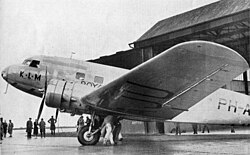
Kweilin Incident 24 August 1938
The Kweilin Incident was a tragic event in the history of civil aviation that took place on 24 August 1938 in China. It involved the Kweilin, a flying boat operated by China National Aviation Corporation (CNAC). The aircraft was attacked while flying over the Pearl River near Hong Kong during a period of intense fighting in the Second Sino-Japanese War.
The Kweilin Incident is remembered as one of the earliest cases in which a civilian airliner was deliberately attacked during wartime. The event caused the deaths of many passengers and crew members and created serious concerns about the safety of civilian aviation in a war zone.
The incident is also important because it demonstrated how quickly commercial air routes could become dangerous when military conflict spread into areas used by civilian aircraft.
China National Aviation Corporation
During the 1930s, the China National Aviation Corporation, usually called CNAC, was one of the most important airlines operating in China.
CNAC was established to develop commercial aviation and provide transportation between important Chinese cities.
China was a huge country, and traveling by road or railway could take a long time.
Aircraft offered a faster way to move passengers, mail, and important goods.
CNAC therefore became an important part of China’s developing transportation system.
However, the airline was operating during an extremely difficult period.
China in 1938
The Kweilin Incident happened during the Second Sino-Japanese War.
Japan had launched a major invasion of China in 1937.
By 1938, fighting had spread across large parts of the country.
Major cities had been attacked or occupied.
Military aircraft were operating in many areas.
Roads, railways, ports, and airports were affected by the conflict.
Civilian airlines continued to operate, but their routes increasingly passed through dangerous areas.
The Kweilin Flying Boat
The aircraft involved was named Kweilin.
It was a Douglas DC-2 flying boat, operated by CNAC.
The aircraft had been designed for commercial transportation.
It was capable of carrying passengers and crew and was used on domestic routes in China.
The Kweilin was an important aircraft for CNAC because flying boats could operate from rivers and other bodies of water.
This was particularly useful in China, where modern airports were not available everywhere.
Why Flying Boats Were Important
During the 1930s, flying boats were widely used by international and regional airlines.
They did not require conventional runways.
Instead, they could land on rivers, lakes, bays, and coastal waters.
For an airline operating in a country with limited airport infrastructure, this was a major advantage.
The Kweilin therefore represented an important part of China’s early commercial aviation network.
The Flight
On 24 August 1938, the Kweilin was operating a scheduled flight in southern China.
The aircraft was traveling along the Pearl River.
The route was connected with the important cities of Hong Kong and Macau.
The aircraft was carrying passengers and crew.
It was a civilian flight.
The people aboard expected to travel normally.
However, the region was affected by the ongoing war.
The Attack
During the flight, the Kweilin was attacked by Japanese military aircraft.
The attacking aircraft opened fire on the civilian flying boat.
The Kweilin was damaged and eventually forced down into the river.
The attack caused a large number of deaths.
Historical accounts differ on some details concerning the exact number of people aboard and the number killed, but the incident is generally described as a major civilian aviation tragedy.
The Kweilin Goes Down
After being attacked, the aircraft came down in the Pearl River.
The aircraft suffered serious damage.
Some people aboard the aircraft were killed during the attack and crash.
Others survived the initial impact.
The survivors faced another danger.
The attackers reportedly returned to the area and strafed the aircraft and people in the water.
This made rescue extremely difficult.
Survivors
Several passengers survived the initial crash.
They attempted to escape from the damaged aircraft.
Some entered the water.
However, the continued attack placed them in danger.
The incident therefore became particularly tragic because people who had survived the initial crash were reportedly attacked while attempting to escape.
The event created widespread shock.
Why the Incident Was Significant
The Kweilin Incident was important because the aircraft was a civilian airliner.
The passengers were not soldiers.
They were traveling for ordinary reasons.
Commercial aviation was supposed to provide peaceful transportation.
The attack demonstrated that civilian aircraft could become targets during wartime.
This was a major concern for the developing international airline industry.
Wartime Aviation
The incident occurred before the Second World War had spread across Europe.
However, military aviation was already becoming a major part of modern warfare.
Aircraft could travel long distances and attack targets quickly.
The distinction between military and civilian airspace was not always clear.
Airliners operating near areas of conflict could be mistaken for military aircraft or deliberately targeted.
The Kweilin Incident demonstrated the dangers of operating civilian flights near active combat zones.
Questions About Identification
One important question was whether the Japanese pilots knew that the Kweilin was a civilian aircraft.
CNAC aircraft were commercial aircraft.
They were not military transports.
The incident therefore raised questions about aircraft identification and the protection of civilian aviation.
At the time, there were no modern international systems for tracking civilian aircraft in real time.
There were also no standardized transponders or digital identification systems.
The International Reaction
The attack attracted international attention.
China and other observers strongly criticized the attack.
The incident became an example of the dangers faced by civilians during the war in China.
It also contributed to wider discussions about the protection of civilian aircraft during military conflicts.
The Role of CNAC
CNAC was operating in extremely difficult conditions.
The airline had to continue providing transportation despite the war.
Its aircraft carried passengers, mail, supplies, and other important cargo.
The company had to consider military activity when planning flights.
However, it was impossible to eliminate all risks.
The Kweilin Incident demonstrated the danger faced by airline employees who continued working during wartime.
Civilian Aviation and War
Before the war, commercial aviation was often viewed as a symbol of international cooperation.
Airlines connected countries and cities.
Passengers could travel long distances without using ships or trains.
The development of air routes was part of the growth of international communication.
The Kweilin Incident showed how quickly these peaceful activities could be affected by war.
The Pearl River
The Pearl River was an important transportation route in southern China.
The river system connected major cities and ports.
Flying boats could use sections of the river for takeoff and landing.
The river was therefore important to CNAC operations.
It also became the location of one of the most tragic incidents in early Chinese aviation.
Hong Kong and Macau
The wider region around Hong Kong and Macau was strategically important.
Hong Kong was a major international port.
Macau was another important settlement and trading center.
Air routes connected these locations with other parts of China.
Because the region was close to areas affected by the war, commercial aviation faced increasing danger.
The Human Cost
The most important part of the Kweilin Incident was the loss of human life.
Passengers aboard the aircraft were ordinary civilians.
They may have been traveling for business, family reasons, government work, or personal matters.
The crew members were professional aviation workers.
They were doing their jobs in difficult circumstances.
Their deaths affected families and communities.
Impact on CNAC
The incident was a major blow to CNAC.
The airline had to reconsider how it operated flights in areas where military aircraft were active.
The loss of an aircraft also reduced the company’s ability to provide services.
However, CNAC continued to operate during the war.
Its crews demonstrated considerable courage by continuing to provide transportation in dangerous conditions.
Safety Challenges
The Kweilin Incident highlighted several safety challenges.
No Modern Aircraft Tracking
The aircraft could not be continuously tracked by satellite.
Limited Communication
Radio communication was available, but it was much less advanced than modern systems.
No Civilian Identification Technology
There were no modern transponders that could clearly identify the aircraft to military forces.
Dangerous Airspace
Civilian aircraft were operating close to active military operations.
Limited Emergency Services
Search-and-rescue capabilities were much less developed.
Aviation Technology in 1938
Aircraft technology had improved significantly by 1938.
Airliners were faster and more reliable than earlier aircraft.
Radio communication was widely used.
Navigation systems were improving.
However, aviation was still developing.
The Kweilin Incident showed that even a modern civilian aircraft could be vulnerable when operating in a military environment.
The Difference Between Civil and Military Aircraft
Military aircraft were designed for combat.
Civilian aircraft were designed to carry passengers and cargo.
The Kweilin had no military purpose.
Its passengers were not combatants.
The attack therefore demonstrated the danger of failing to protect civilian transportation during armed conflict.
Wartime Neutrality
Civilian airlines often attempted to remain separate from military operations.
They operated scheduled routes and carried civilian passengers.
However, maintaining neutrality was difficult when aircraft crossed areas controlled or contested by military forces.
Air crews could not always know where military aircraft were operating.
Likewise, military pilots might not have complete information about civilian flight schedules.
Importance of Flight Information
One lesson from the incident was the importance of clearly identifying civilian flights.
Modern international aviation uses flight plans, transponders, air traffic control, radar, and communication systems.
These technologies make it easier to distinguish civilian aircraft from military aircraft.
In 1938, such systems were much less developed.
The Second Sino-Japanese War
The Kweilin Incident cannot be understood without considering the wider war.
Japan had occupied large parts of eastern China.
Chinese forces were fighting to resist the invasion.
Cities were being bombed.
Millions of civilians were affected.
Transportation systems were under pressure.
Airlines were attempting to operate in this difficult environment.
The Kweilin was therefore caught in a much larger conflict.
Aviation as a Symbol of Modern China
Civil aviation was an important part of China’s modernization.
Aircraft connected cities quickly.
They allowed people to travel across long distances.
They also helped connect China with the international community.
CNAC was part of this modernization process.
The destruction of one of its aircraft showed the vulnerability of modern transportation during war.
The Story of the Survivors
Accounts of the incident emphasize the courage of those who survived the initial attack and crash.
They had to escape from a damaged aircraft in the river.
They also faced the danger of continued military action.
Rescue depended on people in nearby boats and on the riverbank.
The incident was therefore not only an aircraft accident.
It was also a wartime attack involving people struggling to survive in the water.
Rescue Efforts
People in the surrounding area attempted to help the survivors.
River traffic provided one of the few possible means of rescue.
Boats could reach people in the water.
Local residents also became involved.
However, the continuing danger made rescue operations difficult.
Historical Debate
The Kweilin Incident has been discussed by aviation historians and historians of the Second Sino-Japanese War.
Some details remain debated.
Historical sources do not always agree about the exact circumstances.
This is common with events that occurred more than eighty years ago during wartime.
Records can be incomplete.
Different governments and organizations may have presented different accounts.
Importance of Reliable Sources
When studying the Kweilin Incident, it is important to distinguish documented facts from later theories.
The broad facts are clear:
- The incident occurred on 24 August 1938.
- The aircraft was the Kweilin.
- It was operated by CNAC.
- It was a civilian flying boat.
- It was attacked by Japanese aircraft.
- The aircraft went down in the Pearl River.
- Many people aboard were killed.
Some details surrounding the attack and the exact sequence of events have been reported differently by different sources.
The Incident and International Law
The Kweilin Incident occurred during a period when international rules concerning aerial warfare were still developing.
There were principles concerning civilian protection, but enforcement was limited.
The incident became an example of the dangers faced by civilian aircraft during armed conflict.
Later international aviation and humanitarian rules placed greater emphasis on protecting civilian transportation.
Long-Term Aviation Lessons
The incident helped demonstrate why civilian air routes need protection.
Modern aviation has developed procedures for operating aircraft near conflict zones.
Airlines may avoid dangerous airspace.
Governments issue warnings.
Air traffic authorities coordinate routes.
Military organizations can identify civilian aircraft.
These systems are designed to prevent tragedies involving civilian aircraft.
The Development of Airspace Management
Today, airspace is carefully divided into controlled and restricted areas.
Some areas are closed to civilian aircraft because of military activity.
Aircraft are required to follow approved routes.
Controllers monitor traffic.
Pilots receive information about hazards.
In 1938, these systems were much less sophisticated.
The Legacy of CNAC
CNAC continued to play an important role in Chinese aviation.
During the war, the airline operated difficult routes and transported people and supplies.
Its history is closely connected with the development of civil aviation in China.
The Kweilin Incident became one of the most tragic chapters in that history.
Remembering the Victims
The people who died aboard the Kweilin should be remembered as victims of wartime violence.
They were not simply statistics.
They were passengers and crew members with families and lives outside the aircraft.
The tragedy affected their relatives and communities.
Remembering them also reminds us of the human cost of war.
Why the Kweilin Incident Matters Today
The incident remains relevant because civilian aircraft still operate in areas affected by military conflict.
Modern aviation has much better technology, but the basic lesson remains important:
Civilian air travel needs protection from military conflict.
Airlines must know where danger exists.
Governments must communicate threats.
Military forces must distinguish civilian aircraft from military targets.
Passengers must be protected whenever possible.
Comparison With Modern Aviation
A modern passenger aircraft is equipped with systems that did not exist in 1938.
These include:
- Radar-based air traffic control
- Aircraft transponders
- GPS navigation
- Satellite communications
- Emergency locator systems
- Digital flight tracking
- Automated warning systems
These technologies make modern aircraft easier to identify and locate.
They also make emergency response much faster.
A Tragic Moment in Aviation History
The Kweilin Incident occurred during a period when aviation was still young.
Aircraft had already become powerful enough to connect countries and cities.
But the same technology could also be used for warfare.
The incident demonstrated this terrible contradiction.
A machine designed to connect people could become a victim of military conflict.
Conclusion
The Kweilin Incident of 24 August 1938 was one of the most tragic events in the early history of civil aviation in China.
The Kweilin, a civilian flying boat operated by the China National Aviation Corporation, was carrying passengers and crew during a scheduled flight in southern China. The country was already experiencing a major war, and military aircraft were active throughout the region.
While flying over the Pearl River, the Kweilin was attacked by Japanese military aircraft. The civilian aircraft was badly damaged and went down in the river. Many people aboard were killed. Some survived the initial crash, but the situation remained extremely dangerous, with historical accounts describing further attacks on the aircraft and people in the water.
The incident shocked people because the Kweilin was a civilian aircraft. Its passengers were not soldiers. They were ordinary travelers using one of the newest forms of transportation.
The tragedy also demonstrated the limitations of aviation technology in 1938. Civilian aircraft did not have modern tracking systems, GPS, satellite communication, or electronic identification systems. Military pilots and civilian crews operated in an environment where information could be incomplete.
The Kweilin Incident occurred during the Second Sino-Japanese War, when much of China was affected by military operations. CNAC continued to provide important transportation despite these dangers. Its crews played an important role in keeping China’s aviation network operating during an extremely difficult period.
The incident became an important reminder that civilian aviation can be extremely vulnerable during wartime. It also demonstrated the importance of clearly identifying civilian aircraft and keeping commercial routes away from dangerous military operations whenever possible.
Today, the aviation industry has much more advanced systems. Aircraft can be tracked, identified, and monitored over almost every part of the world. Airspace can be restricted when military activity creates a threat. Airlines can receive warnings and change routes to avoid dangerous areas.
Despite these technological advances, the central lesson of the Kweilin Incident remains important: civilian aircraft should never be treated as military targets, and protecting passengers and air crews must remain a major priority.
The Kweilin Incident is therefore more than an aviation accident. It is a story about the dangers of war, the vulnerability of civilian transportation, and the people who lost their lives while traveling on a peaceful commercial flight. It remains an important and tragic chapter in both Chinese aviation history and the history of civil aviation during wartime.

Ajeet Yadav is an aviation enthusiast covering airline news, airports, aircraft, and industry developments through well-researched and reliable reporting.