











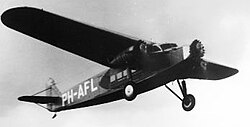
KLM Flight 676 Crash 6 April 1935
The KLM Flight 676 crash of 6 April 1935 was a tragic accident in the early history of commercial aviation. The flight was operated by KLM Royal Dutch Airlines, one of the world’s oldest airlines, during a period when passenger air travel was growing quickly across Europe.
The accident involved a KLM Fokker aircraft operating a scheduled passenger service. The flight ended in a crash, causing loss of life and attracting attention to the safety challenges faced by airline crews in the 1930s.
The accident happened at a time when aircraft technology was improving rapidly, but modern navigation, weather forecasting, communication, and emergency systems were still in their early stages. Understanding the circumstances surrounding KLM Flight 676 helps us understand how difficult commercial flying could be during this period.
KLM in the 1930s
KLM, or Koninklijke Luchtvaart Maatschappij, was founded in 1919 and began regular operations in the early 1920s.
By the 1930s, the airline had become an important European carrier.
KLM operated routes between the Netherlands and many European destinations. It also developed its famous long-distance service between Amsterdam and the Dutch East Indies.
The airline had gained a strong reputation for operating long-distance flights.
However, commercial aviation was still relatively young.
Aircraft were not as sophisticated as modern passenger airplanes.
Pilots had to perform many tasks themselves.
Navigation depended heavily on maps, compasses, landmarks, and radio information.
Weather forecasting was also much less developed.
Aircraft Technology of the Period
During the 1930s, aircraft manufacturers were making major improvements.
Aircraft were becoming faster.
Engines were becoming more powerful.
All-metal construction was becoming increasingly common.
Radio communication was becoming more useful.
Airliners were also becoming more comfortable for passengers.
Despite these improvements, aircraft remained vulnerable to mechanical problems, difficult weather, and human error.
An accident could happen quickly, and pilots had few options for dealing with a serious emergency.
KLM operated several aircraft types during this period, including aircraft manufactured by Fokker and Douglas.
The Importance of Scheduled Airline Services
Regular airline services were becoming an important part of European transportation.
Passengers could travel much faster by air than by train and ship.
Business travelers particularly valued the speed of aviation.
Mail was another important part of airline operations.
Airlines transported letters and other documents between cities, helping businesses communicate more quickly.
KLM was one of the companies leading this development.
Every successful flight helped build public confidence in commercial aviation.
Every serious accident, however, reminded people that flying was still a relatively new technology.
The Flight on 6 April 1935
On 6 April 1935, KLM Flight 676 was operating as part of the airline’s scheduled services.
The aircraft carried passengers and crew.
The flight was expected to be completed normally.
The crew prepared the aircraft and began the journey.
At some point during the flight, however, the aircraft encountered serious difficulties.
The flight ended in an accident.
The crash resulted in fatalities and led to an investigation into what had caused the disaster.
As with many aviation accidents of the 1930s, investigators had to work with limited technical information.
The Crash Investigation
When an aircraft crashed during this period, investigators immediately examined the wreckage.
They looked at the condition of:
- Engines
- Propellers
- Wings
- Fuselage
- Landing gear
- Flight controls
- Instruments
The goal was to determine whether the aircraft had experienced a mechanical or structural failure.
Investigators also considered weather conditions and the actions of the crew.
Witnesses could provide useful information about the aircraft’s final moments.
For example, a witness might report unusual engine noise, smoke, flames, or an unusual attitude of the aircraft.
All of this information could help reconstruct the accident.
Navigation in the 1930s
One of the biggest differences between aviation in 1935 and aviation today was navigation.
Modern aircraft can use GPS, inertial navigation, digital maps, radar, and satellite communications.
Pilots in the 1930s had far fewer tools.
They relied on:
- Magnetic compasses
- Paper maps
- Visual landmarks
- Radio direction finding
- Basic navigation calculations
When the weather was clear, landmarks could help pilots determine their location.
But clouds, fog, rain, or darkness could make navigation difficult.
A pilot could lose visual contact with the ground and have to rely entirely on instruments and radio information.
Weather Challenges
Weather was another major danger.
Modern aircraft crews receive detailed weather forecasts before departure and can monitor weather radar during flight.
In 1935, weather information was less complete.
Weather stations provided reports, but there was no modern global weather observation system.
Storms could develop or move into an aircraft’s route.
Fog could make airports difficult to find.
Strong winds could push aircraft away from their planned course.
Rain could reduce visibility.
These conditions created significant challenges for pilots.
The Role of the Pilot
Pilots in the early commercial aviation era had enormous responsibility.
They were responsible for controlling the aircraft and navigating the route.
They also had to monitor engines and weather.
If a problem occurred, the pilot had to make decisions quickly.
There were no computerized systems automatically warning the crew about every possible problem.
There was no autopilot technology comparable with today’s systems.
The pilot’s experience was therefore extremely important.
KLM invested heavily in professional pilots because its long-distance routes required highly skilled crews.
Passenger Safety
Passenger aircraft in the 1930s were much different from modern airliners.
Cabins were smaller.
Safety equipment was limited.
Seat belts were not used in the same way as they are today.
Aircraft did not have modern evacuation systems.
There were no inflatable evacuation slides.
Emergency procedures were also less standardized.
Despite these limitations, airlines were increasingly interested in improving passenger safety.
The growing number of commercial flights created pressure for better standards.
The Human Cost
The most important part of any aviation accident is the loss of human life.
The passengers aboard KLM Flight 676 were traveling as ordinary airline customers.
They trusted the airline and its crew to take them safely to their destination.
The crew members were experienced aviation professionals carrying out their normal duties.
The accident suddenly ended their journey.
For families, the loss was devastating.
News of the crash would have brought shock and grief to relatives, friends, and colleagues.
In the 1930s, air accidents often received extensive newspaper coverage because aviation was still relatively new.
Public Reaction
The public had mixed feelings about air travel during this era.
Many people were fascinated by airplanes.
Aircraft represented modern technology and progress.
Long-distance flights were seen as exciting achievements.
At the same time, accidents could make people question whether flying was safe.
Each major accident therefore had an effect on public confidence.
Airlines had to demonstrate that they were learning from accidents and improving their operations.
This was particularly important for companies such as KLM, which were building international networks.
KLM’s Safety Reputation
KLM had already gained international recognition before 1935.
Its Amsterdam-Batavia route was one of the world’s longest scheduled airline services.
The airline’s reputation depended heavily on the ability of its pilots and aircraft to complete long journeys safely.
An accident therefore represented more than the loss of an aircraft.
It also raised questions about operating procedures, aircraft maintenance, weather planning, and crew training.
KLM continued to develop its safety systems as the aviation industry matured.
The Growth of Aircraft Maintenance
Maintenance was becoming increasingly important in commercial aviation.
Aircraft were flying many hours each week.
Engines and airframes were exposed to repeated stress.
Regular inspections were necessary to identify worn or damaged components.
Airlines developed maintenance schedules to ensure that aircraft remained airworthy.
Engineers examined engines, propellers, control systems, landing gear, and structural components.
These practices gradually became more detailed and systematic.
The experience gained from accidents helped improve maintenance procedures.
Accident Reporting and Lessons
Modern aviation uses detailed accident reports to prevent similar events from happening again.
The same basic principle existed in the 1930s.
When an accident occurred, authorities attempted to establish its cause.
If a technical problem was discovered, other aircraft might be inspected.
If a pilot or operational issue was identified, procedures could be changed.
If weather was involved, forecasting and route planning could be improved.
This process of learning from accidents became one of the foundations of modern aviation safety.
Aviation in the Netherlands
The development of KLM was closely connected with the Netherlands’ aviation industry.
The Netherlands had a strong tradition of aircraft design and manufacturing.
Companies such as Fokker produced aircraft that were used by airlines around the world.
Dutch pilots also became famous for their long-distance flying skills.
KLM’s international routes demonstrated the Netherlands’ ability to participate in the growing global aviation network.
Accidents such as Flight 676 were therefore important national events.
The Broader Aviation Environment in 1935
The year 1935 was a turning point in aviation.
Aircraft were becoming more capable.
Airlines were expanding.
Radio navigation was improving.
International air travel was becoming more practical.
But aircraft technology had not yet reached the high levels of reliability and automation that exist today.
Flying remained dependent on human skill.
Aviation authorities were still developing international standards.
Accidents were part of the painful learning process.
Changes That Followed
The long-term development of aviation safety involved improvements in many areas.
Aircraft manufacturers developed stronger structures.
Engine reliability improved.
Navigation systems became more accurate.
Air traffic control became more organized.
Weather forecasting improved.
Pilots received more systematic training.
Airlines developed stronger maintenance programs.
Emergency equipment improved.
Over the following decades, these developments dramatically reduced the risk of commercial flying.
Remembering KLM Flight 676
The KLM Flight 676 accident is part of the larger history of aviation during the 1930s.
It should be remembered in the context of an industry that was still developing.
The people aboard the aircraft were part of the growing world of commercial aviation.
Their journey was made possible by technology that was considered advanced for its time.
Unfortunately, that technology still had limitations.
The accident demonstrates the risks faced by early airline passengers and crews.
Conclusion
The KLM Flight 676 crash of 6 April 1935 occurred during one of the most important periods in the history of commercial aviation.
KLM was already an internationally respected airline, and European air travel was expanding rapidly. Aircraft were becoming faster and more reliable, while airlines were establishing regular passenger and mail routes.
However, aviation in 1935 lacked many of the safety systems that are standard today. Pilots had limited navigation equipment, weather forecasting was less accurate, communication systems were developing, and accident investigators had no flight recorders or satellite tracking information.
The crash therefore illustrates the difficult environment in which early commercial pilots worked.
Every flight required careful preparation. Pilots had to navigate using maps, compasses, visual landmarks, and radio information. They also had to make important decisions about weather and aircraft performance without the sophisticated technology available to modern crews.
For the passengers and crew of KLM Flight 676, the journey ended in tragedy. Their deaths affected their families and the aviation community.
At the same time, accidents from this period contributed to the gradual improvement of airline safety. Engineers learned more about aircraft structures and engines. Airlines improved maintenance. Pilots received better training. Navigation and weather systems became more reliable. Governments developed stronger aviation regulations.
The history of commercial aviation is therefore not only a story of technological success. It is also a story of lessons learned from difficult and tragic events.
The 6 April 1935 KLM Flight 676 accident belongs to that history. It reminds us how far aviation has developed since the early days of passenger flying and how the safety standards of modern air travel were built over many decades of experience.

Ajeet Yadav is an aviation enthusiast covering airline news, airports, aircraft, and industry developments through well-researched and reliable reporting.