








KLM Douglas DC-2 Croydon Crash 9 December 1936
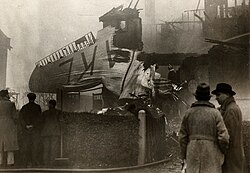
The KLM Douglas DC-2 Croydon crash was a tragic aviation accident that took place on 9 December 1936 at Croydon Airport, near London, England. The aircraft was a Douglas DC-2 operated by the Dutch airline KLM Royal Dutch Airlines. The accident happened during takeoff and resulted in the deaths of several people on board.
The disaster occurred during an important period in the history of European commercial aviation. Passenger aircraft were becoming faster, more comfortable, and more reliable, while airlines were establishing regular international routes. KLM was one of the leading airlines of the period and had built an important network between the Netherlands, Britain, and other European destinations.
The Croydon accident demonstrated that even modern aircraft and experienced airline crews could face serious danger during the early years of commercial aviation.
KLM and International Air Travel
KLM Royal Dutch Airlines was one of the world’s oldest established airlines and was already an important international carrier during the 1930s.
The airline operated regular passenger, mail, and cargo services between the Netherlands and other countries.
One of its important international connections was between Amsterdam and London.
The route was commercially important because London and Amsterdam were major centers of business and trade.
Air travel made it possible for passengers to travel between the two cities much faster than by traditional transportation.
However, flying in the 1930s was still very different from flying today.
Aircraft had fewer safety systems, airports had less sophisticated equipment, and pilots had to perform many tasks manually.
The Douglas DC-2
The aircraft involved in the accident was a Douglas DC-2.
The DC-2 was one of the most successful passenger aircraft of the early 1930s.
It was an all-metal, twin-engine aircraft designed by the Douglas Aircraft Company in the United States.
The aircraft represented an important step forward in commercial aviation.
Compared with many earlier aircraft, the DC-2 was faster and more comfortable.
It had an enclosed cabin and could carry passengers and mail over considerable distances.
Its two engines also provided greater reliability than single-engine aircraft.
The DC-2 became popular with airlines around the world.
KLM was one of the airlines that used the aircraft extensively.
Croydon Airport
The accident took place at Croydon Airport, which was London’s main airport during this period.
Croydon had played an important role in the development of British commercial aviation.
It served many international flights.
Aircraft arriving from Europe frequently landed at Croydon.
The airport had runways, hangars, navigation facilities, and other infrastructure needed for commercial aviation.
However, Croydon was located in an area where surrounding terrain could be important to aircraft operations.
Pilots needed to pay careful attention to weather, wind, and runway conditions.
The Flight
On 9 December 1936, the KLM aircraft was preparing for a scheduled flight.
The aircraft was expected to operate a normal passenger service.
Passengers boarded the aircraft.
The crew prepared the aircraft for departure.
The engines were started and checked.
The aircraft then began its takeoff.
However, the flight quickly developed into a disaster.
The aircraft failed to complete a safe takeoff and crashed at or near Croydon Airport.
The impact caused severe damage to the aircraft.
Several people lost their lives.
The Takeoff
Takeoff is one of the most critical phases of flight.
An aircraft needs sufficient speed to generate enough lift.
The engines must provide adequate power.
The aircraft must accelerate smoothly along the runway.
The pilot must also maintain directional control.
If a problem develops during takeoff, the pilot has only a short period in which to respond.
This was especially important in the 1930s because aircraft systems were less advanced than they are today.
There were fewer warning systems.
Pilots had to recognize problems quickly.
Problems During the Departure
The accident occurred shortly after the aircraft began its departure.
The crew faced a situation that prevented the aircraft from completing a normal takeoff.
The aircraft crashed before it could safely continue its flight.
Investigators later examined the aircraft and its engines to determine what had gone wrong.
Possible causes considered in accidents of this type include engine performance, aircraft loading, pilot actions, mechanical problems, and runway conditions.
Why Takeoff Accidents Were Dangerous
Takeoff accidents can be particularly serious because an aircraft is close to the ground.
If an engine loses power after takeoff, the pilot has limited time to decide what to do.
The aircraft may not have enough altitude to turn back toward the runway.
A modern aircraft has extensive systems to help pilots identify engine problems.
Pilots also receive specialized training for engine failures during takeoff.
In the 1930s, the technology and procedures were less developed.
Aircraft Engines
The Douglas DC-2 used two radial engines.
These engines were powerful for their period.
However, piston engines could experience mechanical problems.
Engine performance depended on many factors.
These included temperature, maintenance, fuel mixture, propeller operation, and engine condition.
A serious engine problem during takeoff could be extremely dangerous.
Investigators therefore paid close attention to the engines after the crash.
The Investigation
Following the accident, investigators examined the wreckage.
The purpose of an accident investigation is to determine what caused the crash and whether similar accidents can be prevented.
Investigators examined:
- The engines
- Propellers
- Flight controls
- Landing gear
- Aircraft structure
- Fuel system
- Cockpit instruments
- Loading information
- Weather conditions
- Pilot actions
The investigation was conducted using the technology available in 1936.
Unlike modern aircraft, the DC-2 did not have a flight-data recorder or cockpit voice recorder.
This meant investigators had to rely on physical evidence and witness statements.
Weather Conditions
Weather is always an important consideration during an aircraft accident investigation.
December weather in Britain can include low cloud, fog, rain, wind, and poor visibility.
Even when weather is not the direct cause of an accident, it can make a difficult situation worse.
Wind direction is especially important during takeoff.
Aircraft normally take off into the wind when possible.
A strong or changing wind can affect aircraft performance.
Ground conditions can also influence acceleration.
Pilot Experience
The flight crew were responsible for operating the aircraft safely.
Commercial airline pilots in the 1930s needed considerable experience.
They were trained to operate the aircraft and respond to problems.
However, the training available at the time was different from modern airline training.
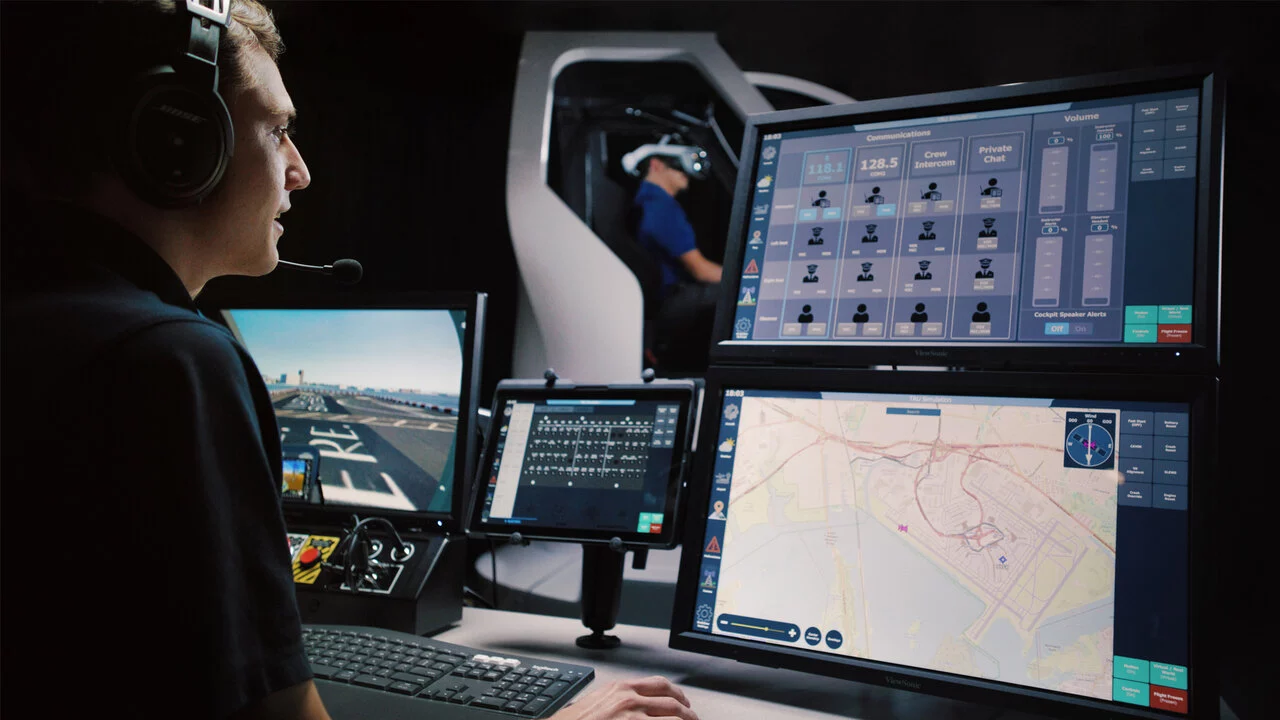
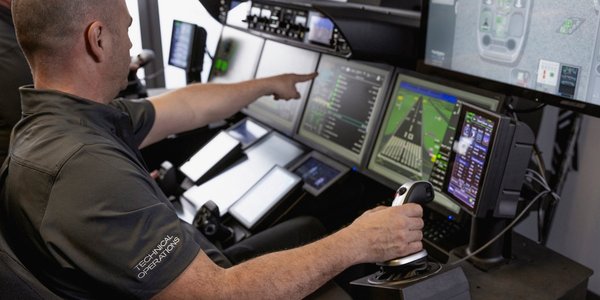
Today, pilots regularly practice emergencies in flight simulators.
They can repeatedly practice engine failures, rejected takeoffs, instrument problems, and other emergencies.
In 1936, pilots had far fewer opportunities for realistic simulator training.
Navigation Was Not the Main Challenge
Unlike many accidents of the period, the Croydon accident happened during the departure phase.
The aircraft had not yet begun a long international journey.
Therefore, long-distance navigation was not the primary issue.
Instead, the accident highlighted the importance of aircraft performance and safe takeoff procedures.
This distinction is important when studying historical aviation accidents.
Different phases of flight involve different risks.
Emergency Response
Emergency services at Croydon Airport responded to the crash.
Airport personnel and local emergency workers went to the accident site.
The aircraft had been badly damaged.
Fire could also be a serious danger after an aircraft crash because aviation fuel could ignite.
Airport rescue services were less sophisticated than modern airport emergency teams.
Today, major airports have dedicated fire and rescue units positioned close to runways.
These teams are trained specifically to respond to aircraft emergencies.
The Human Cost
The accident resulted in the deaths of people aboard the aircraft.
For their families, the event was a sudden and devastating loss.
Passengers had boarded the aircraft expecting a routine journey between European cities.
The crew members were performing their normal professional duties.
The disaster showed the human cost of the risks involved in early commercial aviation.
Behind every accident statistic are individual people with families, friends, careers, and personal stories.
Public Reaction
A KLM accident at London’s main airport attracted considerable attention.
KLM was a respected international airline.
The Douglas DC-2 was considered a modern passenger aircraft.
Therefore, an accident involving such an aircraft raised questions about airline safety.
Newspapers reported the disaster.
The public wanted to know why the aircraft had crashed.
Airline passengers were also becoming increasingly concerned about safety as commercial flying became more popular.
KLM’s Safety Reputation
KLM had established a strong reputation for operating international routes.
The airline had considerable experience with European and long-distance aviation.
Like other airlines, however, it operated in an era when aircraft technology was still developing.
The accident demonstrated that even established airlines could experience serious accidents.
The aviation industry had to continue improving aircraft maintenance, pilot training, airport operations, and emergency procedures.
Development of Airport Safety
Accidents at airports helped encourage improvements in airport safety.
Runways needed to be properly maintained.
Aircraft needed sufficient space for takeoff.
Emergency services needed to be close to operating areas.
Navigation aids needed to be reliable.
Air traffic procedures needed to be clear.
Over time, airports became much more sophisticated.
Modern airports have multiple layers of safety designed to prevent accidents and reduce the consequences when something goes wrong.
Development of Pilot Training
Pilot training also changed significantly.
Modern airline pilots receive extensive theoretical and practical training.
They practice normal and abnormal operations.
They learn emergency checklists.
They train for engine failures.
They practice rejected takeoffs.
They learn how to manage high-workload situations.
The development of this training culture was influenced by the experience of earlier generations.
Aircraft Maintenance
Aircraft maintenance became increasingly regulated during the twentieth century.
Airlines learned that regular inspection was essential.
Engines required detailed maintenance.
Propellers and control systems needed to be checked.
Aircraft structures had to be inspected for damage and wear.
Maintenance records became more detailed.
These practices greatly improved aircraft reliability.
The Importance of Accident Investigation
One of the most valuable results of an aviation accident investigation is the knowledge gained.
Investigators can identify weaknesses.
Manufacturers can improve aircraft.
Airlines can change procedures.
Governments can introduce new regulations.
Pilots can receive better training.
Airport operators can improve facilities.
This process has played a major role in making commercial aviation safer.
Aviation Technology in 1936
The technology available to the crew was very different from modern aircraft.
The cockpit had basic flight instruments.
Radio communication and navigation equipment were available, but systems were less advanced.
There was no GPS.
There was no satellite navigation.
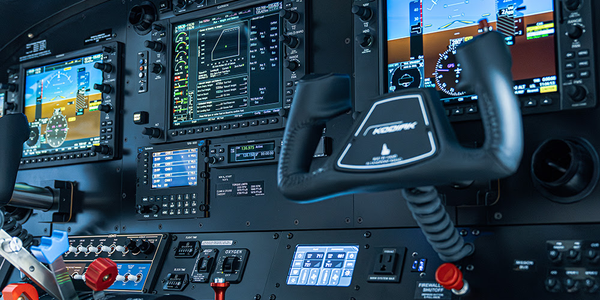
There were no digital displays.
There was no terrain-warning system.
There were no computerized flight-management systems.
The pilot therefore had to control the aircraft manually and monitor its systems closely.
How Aviation Changed After the 1930s
The aviation industry changed rapidly after 1936.
Aircraft became faster.
Engines became more reliable.
Navigation systems improved.
Air traffic control expanded.
Weather forecasting became more accurate.
Airport rescue services became stronger.
Pilot training became more structured.
Later, radar, computers, and satellite navigation transformed aviation.
These developments dramatically reduced the risks associated with commercial flying.
The Importance of the DC-2
Despite accidents involving individual aircraft, the Douglas DC-2 was an important step forward in aviation.
It demonstrated that airlines could operate fast, reliable, all-metal passenger aircraft on regular schedules.
Its success influenced later aircraft designs.
The DC-2 helped establish the foundation for the Douglas commercial aircraft family.
The later DC-3 became one of the most famous airliners in history.
The development of these aircraft helped transform air travel.
KLM’s Continued Development
KLM continued to expand its international operations.
The airline survived the difficult years surrounding the Second World War and eventually became one of the world’s best-known carriers.
Its fleet changed from piston-engine aircraft to turboprops and eventually jet aircraft.
Modern KLM aircraft use advanced navigation, communication, and safety systems.
The contrast between the airline’s modern fleet and the aircraft used in the 1930s shows how dramatically aviation technology has developed.
Lessons from the Croydon Accident
The KLM Croydon accident provides several important lessons.
Takeoff Requires Careful Preparation
Pilots must check engines, controls, aircraft weight, and runway conditions before departure.
Engine Reliability Is Essential
A serious engine problem during takeoff can create an immediate emergency.
Emergency Training Matters
Pilots must know how to respond quickly when something goes wrong.
Airport Rescue Services Are Important
Rapid emergency response can save lives.
Aircraft Maintenance Must Be Thorough
Regular inspection helps prevent mechanical failures.
Accident Investigation Saves Lives
Understanding an accident can prevent similar events in the future.
Modern Comparison
A modern KLM aircraft operating from London would be supported by systems that were unavailable in 1936.
Pilots receive detailed weather information.
Aircraft systems continuously monitor performance.
Air traffic controllers coordinate departures.
Runway safety systems provide additional protection.
Emergency services are positioned at major airports.
Modern aircraft also contain extensive warning and diagnostic systems.
The difference is the result of nearly a century of aviation development.
Remembering the Accident
Historical aviation accidents should be remembered with respect.
The people who died aboard the KLM aircraft were not simply names in an accident report.
They were passengers and crew members with families and personal lives.
The tragedy affected people in both Britain and the Netherlands.
Remembering such accidents helps preserve the history of aviation.
It also reminds us why safety improvements are important.
Legacy
The 9 December 1936 KLM Douglas DC-2 Croydon crash occurred during a period of rapid change in aviation.
Airlines were expanding international routes.
Aircraft were becoming more advanced.
Passengers were beginning to trust air travel as a practical form of transportation.
At the same time, safety systems were still developing.
The accident demonstrated the risks involved in operating aircraft during this early period.
Its history forms part of the broader process through which airlines, aircraft manufacturers, airports, and governments learned to make commercial aviation safer.
Conclusion
The KLM Douglas DC-2 Croydon crash of 9 December 1936 was a tragic event in the history of European commercial aviation.
KLM was already an important international airline, and the Douglas DC-2 represented modern aircraft technology for its time. The accident occurred during the departure from Croydon Airport, London’s main airport in the 1930s.
The tragedy demonstrated the dangers of the takeoff phase, when an aircraft has limited altitude and little time to respond to a serious problem.
Investigators examined the aircraft, its engines, flight controls, operating conditions, and other available evidence. Without modern flight recorders, they had to depend heavily on physical wreckage and witness accounts.
The accident also illustrates how much aviation has changed since the 1930s.
Today, airline pilots have advanced navigation systems, detailed weather information, sophisticated aircraft monitoring, emergency checklists, simulator training, and support from highly developed air traffic control systems. Airports also have specialized rescue and firefighting teams.
The Douglas DC-2 itself remains an important aircraft in aviation history. It helped demonstrate the potential of fast, all-metal passenger aircraft and influenced later generations of commercial airplanes.
KLM continued to grow after the tragedy and eventually became one of the world’s major international airlines.
The Croydon accident of 9 December 1936 is therefore more than an isolated aviation disaster. It is part of the long story of commercial aviation’s development. It reminds us that modern airline safety was built through technological progress, better training, improved maintenance, stronger airport procedures, and lessons learned from accidents of the past.

Ajeet Yadav is an aviation enthusiast covering airline news, airports, aircraft, and industry developments through well-researched and reliable reporting.