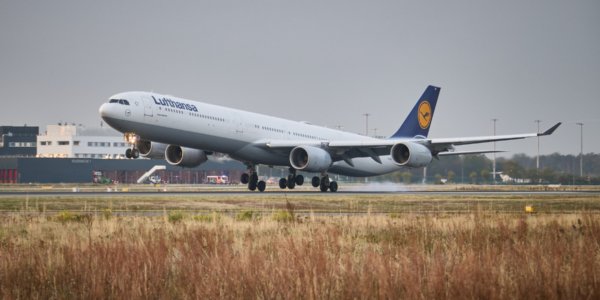
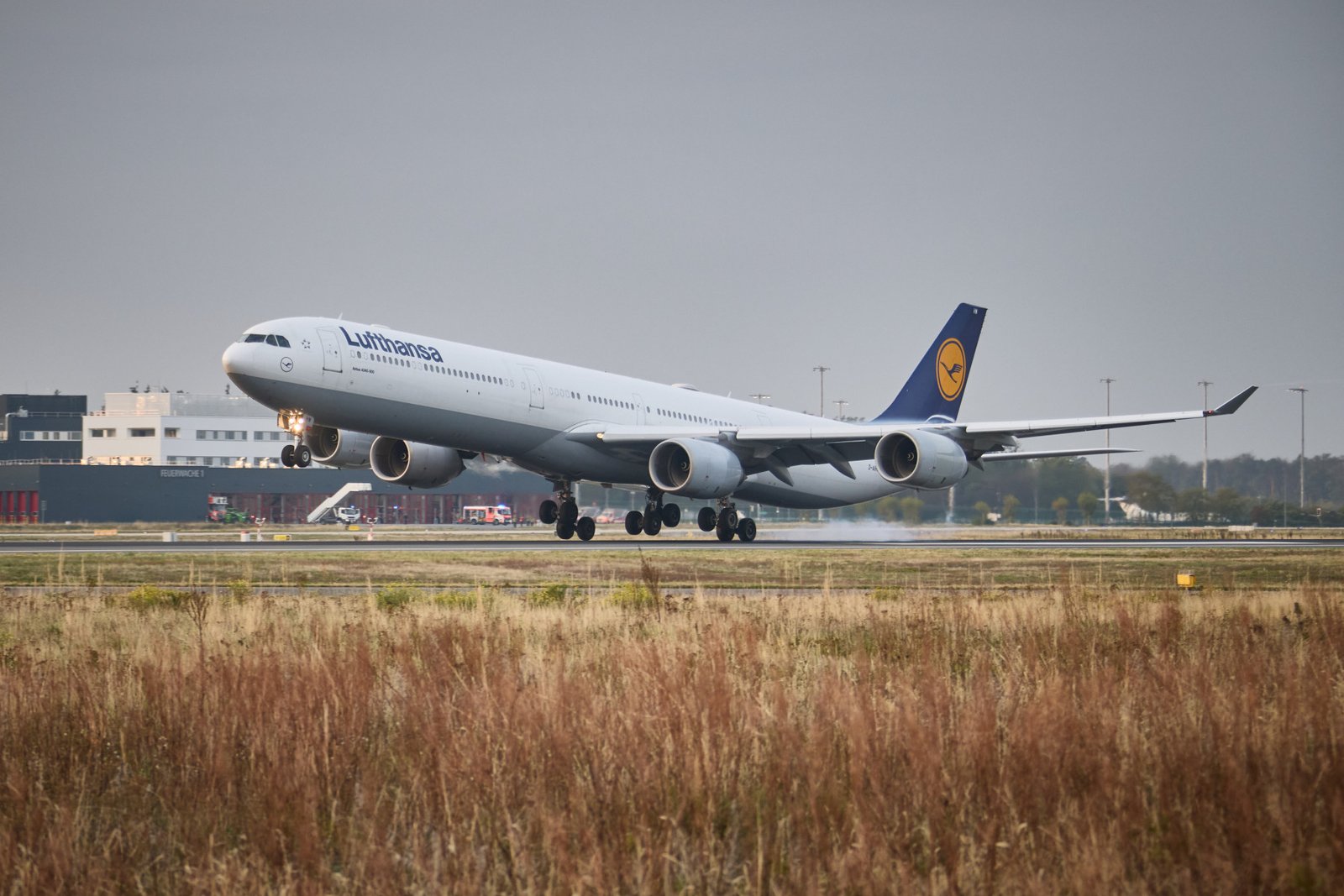
On October 19, Lufthansa brought the curtain down on 23 years of Airbus A340-600 operations, with flight LH419 from Washington, D.C., making its final scheduled commercial journey before landing at Frankfurt Airport. The aircraft, registered D-AIHW, touched down after eight…
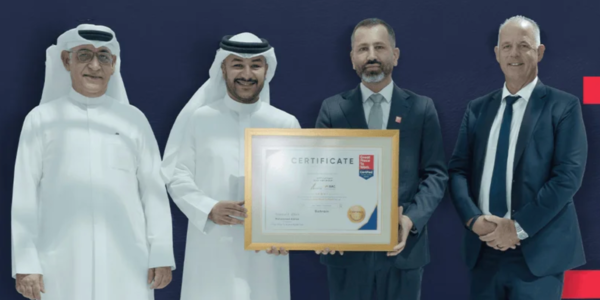
Gulf Air Group has been awarded the prestigious Great Place To Work®️ Certification™️, a globally recognized benchmark of workplace excellence based entirely on employee feedback. The 81% participation rate among Group employees in the survey reflected the high level of…
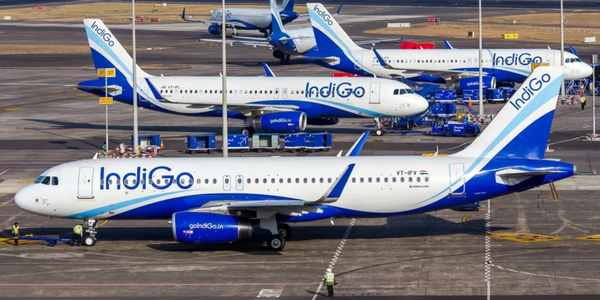
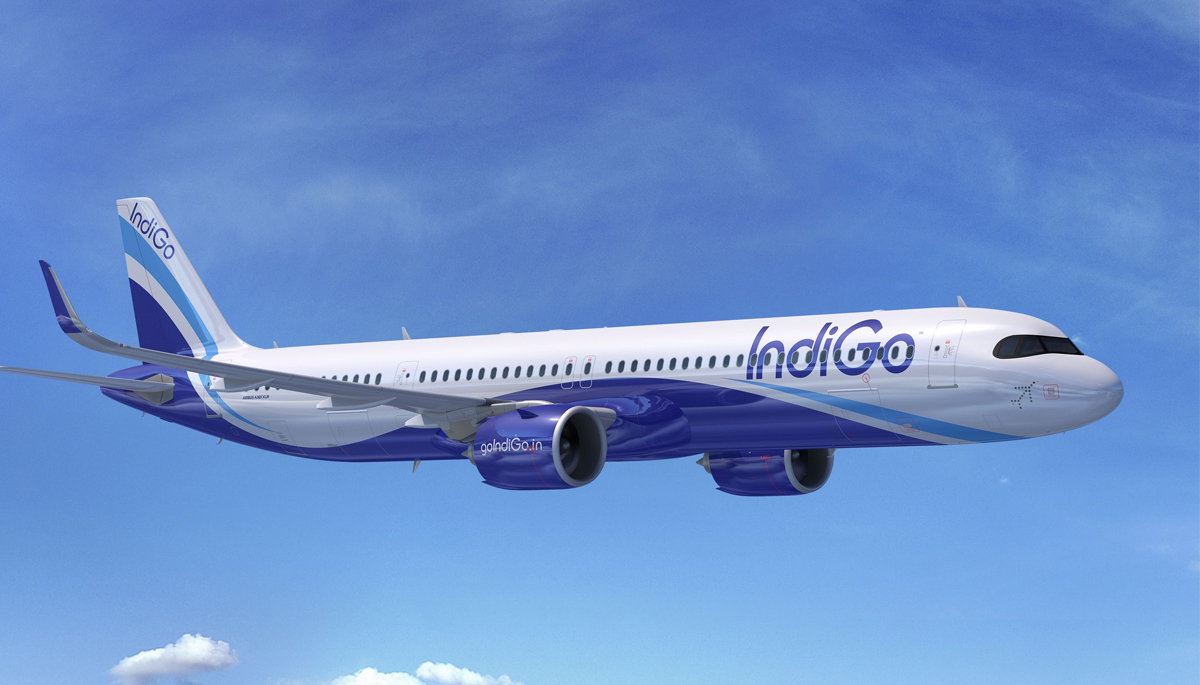
IndiGo News IndiGo is starting a new direct flight between Mumbai and Dar es Salaam in Tanzania. With this route, IndiGo will become the only Indian airline to operate direct flights between the two cities. The flight from Mumbai to…
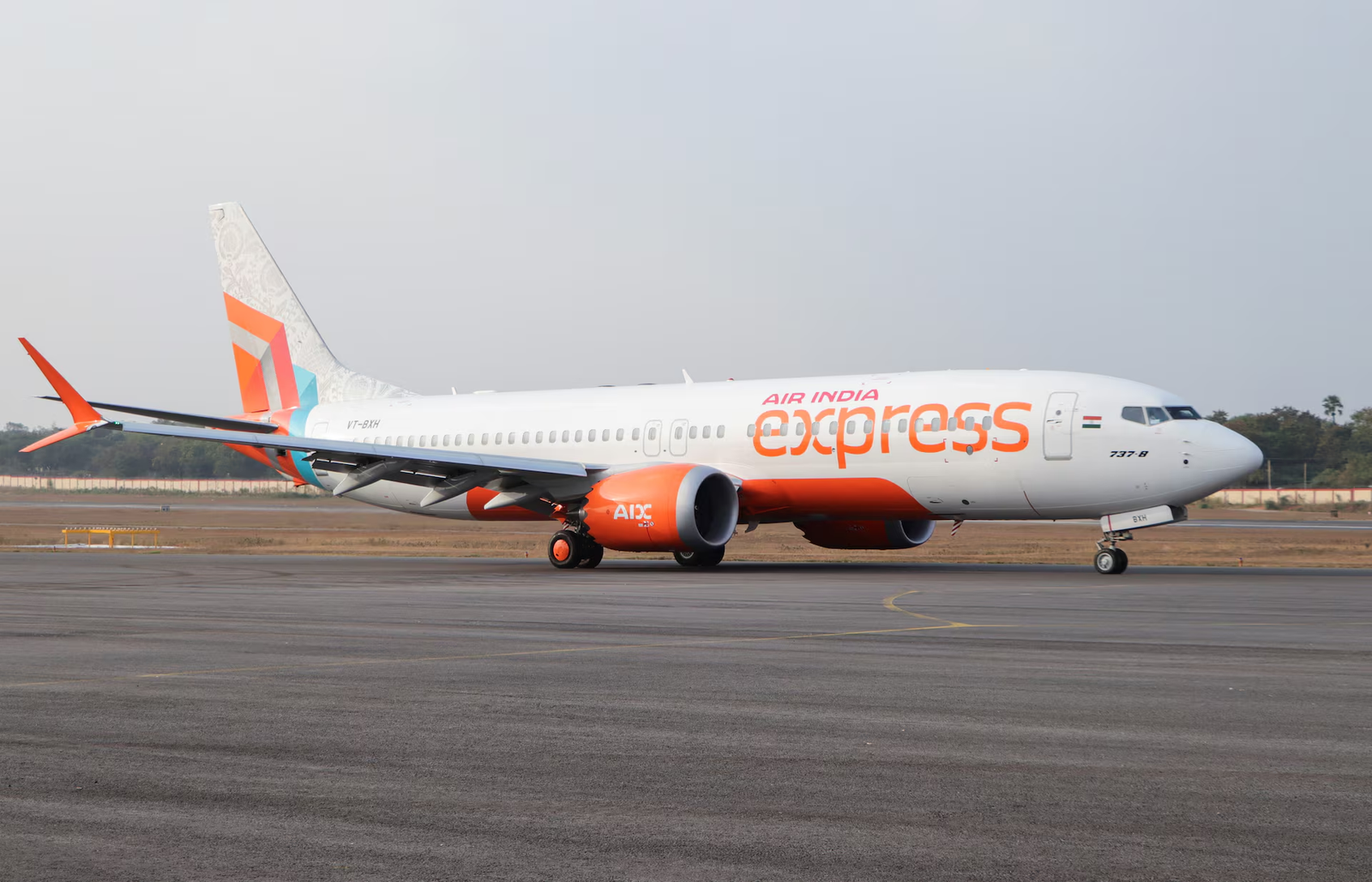
Airline News Air India and Air India Express have extended the suspension of their flights to several cities in Saudi Arabia. The decision was taken because of the changing security situation in the region. IndiGo and Akasa Air have also…
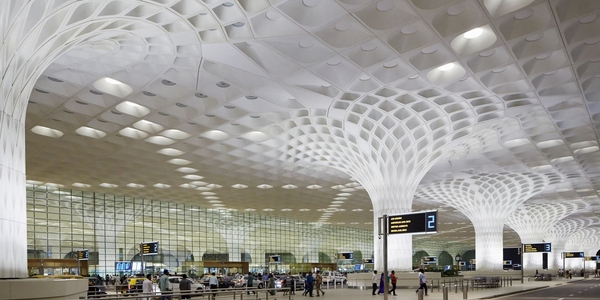
Mumbai Airport News The disagreement between Mumbai International Airport Ltd (MIAL) and airlines over cutting capacity at Terminal 2 (T2) has returned. Airlines have raised fresh concerns after a meeting on 13 October that was meant to ease tensions. At…
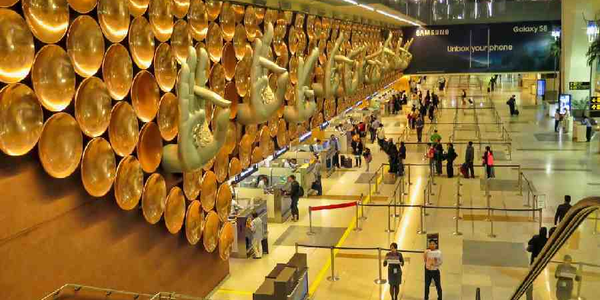
Delhi Airport News Customs officers at Delhi’s Indira Gandhi International Airport seized gold rods weighing 3.2 kg from a passenger arriving from Dubai. The gold is worth about Rs 4.03 crore. An official statement shared the news on Monday, 19…
Delhi Airport News An Emirates flight from Delhi to Dubai was delayed on Friday, 16 October 2026, after a bird strike affected its departure. The incident took place at Delhi airport and caused a disruption to the flight schedule. The…
Two missiles struck the premises of Aden International Airport in southern Yemen, while a Saudi-led coalition intercepted a ballistic missile heading towards Yanbu, Saudi Arabia. The missiles landed inside the airport grounds, raising security concerns around the facility. A Yemenia…
Gulfstream Aerospace Corp. today announced advancements in Gulfstream Customer Support’s Performance Analytics program, expanding its ability to turn aircraft data-driven insights into actions that further support maintenance planning and aircraft availability across the fleet. The resulting guidance helps customers optimize…
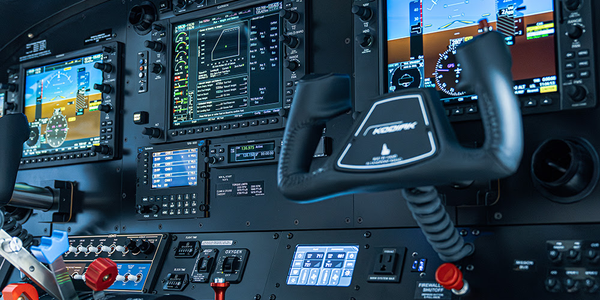
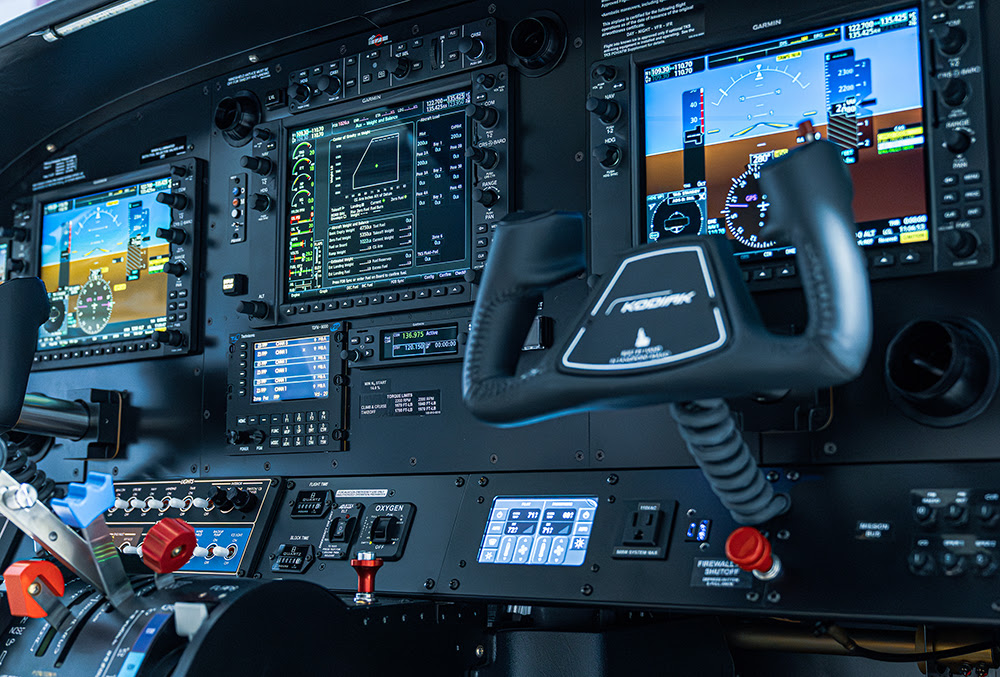
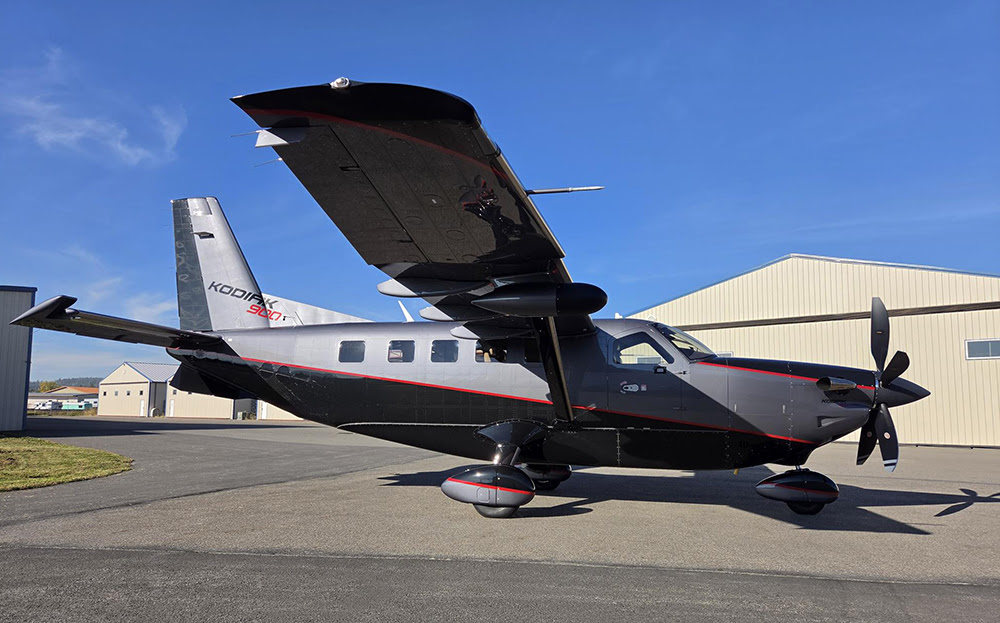
Daher Aircraft is reinforcing its presence in the multi-mission aviation market by stepping up the integration of specialized systems for operators of Kodiak 100s and Kodiak 900s. The company is underscoring these enhanced integration capabilities during this week’s NBAA Business…
Daher Aircraft has announced the delivery of a Kodiak 900 to Swiss owners Roland and Claudia Primus, who plan to use the aircraft for adventure flying to remote airfields. Their activities include mountain biking in the Alps and Pyrenees, surfing…
Gulfstream Aerospace Corp. today announced continued strategic investments in its global materials network, expanding spare parts inventory, distribution capabilities, and repair and overhaul operations to support the growing Gulfstream fleet. Gulfstream’s dedicated spare parts inventory has grown significantly and now…
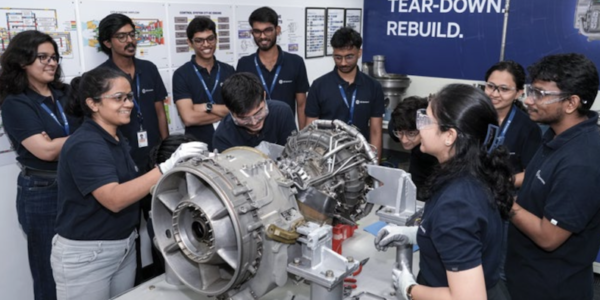
India’s aerospace manufacturing industry has expanded its role in the global supply chain, with domestic companies progressing from relatively simple parts to precision-engineered components used in commercial aircraft engines. This development has required investment in specialised manufacturing processes, quality systems,…
Bharat Forge Ltd. (BFL), a global leader in advanced forging and precision engineering, has secured a long-term contract with Pratt & Whitney Canada, a world-renowned aerospace engine manufacturer, for the supply of mission-critical aerospace engine components. The components will be…
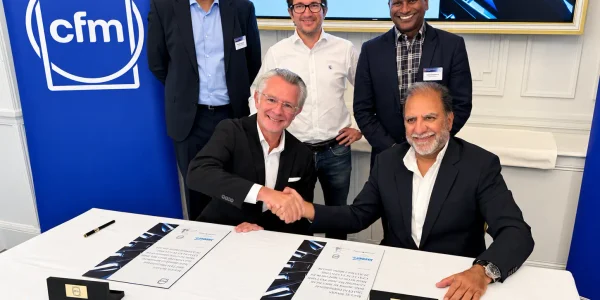
Jazeera Airways has selected CFM International LEAP-1A engines to power nine additional A320neo aircraft. In addition, Jazeera Airways and CFM have expanded the scope of their existing engine services agreement, which now covers the airline’s current and future fleet of…
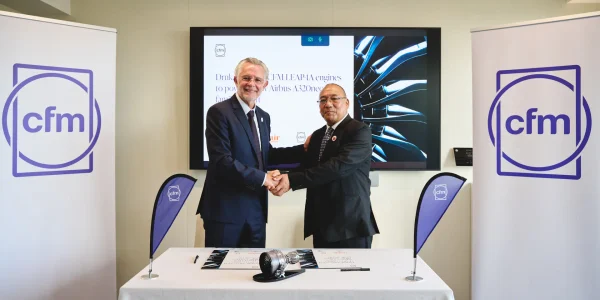
Drukair, Royal Bhutan Airlines, the national flag carrier of the Kingdom of Bhutan, announced today its selection of CFM International’s LEAP-1A engines to power five Airbus A320neo family aircraft. The order consists of three A320neo and two A321XLR aircraft, which…
Gulfstream Aerospace Corp. today announced continued strategic investments in its global materials network, expanding spare parts inventory, distribution capabilities, and repair and overhaul operations to support the growing Gulfstream fleet. Gulfstream’s dedicated spare parts inventory has grown significantly and now…
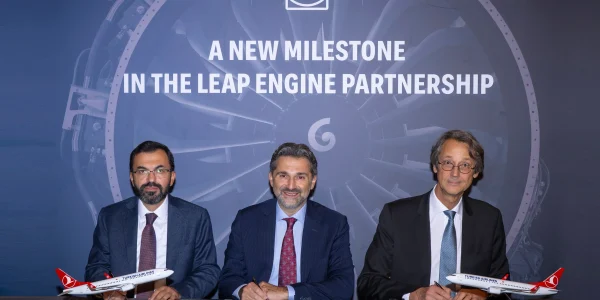
Turkish Airlines and CFM International today signed a Memorandum of Understanding (MoU) for the purchase of more than 300 LEAP-1B engines, including spares, to power 100 firm and 50 option Boeing 737 MAX aircraft announced in September 23. The long-term…
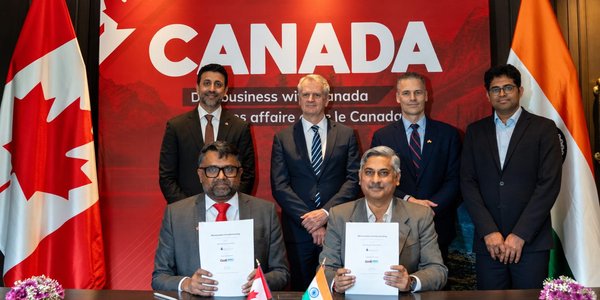
GMR Aero Technic, a leading aircraft maintenance, repair and overhaul (MRO) company, has signed a Memorandum of Understanding (MoU) with Corporation Logic Air Inc., a Canada-based aircraft modification, certification and maintenance organization, to collaborate on aircraft modification, engineering, certification and…
Embraer and Portugália Airlines, a TAP Group company, operating under the TAP Express brand have signed a Component Pool Program agreement to support the 19 E-Jets fleet operating regional routes. Embraer’s Pool Program will deliver comprehensive component support for twelve…
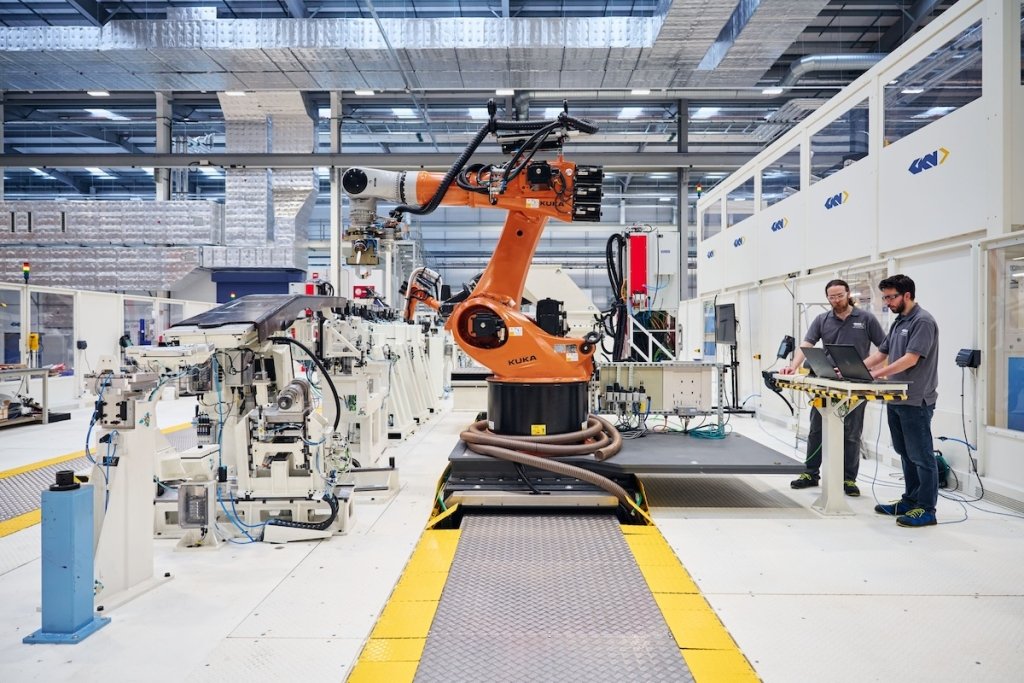
ASPIRE (Advanced Structural Product Integrated Airframe), will deliver and test three composite wingtip variants and a novel composite flap integrating automation, sustainability and manufacturability.
Consortium includes GKN Aerospace, Carbon ThreeSixty, iCOMAT, Lineat, Pentaxia and the University of Bath, with programme support by Axillium and co-funding from the Aerospace Technology Institute (ATI).
Wing technology GTC
GKN Aerospace has launched ASPIRE, a new £12 million, UK R&D programme to develop and demonstrate next-generation composite wing and flap structures. The three-year programme has officially started in May 2025 and will run until April 2028.
The project will deliver three full-scale composite wingtip variants for structural testing to Ultimate Load, providing a unique opportunity to validate new technologies in highly relevant test conditions. Each wingtip variant will represent a different structural philosophy and technology set. Variant one is a bonded assembly with multiple parts, aligned with GKN Aerospace’s design approach. Variant two is a quasi-isotropic co-infused Resin Transfer Moulding (RTM) structure featuring automated deposition, forming, digital twin integration and Pentaxia’s self-heated tooling (JouleTool), representing the current state-of-the-art. Variant three, introduces non-standard fibre angles, low-energy dry fibre forming and SmaRTM processing.
Key innovations under evaluation include iCOMAT’s Rapid Tow Sheared (RTS) lightweight structure and Carbon ThreeSixty’s stitched deltoid noodles, made from recycled carbon fibres aligned through the Lineat AFFT process. These developments are supported by analytical and numerical methods developed by the University of Bath.
Alongside the wingtip demonstrators, ASPIRE will also develop an optimised composite flap. The flap demonstration will feature a pre-preg manufacturing approach with RTS skins (iCOMAT), tailored fibre placed brackets (Carbon Three Sixty), low-energy out-of-autoclave curing moulds and press-cured ribs. A key programme milestone will be achieving TRL6 for the press-curing of composite ribs. This builds on GKN Aerospace’s experience producing the A350 flap in Munich and will support future improvements for the next-generation single aisle aircraft.
John Pritchard, President Civil Airframe, GKN Aerospace said: “ASPIRE is a perfect example of the power of UK collaboration to drive aerospace innovation. By bringing together specialist SMEs, academic expertise, and GKN Aerospace’s industrial leadership, this programme will accelerate the development of high-rate, sustainable composite wing technologies. It strengthens our position as a trusted technology partner for future aircraft platforms and reinforces our commitment to shaping a more efficient and more sustainable aerospace industry”
Ajeet Yadav is an aviation enthusiast covering airline news, airports, aircraft, and industry developments through well-researched and reliable reporting.