









Business Aviation in India: Long on Demand, Short on Reform


India has had enough reasons for business aviation to grow: a wider corporate footprint, rising wealth, limited scheduled connectivity to many business destinations, and a business culture where time lost in travel can mean opportunities lost. Yet the sector remains smaller than it should be, held back by taxation, airport access and infrastructure planned largely around scheduled airlines. Rohit Kapur has been one of the industry’s steady voices for more than two decades.
A former military aviator who moved into business aviation in 2003, he later co-founded BAOA and served as its president until 2019. He is currently the Managing Partner of The Jet Company, LLC, a Dubai-based boutique aviation consulting company that helps clients with private aircraft acquisition and sales. In this interview, Kapur explains why he remains only cautiously optimistic about the next decade.
You have been closely involved with India’s business aviation sector for more than two decades. Looking back, what were the biggest opportunities the industry missed?
One of the biggest opportunities we missed was failing to make policymakers understand the real value of business aviation.
For many years, business aviation has been treated either as a revenue source or as flying for pleasure. It has rarely been recognised as an important part of the aviation sector or as a contributor to the Indian economy.
That has been a major problem. Business aviation serves those who drive economic activity, allowing them to manage time more efficiently, reach destinations faster and remain productive across demanding schedules. It also supports a wider employment chain, including pilots, engineers, ground-handling teams, maintenance providers, aircraft managers, finance companies and other aviation services.
It should also be viewed as a feeder to the scheduled airline network. In many parts of the country, scheduled services are either unavailable or do not offer the frequency and flexibility that business travel requires. Business aviation helps bridge that gap.
The missed opportunity, therefore, was not only on the government side. The industry also did not do enough to convince policymakers that business aviation is not just private travel but a tool for productivity, connectivity and economic activity.
If some of the policy and infrastructure issues had been addressed 10 or 15 years ago, where do you think India’s business aviation sector would be today?
The sector would have been much larger and better organised than it is today.
The first is infrastructure. Business aviation was never properly planned as a distinct requirement within India’s aviation framework. It was expected to operate from airports built mainly for scheduled airlines, even though private aircraft, charter operators, corporate flight departments and helicopter operators have different needs.
Helicopters are a clear example of the opportunity India missed. Almost 10 years ago, it was already clear that helicopters could play a major role in this country.
Their role extends across hilly terrain, remote access, law enforcement, emergency medical services, disaster response, power line work, pilgrimage routes and short city movements where road travel is slow or unreliable.
For a country with difficult terrain, crowded cities and many areas still hard to reach by road, India should have developed helicopter infrastructure much earlier.
That would have meant more heliports, simpler operating rules and a proper framework for services such as HEMS.
The 2016 National Civil Aviation Policy did mention separate helicopter regulations, HEMS, easier point-to-point operations below 5,000 feet and rationalised airport charges for helicopters, but implementation has not matched the scale of India’s requirement.
A similar gap exists for fixed-wing business aircraft. India may not have the land to build dedicated general aviation airports like Le Bourget, Luton or Teterboro.
That made it even more important for commercial airports to plan for business aviation from the beginning, including parking, hangars, maintenance access, passenger handling and smoother operating procedures.
Some work is being done now, but it has come late and, in many places, at a very high cost. Mumbai and Navi Mumbai show how serious the situation has become.
If these matters had been addressed 10 or 15 years ago, India would have had more aircraft, more professionally managed aircraft, wider helicopter operations, stronger maintenance support and better conditions for fractional ownership and charter to develop.
Many of the challenges discussed today are the same ones the industry was discussing a decade ago. Why has progress been so slow?
Many of the concerns remain unchanged.
The sector still faces unequal treatment, rules and regulations shaped more around scheduled airline operations, poor infrastructure, high taxation and a limited understanding of how business aviation works.
The central concern is that policymakers still do not fully understand what business aviation can do. It is often treated as a luxury rather than as a tool for productivity and economic growth.
But I would not blame only the government. The industry also has to accept responsibility. We should have been more proactive. We should have engaged better with the government and made a stronger case for the sector.
Unless the government understands the role business aviation can play, meaningful change will remain difficult.
Do policymakers today understand the economic role of business aviation better than they did ten years ago?
To some extent, yes. There has been some progress, but not enough.

One difficulty is the nature of government itself.
There is often a new director general, minister or secretary every few years.
By the time the industry begins to explain the role of business aviation and that person starts to understand it, there is often a change.
The process then starts again with someone new.
So yes, there is more awareness today than there was 10 years ago, but not to the extent it should be.
Demand appears stronger than ever, but is the operating environment keeping pace with the market’s growth?
I would answer this carefully because I am not an operator today. I am not the best person to speak about day-to-day operating issues.
From what I hear, the operating environment is more responsive than it used to be. There is more awareness now, and some parts of the system are more receptive to operators.
But this question should be answered in detail by an active operator because they deal with the daily issues: permissions, airport access, parking, ground handling, crew movement, clearances and regulatory compliance.
What I can say is that demand is clearly there. The real question is whether the operating framework can make it easier and more predictable for that demand to translate into growth.
Which issue is holding the sector back the most today: taxation, infrastructure, regulation or perception?
For me, the single largest issue holding back the growth of Indian business aviation is taxation, namely, GST which remains very high on import of aircraft (40%) which operate in the private category. There is no other precedence of such high taxes anywhere else in the world.
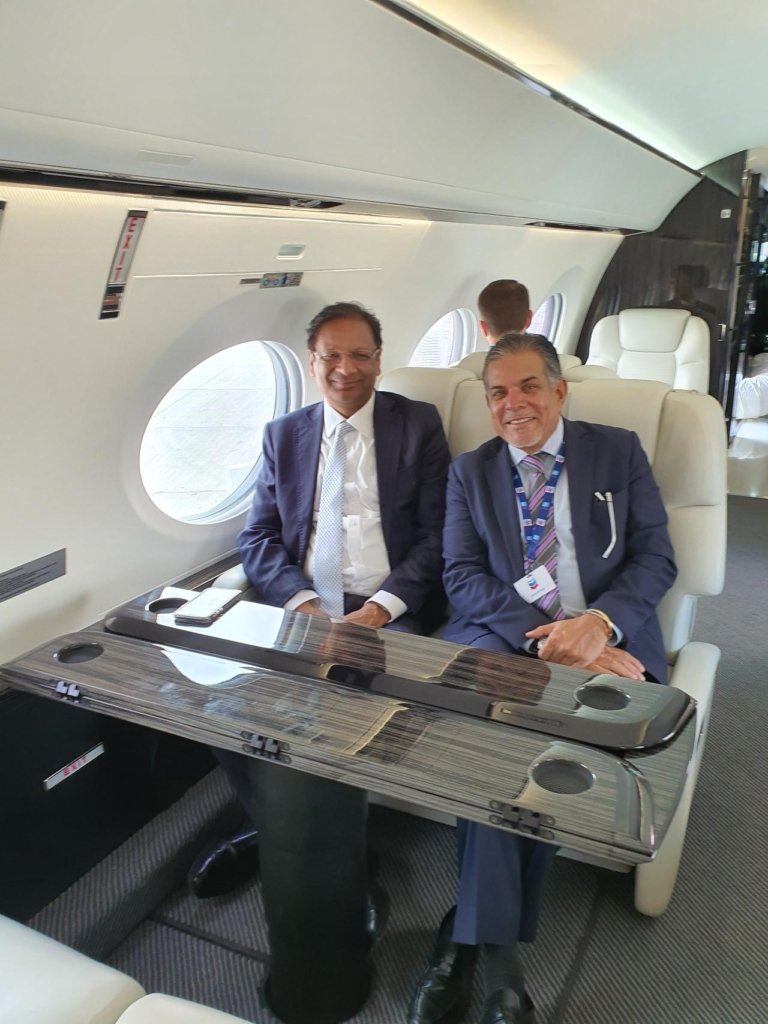
The tax structure has distorted the market. The difference between private aircraft and NSOP aircraft has pushed the industry away from its natural structure.
Private aviation faces a very high tax burden, while NSOP aircraft are treated differently. That gap has affected how people buy, register and operate aircraft.
Because of this, growth has become lopsided. Aircraft management should have grown much more.
Fractional ownership should have been a natural fit for India because it allows more people to access business aviation without owning an entire aircraft. But the tax structure has made these models difficult to implement.
Infrastructure, perception and regulation continue to hold the sector back, but taxation remains the biggest constraint because it directly affects the basic economics of business aviation.
What gives you confidence that the next decade will be different from the last one for business aviation in India?
I am cautiously optimistic.
I do not think there will be a sudden boom unless some fundamentals change. The government has to start looking at business aviation differently. Unfortunately, private aviation is still viewed politically as something for the rich. In our system, the government always has to show that it is pro-poor and not pro-rich. That perception becomes a problem for this sector.
At the same time, demand is growing, and more people are beginning to understand the value of business aviation. Once that demand becomes stronger, the government will eventually respond. That is how growth usually happens in India: demand comes first, the need becomes visible, and policy follows.
So yes, I am cautiously optimistic, but I do not expect a boom. The sector may continue to grow at around three to five per cent, and under the current conditions, that would still be a reasonable outcome.
If you could leave policymakers with one message about business aviation, what would it be?
My message would be simple: look at how our political leaders use aviation and apply the same logic to business leaders.
The Prime Minister, chief ministers, and other political leaders use aircraft and helicopters because they help them manage their time more effectively. Election campaigns show this clearly. Business Aviation allows them to cover more places, meet more people and work across wider geographies in limited time.
If that is acceptable for political leaders, why should the same principle not apply to corporate leaders? They also contribute to the country’s growth. They create jobs, build companies, invest capital and support economic activity.
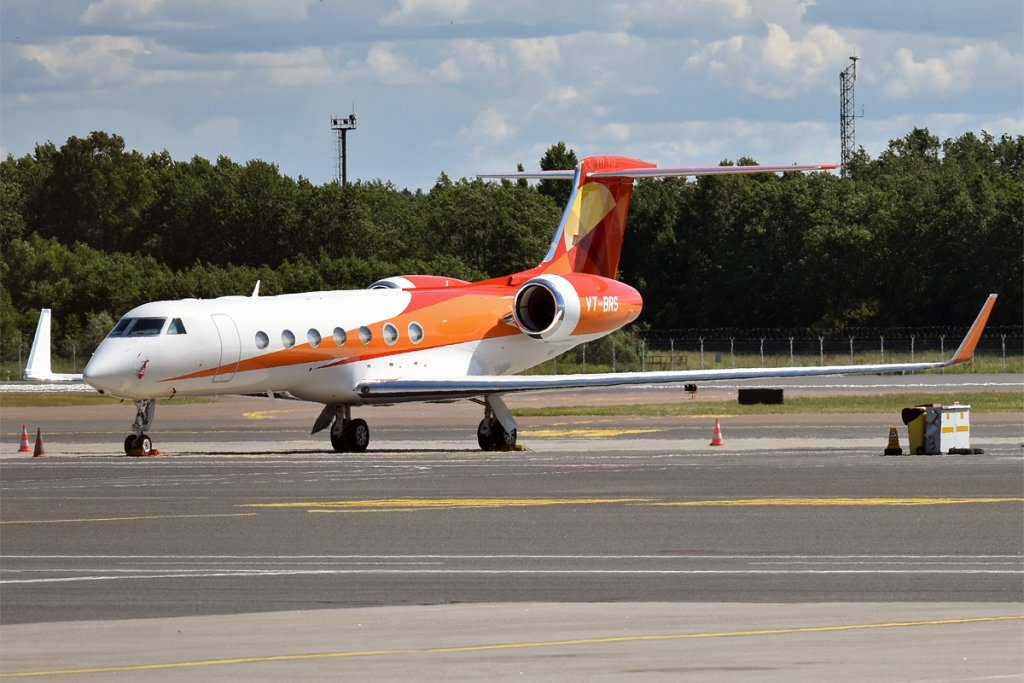
Make it easier for them to move around. Stop looking at private aviation with suspicion. Safety must be regulated properly, but the framework should not create so many barriers that owners find it difficult to bring aircraft into India and operate them here.
So my message is simple: recognise business aviation as a legitimate tool for productivity, investment and economic growth and allow them their legitimate and fair opportunity for growth.
Also Read: Aircraft Management in India: The Opportunity Is Real, the Readiness Is Not