







Engine maintenance is limiting aircraft availability across the airline industry. Earlier-than-forecast removals on certain new-generation engines, long repair cycles, parts shortages and restricted access to spare engines are keeping more powerplants off wing for longer. Large carriers with common engine fleets are assessing whether direct control of overhaul can reduce that exposure, even though most shop-visit expenditure remains tied to manufacturer-supplied material. Saravanan Rajarajan – Associate Vice President, Solution Consulting at Ramco Systems, explains how parts cost, maintenance contracts, turnaround time, fleet scale and shop performance determine whether in-house engine maintenance can support the required capital investment.
How are current engine maintenance, repair and overhaul constraints affecting fleet availability?
Fleet availability suffers when engines are removed earlier than forecast and remain in the shop longer than planned. Earlier removals increase the number of shop inductions, while parts shortages and delays in component repairs keep engines off wing beyond their scheduled redelivery dates.
This places the airline’s spare-engine cover under strain. Depending on the size of the shortfall, an operator may lease an additional engine, arrange an exchange, defer another planned removal or take an aircraft out of service.
The International Air Transport Association (IATA) has identified durability problems, parts shortages, limited spare-engine availability and restricted aftermarket access as the principal constraints affecting latest-generation single-aisle engines. It expects annual CFM International LEAP shop visits to rise from approximately 600–800 in 2025 to more than 5,000 by 2040.
Why has additional engine-shop capacity not reduced turnaround times?
Additional bays increase the number of engines that can enter a shop. They do not guarantee a corresponding increase in completed engine redeliveries.
Before induction, the airline and the MRO provider prepare a preliminary scope of work based on the engine’s operating history, life-limited-part status and known maintenance requirements. Teardown and inspection establish the final repair and replacement requirements.
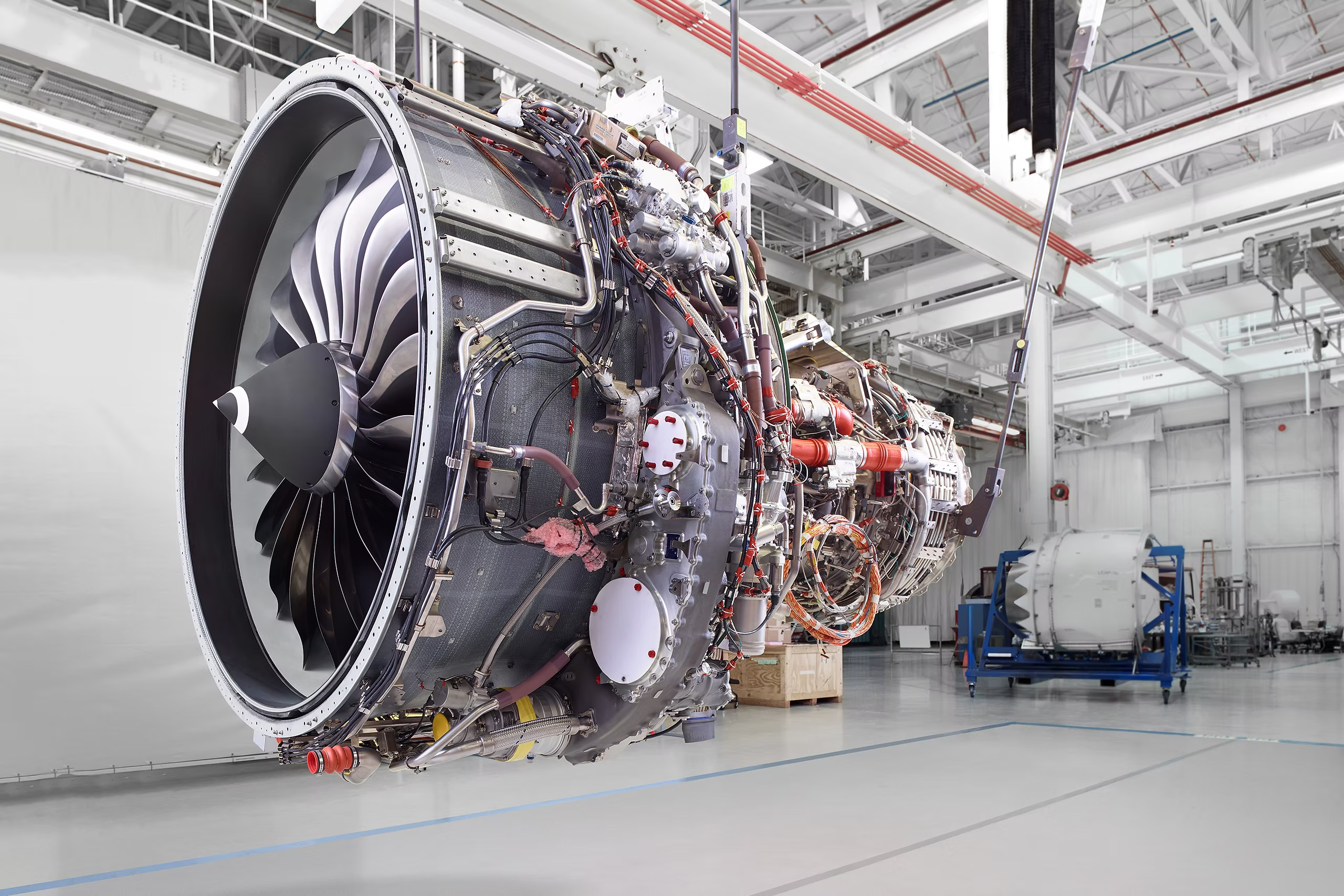
Inspection findings can add component repairs or replacement parts that were not included in the preliminary plan.
If the required material is unavailable, or a component remains with a specialist repair vendor, the engine cannot proceed to assembly and testing.
A new facility must also secure regulatory approvals, commission engine-specific tooling and test equipment, recruit qualified personnel and establish its production processes.
Its contribution to market capacity should therefore be measured through completed shop visits and achieved turnaround times, rather than the number of induction slots.
With parts accounting for most shop-visit expenditure, what can an airline gain from in-house maintenance?
Parts and repairs account for approximately 85 per cent of the shop-visit cost, while direct labour represents about 15 per cent.
Life-limited parts (LLPs), including turbine discs, compressor hubs and shafts, can account for 50–60 per cent of parts expenditure when their replacement is required. These components cannot remain in service beyond their certified cycle limits.
The replacement requirement applies regardless of where the engine is overhauled. A long-term purchasing agreement may provide agreed pricing, delivery terms and supply priority, but the operator still bears the cost of the approved replacement parts.
An internal shop allows the airline to retain part of the third-party service margin, manage labour expenditure and decide which engines receive production priority. It also gives the carrier direct authority over the scope of work, inventory allocation and shop schedule.
Those benefits must be weighed against the cost of the facility, tooling, technical approvals, inventory and specialist personnel. Labour savings alone cannot support the investment. Its financial justification rests on shorter shop visits, lower spare-engine requirements and improved aircraft availability.
Why did lower LEAP time-on-wing change power-by-the-hour pricing?
Power-by-the-hour (PBH) rates are calculated using the expected interval between shop visits, forecast parts and repair costs, and the number of maintenance events anticipated during the contract. The original equipment manufacturer (OEM) assumes the maintenance risk covered by the agreement and charges the airline for each flight hour.
PBH pricing for these operators was based on LEAP shop visits occurring at 3,000–4,000 cycles or more. Some engines operating in hot and dusty conditions required removal at approximately 2,000 cycles following erosion of high-pressure turbine (HPT) stage-1 hardware.
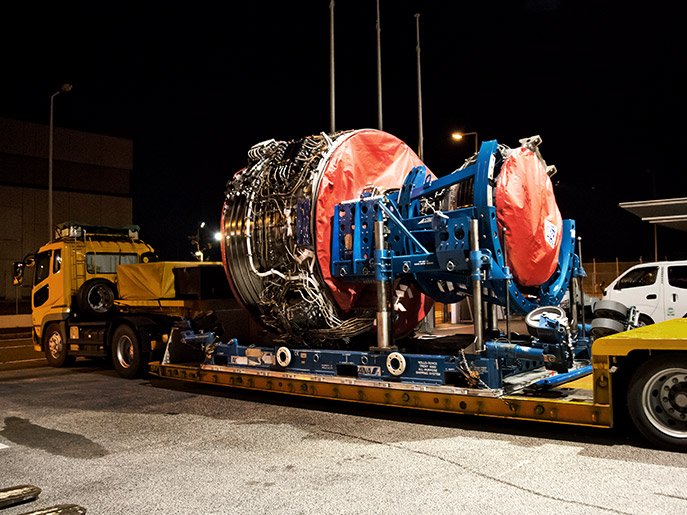
A reduction from 3,500 to 2,000 cycles produces approximately 75 per cent more shop visits over the same number of operating cycles. The support programme must absorb additional inductions, component repairs and replacement parts.
LEAP’s relatively young fleet created a further constraint. Few engines were available for teardown, limiting the supply of used serviceable material (USM).
Operators and MRO providers therefore remained heavily dependent on new OEM parts during a period of restricted availability and higher material prices. The OEM may absorb the additional maintenance expense during the existing contract term.
When the agreement is renewed, the revised removal rate and material requirements are reflected in the PBH rate and coverage terms.
How does a long-term material services agreement work in the Ryanair and IndiGo model?
A long-term material services agreement (LTMSA) separates material support from shop production. The OEM supplies parts, component repairs, tooling and technical assistance under negotiated terms. The airline assumes responsibility for completing the shop visit.
The carrier controls the induction plan, approves the scope of work and manages production. It also bears the cost of additional inspection findings, higher material consumption, inventory and any failure to meet the contracted or planned turnaround time.
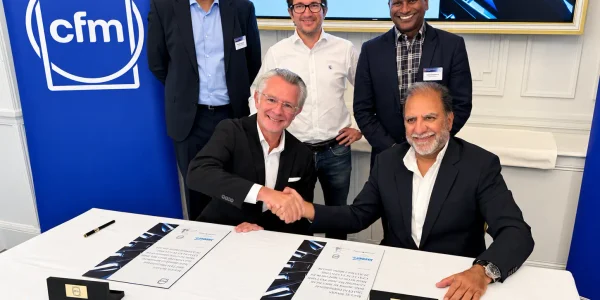
Ryanair plans to establish two European engine shops from 2029 for a fleet expected to reach approximately 2,000 CFM56 and LEAP engines. CFM will provide spare parts and parts repair and will continue maintaining Ryanair’s engines while the facilities are commissioned. Ryanair expects annual purchases of spare engines and parts from CFM to exceed $1 billion when the programme reaches full scale.
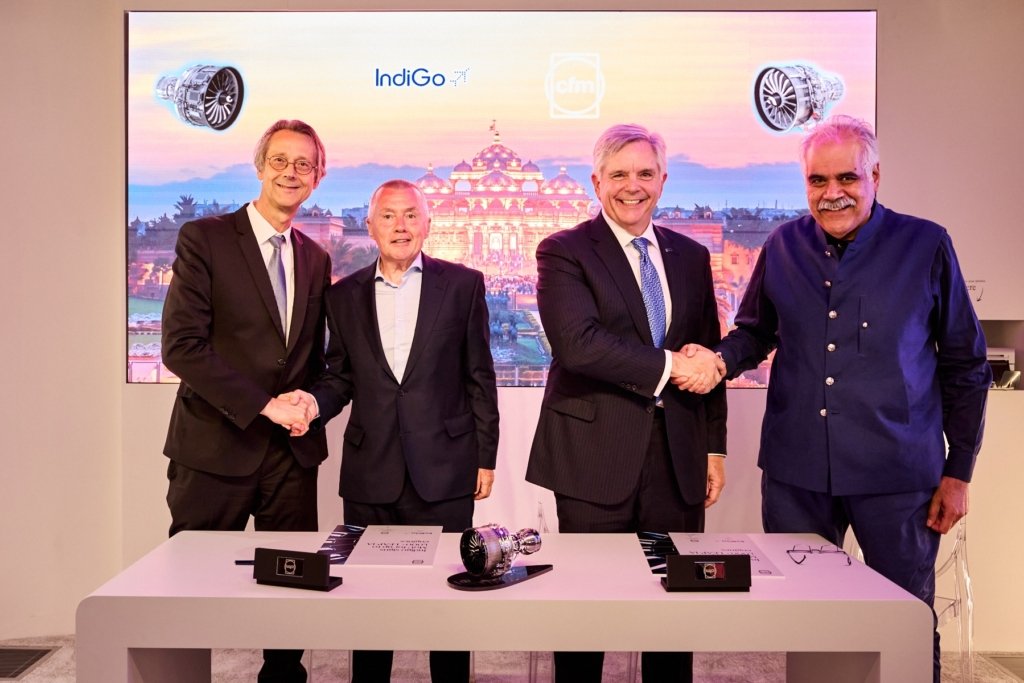
Photo: CFM International
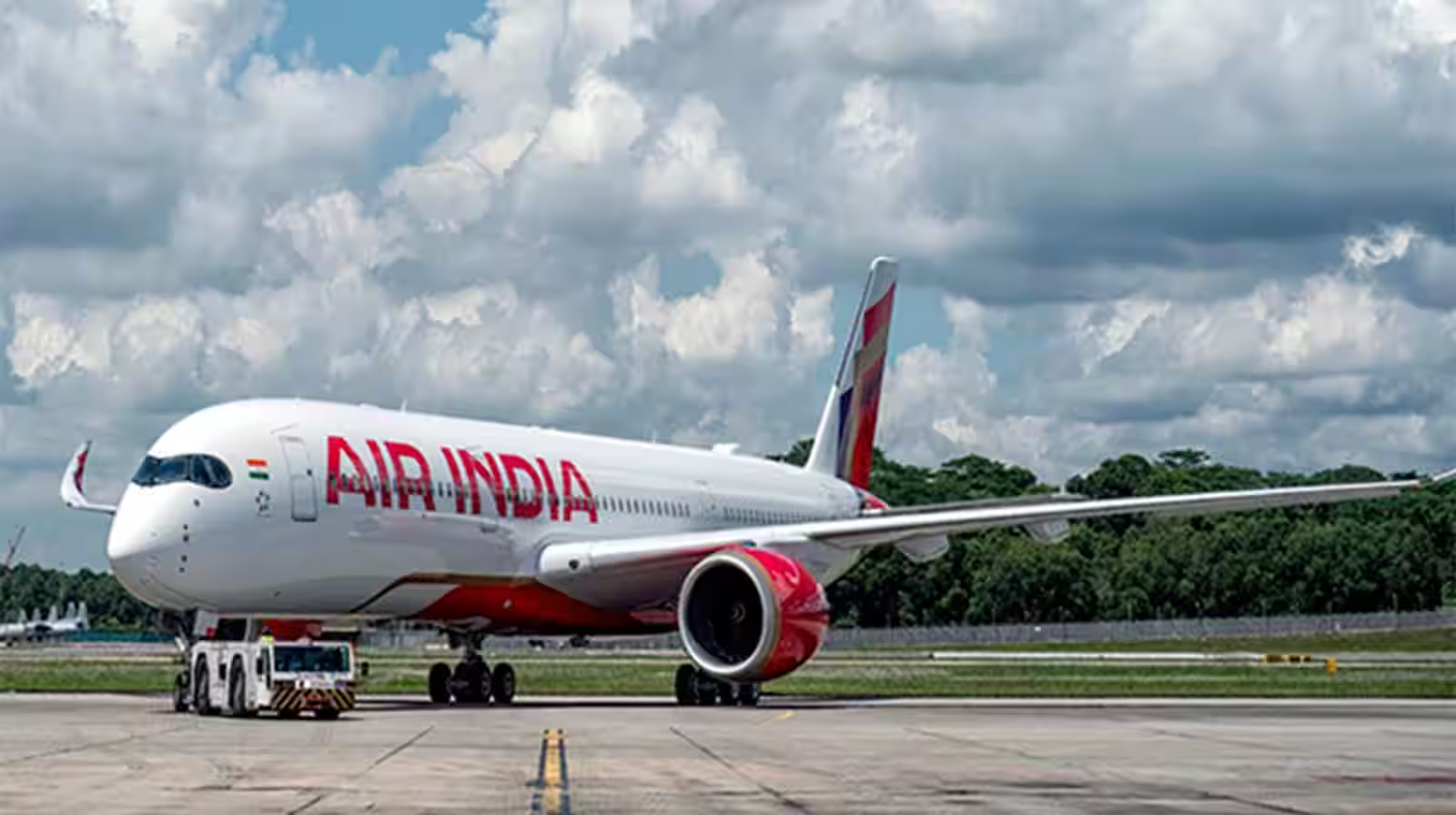
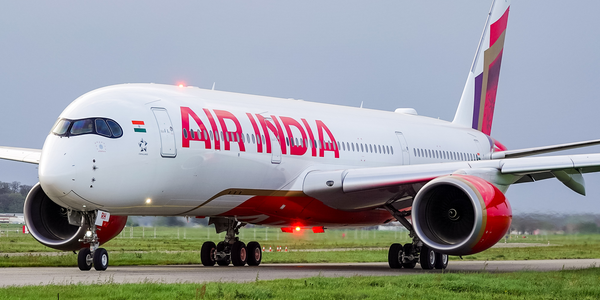
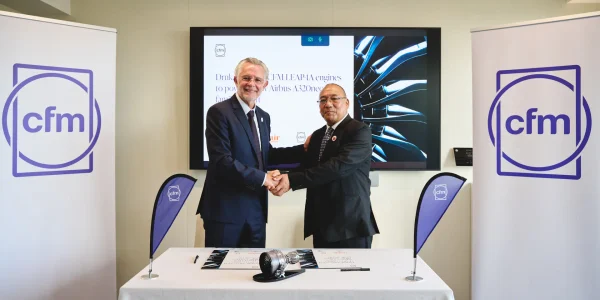
IndiGo’s July 2026 memorandum of understanding covers more than 1,000 LEAP-1A engines for 510 Airbus A320neo-family aircraft.
It includes CFM support for an IndiGo-operated engine shop in India and a long-term agreement for spare parts.
In both cases, the airlines will manage engine inductions and shop production.
CFM will continue to supply the material, repairs, tooling and technical assistance required by those facilities.
How does a shorter turnaround time support the financial case?
Turnaround time (TAT) determines how long an engine remains unavailable and how much spare-engine cover the airline needs to maintain its schedule. A visit planned for 60–70 days can extend to 150–200 days when parts or component repairs are delayed.
In a 500-aircraft fleet with approximately 200 engines undergoing or awaiting shop maintenance, reducing TAT from 150 days to 70 days returns the affected engines 80 days earlier and is estimated to improve fleet utilisation by five to eight percentage points.
At an estimated $50,000–$80,000 in annual revenue per aircraft for each additional percentage point of utilisation, the resulting gross revenue is:
5–8 utilisation points × 500 aircraft × $50,000–$80,000 per aircraft for each point = $125–320 million in annual gross revenue.
This is a gross-revenue estimate. The airline must have sufficient demand, crew availability, airport slots and scheduled flying to use the additional aircraft capacity. Using the labour-cost assumption applied to the same example, the revenue increase is estimated at 50–75 times the direct labour savings.
At what fleet scale does an in-house engine shop become viable?
A fleet of approximately 150–200 engines of the same variant may generate the annual shop volume required to support an in-house facility.
Fleet size, however, must be tested against the expected number of annual shop visits. That volume must make adequate use of the facility’s teardown, module, assembly and test capacity.
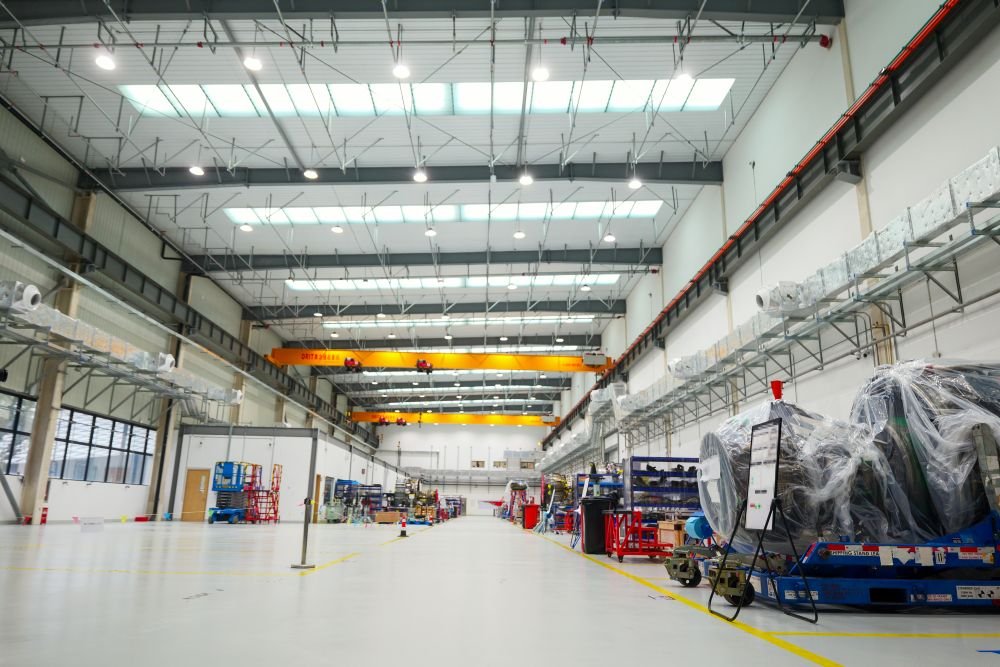
Photo: GE Aerospace.
Engine commonality has a direct bearing on the investment. LEAP-1A and LEAP-1B require separate tooling, technical approvals and trained personnel.
An airline operating both variants must calculate the maintenance volume and capital requirement for each engine type.
The facility also needs access to approved component repairs, adequate parts inventory, a test cell and qualified engineers and technicians.
Its information system must maintain engine configuration, LLP cycles, work orders, inspection findings, component-repair status and material traceability.
The investment is difficult to justify if annual inductions fall below the shop’s planned volume, construction costs exceed budget, or the facility misses its TAT target. Better engine durability or a sustained reduction in external MRO turnaround times would also reduce the value of internal capacity.
How would airline-owned shops affect the engine aftermarket?
Airlines with large fleets of a single engine type may take responsibility for more of their overhaul work. Carriers without sufficient annual shop volume will continue to use OEM and independent MRO facilities.
OEMs will retain the parts, component-repair and technical-support business. Their aftermarket position will be influenced by parts availability, repair development, engine durability and the commercial terms offered under PBH contracts and material agreements.
Independent MRO providers could lose some work from the largest airline fleets, but demand from smaller operators and carriers without internal capacity will remain. They may also provide overflow capacity when an airline’s shop cannot accommodate all scheduled and unscheduled removals.
Lessors could see lower demand for leased spare engines if airlines achieve sustained reductions in TAT. Their role in supplying replacement engines, short-term cover and maintenance-reserve structures will continue.
Comparable material-support agreements could be applied to General Electric GE90 and GE9X, Rolls-Royce Trent and Pratt & Whitney geared turbofan (GTF) engine fleets.
The commercial structure will vary according to fleet size, OEM policy and access to approved parts and repairs.
For carriers with sufficient shop volume and prolonged exposure to high TAT, in-house engine MRO is intended to protect aircraft availability and parts access. Direct labour savings alone cannot justify the investment.
Also Read: HAL and Safran Sign Long-Term LEAP Engine Forgings Deal