




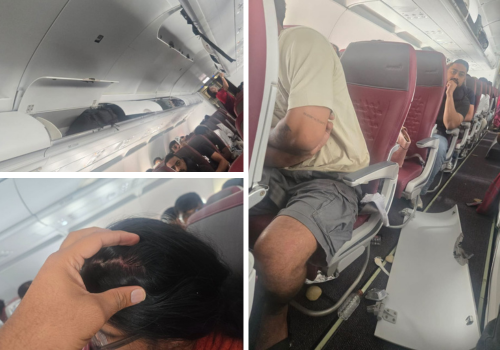
The Aircraft Accident Investigation Bureau (AAIB) has reported a “non-negative” result for a psychoactive substance in the blood sample of the pilot-in-command of an Air India Airbus A320 that suffered a serious in-flight hydraulic-system failure on a Phuket-Delhi flight in August, while stressing that the investigation is still underway.
The preliminary report, issued by the AAIB, said the incident involving Air India flight AI2379 was classified as an accident after 24 people onboard were injured.
The agency cautioned that the findings were preliminary and subject to change and said the investigation’s sole objective was accident prevention, “and not to apportion blame or liability.”
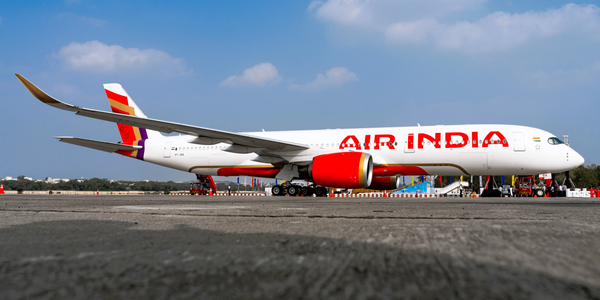
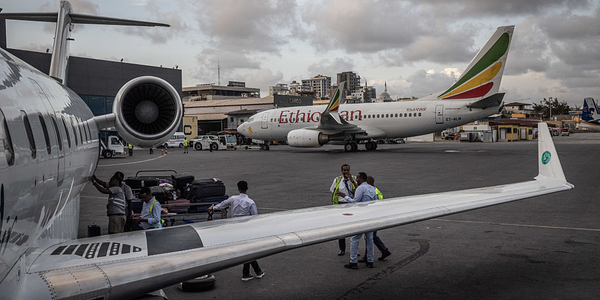
The Airbus A320-251N, registration VT-EXO, was carrying 145 people—two cockpit crew, six cabin crew and 137 passengers—when the incident occurred at about 0402 UTC on Aug. 4, 2026, while cruising at flight level 360 over the Kolkata Flight Information Region. The aircraft was flying from Phuket International Airport to Delhi.
According to the AAIB, the aircraft’s flight-control system detected a loss of the green hydraulic system at 04:02:43 UTC, followed within seconds by the loss of the blue and yellow hydraulic systems. The autopilot disengaged and a stall warning was triggered. The aircraft subsequently experienced an altitude upset, initially climbing 372 feet and then descending 292 feet from its assigned level.
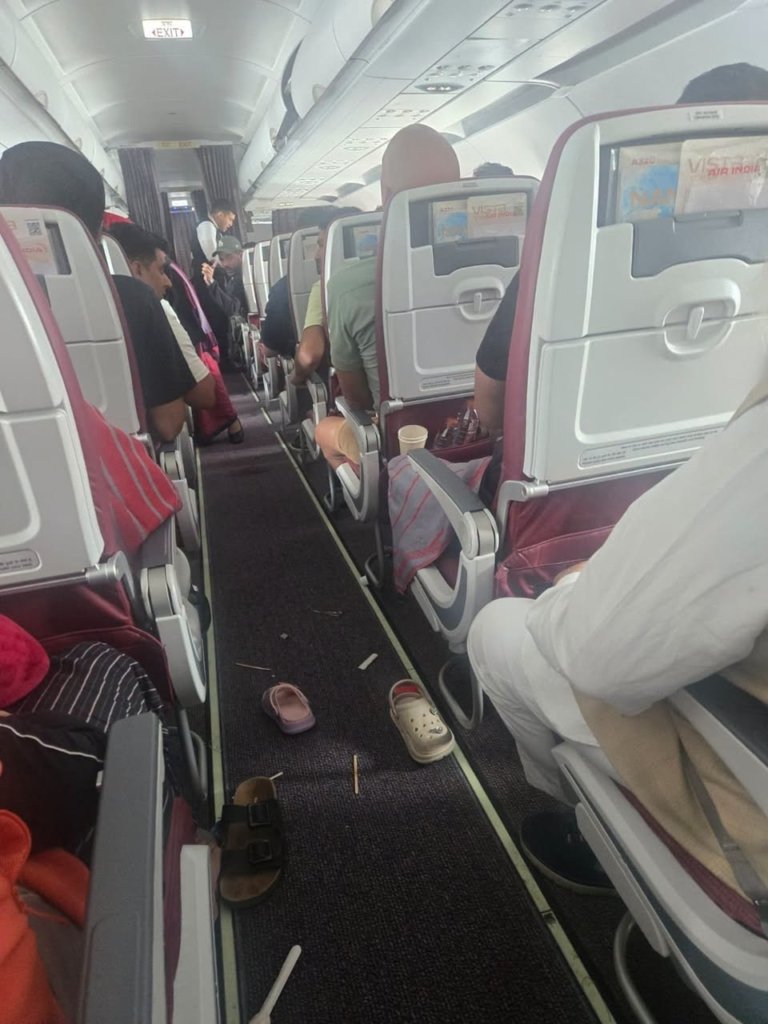
The hydraulic systems recovered within seconds, allowing the flight-control surfaces to return to normal operation. With the seat-belt signs off when the event occurred, some passengers and cabin crew were injured. The crew decided to continue to Delhi rather than divert to the nearest airport, subsequently requesting medical priority from Delhi air traffic control. The aircraft landed safely at IGI Airport at 05:30 UTC.
Twenty passengers and four cabin crew members received medical assistance after landing. The AAIB said 20 were discharged after treatment for minor injuries, while four people with serious injuries were hospitalised. The aircraft sustained damage to several cabin components, including overhead bins and ceiling panels.
Pilot test becomes key finding
The report said both pilots underwent post-flight medical examinations in accordance with aviation regulations. Breath-analyser tests for both were satisfactory.
However, a psychoactive-substance screening test produced a non-negative result for the pilot-in-command. Blood samples from both pilots were then sent to a pathology laboratory for confirmation.
The report said the PIC’s confirmatory result was also non-negative, while the co-pilot tested negative in both tests.
The AAIB described the finding as a “serious concern” and recommended that the Directorate General of Civil Aviation (DGCA) take appropriate action on a priority basis. Its interim safety recommendation calls for steps to prevent abuse of psychoactive substances.
The report, however, does not establish that the substance finding caused the aircraft’s hydraulic failure or the subsequent altitude upset. The AAIB said detailed investigation into the technical and other aspects of the accident remains in progress.
Technical investigation continues
The aircraft had been dispatched from Phuket under a Minimum Equipment List item relating to its Power Transfer Unit (PTU), which had been invoked on July 28. The AAIB said the pre-flight inspection found no new discrepancies.
Investigators recovered both the cockpit voice recorder and flight data recorder, and downloaded data is available for analysis. Technical experts assigned by France’s BEA and Airbus inspected the aircraft in August, after which hydraulic components and samples were collected for further testing. Investigators have also obtained maintenance, operational, fuel, oil and air-traffic-control records.
The AAIB said the final report will be published after the investigation is completed, meaning the preliminary findings do not represent the agency’s final determination of the accident’s cause.

R Suryamurthy has been an economic analyst and journalist for more than three decades and has worked for The Telegraph, Tribune and Press Trust of India.