







Key Takeaways
- Boeing Ventures India aims to enhance collaboration with Indian suppliers and MRO partners to improve costs and aircraft availability.
- The initiative seeks to invest in and mentor Indian companies, providing them access to Boeing’s expertise and global market opportunities.
- Boeing evaluates Indian firms for investment based on their technologies supporting services like AI, digital engineering, and maintenance.
- Partnerships may arise through minority investments, mentorship, or direct collaboration in various aerospace areas.
- Boeing’s efforts align with India’s goals to expand local manufacturing and integrate into global aerospace supply chains.
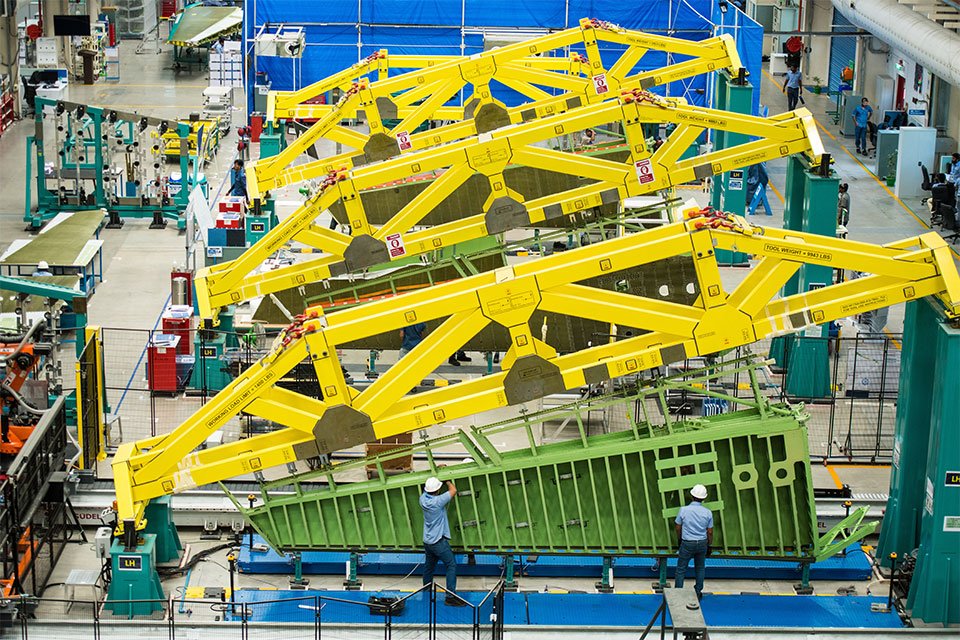
Boeing is looking to build on its existing support network in India by giving Indian suppliers and MRO partners a larger role. Their involvement in repairs, parts, maintenance, training and technical support could lower costs, shorten turnaround times and improve aircraft availability.
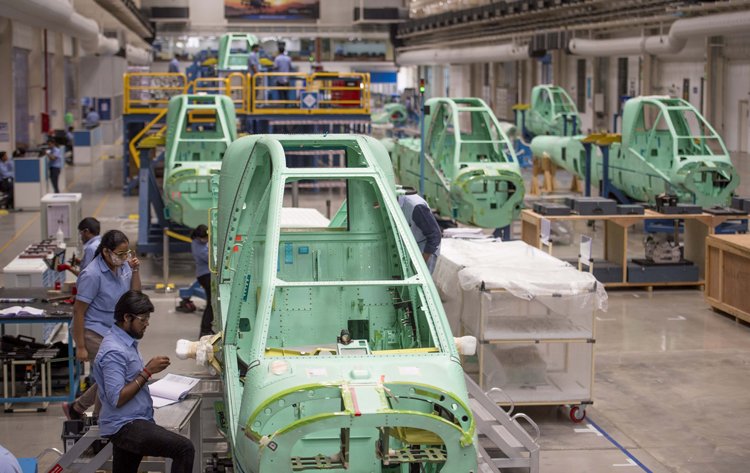
For decades, Boeing’s presence in India has largely been defined by manufacturing and industrial partnerships—the production of Apache fuselages at the Tata Boeing joint venture in Hyderabad, a 43-acre engineering and technology campus in Bengaluru, and a network of companies supplying components and services to Boeing’s global programmes.
Boeing is adding a new chapter to that story, one written in equity stakes, mentorship, and technology partnerships. Through Boeing Ventures, it is looking to invest in, partner with and mentor Indian companies—and potentially connect them with a broader global customer base.
From HorizonX to India
Boeing established HorizonX in 2017 as its corporate venture capital arm. Its purpose was to combine investment with access to Boeing’s operating expertise, technical capabilities and market reach, rather than treating start-ups solely as financial assets.
The early portfolio spanned autonomous systems, augmented reality, additive manufacturing, advanced materials, machine learning, energy storage, satellite communications, electric propulsion and industrial software.
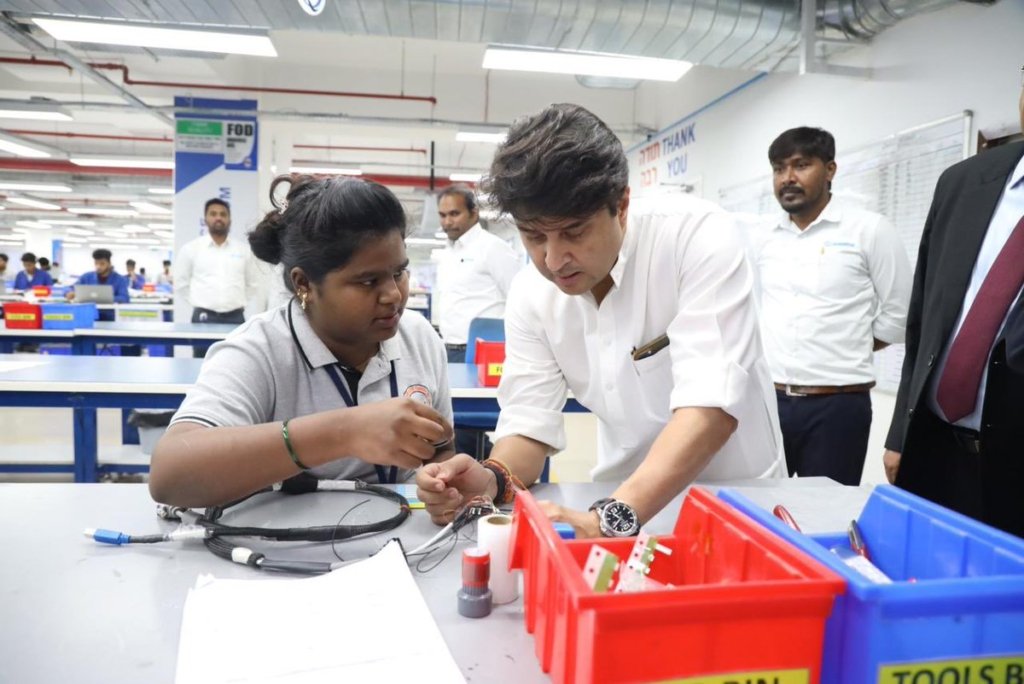
Companies such as Upskill, Zunum Aero, Accion Systems, BridgeSat, Digital Alloys, Electric Power Systems and Virgin Galactic reflected Boeing’s interest in technologies that could be applied across its aircraft programmes, services business and broader operations.
The model extended beyond minority investments. Boeing sought to give emerging companies access to its technical teams and operating divisions, creating potential routes to commercial adoption.
Digital Alloys, for example, was developing a metal additive manufacturing process aimed at producing aerospace-quality parts faster and in higher volumes.
Accion Systems was working on electric propulsion systems for satellites and spacecraft.
In 2021, Boeing and AE Industrial Partners established AEI HorizonX as an independent venture-capital platform. The existing portfolio of more than 40 investments moved into the new platform,
In July 2022, Boeing committed $50 million to anchor Fund II, which aimed to raise $250 million for start-ups in future mobility, space, sustainability, digital enterprise applications, networks and security. At the time, AEI HorizonX reported 51 global investments.
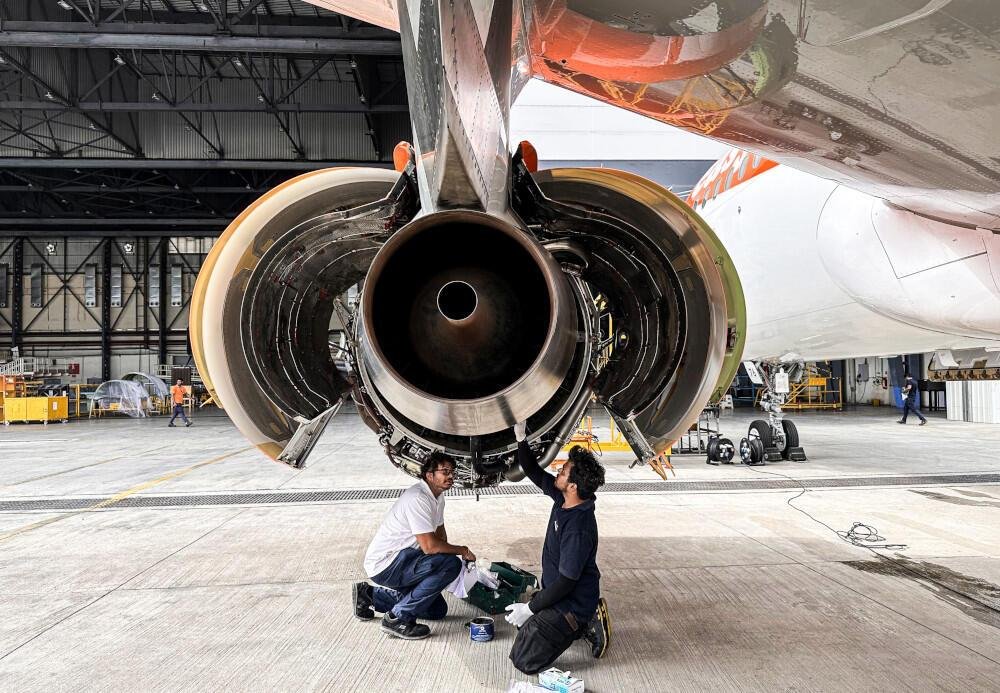
Boeing Ventures team is drawing on that experience as it evaluates Indian companies for possible investment where their technologies or services could strengthen Boeing’s services and support operations.
It may make a minority investment, form a partnership, collaborate on a programme or provide mentoring.
For aerospace start-ups, such support can be significant because technical merit alone does not equip a company with the systems, processes and certifications needed to work with a major OEM.
The gap between a promising prototype and a product accepted for aerospace use often involves qualification, configuration control, documentation, quality systems, cybersecurity, export controls, production discipline and long-term support.
Boeing’s contribution could include access to engineers, operational advice, product reviews, business mentoring and guidance on scaling production.
It could also give a company the chance to be assessed for inclusion in a global supply chain. Potential areas of interest include training, support equipment, technical publications, maintenance, modifications, repair and digital services.
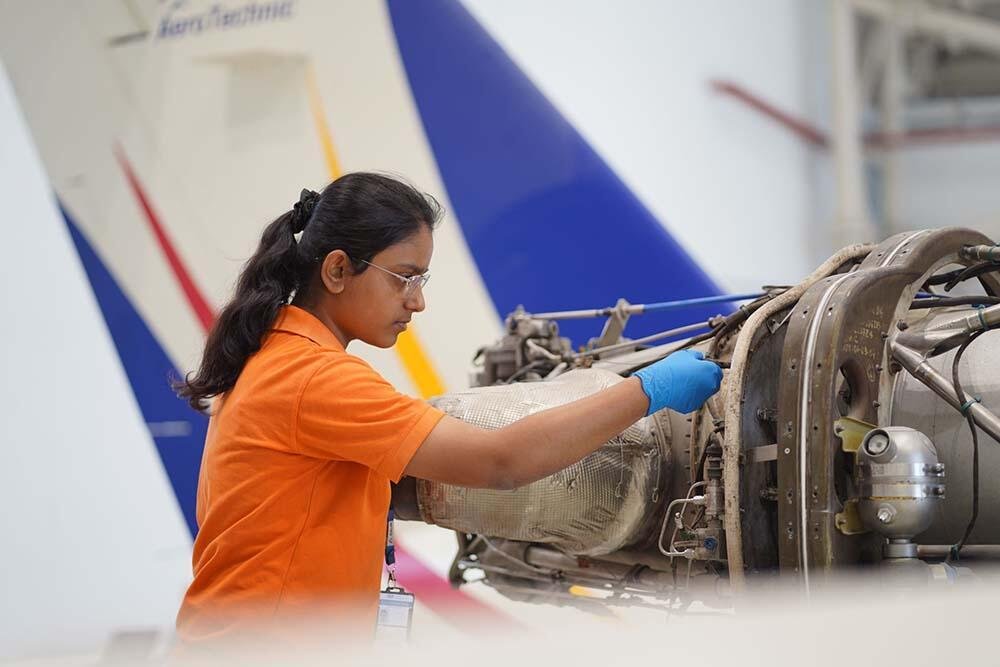
Photo: GMR
A company developing artificial intelligence for predictive maintenance could support military fleets, commercial operators or MRO providers.
A firm working on augmented or virtual reality could support technician training, manufacturing operations or the production of technical publications.
A repair specialist, a data company, a cybersecurity firm or an advanced manufacturing business could have applications in both defence and civil aerospace, depending on its certifications, cost structure and ability to meet Boeing’s quality and schedule requirements.
Building aerospace capability
The initiative is intended to identify Indian companies whose capabilities could support Boeing’s services business in India and other markets. Boeing will assess whether a technology or service addresses a defined requirement, can be applied across programmes or markets and can meet aerospace requirements for quality, security, cost, schedule and scale.
Areas under consideration may include artificial intelligence, analytics, digital engineering, training, maintenance, repair, logistics and technical documentation.
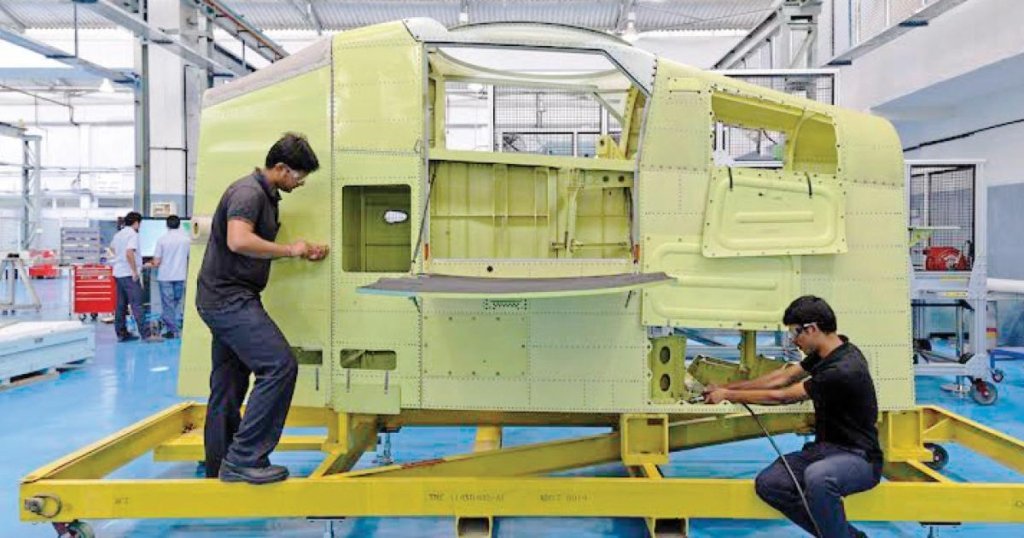
Photo: Dynamatic Technologies
The priorities will depend on Boeing’s India strategy. Any investment would be considered on a case-by-case basis, while other forms of engagement could include partnerships or mentoring.
For Indian companies, working with Boeing could provide insight into the requirements of a global aerospace customer and create opportunities for their technologies or services to be considered for wider use.
Even without an immediate purchase order, meeting Boeing’s requirements could strengthen a company’s credentials and position it for future aerospace programmes. For Boeing, the initiative offers access to India’s engineering and technology base and to companies experienced in developing cost-effective solutions under demanding conditions.
Selection for the initiative would not automatically make a company a Boeing supplier. Any subsequent role would depend on technical suitability, commercial viability, security compliance, certification and consistent delivery.
The Indian opportunity
Boeing executives described the initiative as the Ventures team’s first services-focused search in India.
Although Boeing’s broader venture platform has invested internationally, this effort is focused on Indian companies whose capabilities could support Boeing’s services operations in India and other markets.
India is seeking to deepen local manufacturing, expand aerospace production and services, build indigenous technology and play a larger role in global commercial aerospace supply chains.
Indian companies already supply established OEMs, and Boeing’s search will assess what they can offer across a wider range of aerospace services and technologies.
The search remains exploratory. Its direction will become clearer after Boeing completes its assessment and decides which relationships it intends to pursue.
Also Read: Trust, Technology and Time: How Hical Built Its Aerospace Edge