









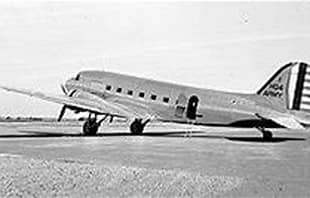
Eastern Air Lines Flight 665 Crash January 12, 1947
The Eastern Air Lines Flight 665 accident was a tragic aviation event that occurred on January 12, 1947, during the early years of the post-World War II airline industry. It happened at a time when commercial air travel in the United States was growing quickly. Airlines were carrying more passengers, operating more routes, and using aircraft that had originally been developed for military service.
Eastern Air Lines was one of America’s major airlines during this period. It operated a large network across the eastern and southern United States and had become an important part of the country’s developing passenger transportation system.
The Flight 665 accident was one of the many aviation tragedies of the 1940s that showed the challenges faced by pilots and airlines before modern navigation, weather, communication, and safety systems became available.
Eastern Air Lines
Eastern Air Lines was one of the major American airlines of the twentieth century.
The company had developed an extensive network connecting cities along the eastern coast and across the southern United States. It transported passengers, mail, and cargo and was an important part of the growth of American commercial aviation.
During World War II, the airline industry was heavily influenced by military aviation. Aircraft production increased rapidly, pilots gained experience, and many transport aircraft were built for military purposes.
After the war ended in 1945, airlines such as Eastern Air Lines returned their attention to civilian passenger operations.
The demand for air travel increased significantly.
People wanted to travel faster between cities, and businesses increasingly saw air transportation as a useful way to connect distant locations.
The Post-War Aviation Environment
The accident occurred only about eighteen months after the end of World War II.
The American aviation industry was changing rapidly.
Military transport aircraft were being converted for civilian use.
Many former military pilots were joining commercial airlines.
Airports were becoming busier.
New navigation equipment was being installed.
However, the safety systems of the period were much less advanced than those used today.
Pilots did not have GPS.
There were no modern computerized flight-management systems.
Weather radar was not available in the form used by modern airline crews.
Aircraft also did not have the advanced terrain-warning equipment found on today’s passenger aircraft.
Because of these limitations, pilots had to depend heavily on experience and manual navigation.
The Aircraft
Eastern Air Lines operated several types of aircraft during the post-war period.
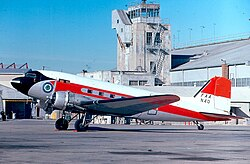
One of the most important was the Douglas DC-3.
The DC-3 had become famous for its reliability before the war.
Its military version, the C-47, was used extensively during World War II.
After the war, thousands of military transport aircraft became available to civilian operators.
The DC-3 could carry passengers and cargo and operate from many airports.
It became one of the main aircraft supporting the growth of commercial aviation.
Although the aircraft was considered dependable, no aircraft could eliminate the risks created by poor weather, navigation errors, or difficult operating conditions.
Flight 665
Eastern Air Lines Flight 665 was operating on January 12, 1947.
The aircraft was carrying passengers and crew as part of the airline’s scheduled service.
The flight was expected to be a routine commercial operation.
The crew had to follow the planned route and maintain communication with the appropriate ground stations.
As the flight progressed, however, the situation became dangerous.
The aircraft eventually crashed, resulting in fatalities.
The accident became part of the difficult safety record of American commercial aviation during the late 1940s.
Navigation in the 1940s
Navigation was one of the most important challenges for airline pilots during this period.
Modern pilots can determine their location with great accuracy using satellite navigation.
In 1947, pilots depended mainly on radio navigation aids, compasses, charts, and calculations.
One common technique was dead reckoning.
The crew estimated the aircraft’s position using its heading, speed, elapsed time, and wind conditions.
If one of these factors was incorrect, the calculated position could also be wrong.
For example, unexpected winds could push an aircraft away from its intended route.
During normal daylight flying, pilots might recognize the error by looking at landmarks.
But clouds, fog, darkness, or poor visibility could remove this important visual reference.
Weather and Visibility
Weather played an important role in aviation safety during the 1940s.
Pilots frequently encountered clouds, rain, fog, snow, and strong winds.
Weather forecasting was improving, but forecasts were not as detailed or reliable as modern forecasts.
Today, airline crews can receive satellite imagery, weather radar information, digital forecasts, and frequent updates.
In 1947, weather reports were largely based on observations from ground stations and other aircraft.
A pilot could receive a weather report before departure that no longer accurately described conditions later in the flight.
Poor visibility could make navigation particularly difficult.
Flying Near Mountains and Terrain
Terrain was another major danger for aircraft operating in unfamiliar areas.
Modern aircraft are equipped with terrain-awareness systems that can warn pilots when an aircraft is getting dangerously close to the ground.
In 1947, no such system existed.
Pilots depended on charts, altitude calculations, radio navigation, and visual observation.
If an aircraft was off course, the crew might not realize how close it was to mountains or other terrain.
This was particularly dangerous at night or in clouds.
The Accident
Flight 665 ultimately crashed during its journey.
The aircraft was destroyed, and people aboard lost their lives.
Emergency responders were sent to the crash site.
However, rescue operations in the 1940s were much more difficult than they are today.
There were no satellite tracking systems to provide an immediate aircraft location.
Aircraft did not automatically transmit emergency positions.
Search teams often depended on reports from other aircraft, ground stations, local residents, or people who had seen or heard the aircraft.
Locating a crash site could therefore take considerable time.
Investigation of the Crash
Following the accident, investigators examined the circumstances.
Aviation accident investigators generally considered several possible causes.
These included:
- Weather conditions
- Navigation
- Pilot decisions
- Aircraft mechanical condition
- Radio communication
- Flight planning
- Maintenance
- Airport facilities
The investigators also examined the wreckage for signs of mechanical failure.
Engines and other components could provide important clues.
Witnesses were interviewed.
Weather reports were reviewed.
Radio communications and flight plans were examined when available.
Because there were no modern flight-data recorders, reconstructing the final moments of the flight was difficult.
The Importance of Accident Investigations
Accident investigations were an essential part of the development of commercial aviation.
The purpose was not simply to determine what had happened.
Investigators also wanted to understand why it happened and how similar accidents could be prevented.
If navigation was a problem, authorities could improve navigation facilities.
If weather information was inadequate, forecasting and reporting systems could be improved.
If pilot training was an issue, airlines could introduce additional training.
If aircraft maintenance was involved, inspection procedures could be strengthened.
This process helped aviation become safer over time.
Pilot Workload
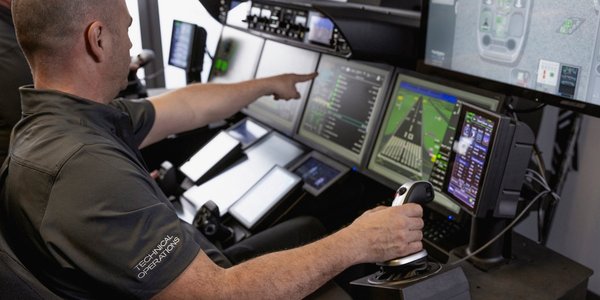
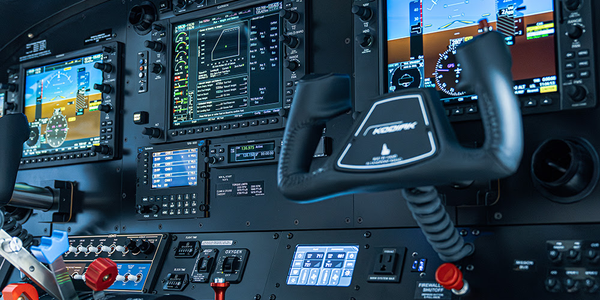
The cockpit of a 1940s passenger aircraft was very different from a modern cockpit.
Pilots had to perform many tasks manually.
They controlled the aircraft, monitored the engines, communicated by radio, calculated navigation information, checked instruments, and watched for changes in weather.
During difficult conditions, the workload could become very high.
There were fewer automated systems to help.
A pilot had to make important decisions quickly.
Modern aviation has developed procedures that help crews divide responsibilities and manage workload.
These procedures were influenced by lessons learned from decades of aviation experience.
Crew Coordination
Crew coordination is an important part of airline safety.
A typical modern flight crew communicates continuously.
One pilot may fly while the other manages navigation and communications.
Both pilots monitor the aircraft and check each other’s actions.
In the 1940s, cockpit procedures were less standardized.
The captain generally had greater control over decision-making.
Over the years, airlines developed more formal systems for crew communication and cooperation.
This helped reduce errors and improve safety.
Aircraft Maintenance
Aircraft maintenance was also important during the post-war years.
Airlines had to maintain large fleets of aircraft, many of which had previously been used for military service.
The DC-3 and other transport aircraft were designed for demanding operations, but they still required regular inspection.
Engines, propellers, landing gear, electrical systems, controls, and instruments had to be checked.
Airlines needed trained mechanics and adequate supplies of replacement parts.
The growth of commercial aviation led to increasingly detailed maintenance requirements.
Airport Development
Airports were becoming more important as passenger numbers increased.
A modern airport provides many systems that pilots depend on.
These include:
- Runway lighting
- Instrument approaches
- Navigation aids
- Weather services
- Air traffic control
- Fire services
- Emergency medical assistance
Many airports in the 1940s had only a fraction of these capabilities.
Improving airport infrastructure became an important part of making commercial aviation safer.
The Human Cost
The most important part of the Flight 665 tragedy was the loss of human life.
Passengers aboard the aircraft were traveling for many different reasons.
Some may have been traveling for business.
Others may have been visiting relatives, returning home, or going on personal journeys.
The crew members were doing their jobs and were responsible for carrying the passengers safely.
The accident brought grief to families and friends.
It also affected the employees of Eastern Air Lines.
Every aviation accident leaves a lasting impact on the people connected to those involved.
Lessons From Flight 665
The accident represents several important lessons for aviation.
Better Navigation
Reliable navigation systems are essential, particularly during poor visibility.
Accurate Weather Reports
Pilots need current weather information throughout a flight.
Pilot Training
Crews need training to deal with difficult weather, navigation problems, and emergencies.
Aircraft Maintenance
Regular inspection helps prevent mechanical failures.
Airport Improvements
Good navigation and communication facilities are essential.
Emergency Response
Fast and accurate location information can save lives after an accident.
These principles remain central to aviation safety today.
Changes After the 1940s
Commercial aviation became much safer during the following decades.
Radar became widely used for air traffic control.
Radio navigation systems improved.
Weather forecasting became more accurate.
Airports developed better instrument landing systems.
Aircraft engines became more reliable.
Pilot training became more standardized.
Later, satellite navigation and computerized flight-management systems transformed aviation.
Aircraft also began carrying flight-data recorders and cockpit voice recorders.
These devices made accident investigations much more detailed.
Modern Comparison
A flight like Eastern Air Lines Flight 665 would operate very differently today.
Before departure, the crew would receive detailed weather information.
The aircraft’s route would be entered into a computerized navigation system.
Air traffic controllers would monitor the aircraft.
GPS and other navigation systems would provide accurate position information.
Weather radar would help the crew identify dangerous storms.
Terrain-warning systems could alert the pilots if the aircraft approached dangerous terrain.
If conditions at the destination became unsafe, the crew could divert to another airport.
These technologies did not exist in the same form in 1947.
Legacy
The history of Flight 665 belongs to an important period in American aviation.
The United States was moving from wartime aviation to a modern civilian airline system.
Airlines were expanding quickly.
New aircraft were entering service.
More people were choosing to fly.
At the same time, the industry was learning important safety lessons.
Accidents during this period helped highlight the importance of navigation, weather forecasting, pilot training, aircraft maintenance, and airport development.
These lessons contributed to the safety standards that passengers take for granted today.
Remembering the Accident
Historical aviation accidents are important because they help explain how the industry developed.
The technology used by pilots in 1947 may seem basic today, but it represented the best available equipment at the time.
Pilots had to operate aircraft using skill, experience, and limited information.
When something went wrong, there were fewer systems available to help.
The story of Flight 665 therefore shows how much aviation has changed.
Conclusion
The Eastern Air Lines Flight 665 accident of January 12, 1947, occurred during an important period in the history of American commercial aviation.
The airline was part of a rapidly growing industry that was expanding after World War II. Aircraft were becoming more capable, passenger numbers were increasing, and airlines were opening new routes across the country.
However, aviation technology and infrastructure were still developing.
Pilots did not have GPS, modern weather radar, computerized navigation, or terrain-warning systems. They depended on radio navigation, charts, instruments, weather reports, and their own judgment.
The Flight 665 tragedy became part of the long process through which the aviation industry learned how to manage these risks.
The lessons from accidents of this period helped encourage improvements in pilot training, navigation, aircraft maintenance, weather forecasting, airport facilities, air traffic control, and emergency response.
Today, flying is supported by advanced technology and carefully developed safety procedures. Modern aircraft can navigate with great accuracy, receive detailed weather information, communicate continuously with air traffic control, and warn pilots about many potential dangers.
The story of Eastern Air Lines Flight 665 remains a reminder that today’s aviation safety system was not created overnight. It developed through decades of innovation and through the difficult lessons learned from accidents involving earlier generations of aircraft and flight crews.

Ajeet Yadav is an aviation enthusiast covering airline news, airports, aircraft, and industry developments through well-researched and reliable reporting.