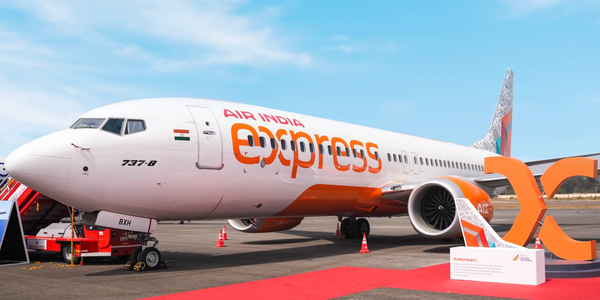
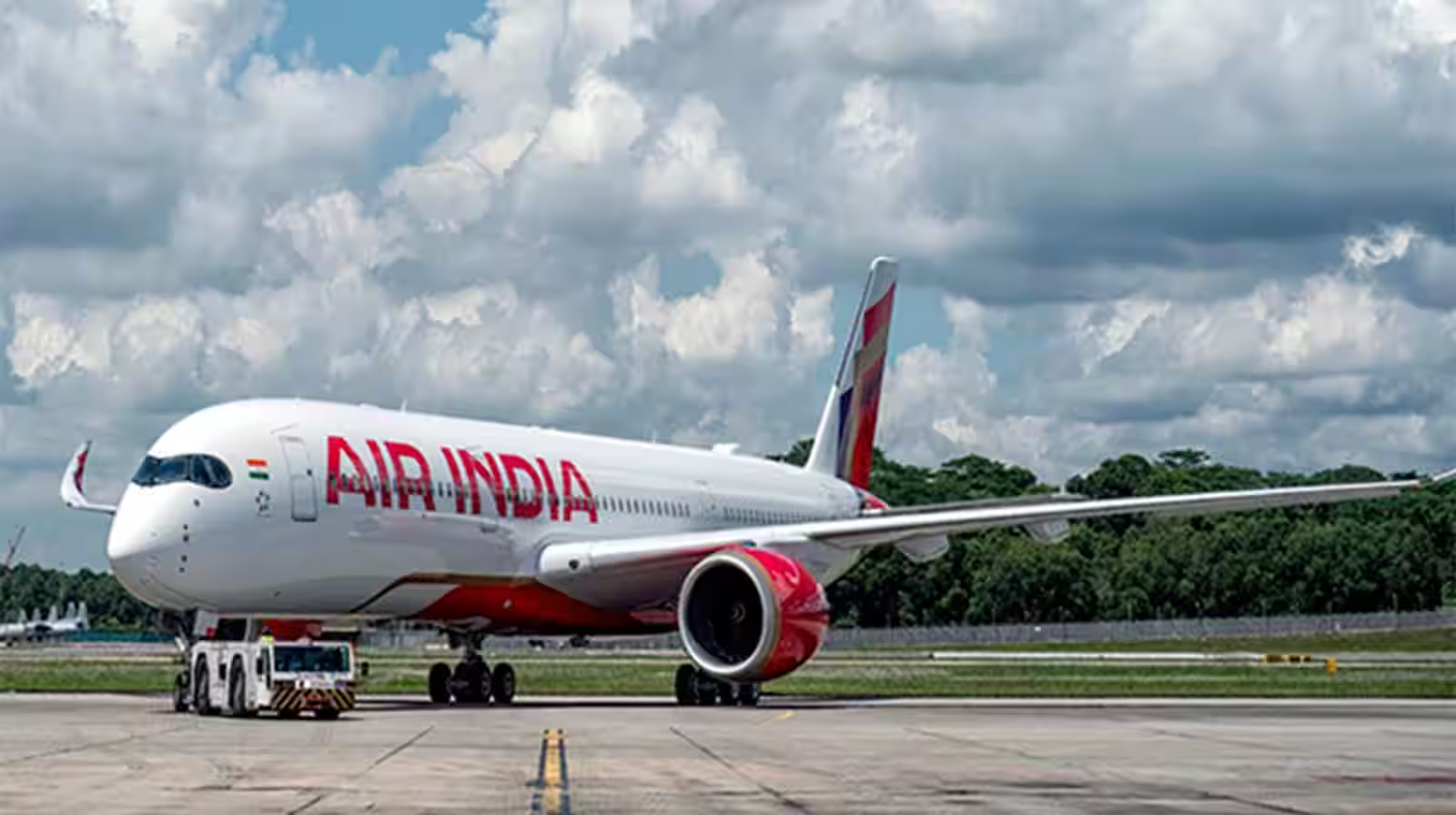
This Navratri, Air India Express is bringing the flavours of the festive season onboard with a specially curated Navratri meal featuring Sabudana Khichdi, Vrat Sheera and a Fruit Platter. The special meal is available across the airline’s expansive network covering…
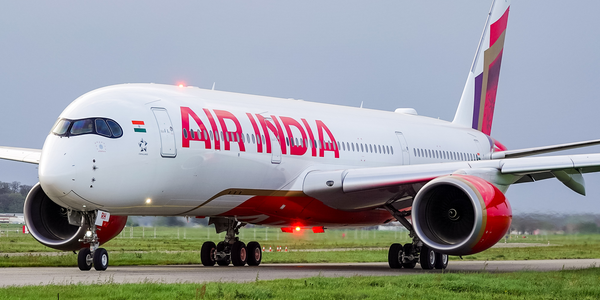
Air India News Air India has announced some very good offers for students who want to travel during festival season or semester breaks. These deals will help students save money on both domestic and international flights. Air India is giving…
Airlines News Air travel in India may become more expensive as Air India, Air India Express, and Akasa Air have introduced or revised fuel surcharges on domestic and international flights from October 9, 2026. The decision comes amid rising Aviation…
From travelling to a new city for college to returning home for a semester break, students have plenty of reasons to travel through the academic year. Air India is offering students a flat 10% discount on domestic base fares on…
Nuremberg Airport News Nuremberg Airport in Germany temporarily suspended flight operations on Tuesday, October 13, after three pilots reported seeing a suspected drone near the airfield. Police launched a security search, while airport authorities halted takeoffs and landings as a…
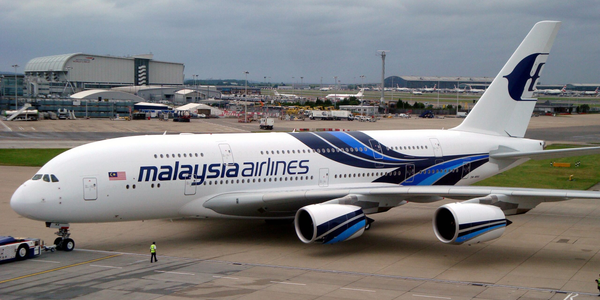
Chennai Airport News There was confusion at the international departure terminal of Chennai airport in the early hours of Monday. Malaysia Airlines flight MH181 to Kuala Lumpur was delayed after an “oxygen shortage” was cited. The flight was supposed to…
Mumbai Airport News Mumbai International Airport Ltd (MIAL), the operator of Mumbai airport, has told airlines that its plan to rationalise international flights has been put off by a few weeks. The plan included partially shifting operations to Navi Mumbai…
Delhi Airport News Customs officials at Delhi’s Indira Gandhi International Airport have arrested an Indian woman who was arriving from Bangkok. They allegedly found 16 kg of “hydroponic” cannabis in her baggage. The seized drugs are worth around Rs 5.62…
India’s business and general aviation sector remains severely constrained, operating far below its true geographic and economic potential compared to global peers. While demand spikes during peak seasons expose acute fleet shortages, overcoming this capacity gap requires targeted regulatory relaxations,…
Textron Aviation is recognising 30 years of aircraft manufacturing in Independence, Kansas, while looking ahead to the facility’s continued role in supporting customers, developing aviation talent and producing industry-leading aircraft. Approximately 600 employees work across the 213-acre campus, where capabilities…
When customers need assistance away from a service center, it’s essential they have access to Original Equipment Manufacturer (OEM)-backed field support. Guided by customer feedback, Textron Aviation has recently brought its Mobile Service Units (MSUs), Go Teams and 1CALL together…
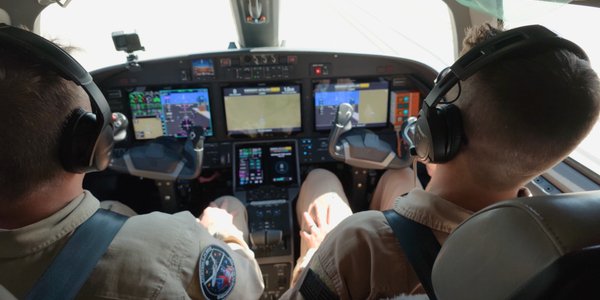
For generations, Cessna aircraft have been developed around a practical idea: give customers capable, reliable aircraft that help them accomplish what matters to them. Today, that thinking is helping shape the next generation of the Citation CJ4. The Cessna Citation…
Bharat Forge Ltd. (BFL), a global leader in advanced forging and precision engineering, has secured a long-term contract with Pratt & Whitney Canada, a world-renowned aerospace engine manufacturer, for the supply of mission-critical aerospace engine components. The components will be…
Jazeera Airways has selected CFM International LEAP-1A engines to power nine additional A320neo aircraft. In addition, Jazeera Airways and CFM have expanded the scope of their existing engine services agreement, which now covers the airline’s current and future fleet of…
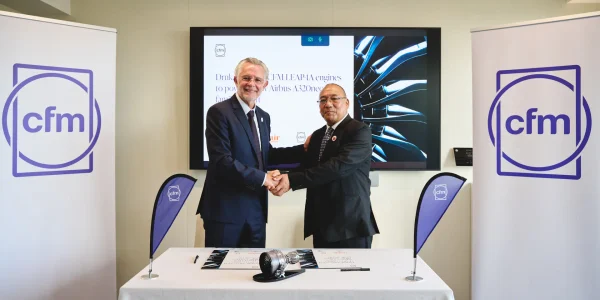
Drukair, Royal Bhutan Airlines, the national flag carrier of the Kingdom of Bhutan, announced today its selection of CFM International’s LEAP-1A engines to power five Airbus A320neo family aircraft. The order consists of three A320neo and two A321XLR aircraft, which…
AIRCAIRO, a National Egyptian Airline, has chosen CFM International’s LEAP-1A engines for its growing Airbus A320neo fleet. The agreement includes CFM LEAP-1A engines for 15 aircraft, options for 15 more, and spare engines, bringing the total potential fleet to more…
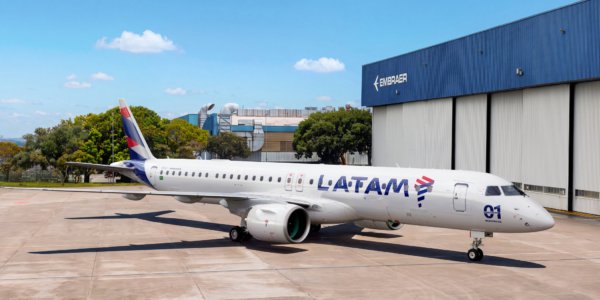
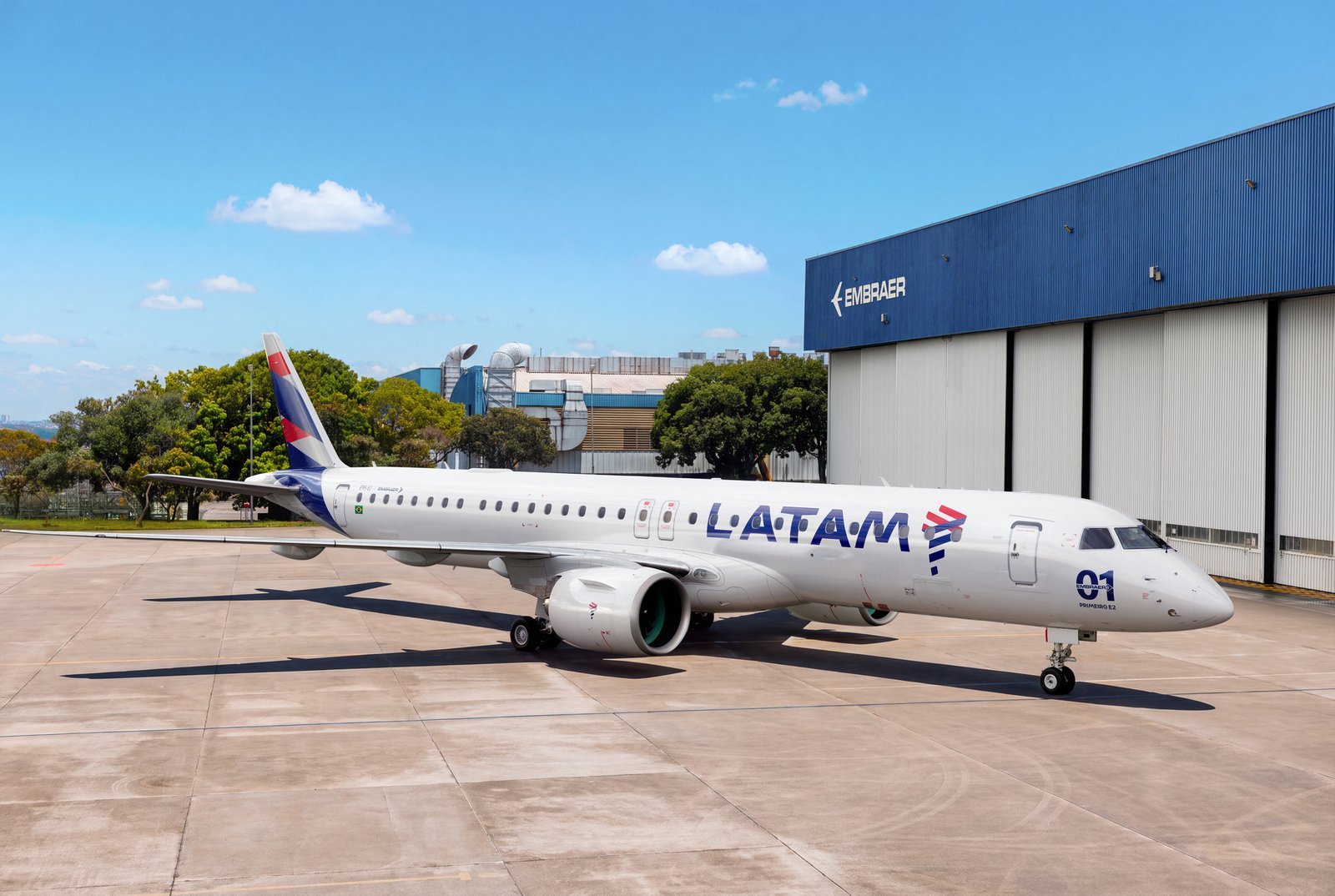
Embraer and LATAM Airlines Group S.A. have signed a Component Pool Program agreement to support the introduction of 24 Embraer E195‑E2 aircraft ordered by the airline. In addition to the 24 firm orders, the LATAM Group also holds 50 purchase…
ST Engineering officially opened its new Commercial Aerospace airframe maintenance, repair and overhaul (MRO) facility at Changi Creek, located within Singapore’s Changi Airport, today. As ST Engineering’s fourth airframe MRO site in Singapore, the new facility expands the Group’s MRO capacity in…
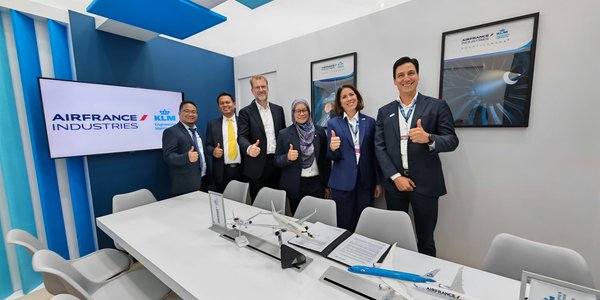
Air France Industries KLM Engineering & Maintenance (AFI KLM E&M) has signed a long-term agreement with Malaysia Airlines Berhad (MAB), the operator of Malaysia Aviation Group’s (MAG) A350 fleet, to provide comprehensive component support for its aircraft. The agreement builds…
Air India and SIA Engineering Company (SIAEC) are in advanced discussions over wider maintenance cooperation in India, including a possible joint venture. The companies already work together on Air India’s Bengaluru base maintenance facility, but any broader commercial arrangement remains…
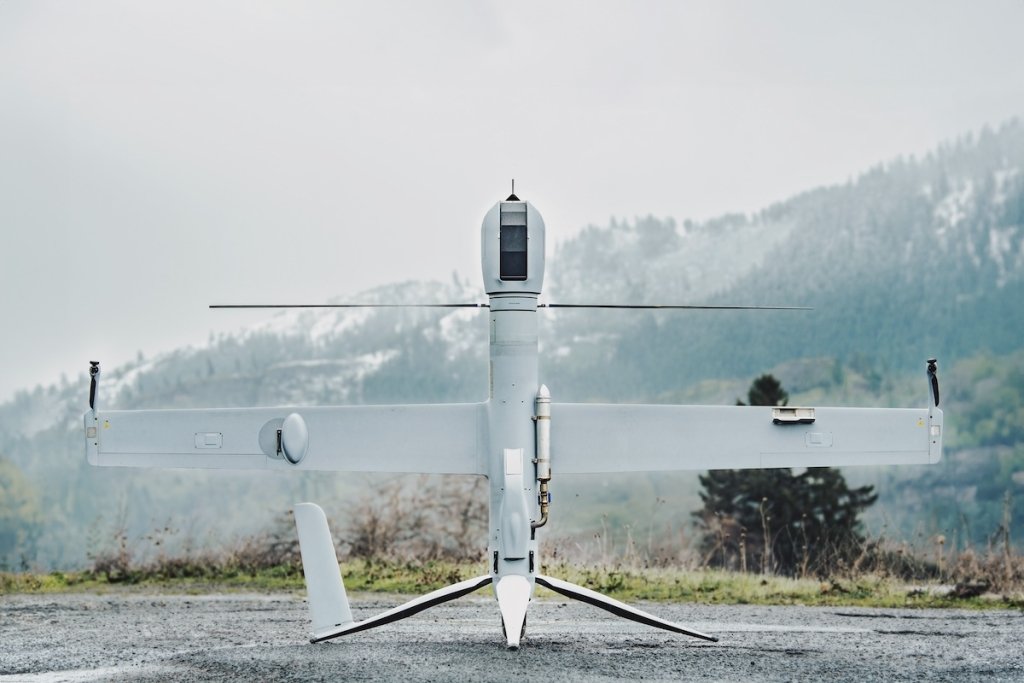
Australian aerospace start-up Drone Forge and Airbus Helicopters have signed an agreement to purchase six Flexrotor uncrewed aerial systems (UAS) comprising 17 aircraft, making it the single largest order for the Flexrotor to date.
The mission-ready Flexrotor systems will be configured to meet a broad range of operational requirements in the Asia-Pacific region, spanning littoral surveillance and high-altitude inland missions, to infrastructure monitoring and maritime environment assessment.
Photo: Airbus Helicopters
Each UAS will feature a heavy fuel engine optimised for maritime operations, ensuring greater safety, fuel availability, and interoperability with naval assets. It will also incorporate Starlink connectivity, enabling beyond-line-of-sight operations and real-time situational awareness. Additionally, the Flexrotor will be equipped with PT-6 imaging technology, providing stabilised, high-resolution intelligence, surveillance and reconnaissance capabilities for efficient wide-area maritime monitoring.
“We are fully convinced that the Flexrotor, built on a strong engineering heritage, will allow us to tap into new markets with a proven solution where real-time intelligence, mission flexibility and reliability matters,” said Thomas Symes, Chief Executive Officer of Drone Forge. “We look forward to integrating and commercialising the Flexrotor systems in the region.”
“The landmark order opens a new chapter in our partnership with Drone Forge, reinforcing our shared commitment to delivering cutting-edge crewed-uncrewed teaming capabilities to Asia-Pacific operators,” said Olivier Michalon, Executive Vice President of Global Business at Airbus Helicopters. “With strong confidence in the Flexrotor’s efficiency and reliability, this force multiplier will drive operational excellence in defence and security applications.”
The agreement followed closely from a Letter of Intent (LOI) signed recently between Airbus and Drone Forge, where the two companies collaborate on the deployment and operational integration of the Flexrotor UAS.
The Flexrotor is Airbus’ newest addition to its UAS portfolio. A modern Vertical Takeoff and Landing (VTOL) uncrewed aircraft with a maximum launch weight of 25 kg (55 lbs), it has been designed for ISTAR missions for more than 12-14 hours in a typical operational configuration. It can integrate different types of payloads including an electro-optical system and advanced sensors to suit customers’ unique mission needs. With the ability to autonomously launch and recover from either land or sea requiring only a 3.7 by 3.7 m (12 by 12 ft.) area, the Flexrotor is ideal for expeditionary missions requiring minimal footprint.
Ajeet Yadav is an aviation enthusiast covering airline news, airports, aircraft, and industry developments through well-researched and reliable reporting.