







- Asia-Pacific’s aerospace rise was on full display at Singapore Airshow 2026, which has evolved from a regional trade event into a global forum spanning aviation, space, digital technologies, and sustainability, reflecting the region’s growing weight in the global aerospace ecosystem.
- The balance of power is slowly shifting, with Airbus reinforcing its dominance, Boeing adjusting its focus, COMAC stepping onto the international stage, and Embraer strengthening its role in regional connectivity.
- Growth across the region is strong, but it is running up against real limits—from supply chains and certification to skills and sustainability—making delivery and execution the industry’s biggest test.
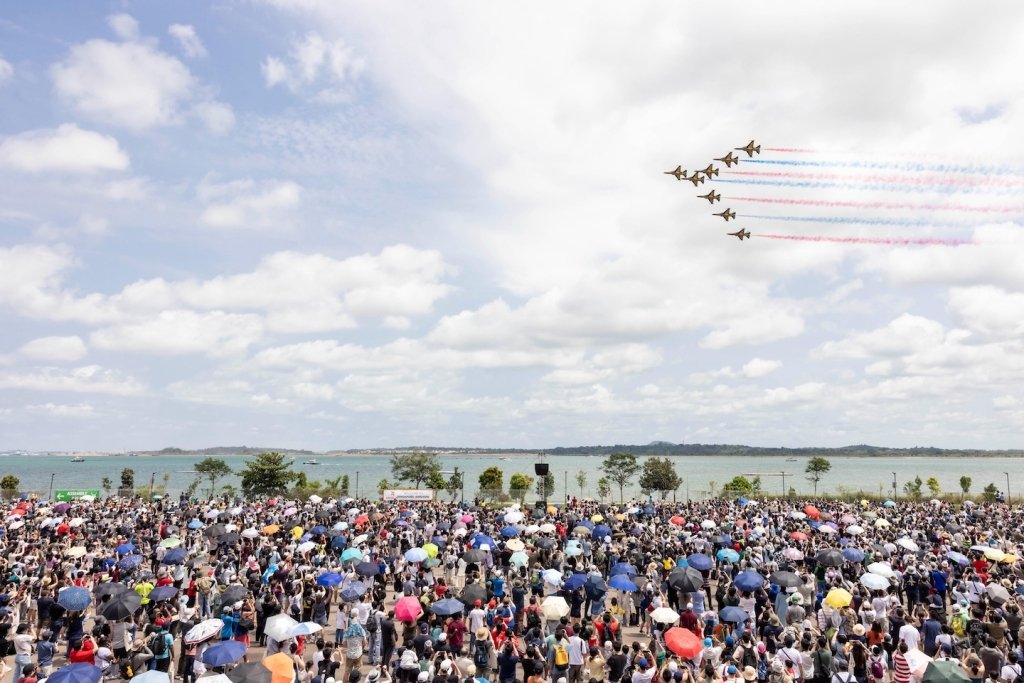
On a bright, heat-hazed Tuesday morning, as sunlight glinted off jet wingtips at the Changi Exhibition Centre, the tenth edition of the Singapore Airshow 2026 roared into life. For many in Asia’s aviation and wider aerospace community, it wasn’t just another biennial spectacle; it was a celebration of two decades of ambition—and a preview of how the region intends to shape the future of flight, technology, and industry.
Running from February 3 to 8, this year’s show reflects how far the region has come—and how much further it intends to go. What began twenty years ago as a largely regional trade exhibition has evolved into a global platform spanning commercial aviation, space, digital technologies, autonomy, and sustainability.
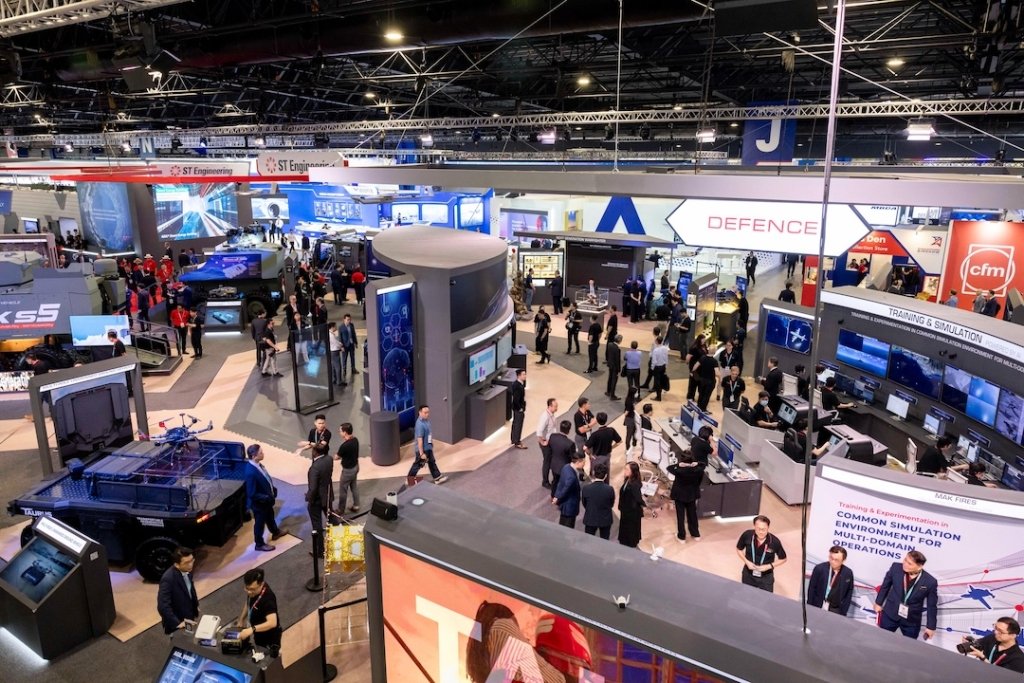
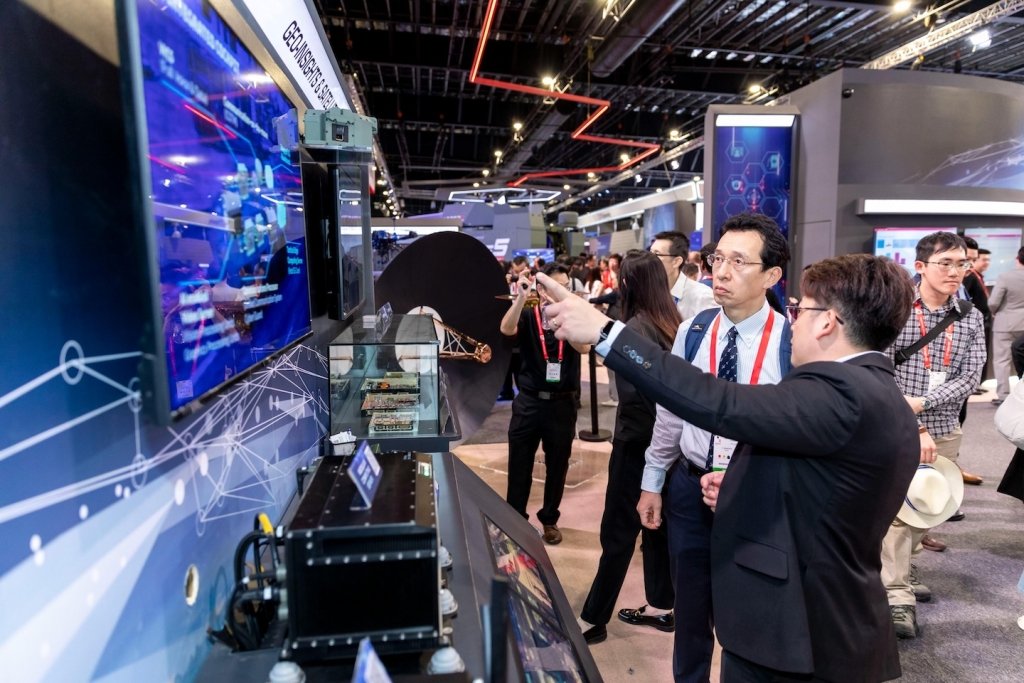
Inside the sprawling halls, the air buzzed with a blend of optimism and realism. More than 1,000 exhibitors from over 50 countries and regions filled the venue, supported by 16 national pavilions—the largest pavilion footprint in the show’s history. The scale alone signalled how deeply Asia-Pacific has become embedded in the global aerospace ecosystem.
The scene was both familiar and new. Confidence in Asia’s fast-rising aviation market was unmistakable—yet so was awareness of persistent challenges: supply-chain bottlenecks, aircraft delivery delays, skilled workforce constraints, volatile geopolitics, and the daunting task of decarbonising aviation at speed and scale.
Organisers expect a larger turnout than the 2024 edition, reflecting aviation’s post-pandemic rebound and Southeast Asia’s growing strategic weight as an aerospace hub. The expanded agenda—headlined by the first-ever Singapore Airshow Space Summit—made it clear that the event is no longer just about aircraft. Singapore is positioning itself not only as a global aviation connector but also as a node for high-tech manufacturing, research, digital innovation, and sustainable flight.
As Experia Events Managing Director Leck Chet Lam put it, the airshow’s ecosystem has “broadened significantly” over the past decade. What was once a conventional trade show is now a forum for technology partnerships, policy dialogue, and cross-border collaboration across aviation, space, and emerging technologies.
The sentiment among aerospace executives echoed this shift: no one was in Singapore merely to sell planes anymore. They were here to understand where Asian aviation—and aerospace—is heading.
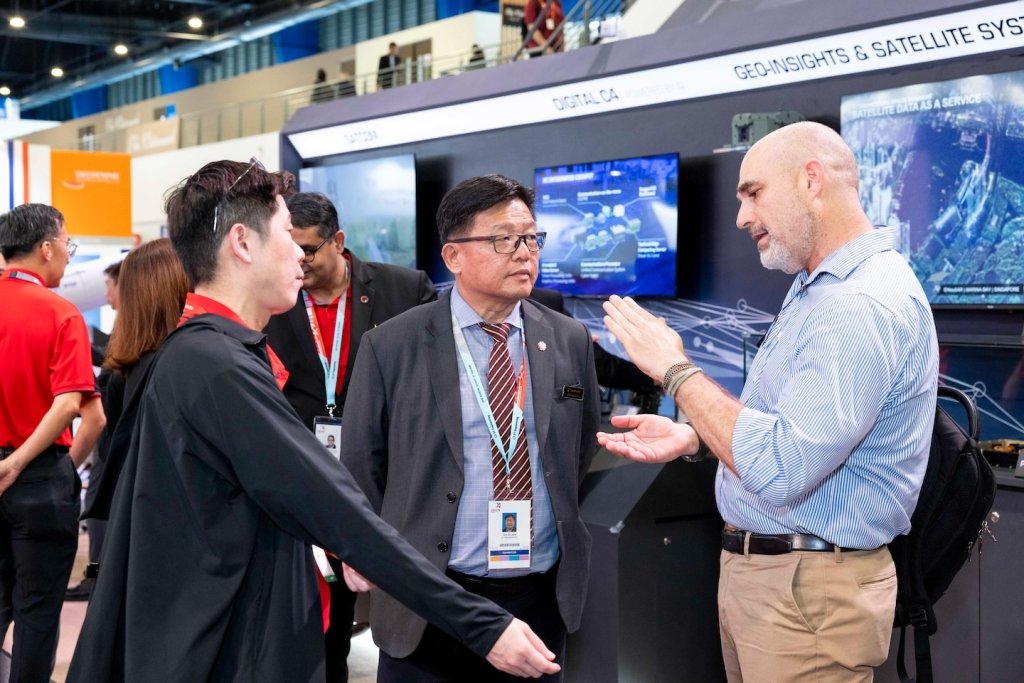
That sense of purpose carried into the Aviation Summit, where industry leaders framed this period as one of “twin engines of growth”—aviation and aerospace reinforcing each other.
With Asia-Pacific now accounting for more than half of global air traffic growth, Singapore offered a neutral, trusted stage for dealmaking, dialogue, and diplomacy.
Across the region, commercial ambitions are accelerating. Airlines are rebuilding and expanding fleets, airports are scaling up, and governments are investing in high-tech ecosystems. Yet each success story carries friction: engine shortages, certification delays, and the need to balance national industrial priorities with global supply chains.
If one company strode into Singapore with quiet confidence, it was Airbus. The European manufacturer used the show to reaffirm its long-term bet on Asia. Its sprawling pavilion blended commercial aircraft, advanced technologies, rotorcraft, and low-emission research—a snapshot of Airbus’s integrated vision.
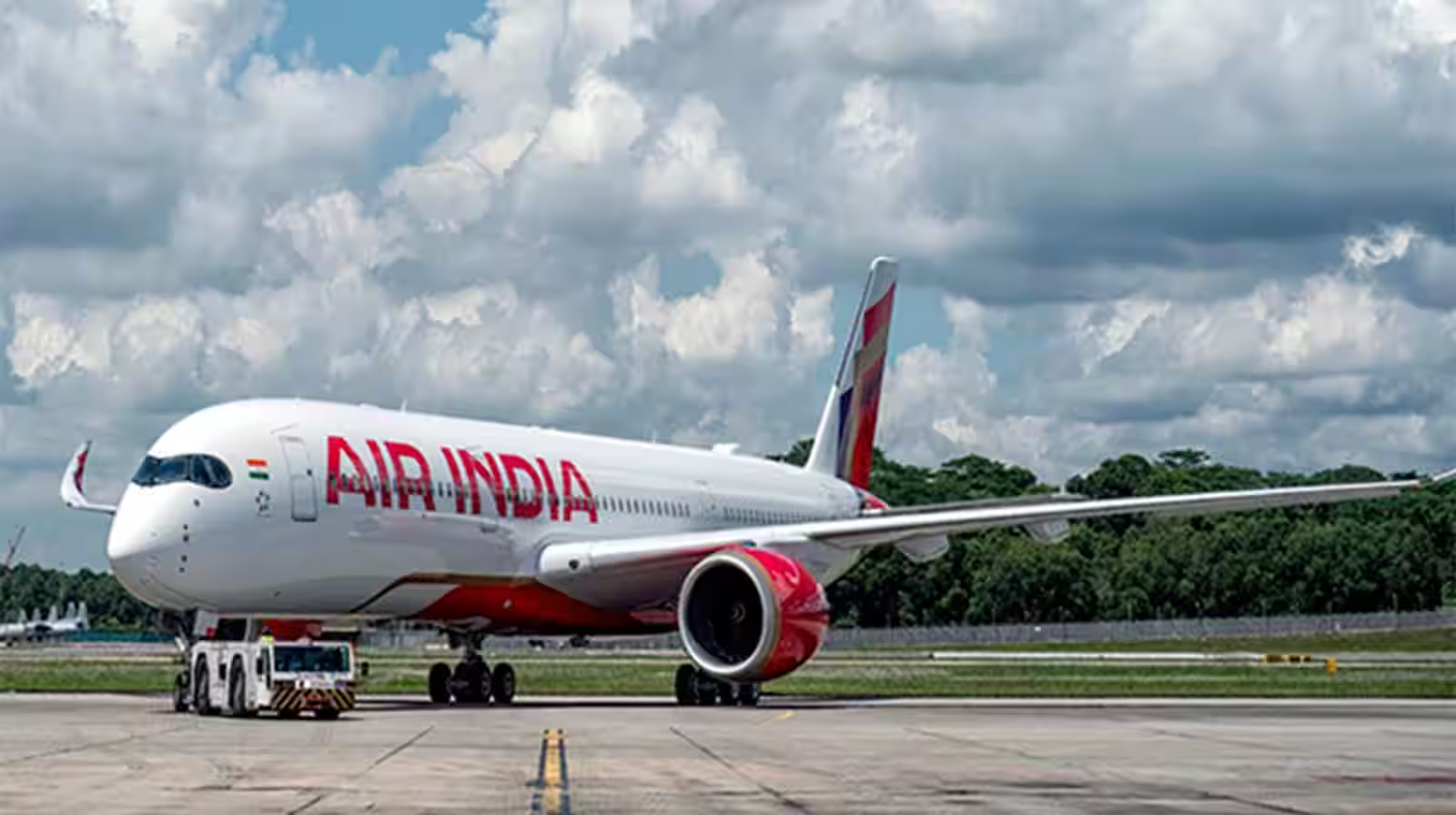
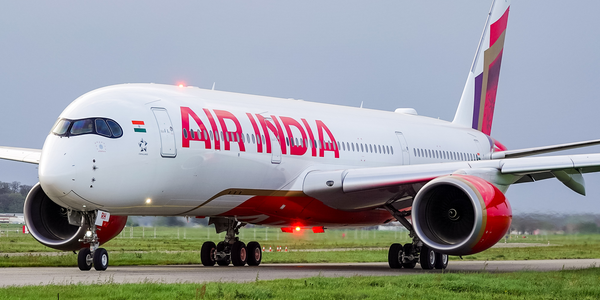
The centrepiece of the flying display was the A350-1000, looping elegantly over Changi. Each pass drew applause—not just for its grace, but for what it symbolised: long-range capability, fuel efficiency, and passenger comfort tailored to Asia’s expanding intercontinental networks. Nearby was the smaller A220 family, pitched as the ideal aircraft to connect secondary cities with major hubs across Southeast and South Asia.
Beyond hardware, Airbus leaned heavily into sustainability and digital innovation, highlighting its work on SAF (Sustainable Aviation Fuel), autonomy, and next-generation operations. The message was clear: dominate today’s market while shaping tomorrow’s technology.
Down the aisle, Boeing played a subtler, more introspective hand. The absence of a large commercial jet in the static display was noticeable—no 787 or 737 dominating the apron. Instead, Boeing focused on services, digital tools, and future mobility concepts.
Inside its immersive exhibit, visitors stepped into a full-scale 777X cabin mock-up, complete with ambient lighting and redesigned interiors that hinted at next-generation passenger experience. Nearby, the Wisk Gen 6 air taxi showcased how urban air mobility could evolve in megacities like Jakarta, Manila, and Bangkok.
Boeing’s regional forecast stood out: Southeast Asia will require nearly 4,900 new aircraft by 2044, driven by 7% annual traffic growth. The figure underscored Boeing’s long-term optimism, even as short-term production and certification hurdles remain.
If there was any manufacturer that commanded attention—and headlines—it was China’s COMAC. With the C919 narrowbody slicing through the Singapore sky and the newly unveiled C909 regional jet on static display, COMAC’s presence was bold and symbolic.
The C919’s aerobatic turns over Changi were more than an airshow routine—they were an industrial statement. Having debuted internationally only two years earlier, COMAC is now actively courting Southeast Asian airlines with competitive pricing, strong state backing, and an expanding domestic production base.
With its two-tier strategy—the C919 targeting medium-haul routes and the C909 designed for thinner regional markets—COMAC signalled that China intends to be a serious player in global aviation. The Airbus-Boeing duopoly is not collapsing—but it is undeniably being challenged.
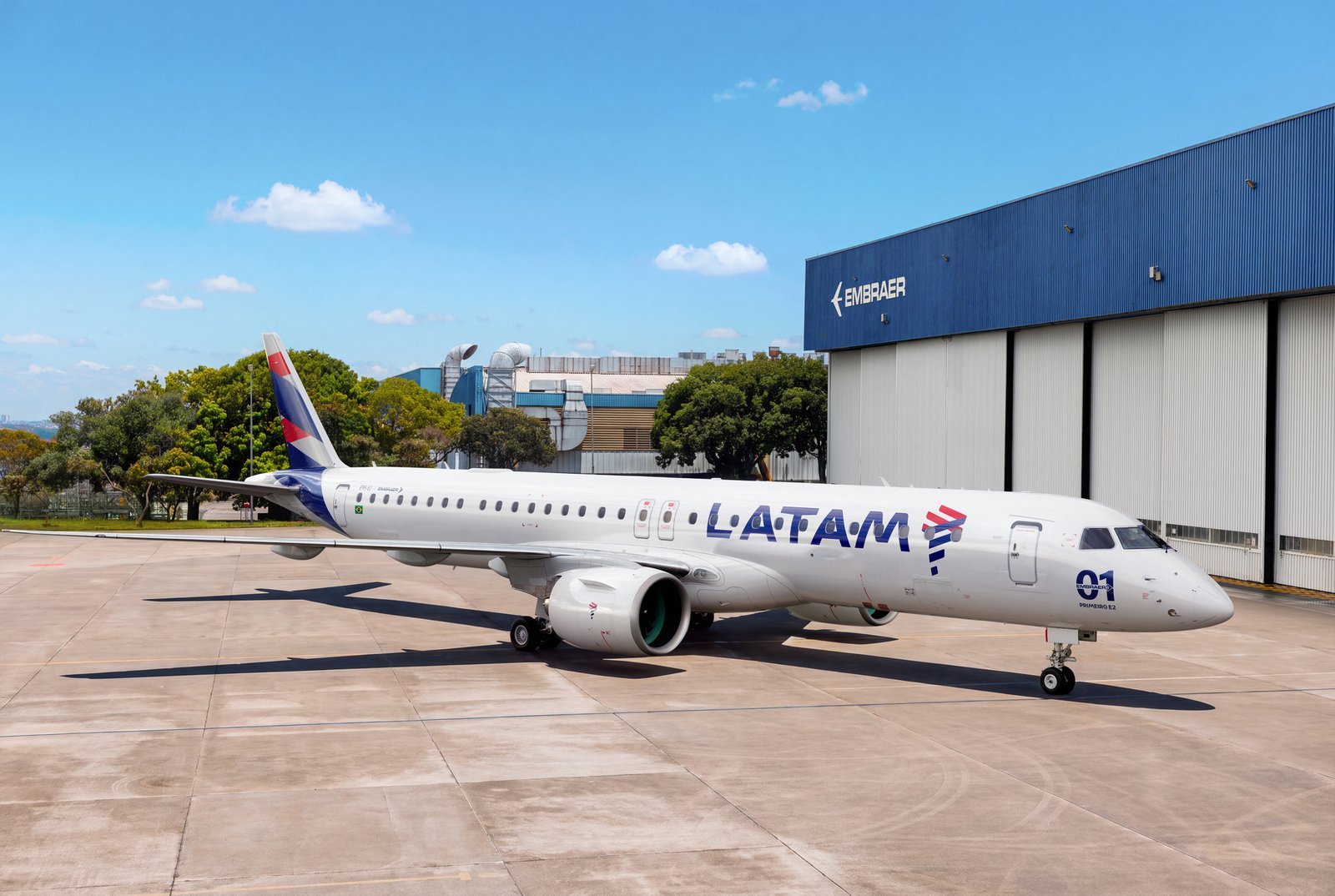
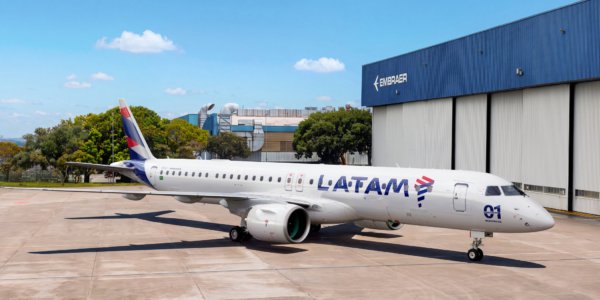
Away from the headline rivalry, Embraer made a compelling, quieter case. Its E-Jet E2 family, led by the E195-E2, attracted steady interest from airlines seeking flexibility and efficiency in regional markets.
Embraer’s pitch was simple but persuasive: build networks that match real demand rather than chase prestige routes. In a region where connectivity is expanding rapidly, right-sized aircraft may prove just as transformative as widebodies.
Beyond aircraft, another major theme of Singapore Airshow 2026 was convergence. Drones, data analytics, and smart maintenance systems were as prominent as jet engines and airframes.
The newly launched Space Summit reflected how firmly space has entered the mainstream of aerospace strategy. Governments and commercial operators alike are prioritising satellite communications, navigation resilience, and in-space capabilities. Singapore is positioning itself as a facilitator of these conversations—connecting regional innovators with global space players.
Meanwhile, staging an airshow next to one of the world’s busiest airports is itself a feat of engineering and coordination. With Changi undergoing expansion, planners worked closely with airport authorities to move static aircraft overnight, close roads, remove obstacles, and carefully manage ground routes—all without disrupting commercial traffic.
By midday on February 3, the message from Singapore was unmistakable: Asia-Pacific aerospace is diversifying, maturing, and becoming more multipolar.
Three themes dominated the narrative:
- First, growth versus constraints. Demand is booming, but manufacturing and supply chains are still catching up.
- Second, a shifting competitive landscape. Airbus remains powerful, Boeing is recalibrating, COMAC is rising, and Embraer is consolidating its niche—together creating a more pluralistic market than ever before.
- Third, the future is being written now. Sustainability, SAF, autonomy, digital aviation, and space are no longer side conversations—they are central to the industry’s trajectory.
As jets traced arcs across the Singapore sky and delegates filled the exhibition halls below, one thing was clear: Singapore Airshow 2026 is not just showcasing aerospace—it is actively shaping it.
Also Read: Why Turboprops Hold the Key to India’s Regional Aviation Growth

Ajeet Yadav is an aviation enthusiast covering airline news, airports, aircraft, and industry developments through well-researched and reliable reporting.