






Airbus at Wings India 2026: Aligning with India’s Aviation Growth


When Wings India 2026 opens its doors at Hyderabad’s Begumpet Airport from January 28 to 31, it will do so against the backdrop of one of the fastest fleet expansions in global aviation.
Indian airlines are inducting aircraft at a pace few markets can match, and Airbus arrives at the show with a message that goes well beyond the planes on display.
For the European aerospace major, Wings India has become less about showcasing products and more about signalling permanence. India is now Airbus’ largest single-aisle market by orders, a high-growth helicopter arena, and an increasingly important base for engineering, digital services, manufacturing, and supply-chain sourcing. The breadth of its presence at Wings India 2026 reflects that reality.
Once a largely domestic event, Wings India has evolved into a key industry platform where airlines, lessors, airports, regulators, MROs, financiers, and policymakers converge. Airbus’ participation mirrors that evolution. Its footprint this year is designed to show not only what it sells into India, but also how deeply it is embedded in the country’s aviation ecosystem.
On the static display apron, Airbus is aligning its aircraft portfolio with India’s operational needs.
The A321neo—now the backbone of domestic and short-haul international growth—anchors the display. It has become the aircraft of choice for Indian airlines looking to add seats without adding frequencies at slot-constrained airports such as Delhi and Mumbai. Globally, it is the most popular large single-aisle aircraft, and India is one of its most aggressive adopters.
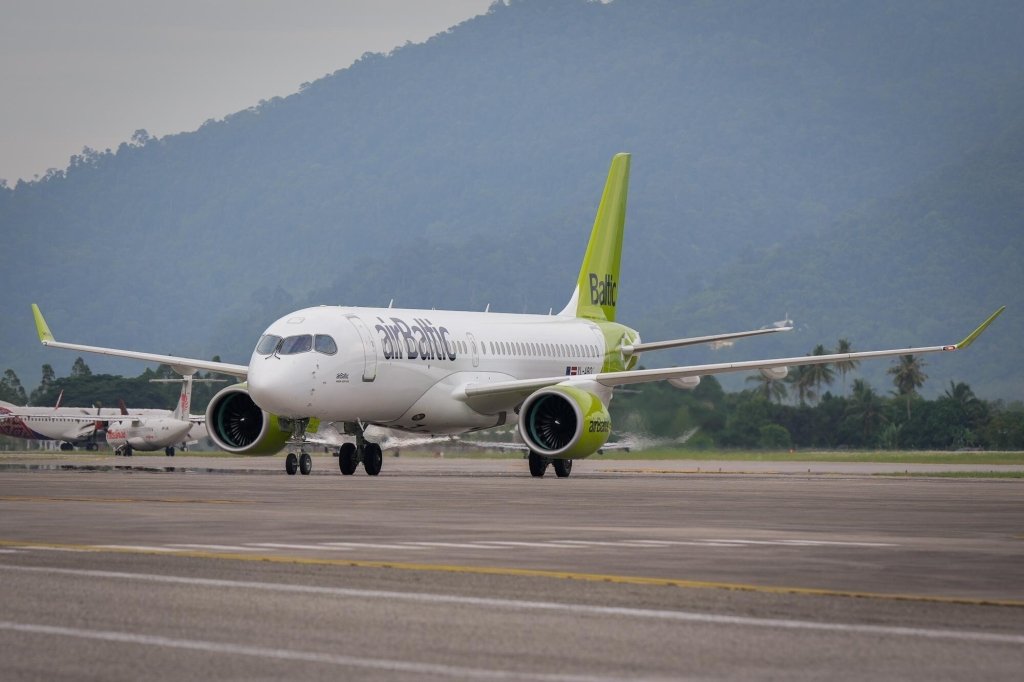
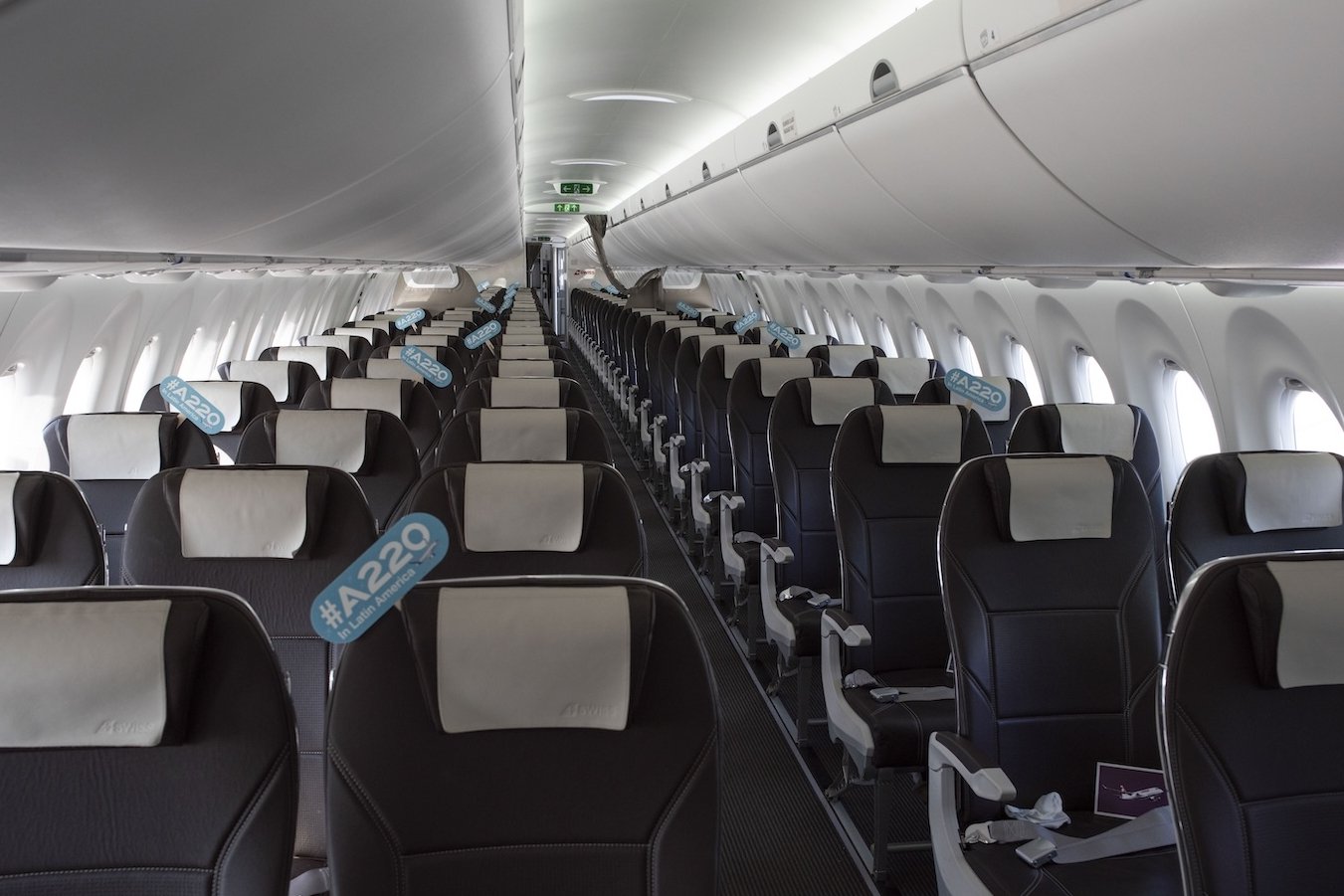
The A220 makes a deliberate appearance. Still absent from Indian fleets, it is increasingly considered a potential fit for thinner domestic sectors and short international routes where A320-class aircraft are oversized, and turboprops fall short on range, comfort, or speed. As traffic fragments and network planning becomes more granular, the A220’s economics are beginning to align with India’s next phase of route development.
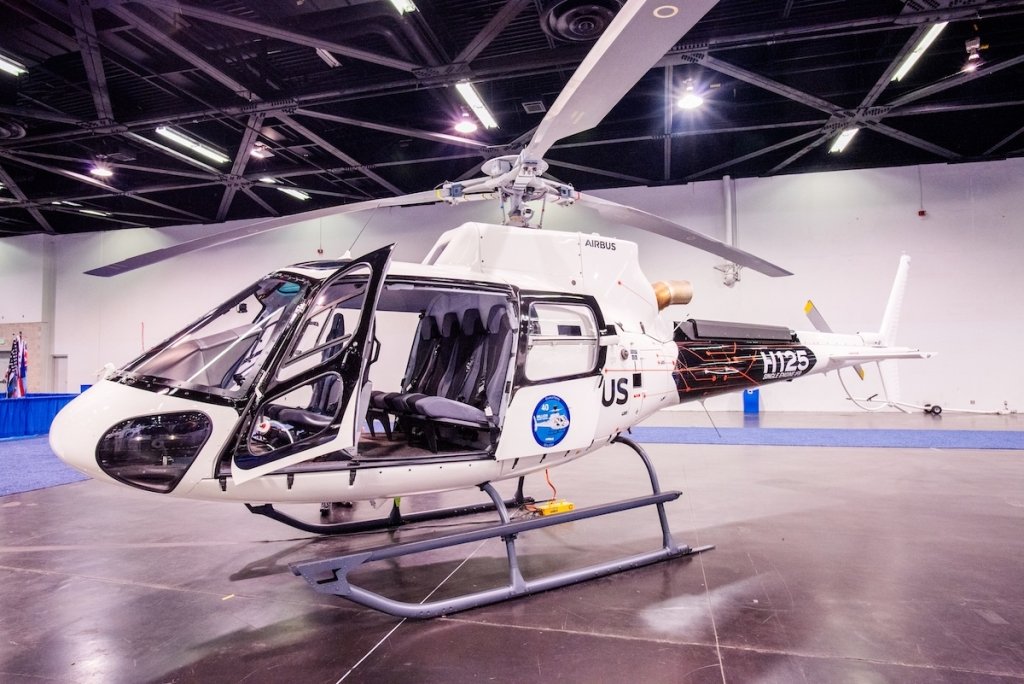
On the rotary side, Airbus Helicopters is showcasing both ends of its Indian portfolio. The H125, the world’s most widely used single-engine helicopter, is now central to Airbus’ India strategy following the start of final assembly in Vemagal, Karnataka. Local assembly is about more than optics: it brings lifecycle cost advantages, improves fleet availability, strengthens spares support, and anchors training locally.
Alongside it stands the H160, Airbus Helicopters’ newest medium twin, positioned for offshore energy, VIP, and government missions.
Its presence signals Airbus’ intent to move India steadily toward more advanced, technology-intensive rotorcraft operations.
Inside Hall A (Stand 11), Airbus’ focus shifts from aircraft to capability. Scale models of the H145 and the long-range A321XLR will underline how the manufacturer sees network evolution playing out.
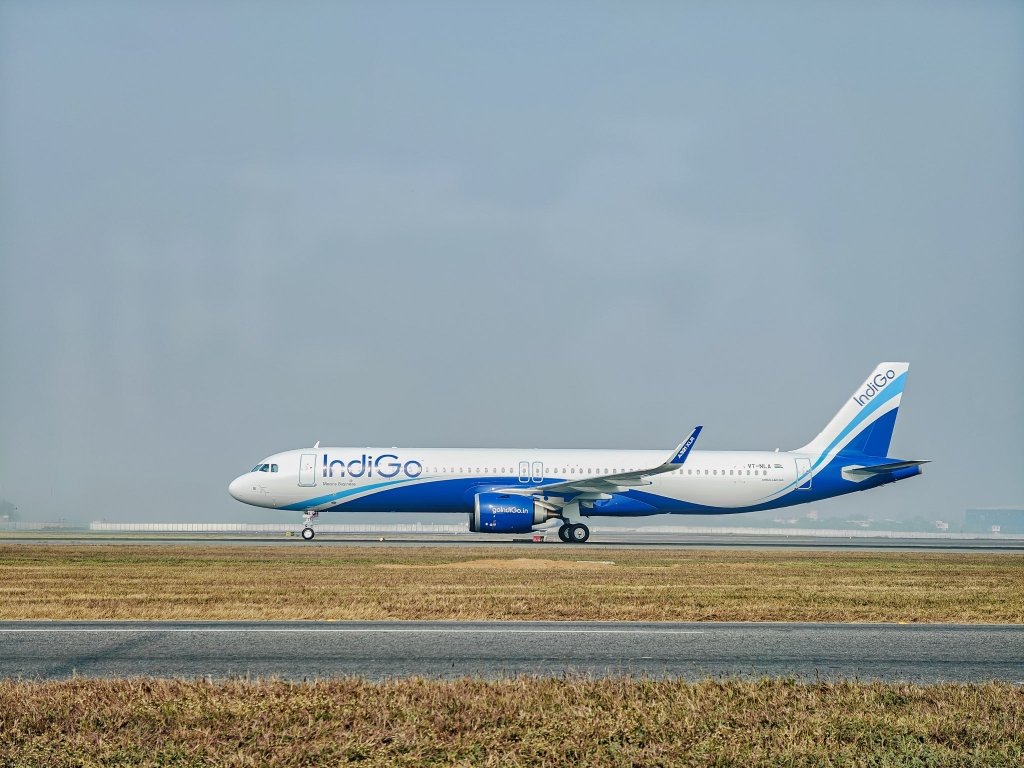
The A321XLR, in particular, is attracting close attention from Indian carriers, after IndiGo, which has received its first.
Certified and delivered to first customers in 2025, it offers more than 7,000 km of range with single-aisle economics—opening up possibilities such as India–East Africa, India–Central Asia, secondary Southeast Asian markets, and even select thin routes into Europe.
For airlines under pressure to deploy capital efficiently, it represents a fundamentally different way of thinking about long, low-density routes.
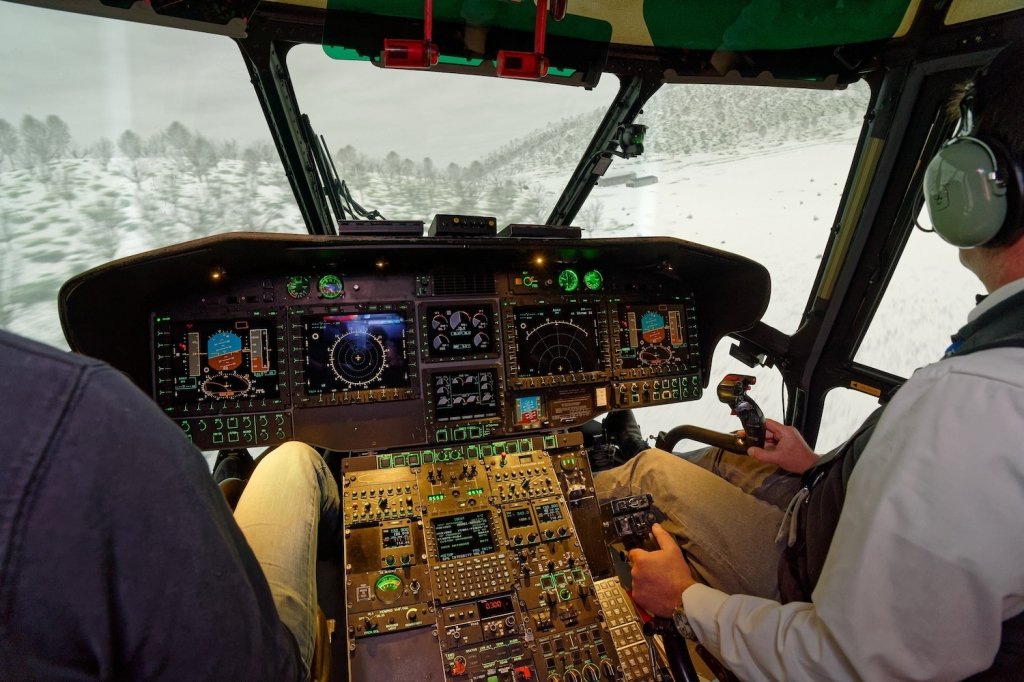
Training and workforce readiness are another recurring theme. The H125 Virtual Reality Simulator will be on display, blending real-flight dynamics with simulated environments, highlighting Airbus’ emphasis on scalable training solutions at a time when India faces looming shortages of pilots, technicians, and aircrew.
Jürgen Westermeier, President & Managing Director, Airbus India & South Asia, sums up the strategy succinctly:
“India is not just a market for Airbus—it is a place where we build. Our presence at Wings India reflects the full spectrum of our activities here, from ‘Make in India’ programmes for helicopters and military transport aircraft to our digital and engineering centres in Bengaluru. Whether it is investing in training infrastructure or sourcing over $1.5 billion worth of components and services annually from Indian suppliers, our commitment is to help build a complete aerospace ecosystem.”
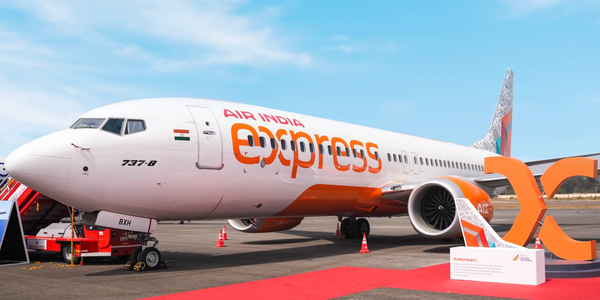
That ecosystem is already visible in the dominance of Airbus aircraft across India’s commercial fleets. The A320 family—A320ceo, A320neo, and A321neo—forms the operational backbone of IndiGo, Air India Express, and Akasa Air. Hundreds are in service, with hundreds more on order, supporting everything from high-density metro routes to expanding regional connectivity.
Beyond aircraft, Airbus will use Wings India to underline the growing importance of lifecycle services—flight operations optimisation, predictive maintenance, digital health monitoring, and training. For Indian airlines operating large fleets on thin margins, these services are becoming as critical as the aircraft themselves.
Sustainability forms the final pillar. Conversations around Sustainable Aviation Fuel, incremental efficiency gains, and longer-term hydrogen concepts are now firmly on the agenda with Indian policymakers and airlines. While SAF availability in India remains limited, Airbus’ engagement signals an intent to help shape the country’s sustainability roadmap rather than simply respond to it.
In essence, Airbus’ presence at Wings India 2026 is less about spectacle and more about alignment. The span from A220 to A321XLR, H125 to H160, supported by simulators and services, reflects an aviation market that is no longer emerging but maturing with intent.
For Airbus, the message is clear: India is not just a growth market. It is fast becoming one of the most consequential aviation stories of the coming decades—and one the company intends to be fully invested in.
Also Read: IndiGo doubles A350-900 order to 60 jets; 2027 deliveries to power long-haul push

Ajeet Yadav is an aviation enthusiast covering airline news, airports, aircraft, and industry developments through well-researched and reliable reporting.