


















India Strengthens Airport Screening After Ebola Travel Advisory

Airport News
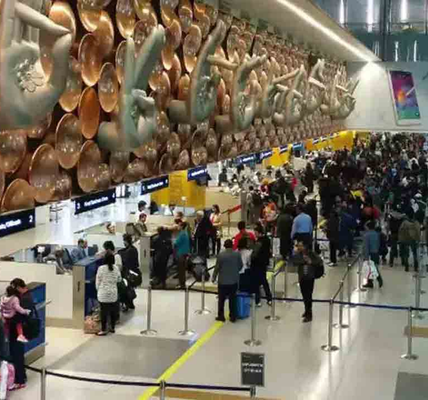
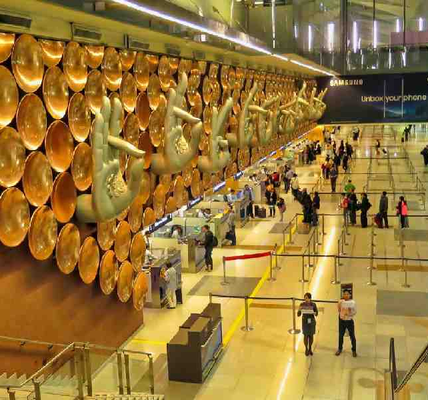
India has stepped up health surveillance at airports after issuing a travel advisory for passengers arriving from Ebola-affected countries in Africa. The move comes after the World Health Organization (WHO) declared the ongoing Ebola outbreak in parts of the Democratic Republic of Congo and Uganda a Public Health Emergency of International Concern. Authorities are now increasing screening, monitoring, and emergency preparedness measures at major airports across the country to prevent the possible spread of the deadly virus.
The government advisory mainly targets travellers coming from or transiting through countries affected by Ebola. Passengers showing symptoms such as fever, vomiting, severe weakness, headache, unexplained bleeding, or recent exposure to infected individuals are being asked to immediately report to airport health officers before immigration clearance. Officials say the aim is to detect any possible infection early and prevent the disease from spreading into communities.
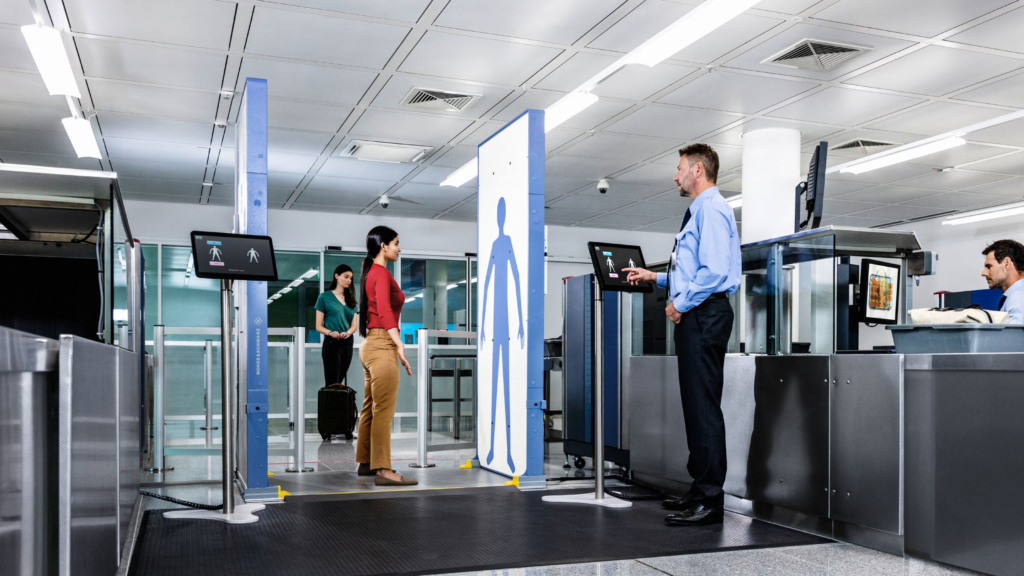
Airports have become one of the most important lines of defence during global health emergencies. Since international travel allows diseases to move quickly across borders, airport screening systems help authorities identify travellers who may require medical attention. India currently has no confirmed Ebola cases, but officials are not taking any chances and are increasing surveillance at airports as a precautionary measure.
Several airports, including Kochi International Airport, have already activated special health monitoring systems. Thermal screening, health declaration checks, travel history verification, and observation of passengers are being carried out more carefully. Authorities are also checking the 21-day travel history of passengers arriving from high-risk regions because Ebola symptoms can appear anytime between two and 21 days after exposure.
Health experts say airport screening is not only about stopping infected passengers but also about improving awareness and preparedness. During outbreaks such as SARS, Covid-19, Mpox, and Ebola, airports have played a major role in identifying possible cases and helping governments respond quickly. Early detection gives healthcare systems more time to isolate patients, begin treatment, and trace contacts.
The current Ebola outbreak has raised global concern because the Bundibugyo strain involved in the outbreak does not yet have an approved vaccine or specific cure. According to WHO reports, there have already been hundreds of suspected cases and more than 100 suspected deaths in affected African regions. Because Ebola spreads through direct contact with bodily fluids of infected individuals, strict monitoring and isolation are considered critical tools for controlling outbreaks.
Indian authorities are also reviewing quarantine protocols, hospital preparedness, and laboratory testing capabilities. The National Institute of Virology in Pune has been designated as one of the key testing centres for Ebola-related samples. Government agencies including the Integrated Disease Surveillance Programme (IDSP), the National Centre for Disease Control (NCDC), and the Indian Council of Medical Research (ICMR) are working together to strengthen the country’s preparedness.
Experts believe airport health systems today are far more advanced than before the Covid-19 pandemic. Many countries now maintain permanent surveillance systems that can be activated quickly whenever a new health threat emerges. These systems include real-time data sharing, rapid laboratory testing, contact tracing, and coordination between airports and hospitals.
However, public health specialists also warn that no airport screening system is perfect. Some infected travellers may not show symptoms while travelling, which means they can still pass through checks unnoticed. Despite this limitation, screening measures are still considered valuable because they increase public awareness, encourage self-reporting, and support faster response efforts if a case is later identified.
The Indian government has advised travellers to cooperate fully with airport health authorities and honestly disclose any recent travel history or possible exposure to infected persons. Health officials stress that transparency and quick reporting are essential for controlling outbreaks before they spread further.
India’s latest Ebola advisory reflects a broader global focus on strengthening infectious disease surveillance. With increasing international travel and rising public health risks, experts say airports will continue to play a major role in protecting countries from future outbreaks and pandemics.

Ajeet Yadav is an aviation enthusiast covering airline news, airports, aircraft, and industry developments through well-researched and reliable reporting.