













- Vidarbha, a long-overlooked region in Maharashtra, is gaining momentum as a potential aviation hub with significant infrastructure projects like Air India’s aviation academy in Amravati and the ISHAN air traffic management scheme.
- Despite its strategic advantages, the region faces challenges such as regulatory hurdles and delayed development, which could impact its growth in the aviation sector.
Vidarbha, a large but comparatively neglected region of Maharashtra, has been making the headlines lately as Air India handpicked the upcoming Amravati airport to establish South Asia’s largest aviation training academy. Why did Air India choose Amravati to build its training school? What does Vidarbha, as a region, hold in store for India’s aviation sector in a broader sense? Why was the region neglected for so long? Let us explore Vidarbha and its potential as an aviation hub in detail.
Vidarbha comprises the easternmost State of Maharashtra, with Amravati and Nagpur as its principal divisions. It has a total of 11 districts – Yavatmal, Akola, Amravati, Wardha, Buldhana, Washim, Nagpur, Chandrapur, Bhandara, Gadchiroli and Gondia. For various reasons, the region has remained backwards industrially and economically, but the picture is slowly changing. Vidarbha’s name has been in the limelight lately due to various infrastructural developments on the aviation front. Be it the upcoming airports at Amravati and Gondia or the maintenance, repair, and overhaul facilities in MIHAN (Multimodal International Cargo Hub and Airport at Nagpur- the flagship project of Maharashtra Airport Development Company Limited (MADC). Or government’s ambitious one Indian Single Sky Harmonised (ISHAN) air traffic management (ATM) scheme.
Earlier this year, the Union Minister of Road and Infrastructure Development, Nitin Gadkari, who also hails from Nagpur, stressed the strategic importance of Vidarbha by pointing out that the region has the potential to attract investments and that Gadchiroli will become the highest tax-paying district in the State in five years.
About 75% of minerals in Maharashtra come from Vidarbha, and the region has huge potential for investment in the tourism sector, which has some of India’s largest tiger reserves. If we add up all of the above together, Vidarbha does look like a prospective aviation hub. If so, why is the region still underdeveloped or developing? Is rampant corruption the reason? Or is the government simply meeting out step-child attitude towards Vidarbha. Is this picture changing now, with the change of power at the State? Let’s find out more…
What is ISHAN? Why Nagpur?
Indian Single Sky Harmonised Air Traffic Management or ISHAN – The abbreviation is self-explanatory; the Airports Authority of India (AAI), in an attempt to streamline and enhance air traffic management is planning to unify its four airspace regions – Delhi, Mumbai, Kolkata, and Chennai spanning the entire nation into one. This concept is already in use in India, in Chennai and Kolkata, where Chennai area controllers handle flights of Bengaluru, Trichy and Hyderabad while Kolkata area controllers handle flights of Bhubaneswar and Varanasi.
The Indian ATC scenario
In India, AAI is responsible for the air traffic management (ATM) service covering the Indian airspace and adjoining oceanic area of 2.8 million square nautical miles, of which 1.04 million square nautical miles are continental, and 176 million square nautical miles are oceanic. AAI controls this entire space through about four flight information regions (FIRs) along with sub-flight information regions at Guwahati. The information includes weather conditions, visibility, wind, runway obstacles, and other services like search and rescue assistance.
Interestingly, once ISHAN is implemented, the coordination of domestic flights will be handled from a single ATC point in Nagpur. The other ATCs will just need to guide the flights while landing and taking off until they reach a higher altitude.
Benefits of Unified ATC
- Efficiency in air traffic operations
- Making ATC safer and more seamless by enabling it to handle more capacity
- For airlines, it will help in increased flight handling capacity
- Reduced congestion and overall flying times leading to fuel savings
- Efficient route options
- Flexibility to flight routes, all the information, flight paths, congestions, accidents, and emergencies will be available at a single point of contact
- Reducing the workload of air traffic controllers
AAI has already invited expressions of interest (EoI) to prepare a detailed project report on ISHAN. The benefits stated in the tender are as follows;
– A single continuum FIR would yield a lot of benefits in terms of safety, efficiency, user satisfaction, reduced carbon footprint and optimum manpower utilisation.
– To have the most efficient utilisation of airspace in terms of air traffic capacity, the airspace route structure and sector boundaries are required to be restructured holistically that will benefit all stakeholders.
– The consolidation of FIRs into continuous airspace centred in Nagpur is designed to refine and bolster ATM operations in the area.
– The surveillance and communication gap areas have to be minimised to reap the benefits of the Single Sky Harmonised ATM, such as reduced separations (minimum distance that aircraft must fly apart) and fuel-efficient flight paths.
Meanwhile, a detailed study of current and forecasted air traffic growth needs to be carried out to determine the overall viability and cost-effectiveness of the project. Apart from this, there are various challenges related to managing increased air traffic. Experts believe that all of this will need uniform technology implementation, newer policies, and major changes in the existing process. This entire ambitious initiative will require time and money.
In fact, the Indian Air Force already has such a system in place that allows for a real-time view of air traffic in not only India but also neighbouring regions.
In fact, most ATC officers are waiting for the implementation of ISHAN. While speaking to a few ATC officers in the Mumbai region, it became clear that most of them are from outside Mumbai, and sustenance in big Metros is becoming difficult for them. The ATCs are ready to migrate to Nagpur provided their basic needs are taken care of.
Challenges
Nagpur’s unique and strategic central location was one of the main reasons for ISHAN’s selection of this location. However, if the idea is to have flights from across the globe, Nagpur, as a region, provides a major hindrance as the bilateral agreement clearly states that airlines from the ASEAN region cannot land in Nagpur. Hence, airlines from Brunei, Myanmar, Cambodia, Timor-Leste, Indonesia, Laos, Malaysia, the Philippines, Singapore, Thailand and Vietnam cannot operate from Nagpur cannot operate commercial flights from Nagpur due to regulatory constraints.
Airports
Nagpur
Once the single point of air traffic control is in place, the next essential prerequisite for an aviation hub is airport infrastructure development. Vidarbha has six scheduled and non-scheduled airports as of now. Nagpur, the biggest of them all, is the only international airport in the Vidarbha region. The other airports are in Yawatmal, Akola, Gondia, and Chandrapur.
Nagpur’s Babasaheb Ambedkar International Airport, situated in Sonegaon, about 8 km from Nagpur, has direct connectivity to 13 cities across India with two international destinations – Doha and Sharjah. Nagpur airport has a whooping 31 departing flights every day. However, Nagpur Airport has been shut for at least eight hours daily since March 2024, raising serious concerns about passenger woes, connectivity and lost business. The airport is being shut down for maintenance work. After receiving a rap from the Nagpur bench of the High Court, the delayed runway recarpeting work is set to be completed by May 21, 2025.
That is not all. Nagpur Airport is also facing a legal tangle, with the Supreme Court directing the MoCA to submit file notes related to the annulment of the airport’s tender process, which involved a legal battle involving AAI, GMR Group, and the Ministry.
Gondia
Another milestone airport development in Vidarbha is the Bisra Airport at Gondia—the home town of Praful Patel. The masterplan for the modernisation of Gondia airport was laid way back in 2009 when Praful Patel (now in the Ajit Pawar fraction of NCP) was the minister of civil aviation. Finally, in May 2024, the modernisation work of Gondia airport was complete with a 3,200-meter-long runway, almost the same as Nagpur airport, ready for large aircraft landing like A320s or B737s. Currently, Gondia has a single commercial flight connecting it to Hyderabad. But now, with the expanded runway, the airport is eyeing connectivity to other cities in the country.
Early this year, the Directorate General of Civil Aviation (DGCA) approved special Visual Flight Rules (VFR) for flights operating to and from Gondia.
Special VFR operations refer to operating in weather conditions where the visibility is less than the minimum visibility criteria for VFR operations, i.e. 5,000 meters. Indigo received approval for its ATR 72-600 type of aircraft for special VFR operations to and from the Gondia airport. Thus, the ATR 72-600 will now be able to take off from and land at Gondia airport in reduced visibility up to 3,200 metres, thus enhancing the availability of Gondia airport for flight operations.
It is said that the Gondia airport had ambitious plans way back in 2009 when Praful Patel was the MoCA. However, as the government at the centre and State changed, the plans never saw the light of the day, delaying the work by over a decade.
Gondia FTO
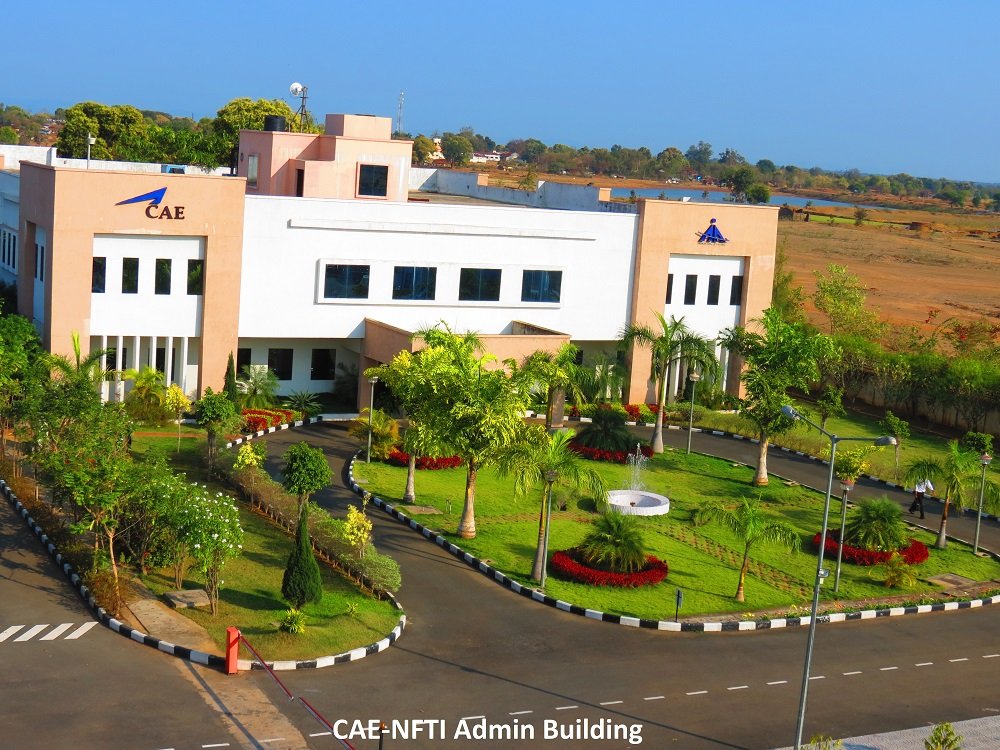
The Gondia airport also has a National Flight Training Institute, a joint venture (JV) between CAE-Gondia and AAI, recognised as India’s second-largest flying training school. The institute churns out 80-100 pilots every year. IndiGo has a tie-up with this school, which has provided hundreds of commercial pilots to the airline over the years. Apart from the Pilot training centre Gondia also has a training centre for junior executives for the post of ATC. In India, there are just three ATC training institutes – Allahabad and Goa- and the third one is in Gondia, which is equipped with a simulator and other facilities.
Amravati
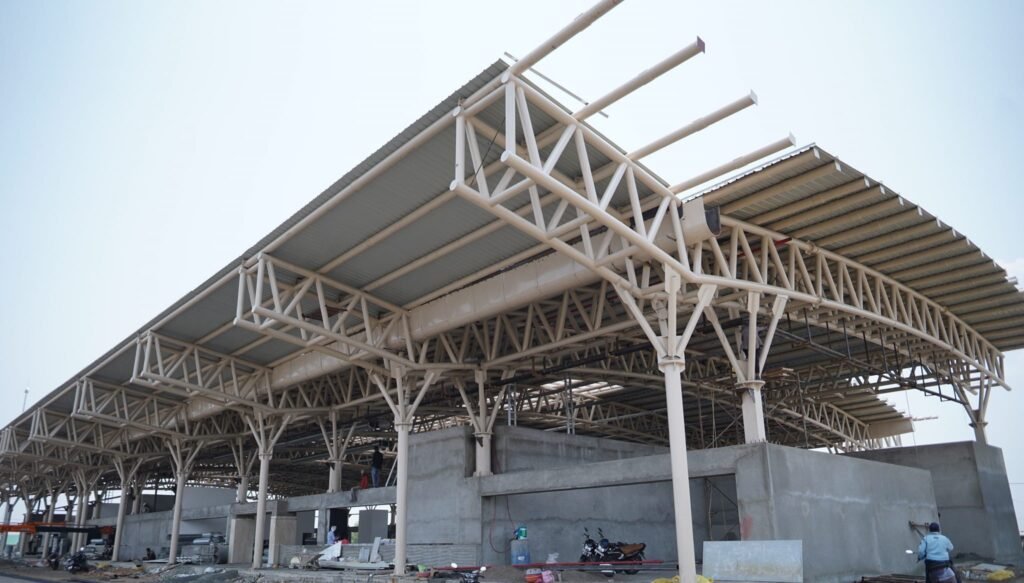
Now let’s move to the upcoming Amravati airport, scheduled to open in July 2024 but again delayed due to non-receipt of regulatory approvals. The land for the airport was acquired in 2013, but due to lack of funding, the work finally kick-started in 2019. The first phase of the airport, scheduled to open soon, has an extended runway, new apron, isolated bay taxiway and new terminal building. Night landing facilities are planned but await government approvals and funding. The airport is part of the UDAN-RCS scheme, which aims to boost regional connectivity. As the airport is set to open for commercial operations, it will enhance tourism, business, and investments in the region, leading to overall economic development. Alliance Air has already applied for the Amravati-Mumbai slot.
Other airport projects stuck in red-tape?
Gadchiroli, Chandrapur, have already received a green signal for airport development way back in 2018. But still, the basic process of land acquisition, feasibility study, airport plans, etc., are under wraps, with localities claiming massive corruption and political mileage behind the region’s negligent development in terms of air traffic. The existing Morva Airport in Chandrapur has an airstrip of 950 m, while the airport is used for non-scheduled VIPs and corporate flights. The airport was in the limelight recently as Nagpur Flying Club received the MADC’s nod to expand its training from this airstrip. Due to increased congestion at Nagpur airport, the pilot students were finding it difficult to complete their training schedules and flight hours.
Although this airport cannot be expanded due to thermal power plants and overhead power lines surrounding it, the government was planning another greenfield airport in Chandrapur. However, the Forest Advisory Committee rejected the proposal, citing the sensitive nature of the area as an important wildlife habitat.
Time and again, the development at Yawatmal and Akola airports cropped up, only to be thrown back into the shadows again. In 2023, the State-led BJP government ordered MADC to take control of five airports from Anil Ambani-led Reliance Industries, citing neglect and a complete lack of development. On the airport front, the government, AAI, MADC, and airlines are trying to develop the airport infrastructure to uplift the overall aviation ecosystem in the region.
Vidarbha’s lion’s share in the MRO sector
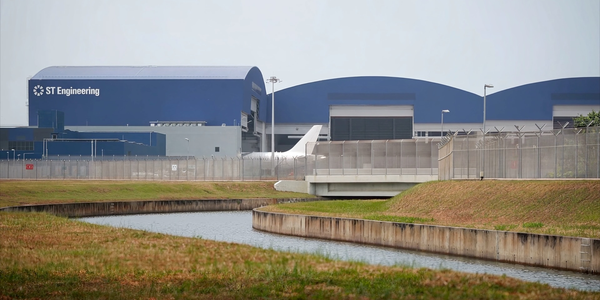
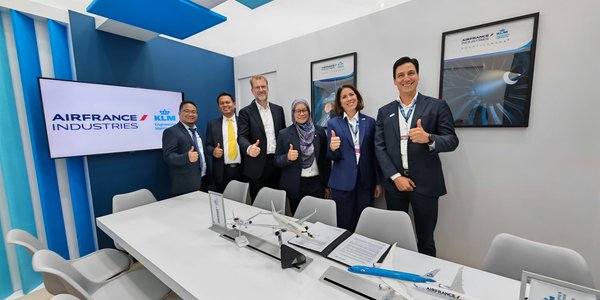
After the airports come the maintenance, repair, and overhaul (MRO) of aircraft, and Vidarbha has taken the lion’s share in the MRO development with the AI Engineering Services MRO facility at MIHAN and the AAR-Indamer-Airbus joint venture for helicopter MRO in the MIHAN SEZ region.
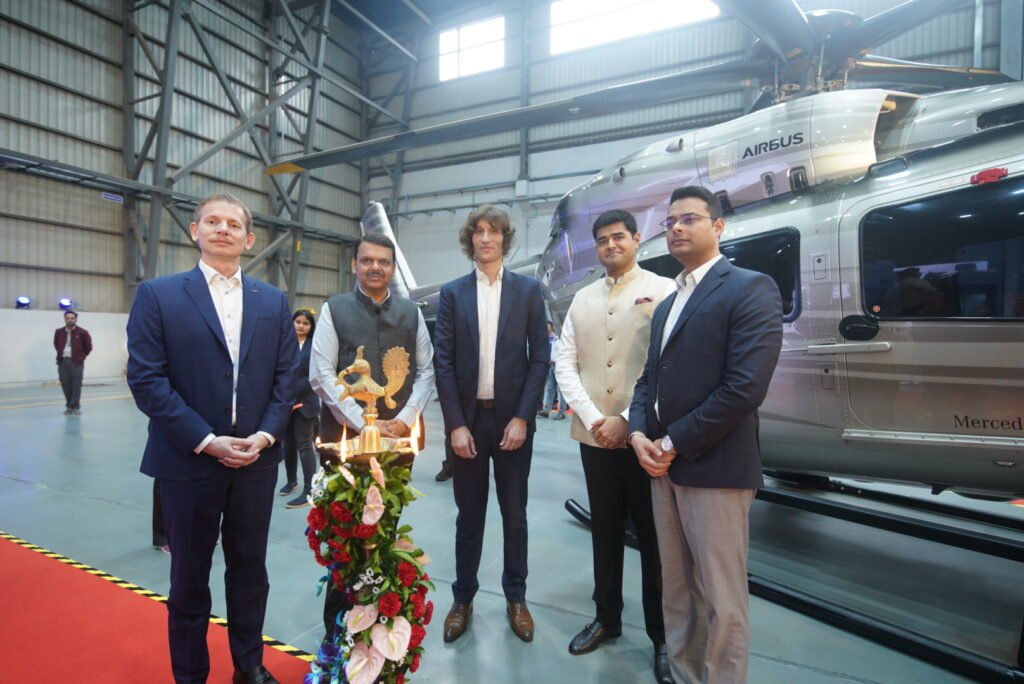
Airbus Helicopters and Indamer have come together to provide after-market services for helicopters in India, a significant boost to the development of the country’s rotary-wing MRO ecosystem. This MRO aims to provide faster servicing turnarounds and help create an efficient after-market experience for Airbus Helicopters customers not only in India but also in the wider South Asia region.
AAR Indamer Technics Pvt. Ltd is all set to double capacity at its Nagpur facility to meet the growing demand. The AAR-Indamer SEZ facility, located next to the airport, has four hangars; as part of a major revamp, the facility will build six more hangars in Phase II and Phase III with an investment of INR 550 crore. With this, the MRO plans to triple its capacity and expand its capability for widebody servicing.
Another major MRO in the MIHAN-SEZ region is the USD 100 million facility built by Boeing. Initially, Boeing was to partner with Air India and take care of the maintenance needs of Air India’s fleet in the new MRO facility. However, in 2014, after much delay, Boeing handed over the facility to Air India, citing financial constraints. Since then, the facility has been handled by AIESL (the then engineering arm of Air India).
The 50-acre MRO facility has two 100×100-metre hangars to accommodate widebodies and another 24,000 sqm area for allied work. Each hangar can house four wide-bodied and six narrow-bodied aircraft at a time.
The MRO offers A-checks (scheduled maintenance checks performed every 125 flight hours), B-checks (detailed checks on components and systems performed every 4-6 months) and C-checks (extensive checks of individual systems and components for serviceability and function conducted every 20-24 months) for an aircraft. Interestingly, the MRO received its first foreign aircraft for a comprehensive C-check last year, highlighting AIESL’s enhanced MRO capabilities.
Just adjacent to this facility is another engine MRO facility built by Air India in a JV with General Electric. This facility, too, is managed by AIESL, which is the only MRO in India to offer engine MRO capabilities as of today.
Why is Vidarbha losing out?
However, in spite of Nagpur boasting of the only SEZ connected to an airport, with a taxiway ready to link the airport to the MRO, the city lost out on a big opportunity as Air India selected Bengaluru for the whooping INR 2300 crore investment for three projects including an MRO. Nitin Gadkari had written to Tata Sons about investing in MIHAN, but ignoring the offer, the Group chose Bengaluru. Other OEMs like Safran also chose Hyderabad over MIHAN for its engine MRO setup.
This led to some serious concerns about various companies’ disinterest in MIHAN despite its central location. In the MIHAN SEZ, the MRO taxiway is not part of the operational area. This requires planes to be towed, taking 6 hours for security arrangements. Besides, there are several safety hazards that prevent companies from investing in the region.
MIHAN, a JV between MADC and MIL (Mihan India Limited), was developed as a multimodal International Cargo Hub and Airport at Nagpur. The aim was to establish Nagpur as a centralised cargo hub. However, disappointing facts emerge: Nagpur recorded a 60% decline in total cargo tonnage for the year ending March 2024.
All the above reasons are a major challenge to Nagpur’s development as an aviation hub.
But all hope is not lost. MIHAN, the massive and ambitious project, was envisioned to place Nagpur on the map of the world, but its viability is being questioned now. Around 400 acres of land in MIHAN has been reserved for the aviation sector. The government is in talks with various overseas aerospace companies to invest in MIHAN.
Nagpur has outstanding Engineering colleges. MIHAN will provide an excellent opportunity for fresh graduates to apply to companies in MIHAN.
South Asia’s largest FTO
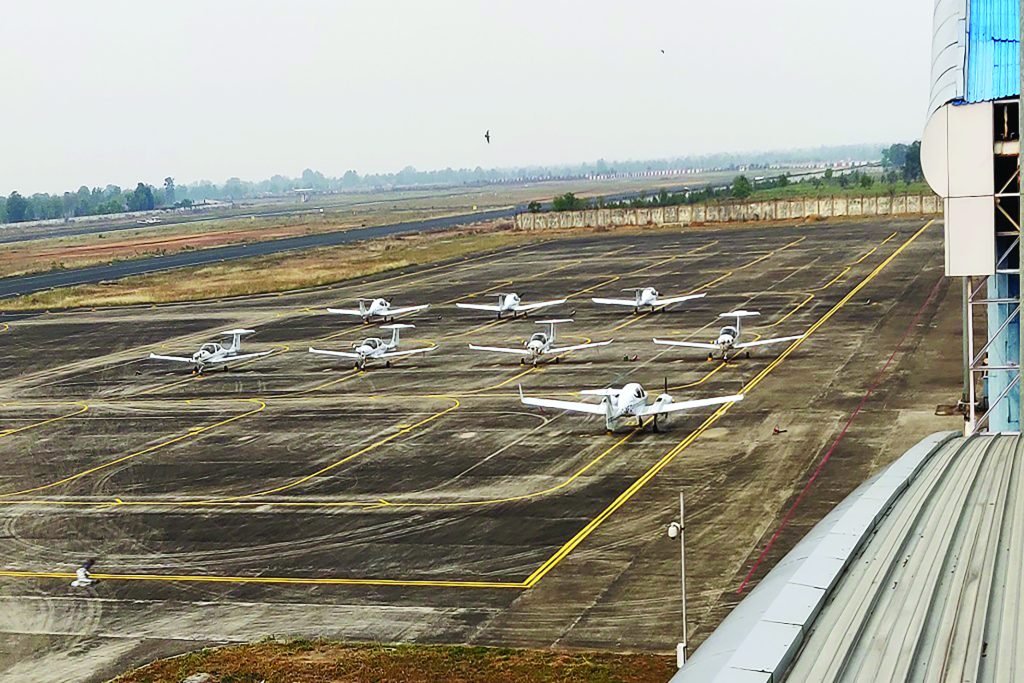
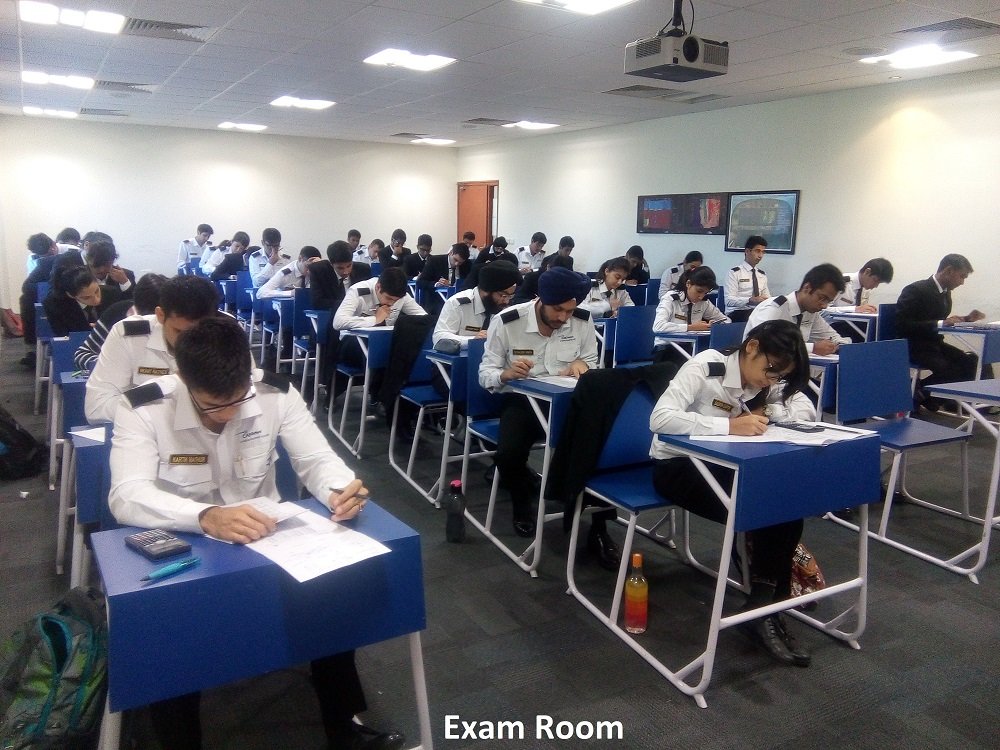
Although Air India might have rejected Nagpur’s proposal to set up an MRO facility, it selected the region to establish one of South Asia’s largest flight training institutions. In partnership with MADC, Air India’s FTO will be based in the upcoming Bellora airport in Amravati. Apart from boasting world-class flying infrastructure, the institute will also be the first one established by an airline. The FTO will be fully functional by 2026.
This initiative aims to significantly transform India’s aviation industry, which is currently facing pilot shortages. This is expected to generate over 3,000 jobs in the aviation sector, leading to the region’s overall prosperity. According to Swati Pandey, Vice Chairman & Managing Director of MADC, in a couple of years, many people will be flying in aircraft piloted by individuals trained in Amravati. This FTO is close to the adjacent Gondia FTO, with both training institutes filling a huge gap of potential pilots, meeting the rising demand for commercial pilots in India and across Southeast Asia.
Defence Final Assembly line (FAL)
Dassault and Reliance Aerospace (DRAL) have come together to commence the production of Falcon business jets in Nagpur, Maharashtra, by 2025. The initial production capacity is slated for 18 aircraft per year, with a potential expansion to 22. This facility has so far been used for manufacturing components for Rafale fighter jets, with the first cockpit assembly of Falcon 2000 delivered in 2019.
The French Defence Ministry has placed an order for nine jets, and It is expected to deliver the initial jets rolling out from this facility. Falcon jets are in demand among charter operators in India.
Conclusion
Overall, Vidarbha has a sure-shot recipe for becoming an aviation hub with major MROs, upcoming airports, unified ATC, and upcoming pilot and engineering institutes. But is this enough? Certainly not! The ministry and government need to give special attention to the State, which could emerge as a huge aviation hub for India, attracting overseas industries and investments and helping nurture our PM’s make-in-India dream.
Let’s hope that Nagpur’s ambitious MIHAN project, along with various FTOs and MROs, gives the city its much-needed boost and creates Vidarbha into an aerospace MRO hub not just for India but the world.
Swati Ketkar is an aviation journalist and writer who freelances for various domestic and international publications. Although she covers stories across the aviation spectrum, her main focus and area of expertise is MRO.