








China National Aviation Corporation Flight 140 Crash December 25, 1946
China National Aviation Corporation (CNAC) Flight 140 was involved in a tragic aviation accident on December 25, 1946, in Shanghai, China. The flight was being operated by CNAC, one of the most important airlines in China at that time. The aircraft was a Douglas DC-3, a type that had become very common after World War II.
Flight 140 was traveling from Chongqing to Shanghai, with planned stops along the way. On the final part of the journey, the aircraft encountered extremely poor visibility caused by fog and bad weather. The crew tried several times to land at different airports, but the weather and navigation problems made the flight increasingly difficult.
The aircraft eventually crashed near Longhua Airport in Shanghai. Of the 30 people aboard, 19 were killed and 11 survived. The accident was one of three major aircraft crashes in Shanghai on Christmas Day in 1946. Together, these accidents became known as the Black Christmas disaster.
China National Aviation Corporation
The China National Aviation Corporation, commonly called CNAC, was an important airline in Chinese aviation history.
CNAC had been established before World War II and operated passenger, mail, and cargo services across China. During the war, the company also supported important transportation operations.
China was a very large country, and traveling by road or railway could take a long time. Air transportation provided an important way to connect major cities.
After World War II ended in 1945, CNAC began expanding its civilian operations again. Many aircraft that had been used for military transportation during the war were now being used for commercial flights.
However, the post-war aviation system had many problems. Airports needed improvements, navigation equipment was limited, and aircraft maintenance was sometimes difficult.
These problems became especially serious when weather conditions were poor.
The Douglas DC-3
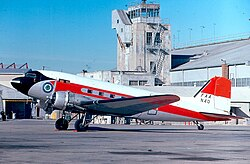
The aircraft involved in Flight 140 was a Douglas DC-3, one of the most famous aircraft in aviation history.
The DC-3 was a twin-engine aircraft that could carry passengers and cargo. During World War II, its military versions were widely used by Allied forces.
After the war, large numbers of military transport aircraft became available for civilian use.
The DC-3 was popular with airlines because it was strong, reliable, and relatively easy to operate.
However, the aircraft still depended heavily on its pilots and ground navigation systems.
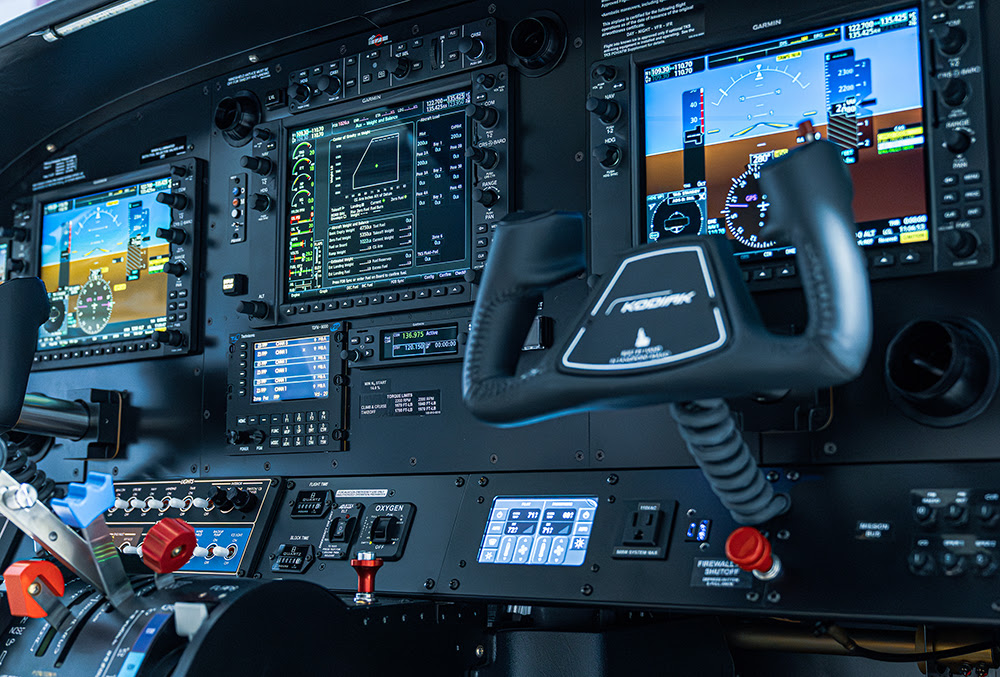
It did not have the modern equipment that today’s aircraft use.
There was no GPS, no satellite navigation, and no modern computerized flight-management system.
When weather became poor, pilots had to depend on radio navigation, instruments, maps, and instructions from ground controllers.
The Flight From Chongqing
Flight 140 began at Shanhuba Airport in Chongqing.
The aircraft departed at approximately 10:15 a.m. on December 25, 1946.
The planned journey included stops at Wuchang and Nanjing before the aircraft continued to Shanghai.
The aircraft reached the Wuhan area at about 3:00 p.m.
At Wuhan, the crew received information that visibility around Shanghai was poor.
The weather information was important because the crew needed to decide whether to continue toward Shanghai or wait for conditions to improve.
Despite the warnings, the flight continued.
Weather in Shanghai
The weather around Shanghai became extremely poor that day.
A warm front was approaching the area, producing dense fog and very low visibility.
The weather service at Longhua had warned that conditions were expected to become unsuitable for aircraft landing.
Longhua Airport had actually been closed because of the poor weather earlier in the day. Only a small number of staff remained at the airport.
However, several aircraft were already traveling toward Shanghai.
Flight 140 was one of them.
The crew therefore faced a difficult situation.
They had already traveled a long distance, but the destination airport was experiencing weather conditions that made landing extremely difficult.
The Attempt to Land at Nanjing
Before reaching Shanghai, Flight 140 attempted to land at Ming Palace Airport in Nanjing.
The crew made three attempts to land.
None of the attempts was successful.
The weather was deteriorating, and the crew eventually decided to continue toward Shanghai instead.
This decision placed the aircraft in an increasingly difficult situation.
The crew now had limited fuel remaining and had already spent considerable time attempting to find a suitable airport.
Arrival Near Shanghai
When Flight 140 reached the Shanghai area, the crew attempted to use Ground Controlled Approach (GCA) equipment at Jiangwan Airport.
GCA was an important navigation and landing system that allowed ground controllers to guide an aircraft toward the runway, particularly when visibility was poor.
However, the system was not working perfectly.
The aircraft’s radio equipment experienced problems associated with low voltage, making communication and guidance more difficult.
The aircraft remained in the area for an extended period while the crew tried to complete the approach.
The situation became increasingly dangerous.
Circling Over Shanghai
Flight 140 reportedly spent a long time circling while attempting to land.
The crew was trying to find a way to safely reach the runway.
However, the poor visibility made visual navigation extremely difficult.
The GCA system was also not providing reliable assistance.
The aircraft could not safely complete the landing at Jiangwan.
Eventually, the crew was authorized to divert toward Longhua Airport.
This was a difficult decision because Longhua was also affected by the bad weather.
Longhua Airport
Longhua Airport was one of Shanghai’s important airports at the time.
Because the weather had improved slightly, the airport was being used by aircraft arriving in the area.
Airport personnel were aware that Flight 140 was approaching.
Senior CNAC employees, firefighters, ambulances, doctors, and police were prepared for the possibility of an emergency.
The preparation was important because everyone understood that the approaching aircraft had already experienced serious difficulties.
The aircraft had been flying for a long time and had spent considerable time attempting to land.
The Final Approach
At approximately 9:00 p.m., Flight 140 attempted to land at Longhua.
The crew was operating in very poor visibility.
The aircraft was low and close to the airport.
The pilots were trying to line up with the runway.
However, the aircraft did not reach the runway safely.
It crashed approximately 1.6 kilometers southwest of Longhua Airport.
The aircraft struck the area around the River Pagoda Temple, where a school was located.
The impact caused severe damage.
The Crash
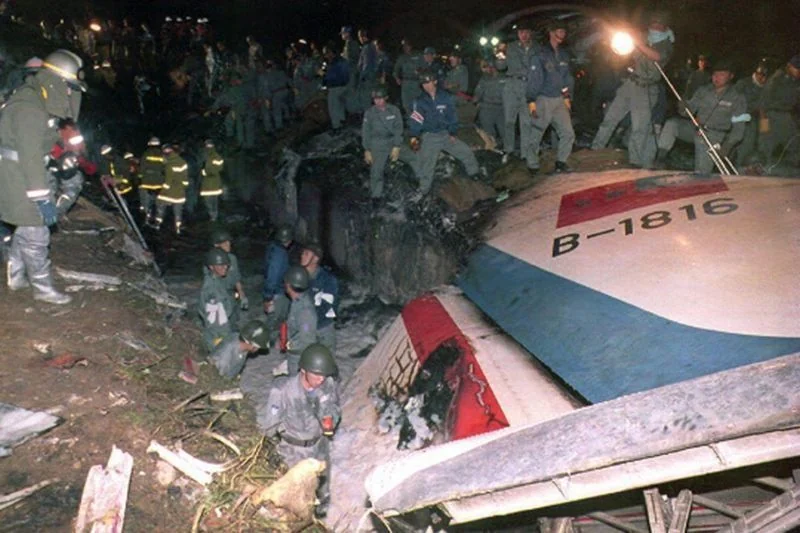
The crash happened at approximately 9:30 p.m.
The aircraft struck the ground near the temple and school.
The accident caused a major emergency.
People living nearby heard the crash and rushed toward the scene.
Local residents immediately began helping the injured.
The location of the crash meant that people nearby could reach the aircraft before some official rescue teams.
The accident was particularly tragic because the aircraft had been carrying passengers who had already survived several unsuccessful landing attempts.
Rescue Operation
Rescue workers quickly went to the crash site.
CNAC’s medical personnel, airport firefighters, police officers, and local residents worked together to help the survivors.
The weather made the rescue operation difficult.
The area was wet and cold, and some people had fallen into or near water.
Several survivors were taken to Zhongshan Hospital.
The rescue continued through the night and into the early hours of December 26. Of the 30 people aboard, 11 survived.
However, 19 people died.
The deaths included passengers and members of the flight crew.
The Three Christmas Day Crashes
The tragedy involving Flight 140 was not an isolated accident.
On the same day, December 25, 1946, two other aircraft also crashed in the Shanghai area.
These included:
- Central Air Transport Corporation Flight 48
- China National Aviation Corporation Flight 140
- China National Aviation Corporation Flight 115
All three accidents were connected to the extremely poor weather conditions around Shanghai.
Because several aircraft were lost on the same day, the event became known as the Black Christmas disaster.
The series of accidents became one of the most serious aviation disasters in China’s history.
Problems With Aviation Infrastructure
The Flight 140 accident also revealed weaknesses in China’s aviation infrastructure.
Navigation and landing systems were not as advanced as those used today.
The GCA system at Jiangwan had problems, and reports from the period indicate that the system was affected by unreliable power and was not always operational.CNAC’s chief pilot, William McDonald, had already expressed concerns about aviation safety.
He wanted pilots to receive better training in the use of GCA equipment.
However, only a small number of pilots had completed GCA landing practice by the end of 1946.
These problems became especially serious when several aircraft arrived during very bad weather.
The Role of Fuel
Fuel was another important concern.
Flight 140 had already spent a considerable amount of time flying and attempting landings.
The aircraft had traveled from Chongqing and had made several unsuccessful landing attempts.
It then spent a long period circling near Shanghai.
Long periods of holding and repeated approaches consume fuel.
The crew therefore faced increasing pressure to find a place to land.
Modern aviation procedures place strong emphasis on fuel reserves and diversion planning.
Pilots must ensure that enough fuel remains to reach an alternative airport if the destination becomes unusable.
Human Factors
The accident also shows the importance of decision-making in aviation.
The crew had to make difficult choices:
- Should they continue toward Shanghai?
- Should they divert?
- Should they wait for better weather?
- Could the aircraft land safely using GCA?
- How much fuel remained?
These decisions had to be made under pressure.
The crew was dealing with bad weather, unreliable navigation assistance, and a long flight.
Modern aviation places great emphasis on crew resource management and decision-making because pilots often have to make important choices when conditions change rapidly.
The Investigation
After the crash, authorities investigated the accident and the wider events of December 25.
The investigation considered the weather, airport facilities, navigation equipment, aircraft operations, and decisions made by the crews.
The extremely poor visibility was identified as a major factor in the accidents.
The Christmas Day disasters also created public concern about the safety standards of Chinese airlines.
The accidents led to demands for improvements in airport facilities and aviation regulation.
Improvements After the Disaster
The tragedy created pressure for changes at Shanghai’s airports.
Longhua Airport underwent reconstruction and improvements after the accidents.
A new air station was later established to manage domestic civil aviation flight dispatching.
The accidents also encouraged greater attention to:
- Weather forecasting
- Airport facilities
- Navigation equipment
- Pilot training
- Radio communication
- Emergency services
- Aircraft maintenance
- Safe diversion procedures
These improvements were important as China’s commercial aviation system continued to develop.
The Human Cost
The technical details of Flight 140 are important, but the human cost is the most tragic part of the story.
Thirty people were aboard the aircraft.
Nineteen lost their lives.
Eleven survived.
Every passenger had family members, friends, and people waiting for them.
The accident happened on Christmas Day, which made the tragedy even more painful for the families involved.
Instead of being a normal holiday, December 25 became a day of mourning for many people.
Legacy of Flight 140
China National Aviation Corporation Flight 140 became an important example of the dangers of operating aircraft in severe weather without reliable landing systems.
The accident also showed how several smaller problems can combine to create a major disaster.
The aircraft itself was a proven design.
The crew was experienced.
The airport had emergency personnel ready.
Yet the combination of fog, poor visibility, unsuccessful approaches, navigation difficulties, equipment problems, and limited fuel created an extremely dangerous situation.
Modern Aviation Safety
Today, an aircraft approaching Shanghai would have access to technology that was unimaginable in 1946.
Modern aircraft use satellite navigation, advanced instruments, weather radar, digital charts, and sophisticated communication systems.
Airports use precision approach systems that can guide aircraft safely toward runways even in very poor visibility.
Pilots are also trained to divert early when the destination airport becomes unsuitable.
Aircraft carry enough reserve fuel to allow crews to wait or fly to an alternate airport.
These systems greatly reduce the risks that affected Flight 140.
Conclusion
The China National Aviation Corporation Flight 140 accident of December 25, 1946, was one of the three major aircraft crashes that occurred around Shanghai on the same day. The tragedy became known as the Black Christmas disaster.
Flight 140 was a Douglas DC-3 flying from Chongqing to Shanghai, with planned stops along the way. The aircraft encountered increasingly poor weather and failed to land at Nanjing. It later attempted to use the GCA system at Jiangwan Airport, but communication and equipment problems made the approach unsuccessful. After further attempts and prolonged circling, the aircraft diverted to Longhua Airport.
At approximately 9:30 p.m., the aircraft crashed near Longhua Airport. Nineteen of the 30 people aboard were killed, while 11 survived.The accident showed the dangers of poor weather, limited navigation equipment, inadequate landing facilities, and difficult decision-making. It also encouraged improvements to Shanghai’s aviation infrastructure and helped highlight the need for better safety standards.
The story of Flight 140 remains an important part of aviation history. It reminds us that good weather information, reliable navigation equipment, sufficient fuel, proper pilot training, and the willingness to divert are all essential for safe flight.

Ajeet Yadav is an aviation enthusiast covering airline news, airports, aircraft, and industry developments through well-researched and reliable reporting.