








TWA Flight 6963 Crash December 28, 1946
TWA Flight 6963 was involved in a tragic aviation accident on December 28, 1946, near Shannon Airport in Ireland. The aircraft was operated by Trans World Airlines (TWA) and was flying an international passenger service. The accident happened only a few years after the end of World War II, when international commercial aviation was beginning to expand rapidly.
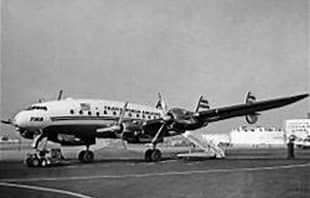
The aircraft involved was a Lockheed L-049 Constellation, one of the most advanced passenger aircraft of its time. The Constellation was designed for long-distance flights and had become an important symbol of the new era of international air travel.
Flight 6963 was approaching Shannon when the aircraft crashed. The accident caused fatalities and injuries and became an important event in the early history of the Constellation and post-war commercial aviation.
Trans World Airlines
Trans World Airlines, commonly known as TWA, was one of the major American airlines of the twentieth century.
The airline had operated domestic services in the United States before expanding into international routes.
After World War II, TWA was preparing to become a major international airline.
The company introduced modern aircraft and began operating long-distance services between North America and Europe.
The Lockheed Constellation was especially important to TWA’s plans.
The aircraft offered greater speed, range, and passenger comfort than many earlier airliners.
However, the Constellation was a new aircraft design, and pilots and maintenance crews were still becoming familiar with its systems.
The Lockheed Constellation
The aircraft involved in the accident was a Lockheed L-049 Constellation.
The Constellation was one of the most distinctive aircraft of the period.
It had a triple-tail design and a pressurized passenger cabin.
Pressurization allowed passengers and crew to fly at higher altitudes where the air was thinner and colder.
The aircraft was powered by four piston engines.
It was designed for long-distance passenger transportation and represented a major technological step forward.
TWA placed great importance on the Constellation because it could operate long international routes more quickly than many older aircraft.
The Flight
TWA Flight 6963 was operating an international passenger service on December 28, 1946.
The aircraft was traveling toward Shannon, one of the most important aviation stops on the North Atlantic route.
Shannon had become a major refueling and transit point for aircraft crossing the Atlantic.
During the early years of long-distance commercial aviation, aircraft often needed to stop for fuel before continuing across the ocean.
Shannon’s location on the western edge of Europe made it particularly useful.
Flight 6963 was therefore part of the growing international air transportation system that connected North America and Europe.
Approach to Shannon
As Flight 6963 approached Shannon, the crew prepared for landing.
Approaches were more difficult in the 1940s than they are today.
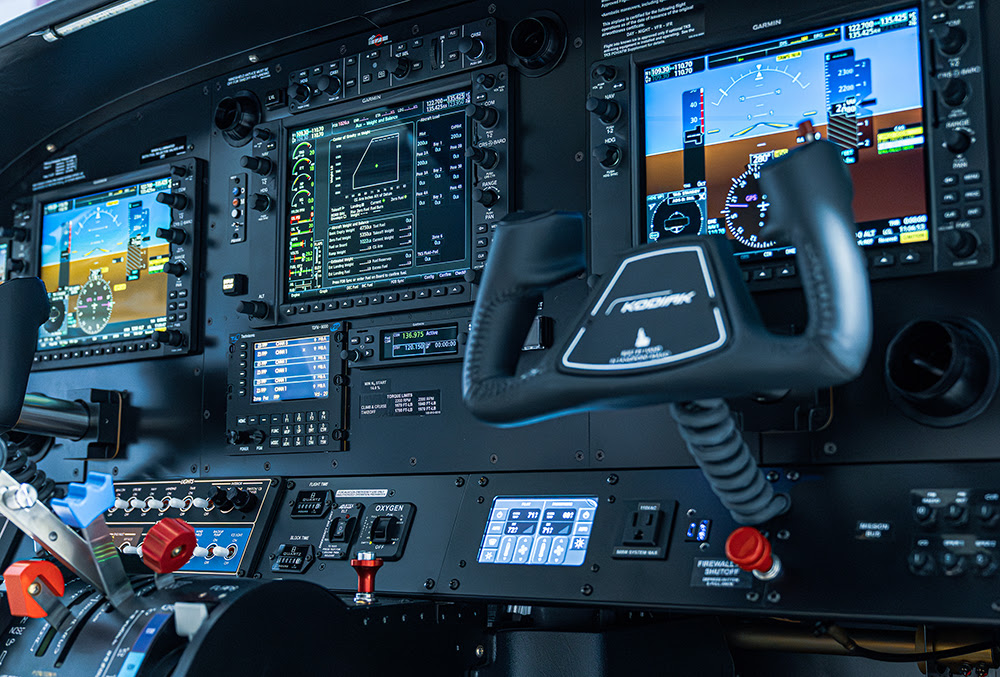
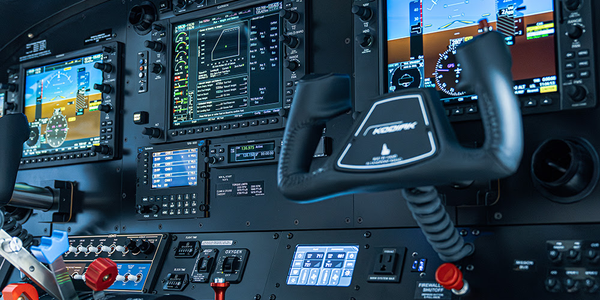
Modern aircraft can use highly accurate navigation systems, satellite positioning, instrument landing systems, and advanced flight-management computers.
Pilots in 1946 depended on radio navigation equipment, magnetic compasses, aircraft instruments, and ground-based navigation aids.
The crew had to carefully monitor their position and altitude.
The final approach required accurate control of the aircraft.
The Accident
During the approach to Shannon, the aircraft experienced difficulties.
The Constellation did not maintain the expected flight path and eventually crashed near the airport.
The accident caused severe damage to the aircraft.
People on the ground and airport personnel responded to the emergency.
Rescue workers reached the crash site and began helping the people aboard.
The accident resulted in fatalities, while other occupants survived with injuries.
The event attracted significant attention because the Constellation was a new and highly advanced aircraft.
A New Aircraft Type
The accident occurred during the early introduction of the Lockheed Constellation into airline service.
New aircraft often require pilots and maintenance personnel to learn new systems and procedures.
The Constellation was much more sophisticated than many aircraft that pilots had previously flown.
Its pressurization system, four-engine arrangement, and complex cockpit required careful training.
Pilots had to understand the aircraft’s performance during takeoff, cruise, descent, and landing.
Any unfamiliarity with the aircraft could increase workload during a difficult situation.
Navigation in the 1940s
Navigation technology was improving rapidly, but it was still limited compared with modern systems.
Pilots used radio beacons and other ground-based navigation aids.
They also used charts and calculations to determine their position.
A technique called dead reckoning was often used.
The pilot estimated the aircraft’s position using heading, speed, time, and wind.
This method could become inaccurate if the wind or aircraft speed differed from the estimates.
During an approach, even a relatively small navigation error could become dangerous.
Modern satellite navigation has greatly reduced these problems.
Weather Conditions
Weather was another major concern for aircraft approaching Shannon.
Ireland is well known for changeable weather, including rain, clouds, fog, and strong winds.
In 1946, pilots had fewer tools for predicting and monitoring weather.
Weather forecasts were based largely on observations from ground stations.
There was no satellite imagery.
Weather radar was not available in the modern form used today.
Pilots therefore had to make decisions based on the information they received before and during the flight.
Poor visibility could make an approach much more difficult.
The Role of Shannon Airport
Shannon was an important international aviation center.
The airport had been developed during World War II and was well positioned for transatlantic flights.
After the war, it became an important stop for commercial aircraft traveling between Europe and North America.
Large numbers of aircraft were beginning to use the airport.
This created the need for reliable navigation and communication systems.
Flight crews arriving from long flights also needed accurate information to complete their approaches safely.
The Investigation
Following the accident, authorities examined the aircraft and the circumstances of the crash.
Investigators considered several possible causes.
These included:
- Aircraft mechanical condition
- Navigation
- Weather
- Pilot actions
- Aircraft performance
- Approach procedures
- Airport facilities
Because the accident involved a relatively new aircraft type, investigators also examined the design and systems of the Constellation.
Accident investigations were extremely important during the early post-war period.
The aviation industry was introducing new aircraft at a rapid pace.
Any accident involving a new aircraft could reveal problems that might not have been discovered during testing.
Importance of Pilot Training
One important lesson from early Constellation operations was the need for specialized pilot training.
A large four-engine aircraft behaved differently from smaller twin-engine aircraft.
Pilots had to manage four engines, fuel systems, propellers, electrical systems, hydraulics, and pressurization.
During landing, they also had to control the aircraft carefully while monitoring many instruments.
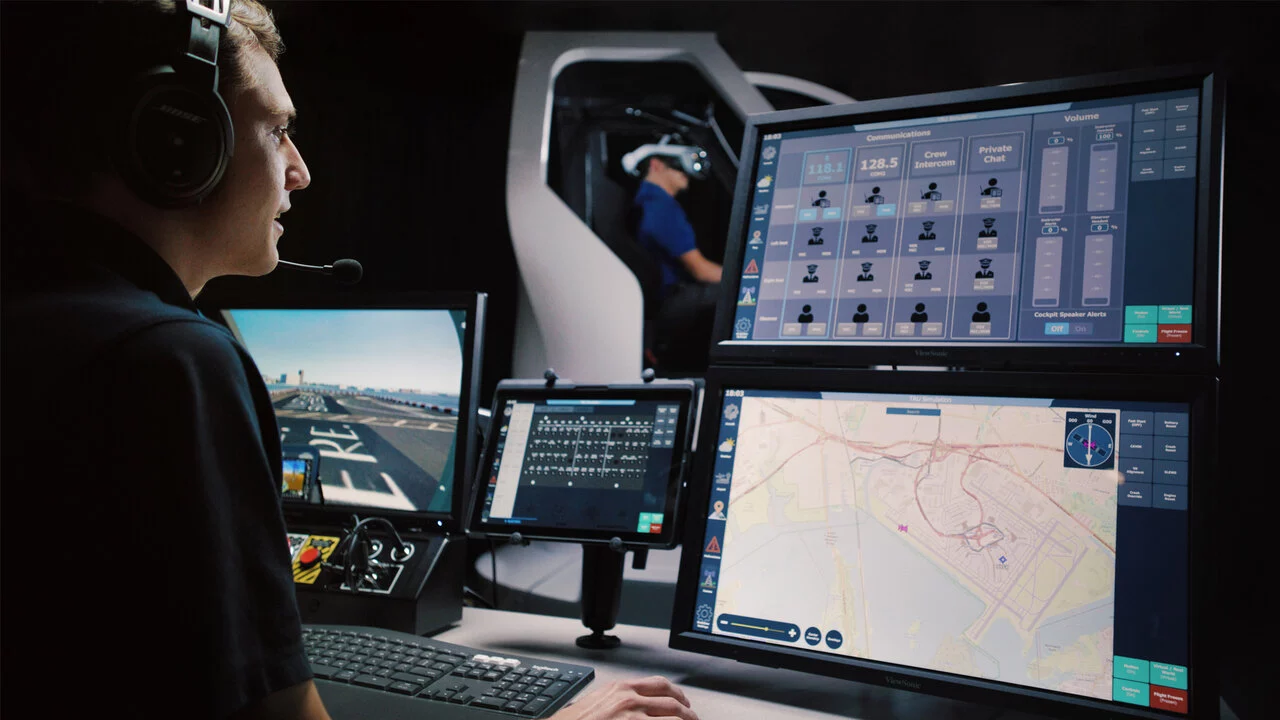
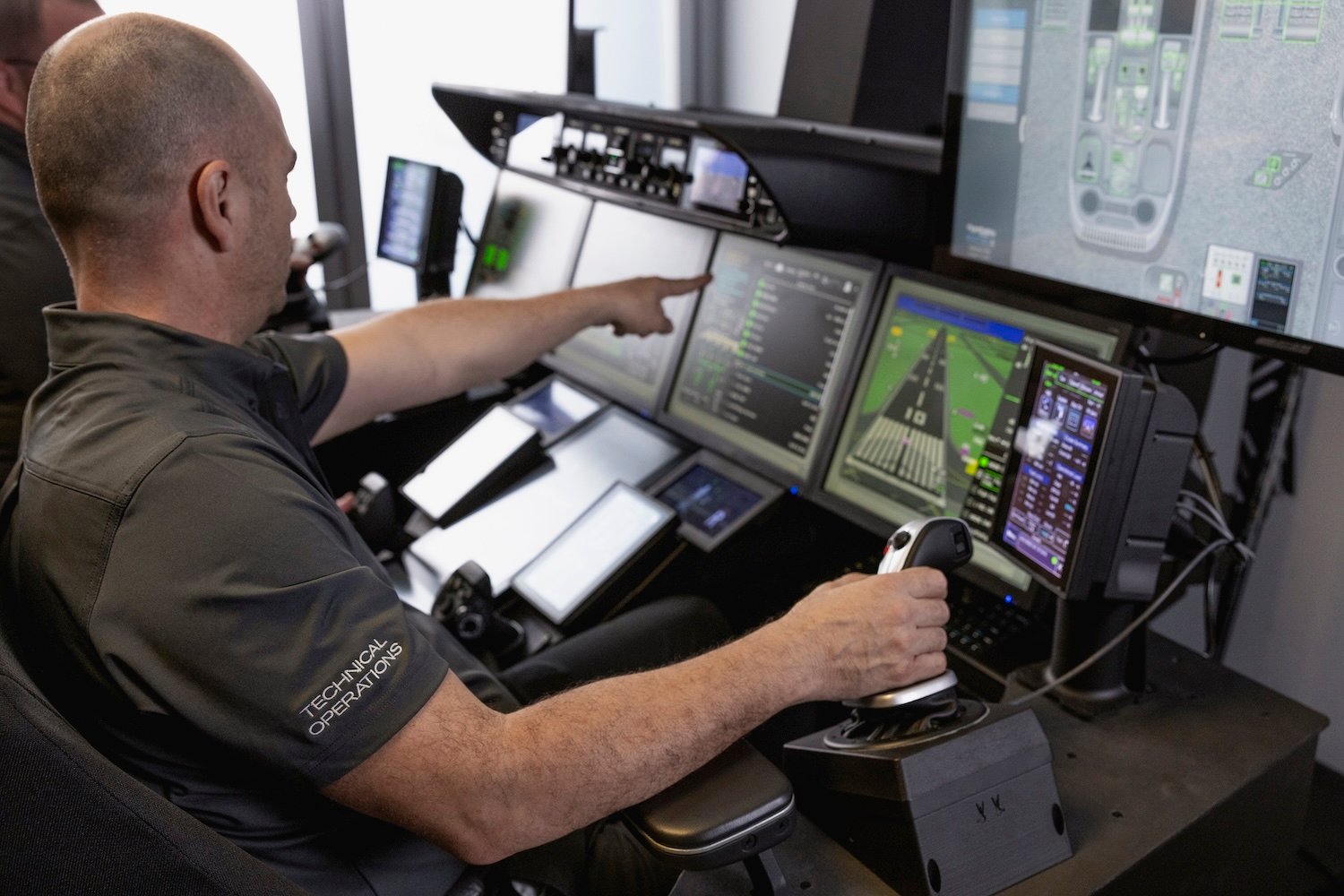
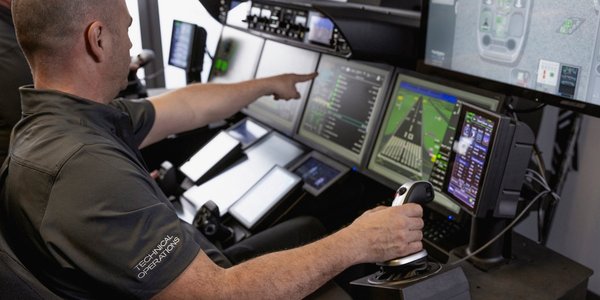
Modern airline pilots receive extensive simulator training before operating complex aircraft.
In 1946, full-motion flight simulators were not available in the modern form.
Pilots gained much of their experience through actual flight training.
This made careful instruction especially important.
Human Factors
Human factors can play a major role in aviation accidents.
A pilot may be dealing with several problems simultaneously.
For example, during an approach, the crew must monitor:
- Airspeed
- Altitude
- Heading
- Engine performance
- Navigation
- Weather
- Radio communications
- Landing configuration
If something unexpected happens, the workload can increase quickly.
The crew must then decide whether to continue the approach or perform a missed approach.
Modern aviation training teaches crews to divide responsibilities and communicate clearly.
These practices developed partly from the lessons of earlier accidents.
Post-War Commercial Aviation
The accident occurred during a major transformation in international aviation.
World War II had produced huge advances in aircraft design.
Military aircraft had become faster, more powerful, and more reliable.
After the war, airlines adapted many of these technologies for civilian use.
The public was increasingly interested in long-distance air travel.
Airlines wanted to offer faster and more comfortable flights between continents.
Aircraft such as the Lockheed Constellation helped make this possible.
However, the industry was still learning how to safely operate these advanced aircraft on a large commercial scale.
The Human Cost
Every aviation accident represents a personal tragedy.
The people aboard Flight 6963 were traveling for different reasons.
Some passengers were traveling between countries for work or family reasons.
Others may have been beginning or ending long international journeys.
The crew members were performing their professional duties.
For the families of those who died, the accident brought sudden and painful loss.
Survivors had to deal with injuries and the emotional effects of the crash.
The accident also affected TWA employees and the wider aviation community.
Lessons From Flight 6963
The accident provided important lessons for commercial aviation.
Accurate Navigation
Aircraft need reliable navigation systems, particularly during approaches.
Proper Pilot Training
Pilots must understand the characteristics of the aircraft they operate.
Weather Awareness
Crews need accurate and timely weather information.
Safe Approach Procedures
Pilots must be prepared to abandon an approach when conditions become unsafe.
Aircraft Design and Testing
New aircraft must be carefully tested under many different operating conditions.
Effective Communication
Pilots, controllers, and ground personnel must be able to communicate clearly.
These principles remain fundamental to aviation safety.
Development of Aviation Technology
The decades following 1946 brought enormous changes.
Radio navigation systems became more advanced.
Radar became widely used.
Instrument landing systems improved.
Aircraft received better flight instruments.
Weather forecasting became more accurate.
Jet engines eventually replaced piston engines on most major passenger routes.
Later, satellite navigation transformed aviation.
Modern aircraft also have computerized systems that monitor engines and other important components.
These developments have made international air travel much safer.
The Constellation’s Legacy
Despite accidents involving early examples, the Lockheed Constellation became one of the most famous aircraft of the post-war period.
Its distinctive design made it easy to recognize.
It represented the beginning of a new era of long-distance passenger travel.
TWA used the aircraft extensively on international routes.
The Constellation helped demonstrate that commercial aircraft could connect distant continents efficiently and comfortably.
Its introduction was an important step toward the global airline network that exists today.
Remembering the Accident
The Flight 6963 accident is remembered as part of the difficult early history of post-war international aviation.
The aircraft represented advanced technology, but the systems surrounding it were still developing.
Airports, navigation equipment, weather forecasting, pilot training, and air traffic control all had to evolve together.
An aircraft can only be as safe as the entire system supporting its operation.
This is one of the most important lessons from aviation history.
Conclusion
The TWA Flight 6963 accident of December 28, 1946, occurred during a period of major change in international aviation.
TWA was expanding its international operations, and the Lockheed L-049 Constellation represented a major advancement in passenger aircraft design.
The flight was approaching Shannon, Ireland, when the aircraft encountered difficulties and crashed. The accident resulted in fatalities and injuries and became an important event during the early operational history of the Constellation.
At that time, aviation technology was far less advanced than it is today. Pilots depended on radio navigation, instruments, charts, and weather reports. There was no GPS, modern flight-management computer, satellite weather information, or advanced ground-warning system.
The accident showed the importance of accurate navigation, proper pilot training, reliable weather information, and carefully designed approach procedures.
The post-war years brought rapid improvements to all these areas. Radar, better navigation systems, improved weather forecasting, instrument landing systems, and eventually satellite navigation transformed aviation.
The story of TWA Flight 6963 is therefore more than the story of a single aircraft accident. It is part of the larger history of international commercial aviation and the continuing effort to make long-distance air travel safer.

Ajeet Yadav is an aviation enthusiast covering airline news, airports, aircraft, and industry developments through well-researched and reliable reporting.