







- The April 2026 ATF revision has created a clear divide in Indian aviation, where scheduled airlines are shielded from price shocks while non-scheduled operators face the full impact, despite operating from the same infrastructure.
- A significant portion of the non-scheduled fleet is engaged in essential functions—pilgrimage connectivity, medical evacuation, offshore logistics and infrastructure support, where higher fuel costs cannot be avoided and are ultimately passed on to end users.
- The pricing gap changes behaviour more than it generates revenue: smaller domestic operators absorb rising costs, while long-range jets reduce fuel purchases in India, limiting the actual fiscal benefit and exposing a mismatch between policy design and sector reality.

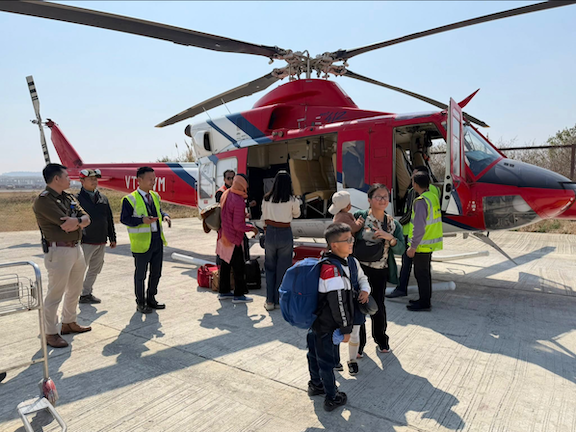
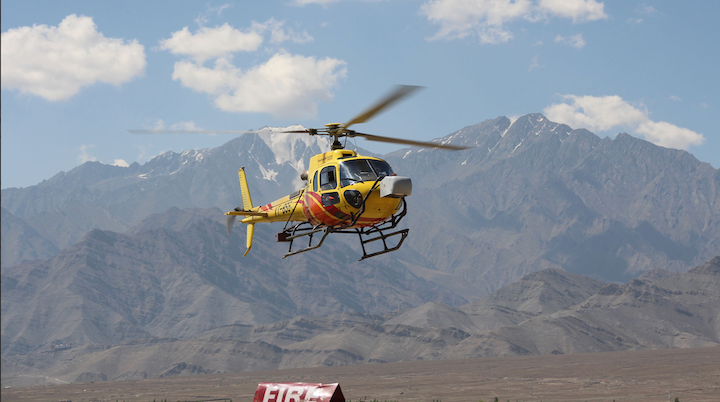
Every April, as the snow retreats from the Garhwal Himalayas, a small fleet of helicopters begins the most unglamorous work in Indian aviation. Back and forth, dozens of times a day, between the helipad at Phata and the shrine at Kedarnath—an 18-kilometre trek that would otherwise take a seventy-year-old travelling from Tamil Nadu, the better part of a day at altitude.
Twenty-four such helicopters carry the load of an entire pilgrimage circuit each season. None of them is fitted with leather business class seats; they are essential working links in a terrain that offers no other way out.
On April 1, 2026, the Indian aviation sector underwent a quiet but seismic regulatory split. While the headlines focused on the government capping ATF price hikes for scheduled domestic airlines at 25% to protect the common traveller, a different reality was unfolding on the other side of the tarmac.
For the over 115 Non-Scheduled Operator Permit (NSOP) holders in India—an ecosystem comprising nearly 440 aircraft, including around 180 business jets and a vast specialised helicopter fleet—the price of fuel did not just rise; it decoupled from the rest of the industry.
In the four major metros, ATF prices for non-scheduled/charter operators jumped to between ₹1.95 lakh and ₹2.15 lakh per kL—more than double the rates seen in March.
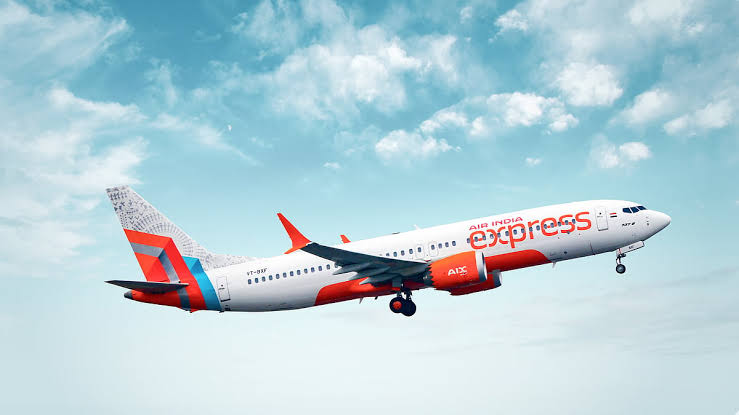
Meanwhile, the scheduled domestic airlines, shielded by the 25% cap and a different pricing bucket, saw only a modest 8–9% increase.
This has created a “price wedge” of approximately ₹1,02,000 per kL between two aircraft taking off from the same runway.
For a sector often dismissed as a luxury silo for the ultra-wealthy, it provides essential connectivity beyond the reach of major hubs, and this pricing disparity is more than a financial hurdle; it is a fundamental market distortion. This policy creates an economic paradox: while the fleet’s mission diversity remains rooted in supporting Indian growth, the pricing logic ignores the operational reality of these diverse assets.
The Definition Gap: When ‘Non-Scheduled’ is Labelled ‘Non-Essential’
The policy framework never explicitly called non-scheduled aviation non-essential. It did not need to, the pricing did it for them.
An offshore helicopter linking a rig crew to Nhava Sheva is not a luxury. A survey aircraft mapping transmission corridors for the power grid is not non-essential. A stretcher-equipped King Air that is the only aircraft within range of a road accident in a Tier-3 city at 2 a.m. is a critical lifeline. Neither, in any honest reading, is the helicopter shuttle that replaces a gruelling 18-kilometre Himalayan trek for an elderly pilgrim.
Currently, India does not publish data on the specific utility of NSOP aircraft.
There are no public records of hours by mission type, no fuel volumes by operator category, and no movement counts that separate a corporate trip from an organ transport flight.
That data void is why policy defaults to the coarsest available label: “non-scheduled.”
In the current 2026 pricing regime, that label has effectively become synonymous with “disposable,” allowing the “Protected Tier” of mass-market carriers to remain stable while the specialised workhorses of the Indian sky are left to navigate an unviable economic reality.
The Quarter Nobody Counted
The common policy assumption is that “General Aviation” is synonymous with corporate leisure. However, an analysis of the Indian NSOP registry reveals a far more utilitarian landscape. Of the 440+ fixed-wing and rotary-wing aircraft currently under NSOP, at least 25% are dedicated to missions where cost-effective, time-sensitive flying is not a luxury but a requirement.
This quarter of the fleet includes 23 helicopters dedicated to the oil and gas sector, ensuring energy security by shuttling crews to offshore platforms. It includes 24 helicopters providing the Char Dham shuttles—a vital link for regional religious tourism that supports the economy of the Himalayan belt. Furthermore, the fleet contains 43 aircraft capable of medical evacuations and 26 aircraft certified for “aerial works” such as mapping, power-line surveys, and disaster management.
Unlike the ultra-long-range business jets that can fly to international hubs, these over 110 aircraft are “Domestic Captives.”
A helicopter flying on a time-critical organ transport flight, or a shuttle at Kedarnath, operates on a localised grid where there is no alternative but to refuel at the nearest domestic airport.
They are bound by the physics of their mission and the geography of India to pay the ₹2.07 lakh per kL rate. When the fuel cost for a light helicopter jumps by approximately ₹28,000 per flight hour overnight (calculated on an average fuel burn of 250 litres per hour multiplied by the ₹112 per litre price hike), that cost is not absorbed by a “billionaire”; it is passed directly onto the pilgrimage ticket, the medical emergency bill, or the national infrastructure project.
These operators provide a critical ‘relief valve’ for national infrastructure, utilising secondary airports and non-peak slots that scheduled airlines cannot service, a utility now threatened by unviable operating costs.
The Revenue Flight
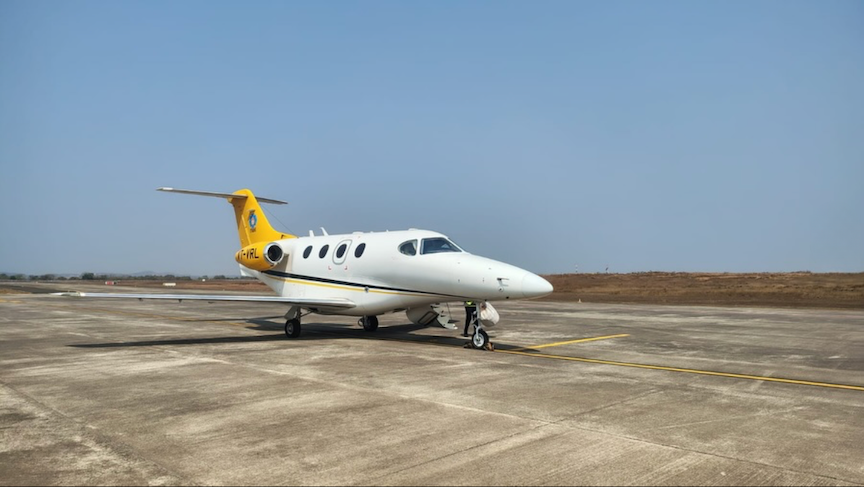
While the “Domestic Captives” are squeezed by geography, the heavy jet segment—often utilised for rapid transit to remote infrastructure sites—faces a different operational dilemma. In a globalised sky, the current domestic pricing creates an unavoidable incentive for offshore refuelling.
For long-range missions, operators are increasingly compelled to uplift fuel at regional hubs like Dubai or Singapore, where prices remain aligned with global benchmarks. This is not about seeking an “advantage,” but about maintaining the operational viability of high-value assets that the Indian economy relies on for connectivity.
As of April 2026, the price delta between Indian metros and these regional hubs is staggering. In Dubai, for instance, ATF remains priced near the global benchmark of approximately $950–$1,100 per kL (roughly ₹80,000–₹92,000), compared to over ₹2 lakh in India.

Photo: Musabani Express
The math for an international leg is simple but damaging to the domestic exchequer. By filling tanks to maximum capacity in a low-cost hub (known as “tankering”), an operator can avoid uplifting fuel in India almost entirely.
For a flight requiring 12,000 litres, fuelling abroad instead of in an Indian metro saves the operator roughly ₹14 lakhs per trip.
Even after accounting for landing fees and handling charges at a foreign airport, the net savings remain in the high seven figures.
The policy irony is clear: the very aircraft capable of contributing the highest tax revenue via VAT and Excise Duty are the ones with the range to ensure they pay nearly 0% of those taxes to the Indian exchequer.
By maintaining this two-tier pricing regime, the government is fostering a distorted market that prioritises short-term fiscal optics over long-term revenue capture, effectively encouraging the “flight” of fuel sales to foreign soil.
The Infrastructure India Cannot See
The medevac angle deserves its own examination—not as sentiment but as a systems question. Forty-three NSOP fixed-wing aircraft certified or configured for stretcher operations represent something that has no equivalent in India’s healthcare infrastructure planning.
There is no dedicated air ambulance network in this country at any meaningful scale. What exists instead is a patchwork of charter operators who maintain stretcher certifications and respond to emergencies, pricing their services against operating costs that just doubled overnight.
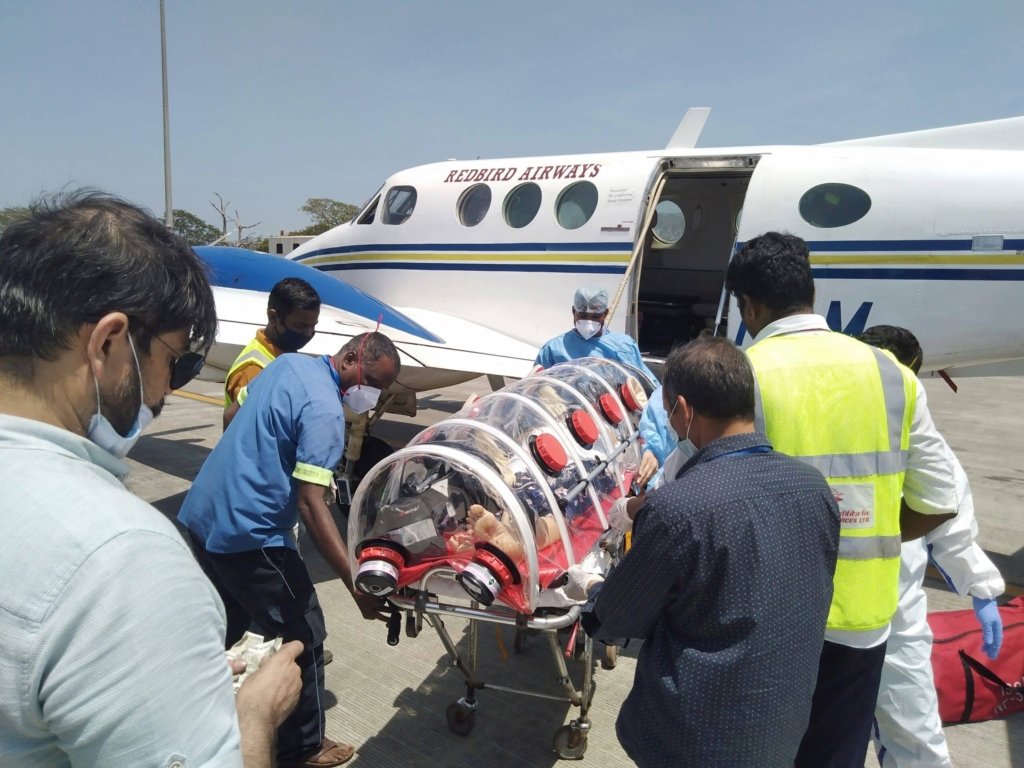
These are not profitable niche operators with pricing power. They are small to mid-sized companies running Beechcraft King Airs and Cessna Caravans, often on thin margins.
The April price reset does not merely raise their costs; it raises the threshold at which a medevac flight gets dispatched and lowers the threshold at which an operator decides the certification is no longer worth maintaining.
The same logic applies to aerial survey and inspection work. A pipeline survey aircraft is not glamorous aviation; it is how India detects a gas leak in Rajasthan before it becomes a rupture. These 26 aircraft certified for aerial works are embedded in the supply chains of energy and infrastructure companies. Their fuel costs are passed through to project costs, which eventually inflate the cost of building the infrastructure India needs.
The April 2026 ATF revision was triggered by a genuine global shock—conflict in West Asia and a rupee under pressure. The government made a defensible call to protect the mass market. What is indefensible, however, is the instrument: a binary split between “scheduled” and “non-scheduled” that treats mission type, aircraft size, and operational necessity as irrelevant.
Other nations have built tiered ATF frameworks—offering rebates for medevac operations or differential treatment for offshore logistics. India has not, because to build a tiered framework, you first need to know what your non-scheduled fleet does for a living.
The Case for a Unified Regime
In the grand scale of the Indian petroleum economy, the “gain” from doubling the price for this small segment of operators is statistically negligible. Business and general aviation in India is estimated to account for roughly 1% to 2% of total national ATF consumption.
To put this in a global context, even in the United States—home to the world’s most extensive aviation infrastructure—general aviation accounts for 5% to 7% of total fuel use. In Brazil, a market with a geography and utility profile closely mirroring India’s and a fleet of over 2000 jets and helicopters, ATF consumption is between 3% and 5%.
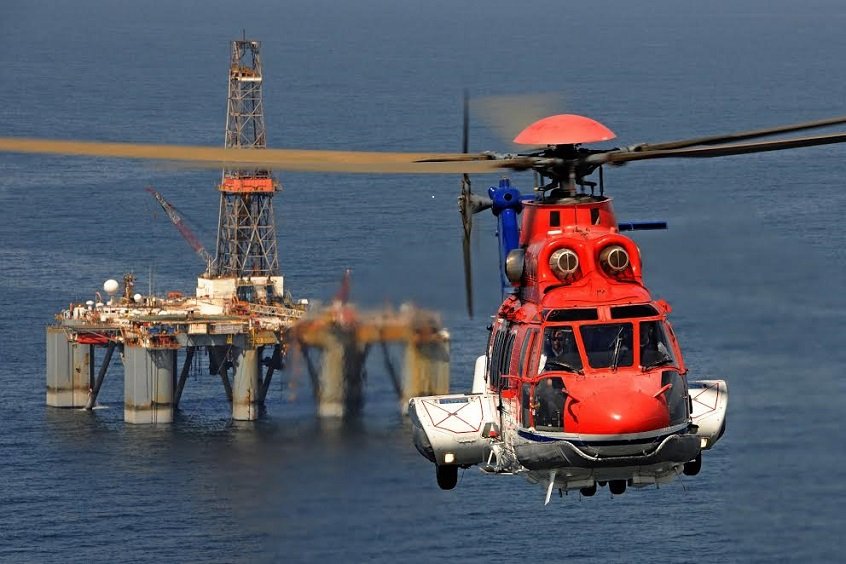
Photo: Fly Air Charters
Even under optimistic assumptions—400 flying hours per year per aircraft, fuel burn of 800–1,200 litres per hour for jets and 150–400 litres per hour for helicopters—the entire Indian NSOP fleet’s consumption remains a small fraction of India’s 9-million-tonne annual ATF pool.
A move toward a unified ATF regime, or at least narrowing the wedge, would likely be revenue-positive.
By lowering the entry barrier, the government would discourage offshore refuelling, capture more fuel sales domestically, and lower the cost of critical domestic missions. In the high-stakes environment of 2026, Indian aviation needs a pricing strategy that recognises the sector as a single, interconnected ecosystem rather than two separate skies.
Right now, India does not know what its non-scheduled fleet does for a living. And until it finds out, the cost of every fuel shock will fall on the Char Dham helicopter, the offshore rig runner, and the emergency medevac flight—because a policy that does not recognise them cannot protect them.
Also Read: Safran: Advancing Hybrid-Electric Propulsion for the Next Generation