









Onshore and Capable: GMR Aero Technic’s Expanding Role in India’s MRO Sector

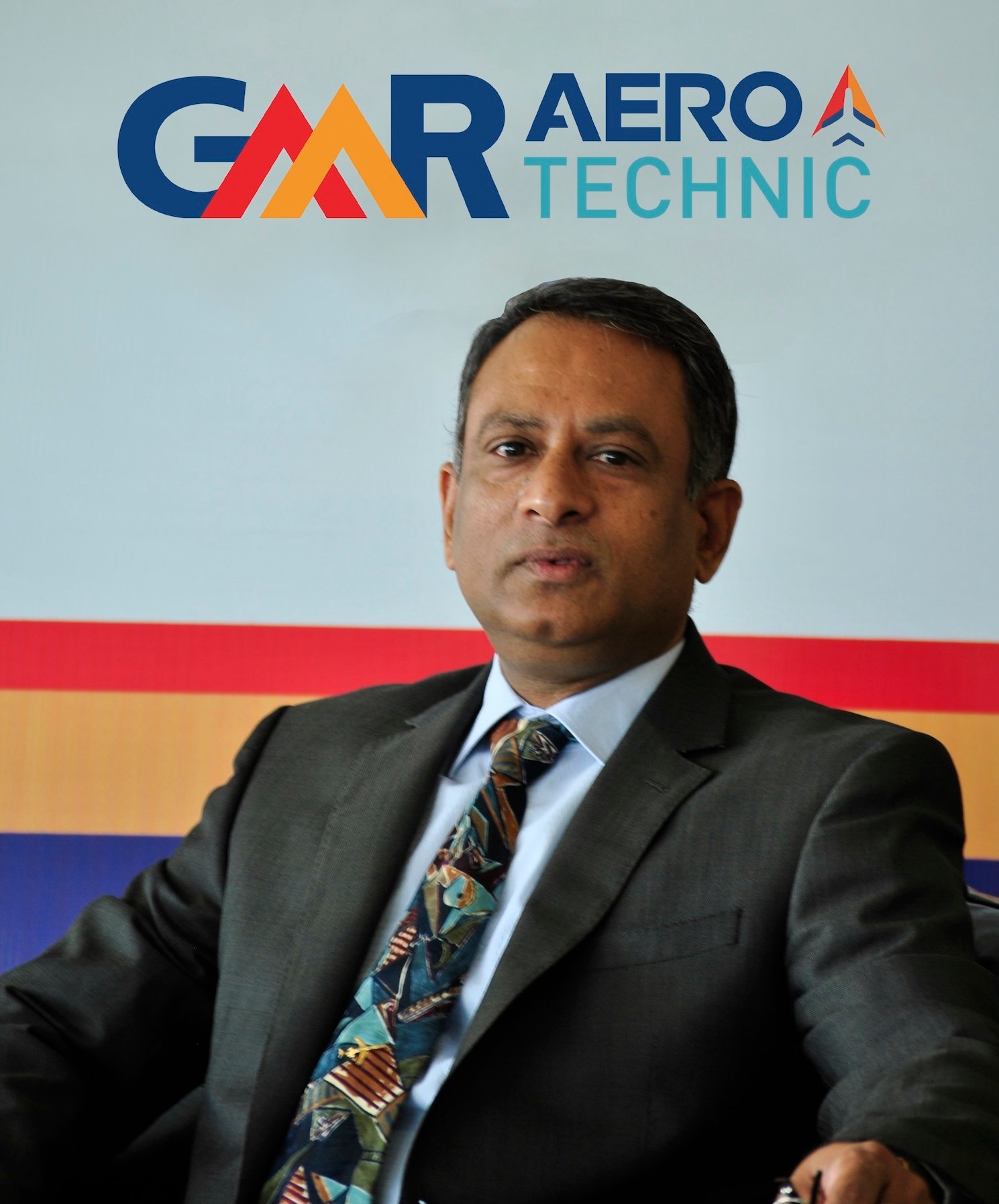
India’s MRO sector spent years being talked about as a market in waiting — the potential always outsized, the actual capacity always catching up. That gap is closing, and not because of policy alone. Facilities have expanded, certifications have multiplied, and a handful of Indian MRO operators have built capability portfolios that can genuinely compete with established regional players. GMR Aero Technic is one of them. What the Hyderabad-based facility has assembled over the past few years goes well beyond base maintenance — covering capability areas that India has traditionally not been able to retain onshore, and with a regulatory footprint that gives international carriers the confidence to bring their aircraft here rather than position them abroad. As Ashok Gopinath, President of GMR Aero Technic, puts it, the focus is on supporting next-generation platforms and becoming the first-call maintenance partner for India’s modern carriers — with much of that groundwork already in place.
How is GMR Aero Technic expanding its line maintenance network to support India’s fleet growth?
GMR Aero Technic’s wide line maintenance network is designed to scale in line with India’s rapid fleet growth. With over 12+ line maintenance stations across India and Nepal, already supporting more than 55 international airline customers, we have built a flexible and scalable operating model that can quickly add capacity as new aircraft are inducted into the Indian market.
To meet the projected induction of over 400 new aircraft by 2030, GMR is expanding manpower, tooling, and certifications for both narrow-body and wide-body aircraft, including A350, B787, and B777 platforms. Our focus is on strengthening presence at high-traffic airports, improving response times, and increasing coverage during night-stop and transit operations, which are critical for growing airlines.
Beyond India, GMR Aero Technic is actively evaluating expansion opportunities in South Asia and select Southeast Asian airports where Indian carriers operate frequently and where there is strong demand for high-quality, cost-effective line maintenance support. This regional expansion strategy will allow GMR to support airlines seamlessly across their networks while reinforcing our position as a leading MRO partner in the region.
How are global regulatory approvals helping GMR Aero Technic expand its international customer base?
GMR Aero Technic uses its 30+ regulators’ approvals to offer maintenance services that meet global regulatory standards, giving international airlines confidence to work with us. These certifications allow us to serve customers from many countries without additional approvals, making GMR a reliable and cost-effective alternative to traditional MRO hubs.
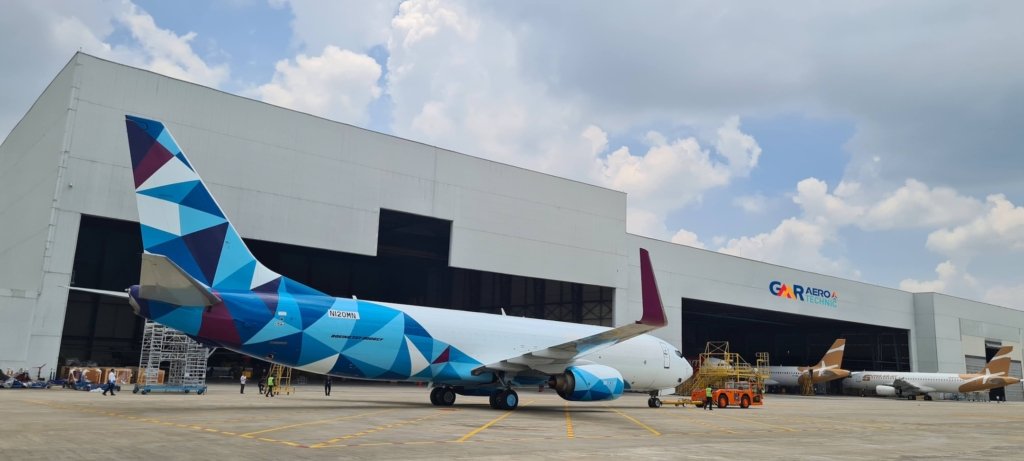
Photo: GMR Aero Technic
Beyond Asia-Pacific, there are strong opportunities in Africa and Central Asia, where airline fleets are growing but local MRO capacity is limited. Airlines in these regions are looking for high-quality, affordable maintenance partners. With its global approvals, wide-body and narrow-body capabilities, and strategic location, GMR Aero Technic is well positioned to attract operators from these markets and expand its international footprint.
How important is composite repair capability for India’s evolving MRO ecosystem?
Composite repair capability is becoming very important for India’s MRO ecosystem as more next-generation aircraft like the Airbus A350 enter airline fleets. These aircraft use a high percentage of composite materials, which require specialised inspection and repair skills that are different from traditional metal structures.
Through the partnership with GMI and Hypercoat Enterprises, GMR School of Aviation is building India’s first dedicated “Centre of Excellence” for composites training and repair capability. This helps develop skilled technicians locally, reduces dependence on overseas repair stations, shortens aircraft downtime, and supports airlines in maintaining modern fleets efficiently. Overall, this initiative strengthens India’s readiness to support advanced aircraft and positions the country for the future of aviation maintenance.
How will the collaboration with AIESL strengthen India’s MRO ecosystem?
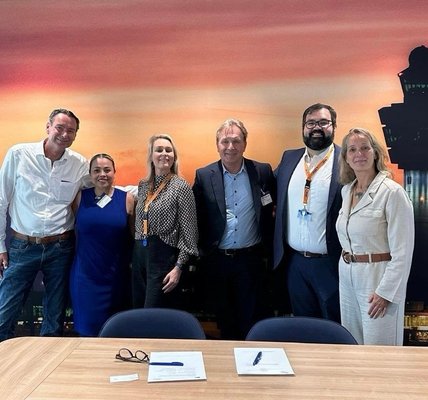
The MoU with AIESL strengthens India’s MRO ecosystem by combining infrastructure, technical expertise, and manpower. By pooling resources and building skills together, both organisations can expand capacity faster, reduce dependence on overseas MROs, and improve service quality. This collaboration helps create scale and confidence, positioning India as a competitive and reliable regional MRO hub for airlines in South Asia and beyond.
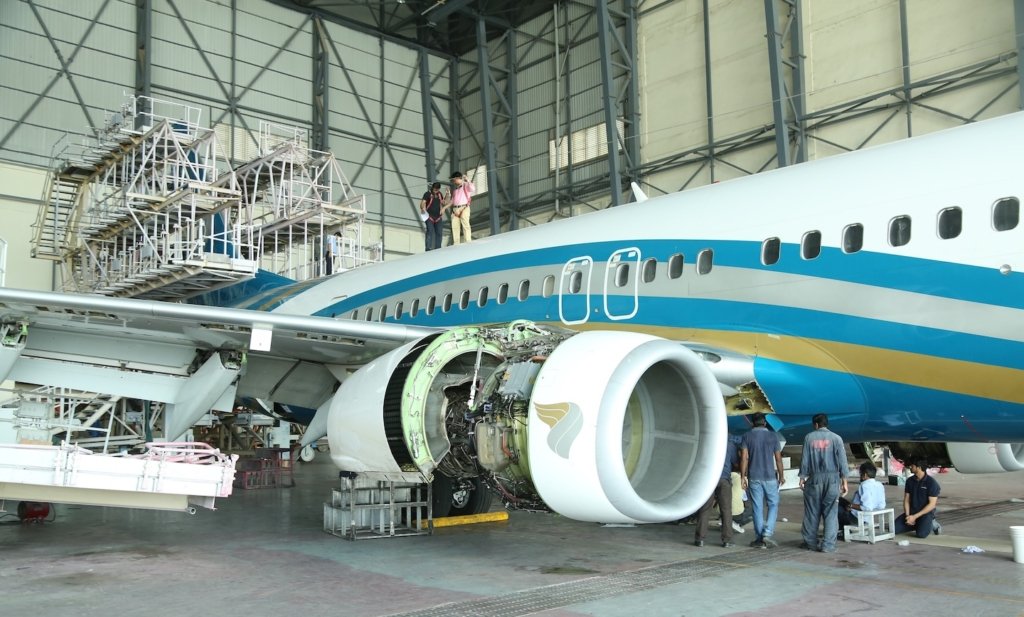
What progress has been made on the Boeing Converted Freighter programme in India?
GMR Aero Technic has made steady progress on its first Boeing Converted Freighter (BCF) programme since being selected as India’s first BCF partner. The facility, infrastructure upgrades, specialised tooling, and workforce training required for freighter conversions have been put in place in line with Boeing’s standards. Preparatory work, including engineering approvals and process readiness, has been completed to ensure smooth execution of the initial conversions.
The freighter market is strong, and demand is definitely growing. However, progress on the first Boeing Converted Freighter (BCF) conversions has been slow because there is a lack of availability of aircraft for commercial passenger operations. Many operators are extending their leases on passenger aircraft to meet commercial travel needs, which limits the stock for freighter conversion. Once the situation improves and more aircraft become available, the conversion work will begin as planned.
GMR Aero Technic is closely monitoring the market and is ready to capture opportunities as they arise, but for now, the main challenge is aircraft availability rather than demand.
How does the Akasa Air agreement strengthen GMR Aero Technic’s role as an MRO partner for India’s new-generation airlines?
Over the years, GMR Aero Technic has been a trusted MRO partner for all airlines in the regions – India, the Middle-East & South-East Asia, including Akasa. This three-year agreement shows that Akasa Air trusts GMR Aero Technic for critical maintenance work. It reflects our strong track record, skilled team, and ability to deliver reliable services on time.
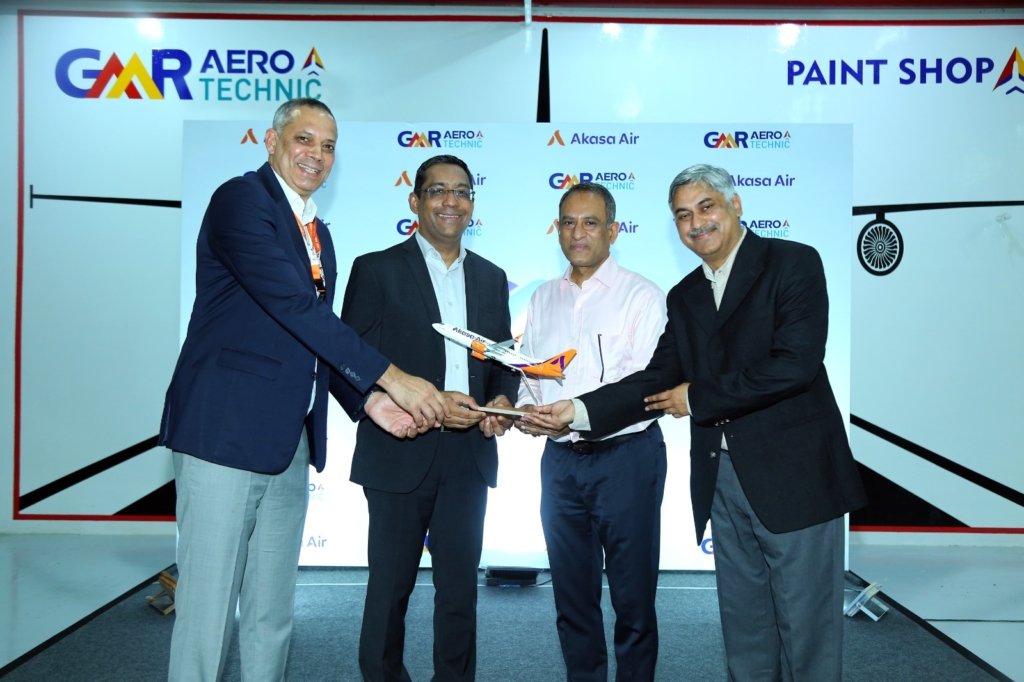
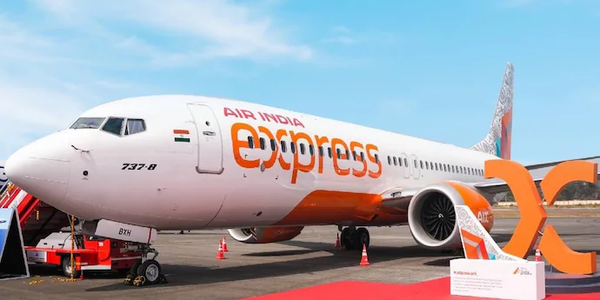
By supporting next-generation aircraft like the Boeing 737 MAX, we are positioning ourselves as a leading MRO partner for modern airlines in India.
This partnership also strengthens our role in driving operational excellence and safety standards for the country’s growing aviation sector.
It reinforces GMR Aero Technic’s vision to be the preferred choice for world-class maintenance solutions.
How has the Spirit AeroSystems partnership expanded GMR Aero Technic’s structural repair capabilities?
The partnership with Spirit AeroSystems has significantly strengthened GMR Aero Technic’s service portfolio. We have developed the capability for C-rating on nacelles and flight control surfaces, and work is in progress to add similar capability for radomes. This means we can now handle complex structural component repairs in-house, which earlier had to be sent overseas.
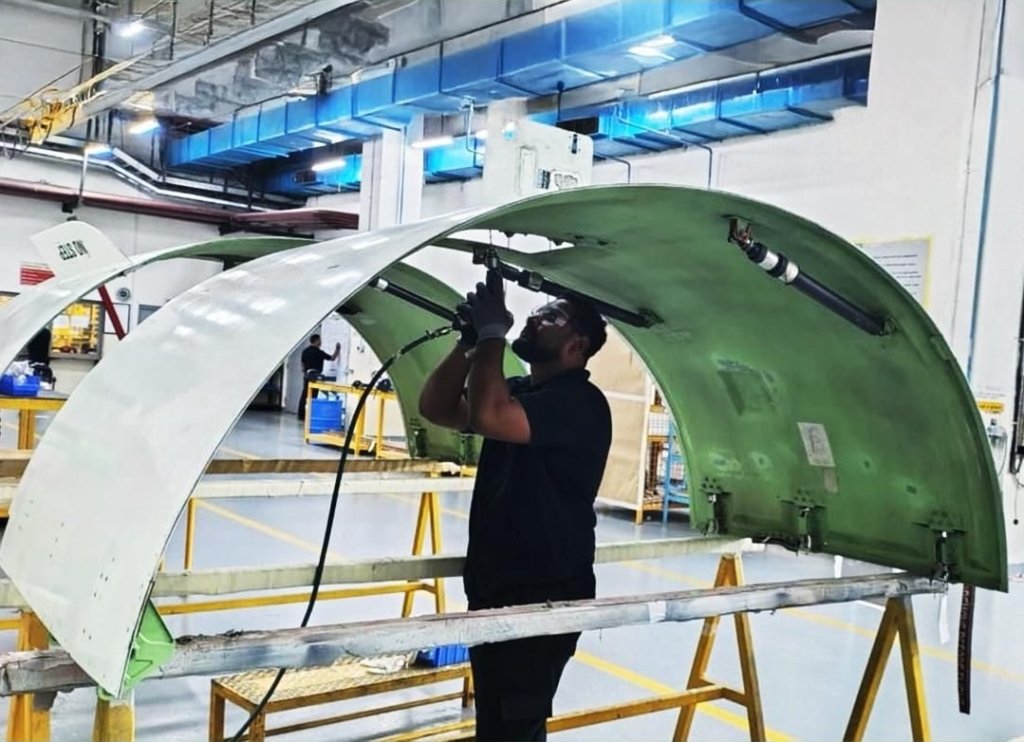
As a result, turnaround times for nacelle and flight control surface repairs have been greatly reduced, improving efficiency for our customers.
This is also the first-of-its-kind facility in India for nacelle C-rating work, marking a major milestone for the industry.
With the rapid growth of narrow-body aircraft fleets in India, the demand for specialized structural component repairs is increasing proportionately. Airlines are looking for reliable local solutions to minimize downtime and reduce costs, and this partnership positions GMR Aero Technic as a trusted provider for these critical services.
How will the RH AERO collaboration strengthen India’s aircraft tooling capabilities?
The collaboration between GMR School of Aviation and RH AERO strengthens India’s aerospace ecosystem by building strong local capabilities in aircraft tooling and maintenance support. Tooling is a critical part of MRO operations, and this partnership helps reduce India’s dependence on imported tools while improving safety, quality, and turnaround time.
Through this programme, technicians and engineers are being trained in the design, usage, inspection, calibration, and maintenance of OEM-approved aircraft tooling. The training also supports the development of indigenous tooling solutions in line with Make in India and Atmanirbhar Bharat objectives, enabling Indian suppliers to meet global aviation standards.
By creating a skilled workforce in specialised tooling, the programme supports airlines, MROs, and OEMs with faster availability of certified tools, lower costs, and improved operational reliability. Overall, this initiative helps build a self-reliant, high-quality aerospace support ecosystem that can support India’s rapidly growing aviation market.
How does Cyclean Engine Wash help airlines improve efficiency and reduce emissions?
GMR Aero Technic’s collaboration with Lufthansa Technik for Cyclean Engine Wash services helps Indian airlines improve fuel efficiency while reducing emissions. Regular engine washing restores engine performance, lowers fuel burn, and cuts CO₂ emissions, allowing airlines to achieve immediate environmental benefits without major capital investment.
As Indian airlines increase their focus on sustainability, Cyclean Engine Wash supports these goals by increasing engine efficiency by reducing overall fuel consumption and operating costs. We introduced at major airports in India. With rising fuel costs and stronger sustainability commitments, demand for this service is expected to grow across both narrow-body and wide-body fleets in India.
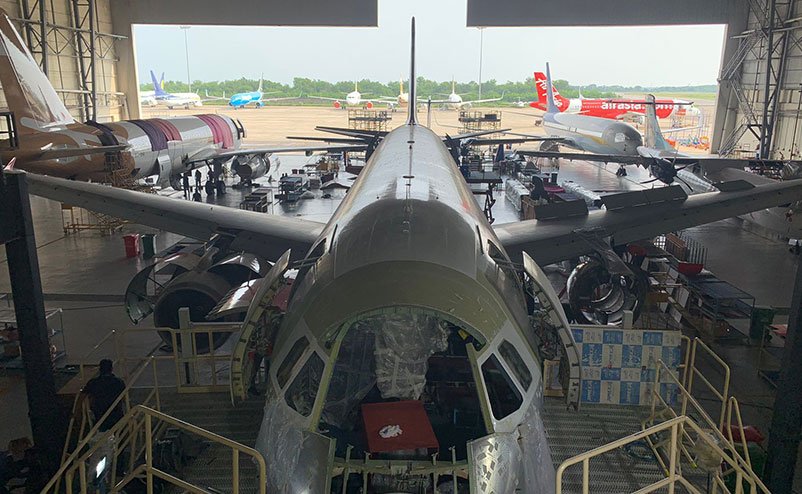
What sustainability initiatives earned GMR Aero Technic the MRO Asia-Pacific award?
GMR Aero Technic has implemented a holistic sustainability program delivering measurable environmental and operational impact. Through its Waste to Wealth initiative, scrap materials are repurposed into Ground Support Equipment and furniture, supported by QR code-based SOPs.
The company has adopted Energy conservation measures, including smart meters, sensor-based lighting, and water-saving efforts such as recycling aircraft cleaning wastewater. The transition to electric vehicles and the installation of EV charging stations have significantly reduced fuel consumption and emissions.
Efficiency improvements like robotic automation, AI-driven RFQ estimation, and electric pushback tugs enhance productivity and safety, while digital workflows and compliance platforms saving considerable time and resources. These initiatives collectively reinforce GMR Aero Technic’s commitment to sustainability and operational excellence.
Also Read: Distance, Density and the Future of Air Travel in India