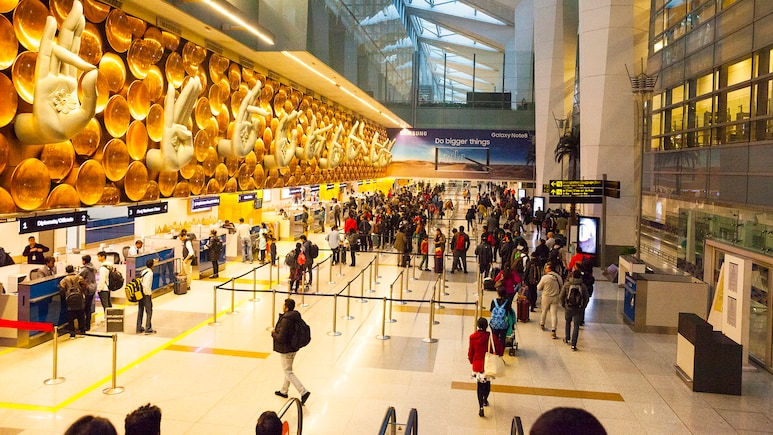



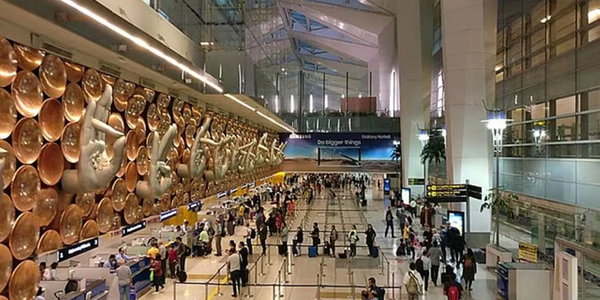









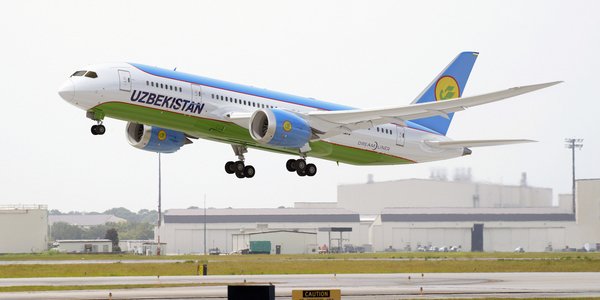




- Noida International Airport in Jewar is moving closer to commercial launch after receiving key regulatory approvals, with airlines such as IndiGo, Akasa Air and Air India Express preparing initial route plans and operational setups.
- Operations are expected to begin primarily with domestic flights, allowing airlines and airport systems to stabilise before international services and larger networks are introduced.
- The airport is expected to draw passengers and cargo traffic from the rapidly growing cities of western Uttar Pradesh, while airlines assess how to balance services between the new airport and the well-established Delhi hub.
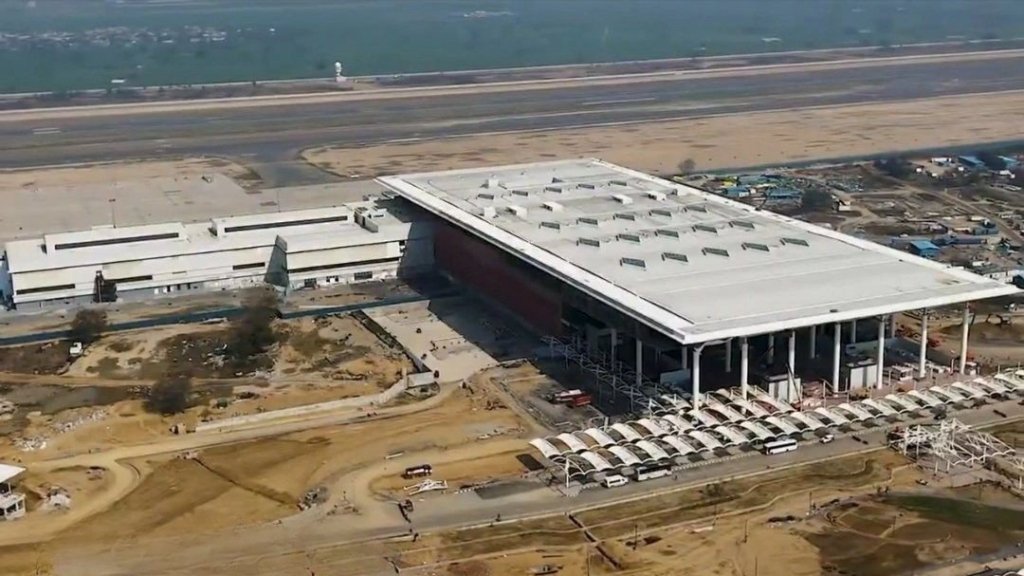
After years of construction delays and shifting timelines, the long-awaited Noida International Airport in Jewar appears closer than ever to opening.
With the Directorate General of Civil Aviation (DGCA) issuing the airport’s aerodrome licence and security clearances now in place, authorities say commercial operations could begin within the next 45 days.
The milestone marks a significant step toward establishing the Delhi-NCR’s first dual-airport system alongside Indira Gandhi International Airport in Delhi. But as the countdown to launch begins, the focus is rapidly shifting from construction to something far more complex: building a viable airline network.
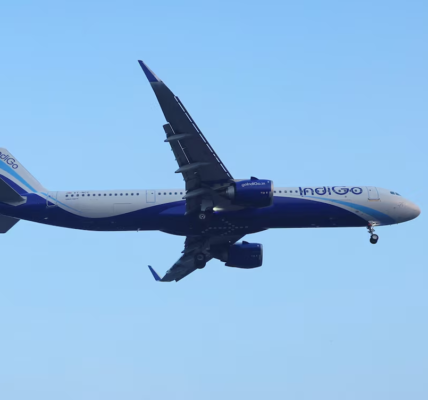
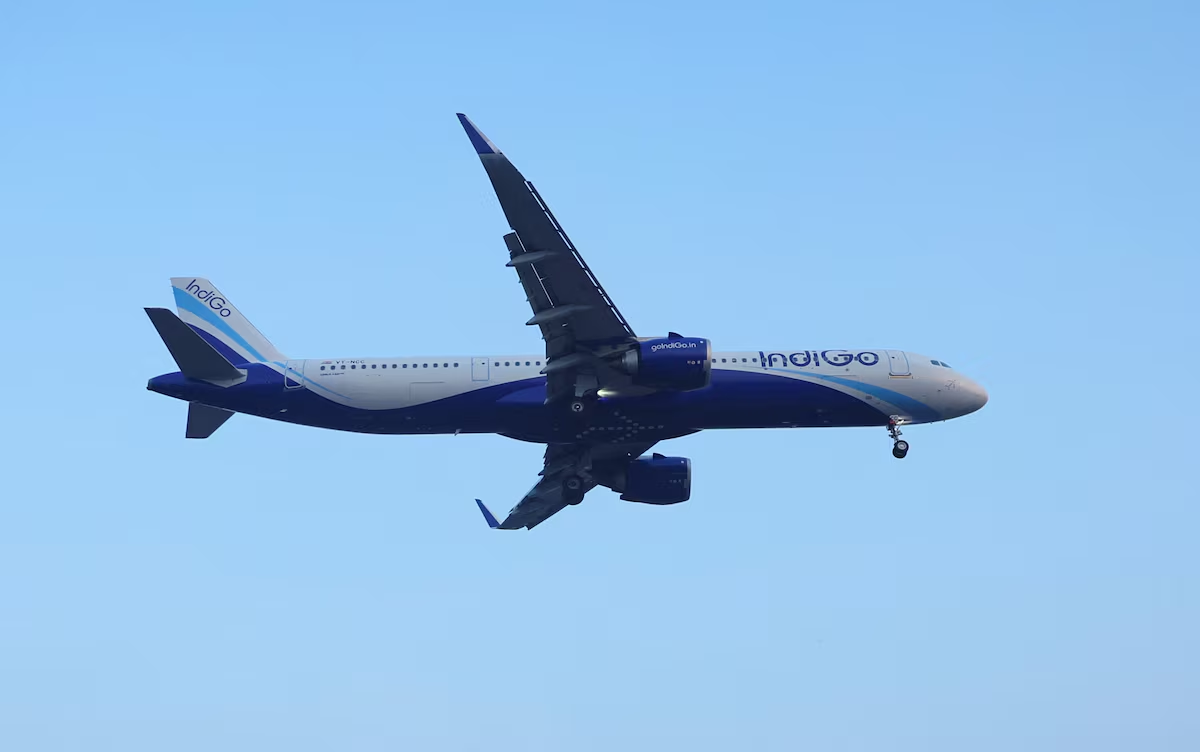
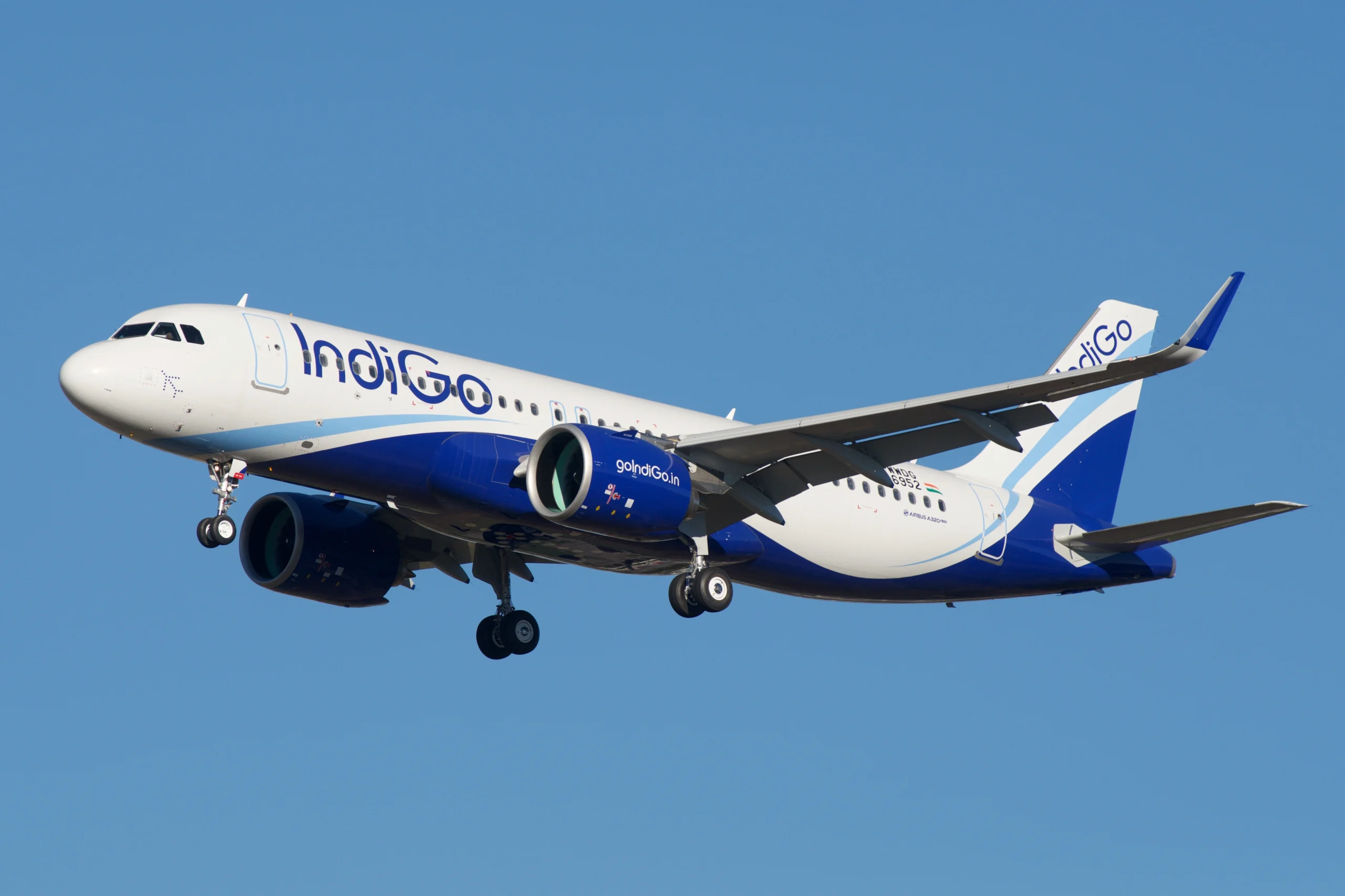
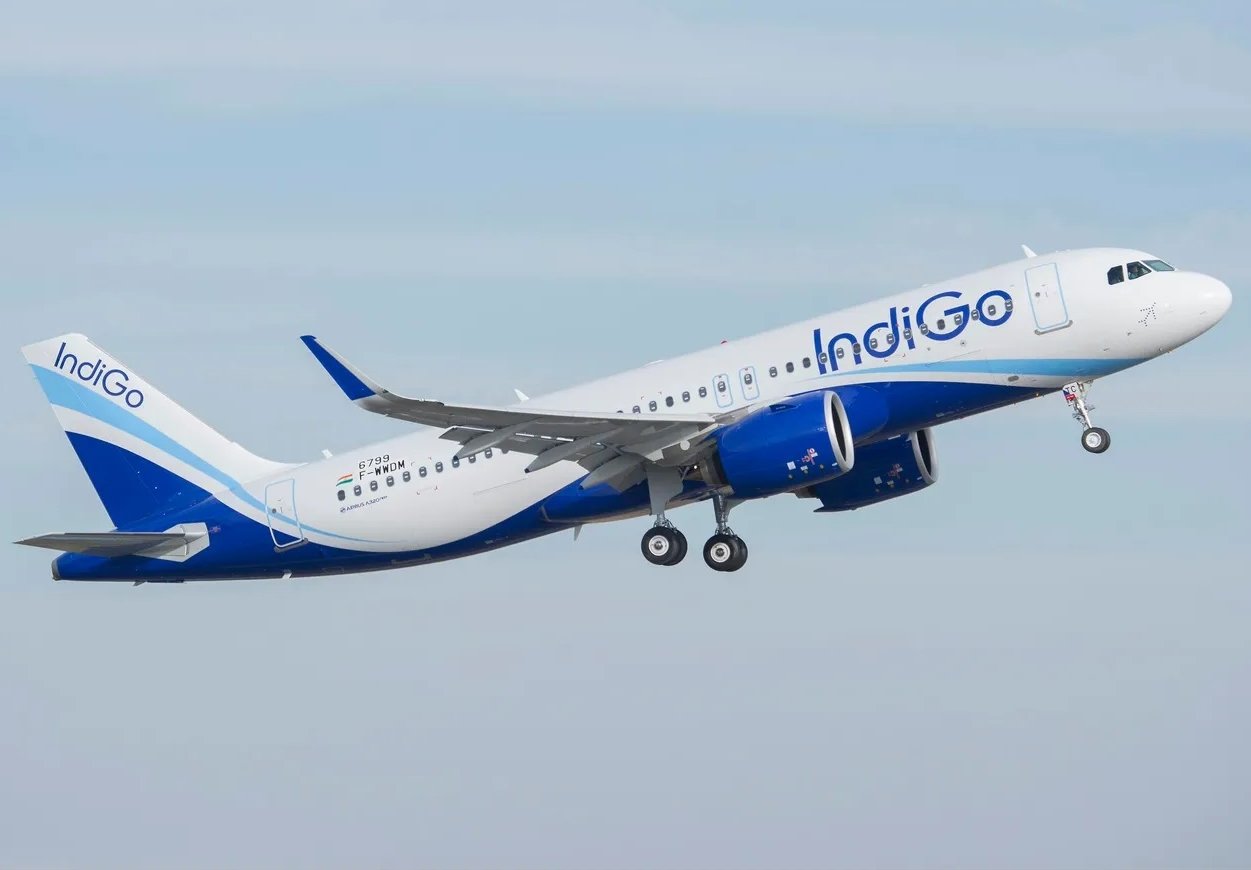
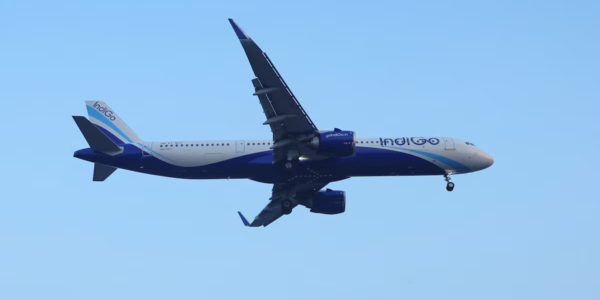
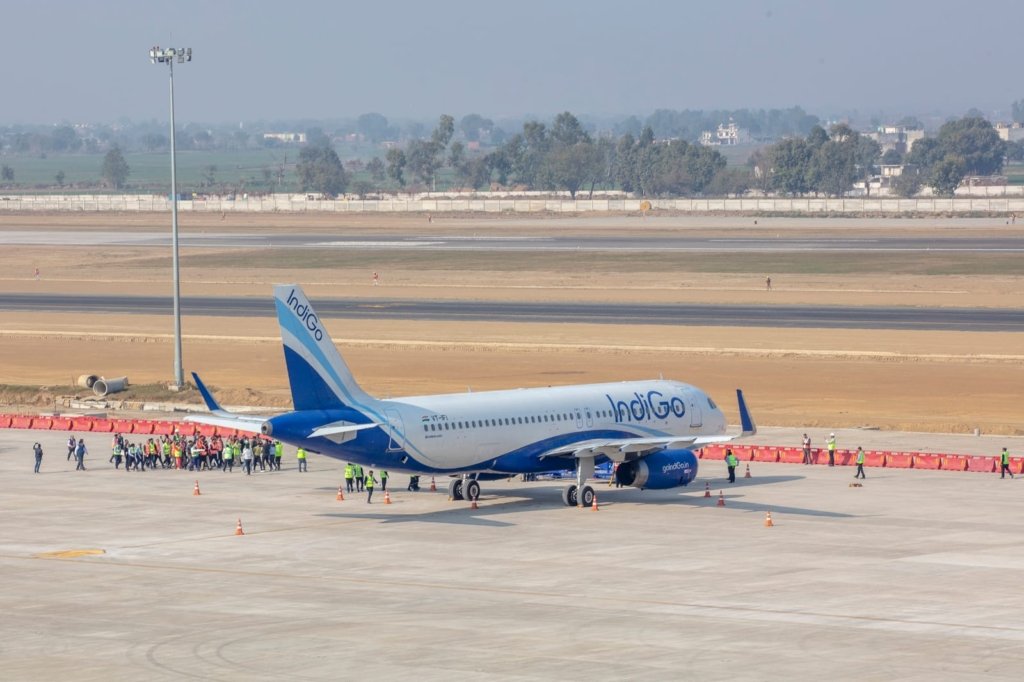
India’s largest airline, IndiGo, is set to be the launch carrier at Jewar. The airline has already conducted test flights to the airport during validation exercises and is expected to deploy a cluster of domestic routes in the initial phase.
Industry sources indicate that the first network will likely mirror IndiGo’s typical airport start-up strategy—linking the new airport with major metro destinations such as Mumbai, Bengaluru, Chennai and Kolkata, while also exploring connections to high-demand Tier-2 cities.

Two other carriers are also expected to be part of the opening phase: Akasa Air and Air India Express. Akasa Air, which had earlier signed a partnership agreement with the airport operator, plans to base aircraft at Jewar. This could allow the airline to develop a north India mini-hub linking western Uttar Pradesh to cities across the country and eventually to international destinations.
Air India Express, meanwhile, is expected to use the airport to strengthen its domestic network and potentially launch short-haul international routes once overseas operations begin.
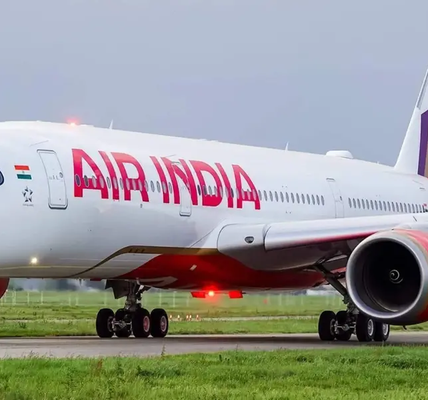
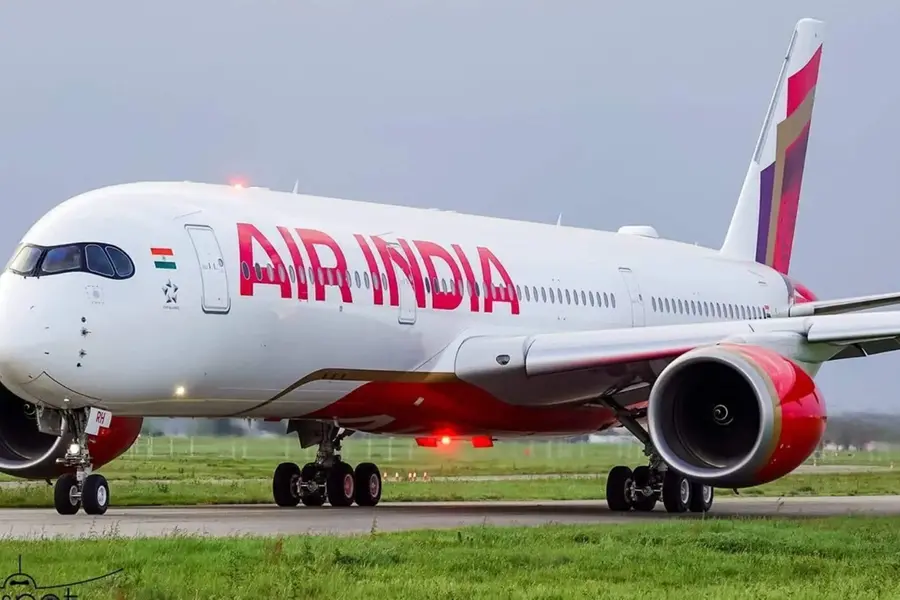
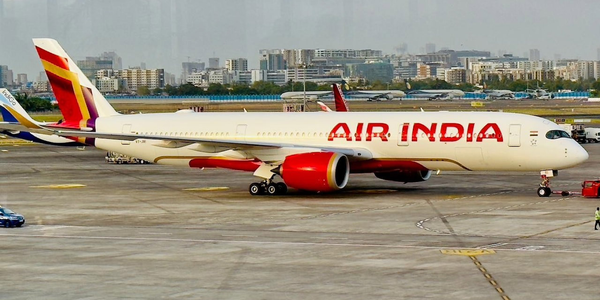
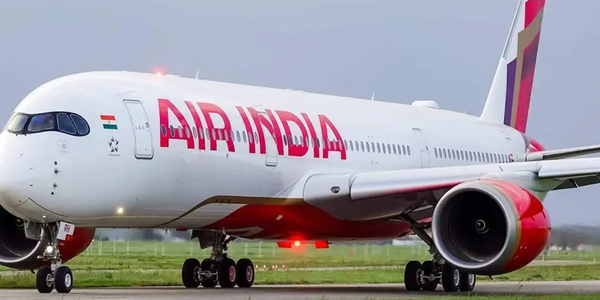
Air India will continue operating from Delhi and does not plan to launch flights from Noida International Airport (NIA) in Jewar when it opens. The airline is prioritising growth at its Delhi hub by adding routes and adjusting flight schedules to strengthen connectivity.
The decision to remain in Delhi is largely driven by fleet constraints and the ongoing refurbishment of Air India’s aircraft, which limits its ability to expand operations elsewhere for now.

This comes even as Air India SATS Airport Services Private Limited (AISATS) has committed ₹4,458 crore to develop two major facilities at Noida International Airport in Jewar, Gautam Buddha Nagar.
The investment was highlighted during Chief Minister Yogi Adityanath’s visit to Singapore on February 24. The agreement with the Uttar Pradesh government includes building a large, modern cargo terminal aimed at turning Jewar into a key air freight and logistics hub for Uttar Pradesh and North India.
Regional airlines Fly91 and Star Air have not yet announced services from Noida. Both carriers previously operated from the Hindon civil terminal in nearby Ghaziabad but have scaled back operations, leaving future plans uncertain.
The airport should have about 60 flights a day when it opens. Officials think that number could go up to 240–300 in six months as airlines include more flights.
Even though it is an international gateway, Jewar will mostly do domestic flights at first. Airport managers have said that international flights will probably start after domestic flights are steady and the airport is open 24/7. This could take a few months, so expect international flights later in 2026.
This plan is like how Manohar International Airport in Goa started. Navi Mumbai International Airport, which will open later this year, will probably do the same thing. This steady increase lowers risks for airlines and lets the airport test things like baggage handling and passenger flow.
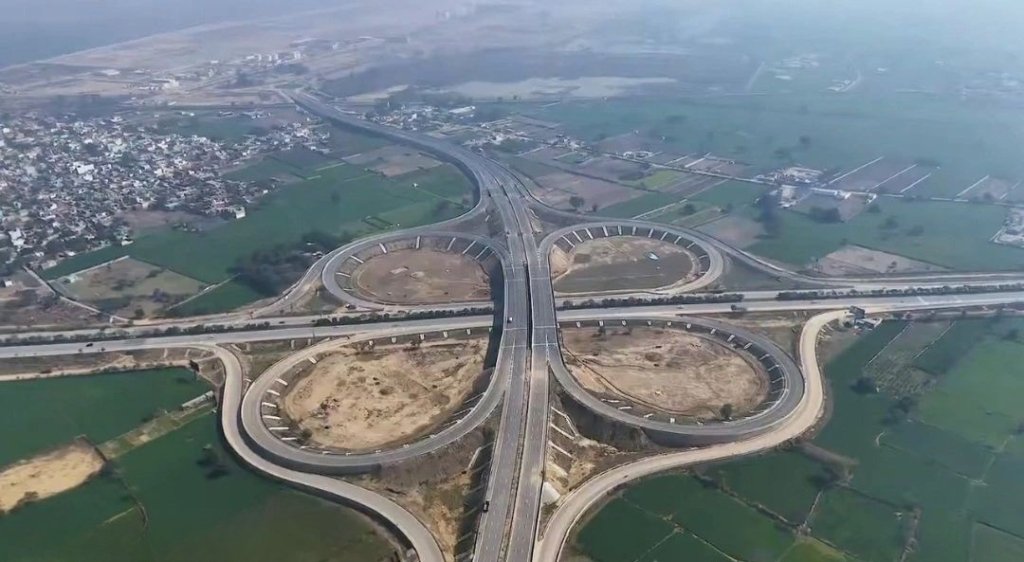
The best thing about Jewar for carriers is where it is. It’s near the Yamuna Expressway, on the eastern side of the Delhi-NCR area.
That puts it closer to many people in western Uttar Pradesh, like Noida, Greater Noida, Aligarh, Mathura, and Agra.
For passengers from these regions, travelling to Indira Gandhi International Airport often involves crossing the entire Delhi metropolitan area—an unpredictable journey that can take several hours in traffic. Jewar could cut that travel time dramatically.
For airlines, this creates a new catchment market that has been historically underserved despite rapid urbanisation and industrial growth across the Yamuna Expressway corridor.
Cargo operators are watching the development closely as well. The airport includes a multimodal cargo hub, which could eventually handle exports from the region’s electronics, textile and manufacturing clusters.

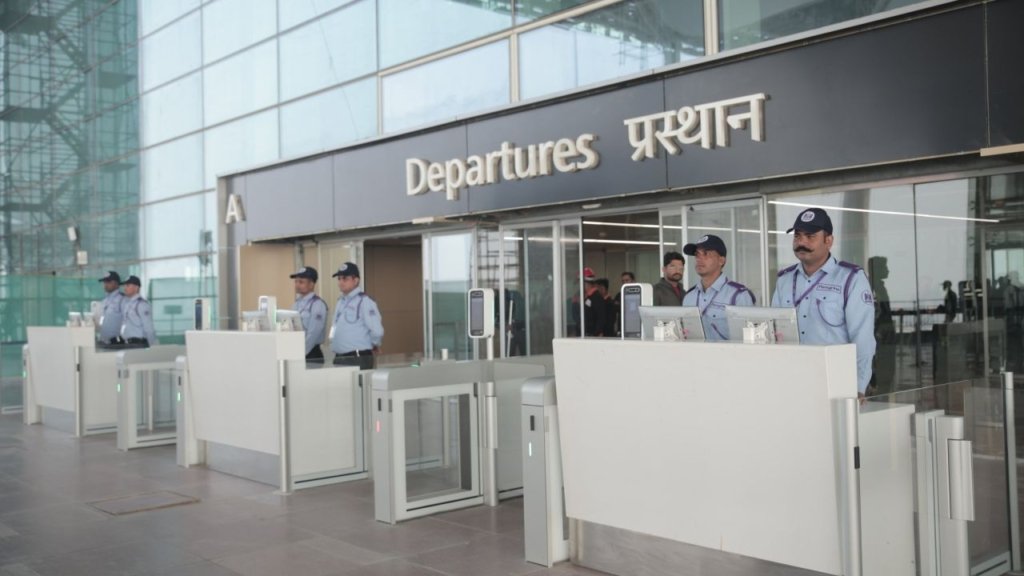
Jewar Airport could give budget airlines like IndiGo some operational advantages, like lower fees, less congestion, and quicker turnaround. But network airlines will probably keep their main hub in Delhi because of its global connections. So, Jewar will likely focus on domestic routes instead of becoming a big hub in its early years.
The airport project has received approval, but there is still a lot of work left. Right now, ground access is limited, and that is key to an airport doing well. Bigger transport links are being built: Plans include a rapid rail corridor connecting the airport to Delhi’s Delhi-Meerut Regional Rapid Transit System network and potential metro extensions in the future.
Until these projects are completed, airlines may rely heavily on passengers from nearby cities in Uttar Pradesh rather than the wider Delhi metropolitan area.
Operational ramp-up will also be closely watched. Airports typically require months of real-world operations before systems stabilise.
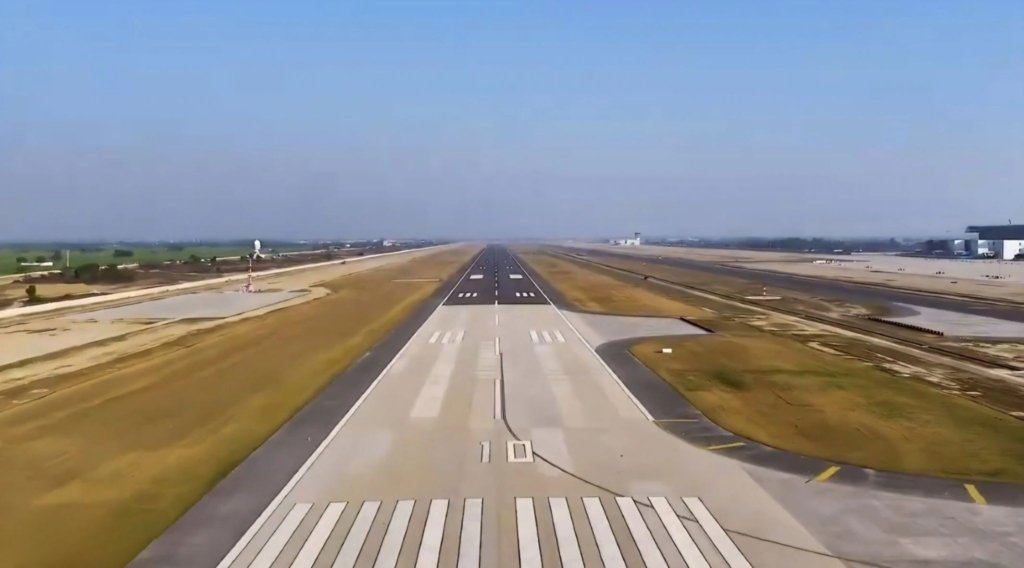
The first phase of the airport has been designed to handle about 12 million passengers annually, with a single runway and terminal.
But the long-term ambition is far larger. The airport’s master plan includes four expansion phases that could eventually lift capacity to 70 million passengers per year—placing it among the largest airport complexes in Asia.
For now, however, success will depend on something simpler: whether airlines can build enough routes to attract passengers away from Delhi. If the first wave of flights performs well, Jewar could quickly evolve from a relief airport into a major aviation gateway for northern India.
After years of anticipation, the real test for Noida International Airport is finally about to begin—not on construction sites, but in airline schedules and passenger bookings.
Also Read: Nagpur’s Second Takeoff: How India’s Geographic Centre Is Reclaiming Its Cargo Legacy

With more than four decades across print and audiovisual media, Tirthankar (TG) Ghosh is a veteran journalist specialising in aviation, air cargo and logistics. His reporting combines deep industry knowledge, original research and sharp analysis to produce authoritative, evidence-led journalism.