












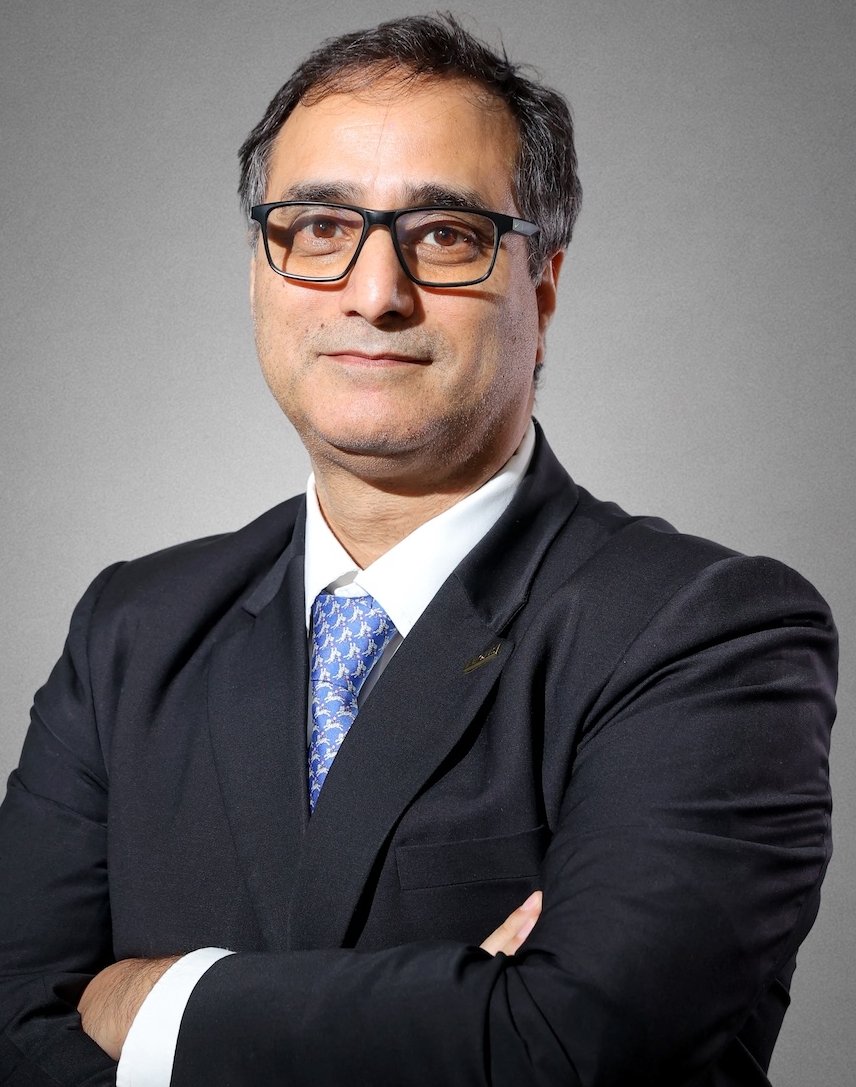
India’s growing aviation market has brought renewed focus to the depth of its aerospace manufacturing base. Beyond aircraft orders and fleet expansion, the more enduring question is how production capability is organised and sustained within the country. As global aircraft programmes contend with long lead times, certification demands and supply-chain reliability, these structural considerations assume greater significance. In this conversation, Rajeev Kaul, Managing Director of Aequs Ltd., discusses the company’s approach to building an integrated manufacturing ecosystem at Belagavi and the broader industrial considerations that shape its participation in global civil aviation programmes.
India is set to become the world’s third-largest aviation market. How is Aequs positioning itself to support this growth through its Belagavi aerospace ecosystem?
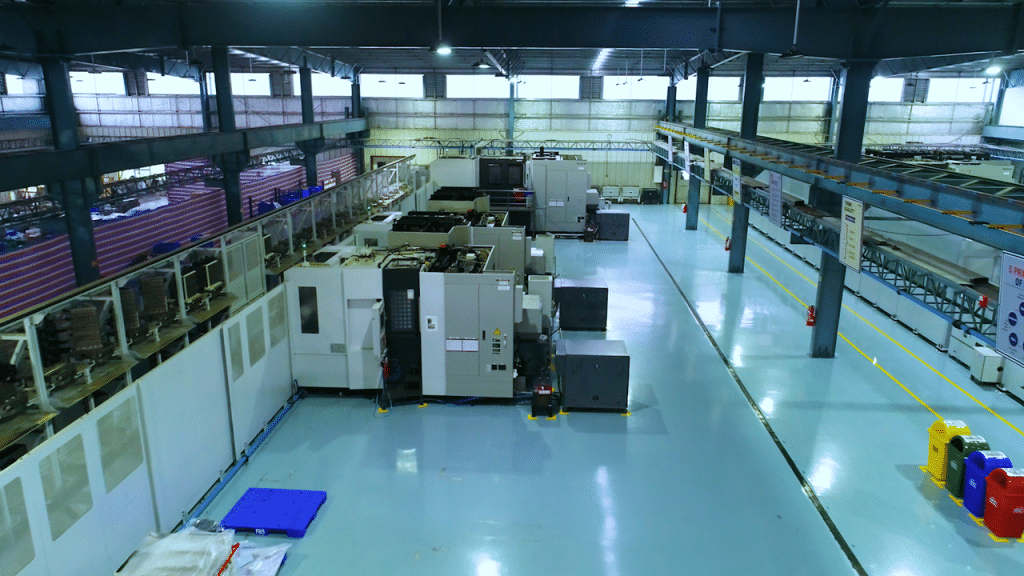
As India stands proudly as the third largest aviation market, Aequs is positioning itself as a company that delivers quality aerospace components leveraging its world-class aerospace manufacturing ecosystems, primarily at Belagavi (Karnataka). The scalable, globally integrated aerospace manufacturing ecosystem, which is India’s first notified precision engineering and aerospace focused SEZ, Aequs has brought together the entire aerospace manufacturing value chain from forgings, and precision machining, to surface treatment and aerostructure under one roof.
This enables faster turnaround, better quality, and lower supply-chain risk for aircraft programs. The cluster is designed to support both domestic and global demand, allowing Aequs to partner with OEMs and Tier-1 suppliers. By building depth, scale and end-to-end capabilities at the cluster, Aequs aims to play a long-term role in supporting fleet expansion, localisation, and India’s emergence as a key aerospace manufacturing hub.
Aequs has emphasised the need to reduce supply chain distances dramatically. Could you explain how this localisation benefits both global OEMs and India’s aviation ambitions?
Typically, an aerospace component travels anywhere up to 5000 kms between manufacturing processes adding miles even before it is fitted on an aircraft. By aggregating the entire manufacturing at the Belagavi Aerospace Cluster (BAC), we can reduce the supply chain distances cutting lead times, costs and more importantly the carbon footprint of each part manufactured. At the BAC, no part moves beyond 500 metres between manufacturing steps.

Given that the global aviation industry has set 2050 as the target to become net zero, such an ecosystem approach contributes significantly to this goal. This apart from an India perspective, Aequs’ ecosystem approach helps in maximising in-country value addition on the components manufactured at the cluster. The result is a more resilient, cost-competitive, and sustainable manufacturing base that strengthens India’s position in the global aerospace supply chain.
Aequs highlights its low-carbon footprint operations. What specific practices or technologies are helping you align with the aviation industry’s net-zero targets?
While the very design of the integrated manufacturing ecosystem at the BAC itself lends to the low carbon footprint, the net zero approach is also embedded Aequs’ efficient manufacturing practices and clean energy initiatives. Its integrated facilities are laid out to minimise material movement and logistics, which enable reduced usage of energy and emissions across various production stages.
Further, the campus is geared to maximise the use of renewable energy, IoT-enabled manufacturing adds to this. Aequs collaborates closely with customers to optimise part design, helping lower the embedded carbon in the space and align its operations with the aviation industry’s long-term net-zero objectives.
How will the funds raised through your recent IPO strengthen Aequs’ aerospace manufacturing capabilities and progression up the value chain?
Apart from repayment of debts, the funds raised will be deployed for capex expenditure on new machinery for aerospace manufacturing and investment in new technologies. These investments will significantly accelerate Aequs’ progression up the value chain to support aircraft programs.
The joint venture with Magellan Aerospace is a significant step. How do such partnerships enhance India’s credibility in the global civil aviation supply chain?
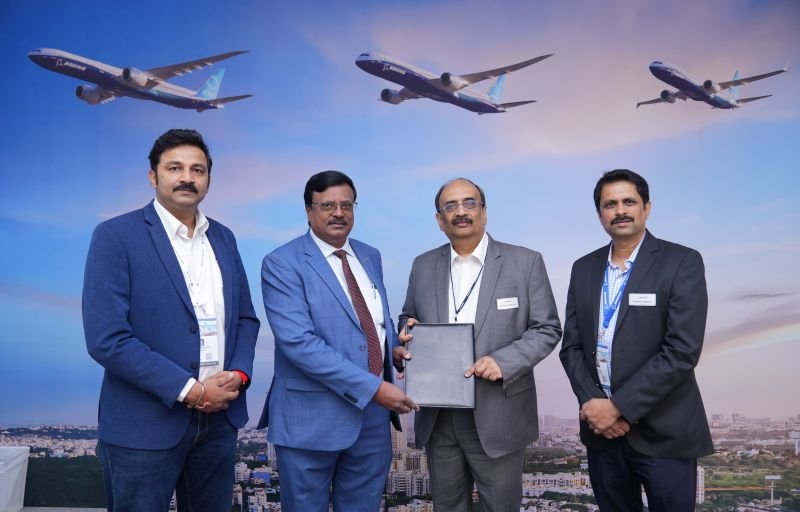
In a sector defined by long gestation and turnaround timelines, long-term partnerships truly matter. Aequs places strong emphasis on partnerships, and its joint venture with partner Magellan Aerospace for our surface treatment JV, Aerospace Process India Ltd., strengthens India’s credibility in the global civil aviation supply chain by combining global experience with cost-competitive, high-quality manufacturing in India.
Incidentally, API was the first surface treatment unit in India to be certified by both Airbus and Boeing and delivering expertise and services hitherto unavailable in the country. Today, it is among the largest such units in India and delivering unique capabilities in the field.
Such collaborations involve transfer of advanced processes, certifications, and production expertise into the local ecosystem, enabling Indian facilities to meet the stringent quality, traceability, and delivery standards of global OEMs.
It clearly underscores India’s ability to deliver integrated, responsibility-led manufacturing programs, going beyond simple build-to-print work execution and strengthening confidence among aircraft OEMs and Tier-1 suppliers. Over time, these partnerships help anchor long-term programs in India, deepen local supply chains, and position the country as a trusted, scalable manufacturing base for civil aviation.
With Asia driving demand for narrow-body aircraft, how is Aequs adapting its production capabilities to serve this segment better?
A significant part of the work that Aequs does for the leading airframers in the world involves making parts for narrowbody aircraft for the past several years. Its manufacturing capacities are already geared to cater to this segment and the company can maintain high rates of production.
How is Aequs using digital tools such as AI, automation, and digital twins to improve precision and efficiency?
At Aequs, these digital tools are being increasingly leveraged to enhance precision, consistency and throughput across its operations. Automation is being deployed in critical machining and inspection processes to reduce variability and improve consistency, while digital monitoring systems provide real-time insights into quality and other output parameters.
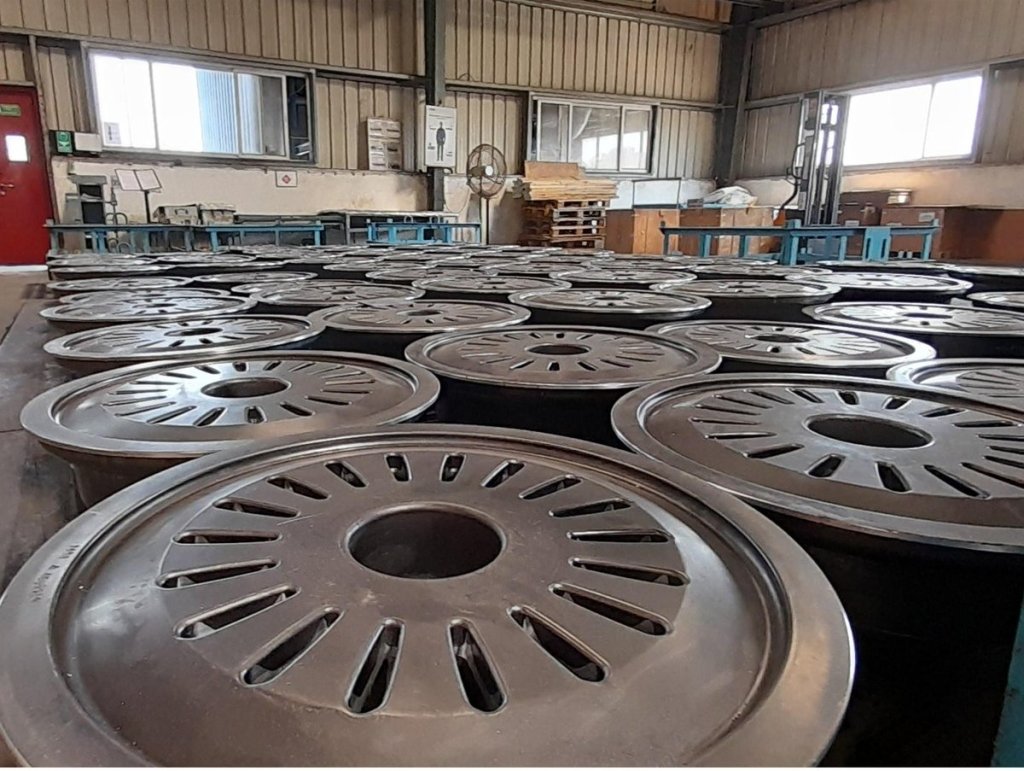
Photo: Aequs
Belagavi has become a recognised aerospace hub. Do you see similar clusters emerging elsewhere in India, and what role might Aequs play in shaping them?
With its success the Belagavi Aerospace Cluster (BAC), has proven that manufacturing ecosystems are the right approach to becoming a global force in aerospace manufacturing. Absolutely, there is ample scope for similar ecosystems coming up elsewhere in the country as India is sitting at the cusp of a huge opportunity due to several factors.
By virtue of emerging the largest market for commercial aircraft over the next decade, global OEMs recognising the advantages of Indian engineering prowess and an industry-friendly policy framework, the time is right for such cluster to come up.
Clearly Aequs will be more than keen on participating in these initiatives to expand the aerospace manufacturing supply chain India and to support various global programs in the sector. By virtue of setting up India’s first aerospace cluster and having followed it up with two more manufacturing clusters in Hubballi and Koppal, albeit for different industry verticals, Aequs has the experience and knowhow to make such ecosystems happen.
Looking ahead, how does Aequs envision its role in enabling sustainable aviation, whether through lightweight materials, alternative fuels, or next-generation aircraft design?
Aequs is driven by what the customer needs. Currently, its focus is on meeting build-to-print manufacturing needs of our OEM and Tier-1 customers. Having said, we contribute to sustainable aviation indirectly through our efficient and low carbon footprint manufacturing processes and ecosystems.
However, going forward we will be open to considering the areas you mention based on the market requirements and opportunity at scale.
Also Read: India’s Aerospace Component Ecosystem Faces the Scale Test