














- DGCA audit findings showed SpiceJet recorded fewer safety observations than major airlines like Air India and IndiGo, but experts say lower findings do not automatically mean an airline is safer overall.
- Most DGCA observations across Indian airlines were Level 2 findings, which are procedural issues rather than direct threats to passenger safety.
- Aviation experts believe airline safety should be judged using multiple factors such as maintenance quality, pilot training, operational management, and overall compliance history.
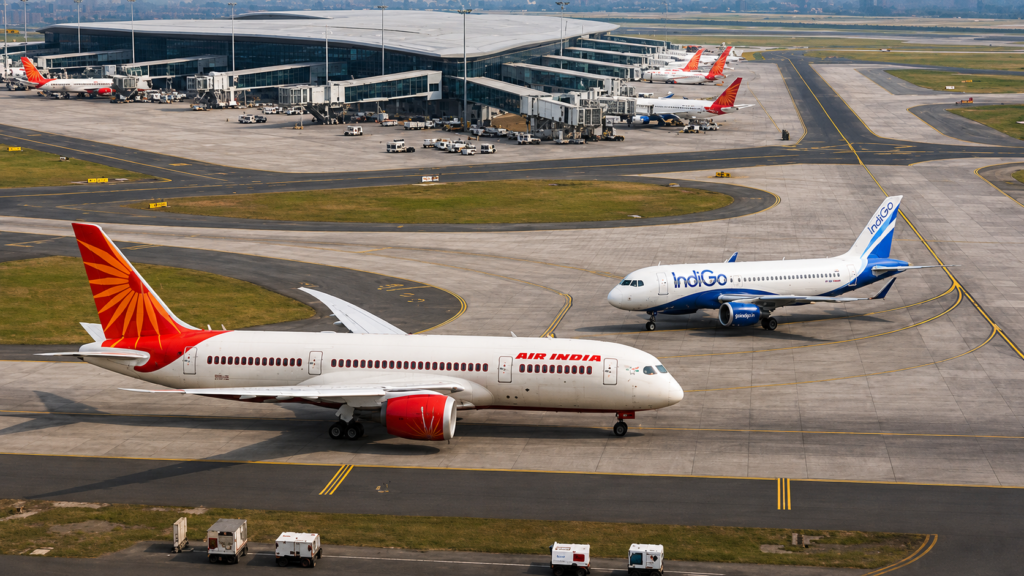
Safest Airline in India
Air travel in India has grown rapidly over the last few years. Millions of passengers now fly daily with airlines like IndiGo, Air India, SpiceJet, and newer carriers such as Akasa Air. But one question that passengers often ask is simple which airline is actually the safest?
A recent audit by the Directorate General of Civil Aviation (DGCA) has once again brought airline safety into the spotlight. The report examined safety findings, operational lapses, and compliance issues across Indian airlines. While the numbers created headlines, aviation experts say passengers should understand the full picture before judging any airline.
What Did the DGCA Audit Reveal?
According to DGCA audit findings released in 2025, Indian airlines collectively recorded more than 260 safety-related observations during annual inspections.
The report showed:
- Air India: 51 findings
- IndiGo: 23 findings
- Air India Express: 25 findings
- SpiceJet: 14 findings
- Vistara: 17 findings
At first glance, SpiceJet appeared to have the lowest number of findings among major airlines, which led many reports to call it the “safest airline” in India.
However, aviation experts caution that lower findings do not automatically mean an airline is safer overall. Larger airlines operate far more flights and aircraft every day, which naturally increases the number of inspections and observations.
Understanding Level 1 and Level 2 Findings
The DGCA classifies audit observations into two categories:
Level 1 Findings
These are considered serious issues that require immediate corrective action. Airlines usually get a short deadline to fix them.
Level 2 Findings
These are procedural or operational non-compliance issues that are less severe but still need correction.
Interestingly, the DGCA stated that most findings across Indian airlines were Level 2 observations rather than direct threats to passenger safety.
For example:
- IndiGo’s findings were mostly Level 2 observations.
- SpiceJet also recorded mainly Level 2 findings.
- Air India had a combination of Level 1 and Level 2 observations.
Why Bigger Airlines Usually Show More Findings
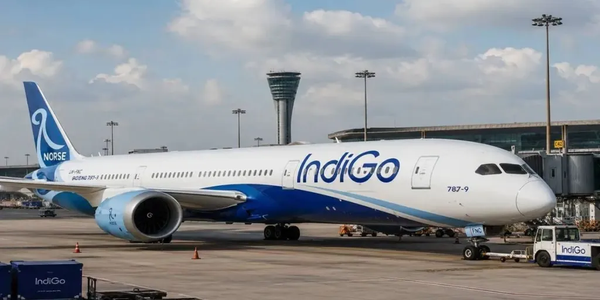
India’s largest airline, IndiGo, operates thousands of flights every week and has one of the biggest fleets in Asia. Naturally, such large operations undergo more detailed inspections.
Similarly, Air India operates international long-haul flights, wide-body aircraft, and multiple airline subsidiaries. This increases operational complexity and regulatory oversight.
The DGCA itself clarified that a higher number of findings should not always be interpreted as unsafe flying.
IndiGo’s Operational Challenges
Although IndiGo recorded fewer audit findings than Air India, the airline faced separate operational issues in late 2025. Thousands of flights were cancelled because of pilot rostering and scheduling problems after new DGCA crew-rest rules were introduced.
The airline later faced a major financial penalty from the DGCA for operational disruptions.
However, these issues were related more to scheduling and operations management rather than aircraft crash safety.
Air India Under Stronger Scrutiny
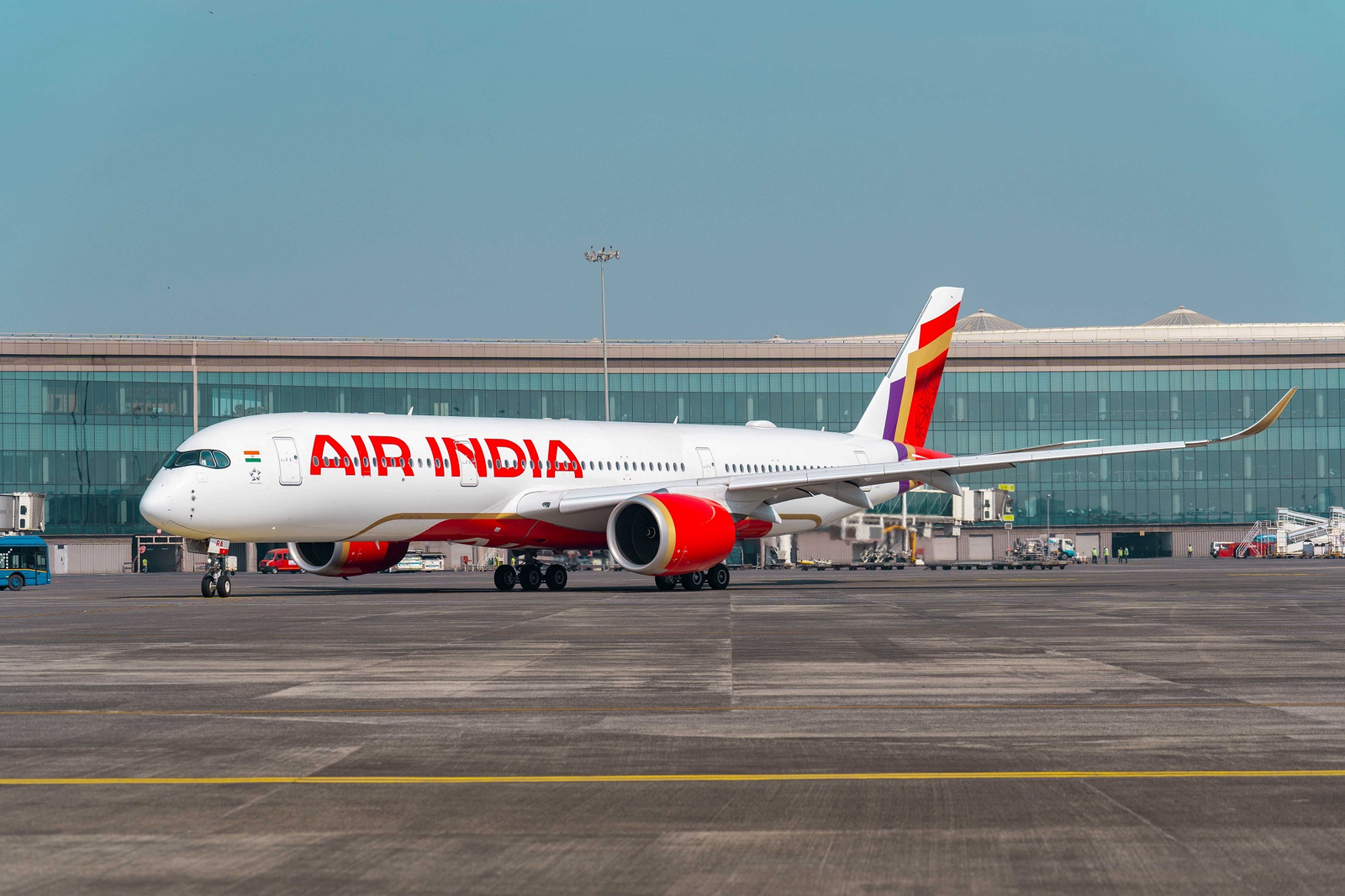
Air India has been under heavy regulatory observation due to its rapid expansion and integration after the Tata Group takeover. Reports highlighted concerns related to pilot training, simulator approvals, and crew management systems.
Despite these findings, Air India continues to modernize its fleet and improve operational systems as part of its large transformation plan.
Read Latest Articles
- Mumbai Airport News: Missing Woman Stopped at Indore Airport Before Mumbai Flight
- Delhi Airport News: FASTag Annual Pass Row at Terminal 3, IHMCL Steps In
- Boeing and Technovation Announce 2026 Girls’ Global Tech Competition Champions
- Airbus forecasts growing services market to double by 2045
- Singapore Airlines Introduces New Range of In-Flight Amenities Across All Cabin Classes
- JAL Selects Next-Gen Embraer E190-E2 for Regional Fleet Renewal
- Firefly Extends Singapore–Subang Flight Cancellations to October 16 Amid Haze Concerns
- GMR Aero Technic Signs MoU with UUDS Aero to Establish Integrated Cabin Excellence Centre
- Mumbai Airport News: Terminal 1 Revamp from January 2027, Flight Shift on Hold
- Air India News: Frankfurt-Delhi Flight Lands in Jaipur After Hijack Alert
Is SpiceJet Really the Safest Airline?
The answer is more complicated than a simple ranking.
Yes, SpiceJet recorded fewer audit findings in the DGCA report. But airline safety depends on many factors, including:
- Aircraft maintenance quality
- Pilot training
- Fleet age
- Operational management
- Emergency preparedness
- Regulatory compliance
- Incident history
Experts believe passengers should avoid judging an airline using only one audit report.
How Safe Is Indian Aviation Overall?
India’s aviation industry follows international safety standards set by the International Civil Aviation Organization (ICAO). The DGCA regularly audits airlines, pilots, aircraft maintenance systems, and airport operations.
Despite occasional operational issues, India remains one of the world’s fastest-growing aviation markets with a generally strong commercial aviation safety record.
Which Airline Should Passengers Choose?
For most travelers, all major Indian airlines remain safe for flying. The choice usually depends on:
- Ticket price
- On-time performance
- Service quality
- Route network
- Comfort
- Baggage policies
If someone prioritizes reliability and large connectivity, IndiGo remains a strong option.
If passengers prefer full-service international travel, Air India offers wider global connectivity.
Meanwhile, SpiceJet continues to maintain a smaller but competitive domestic presence.
The DGCA audit gave an interesting snapshot of airline compliance in India, but it should not be treated as a final “safe vs unsafe” ranking. While SpiceJet had the fewest audit findings among major airlines, larger carriers like IndiGo and Air India operate at a much bigger scale and naturally face more scrutiny.
The important takeaway is that India’s aviation regulator actively monitors airlines and forces corrective action whenever issues are found. That ongoing oversight itself is a positive sign for passenger safety.

Ajeet Yadav is an aviation enthusiast covering airline news, airports, aircraft, and industry developments through well-researched and reliable reporting.